
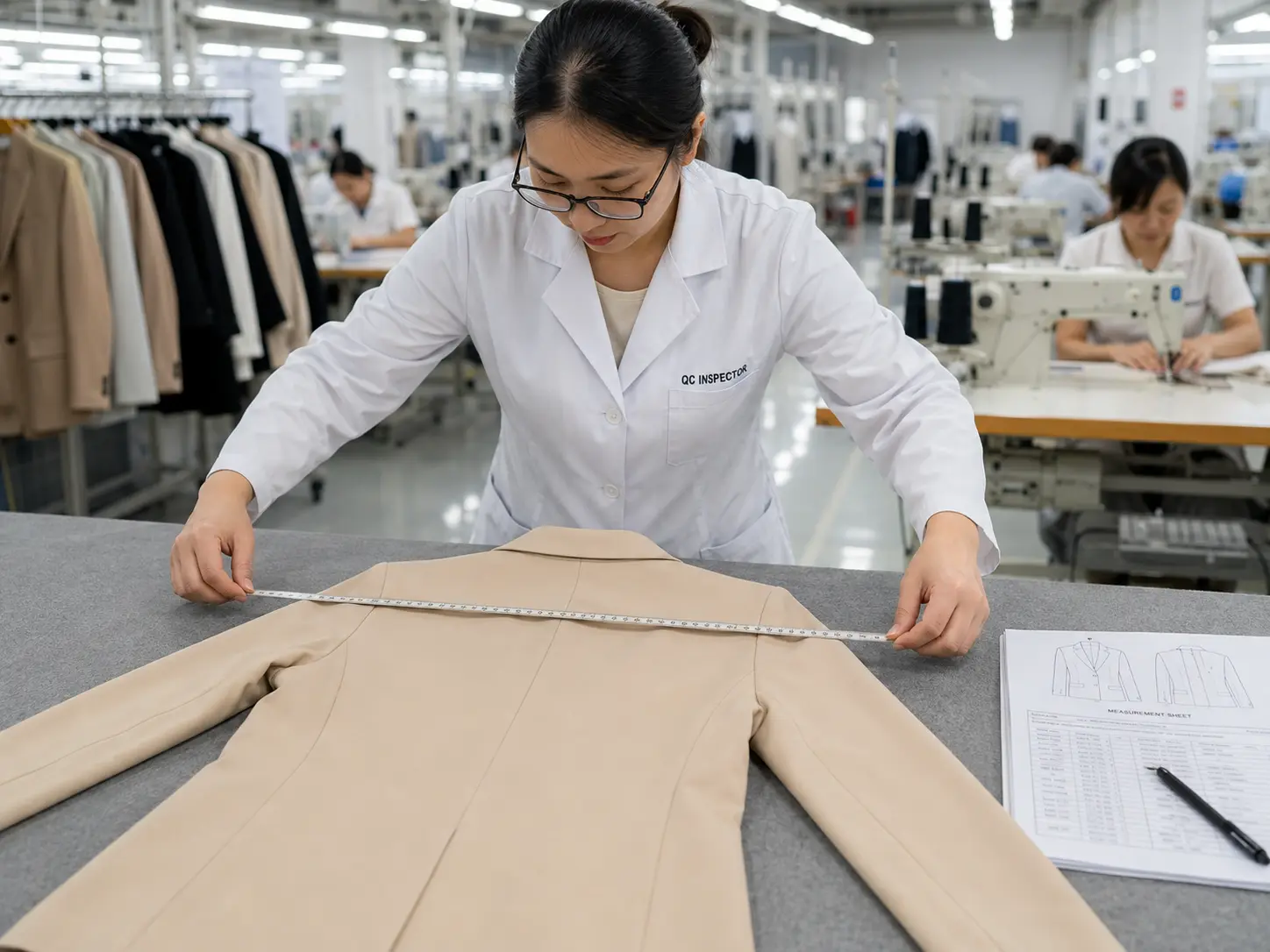
How To measure shoulder width on a finished garment? lay the garment flat with the back facing up, identify the outer shoulder point on each side, and measure in a straight line from one shoulder point to the other. Keep the garment relaxed and do not stretch the fabric while measuring.
For a standard set-in sleeve garment, the shoulder points usually sit where the shoulder seams meet the sleeve seams. In garment manufacturing, this measurement is commonly called Across Shoulder or Shoulder Width.
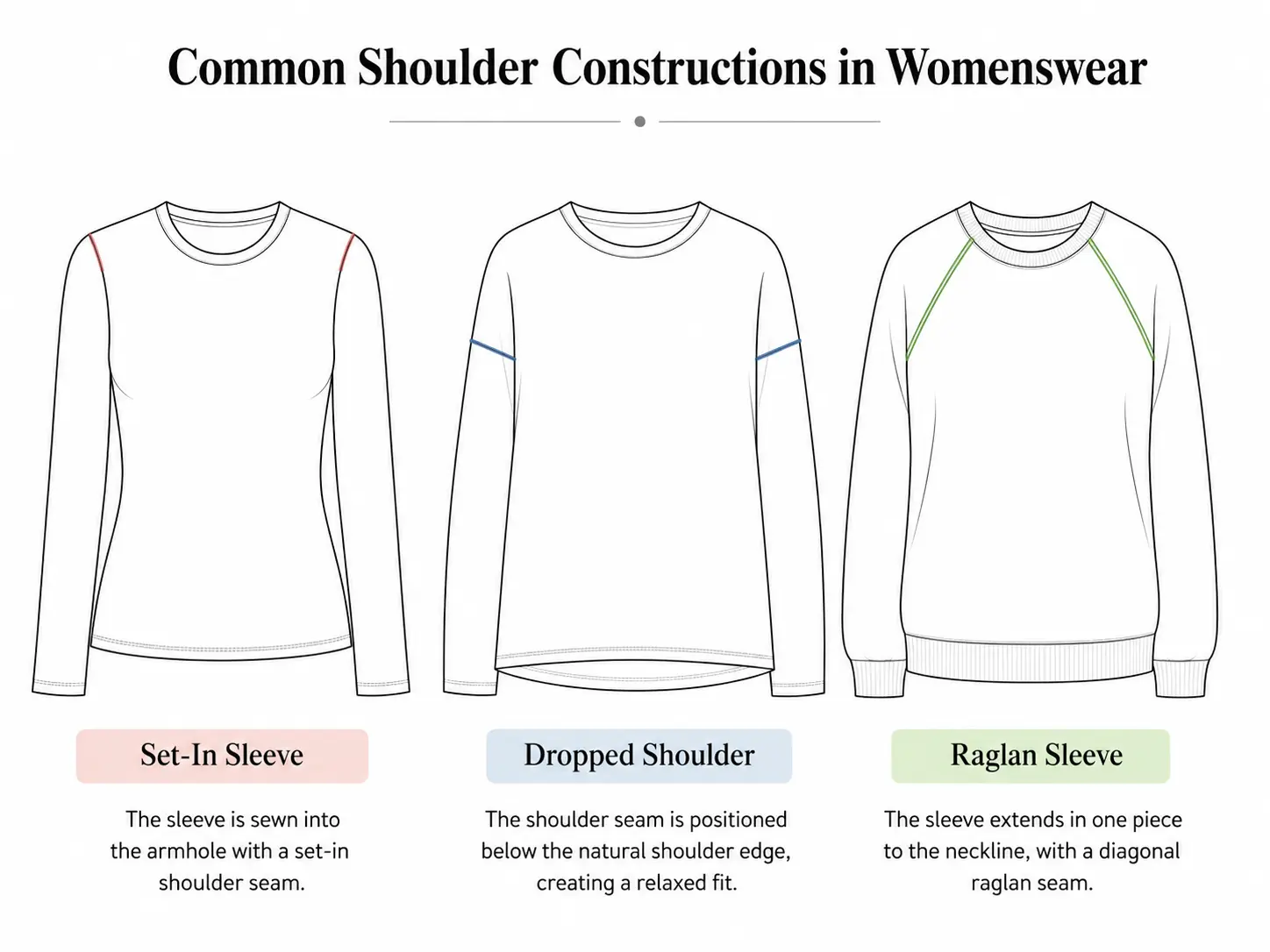
However, brands should clearly define the measurement point in the tech pack because dropped shoulders, raglan sleeves, sleeveless styles, and other constructions may require different measurement methods.
ISO 18890:2018 defines standardized garment measurement points and methods, while ISO 8559 standards distinguish body measurements from finished garment measurements. Therefore, buyers and factories should always confirm whether a specification refers to the body or the finished garment before sampling.
Standard Shoulder Width Measurement Point
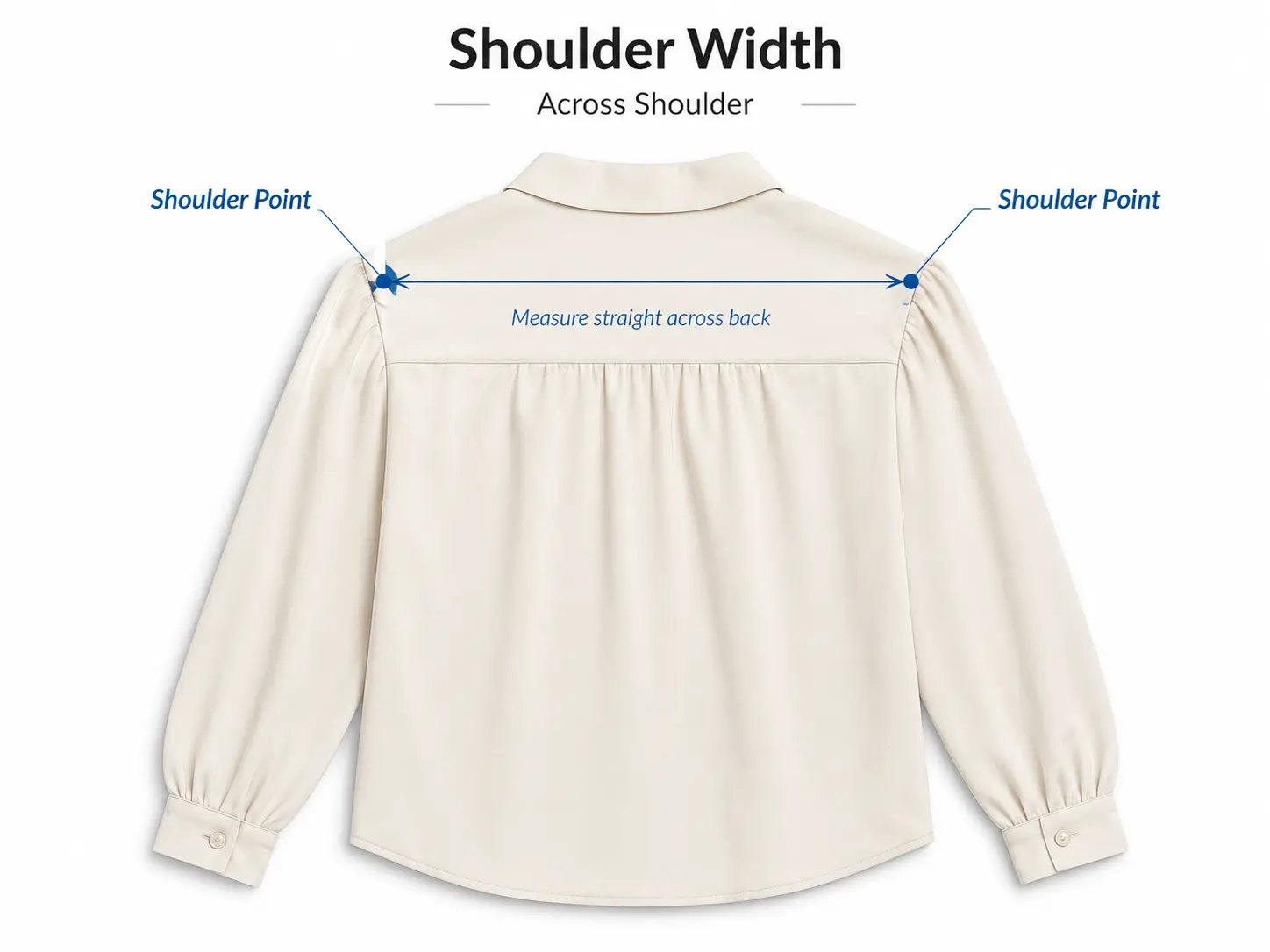
How to Measure Shoulder Width?Measure according to the method below.
Lay the garment flat on a smooth table.
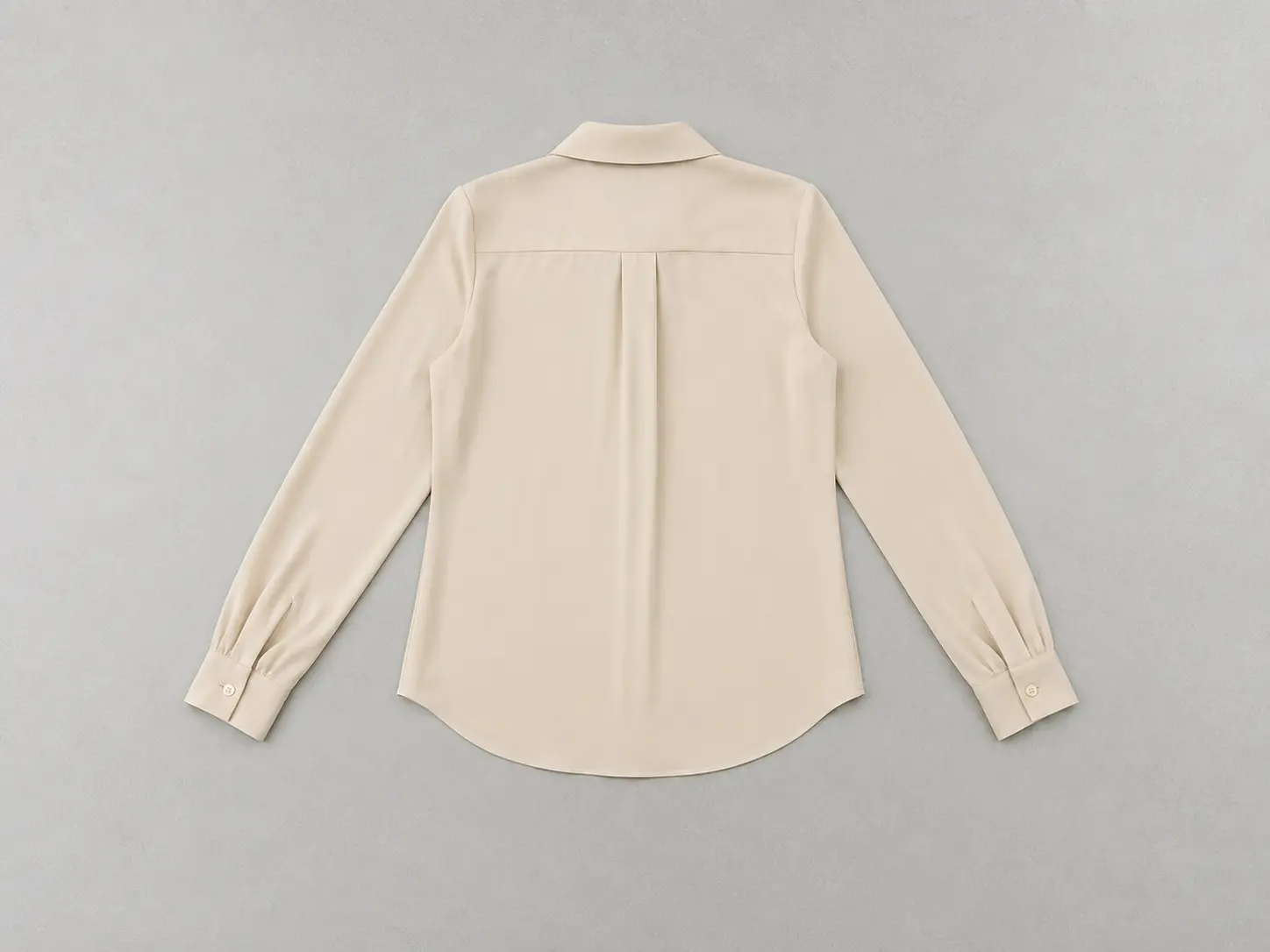
Place the back of the garment facing upward.
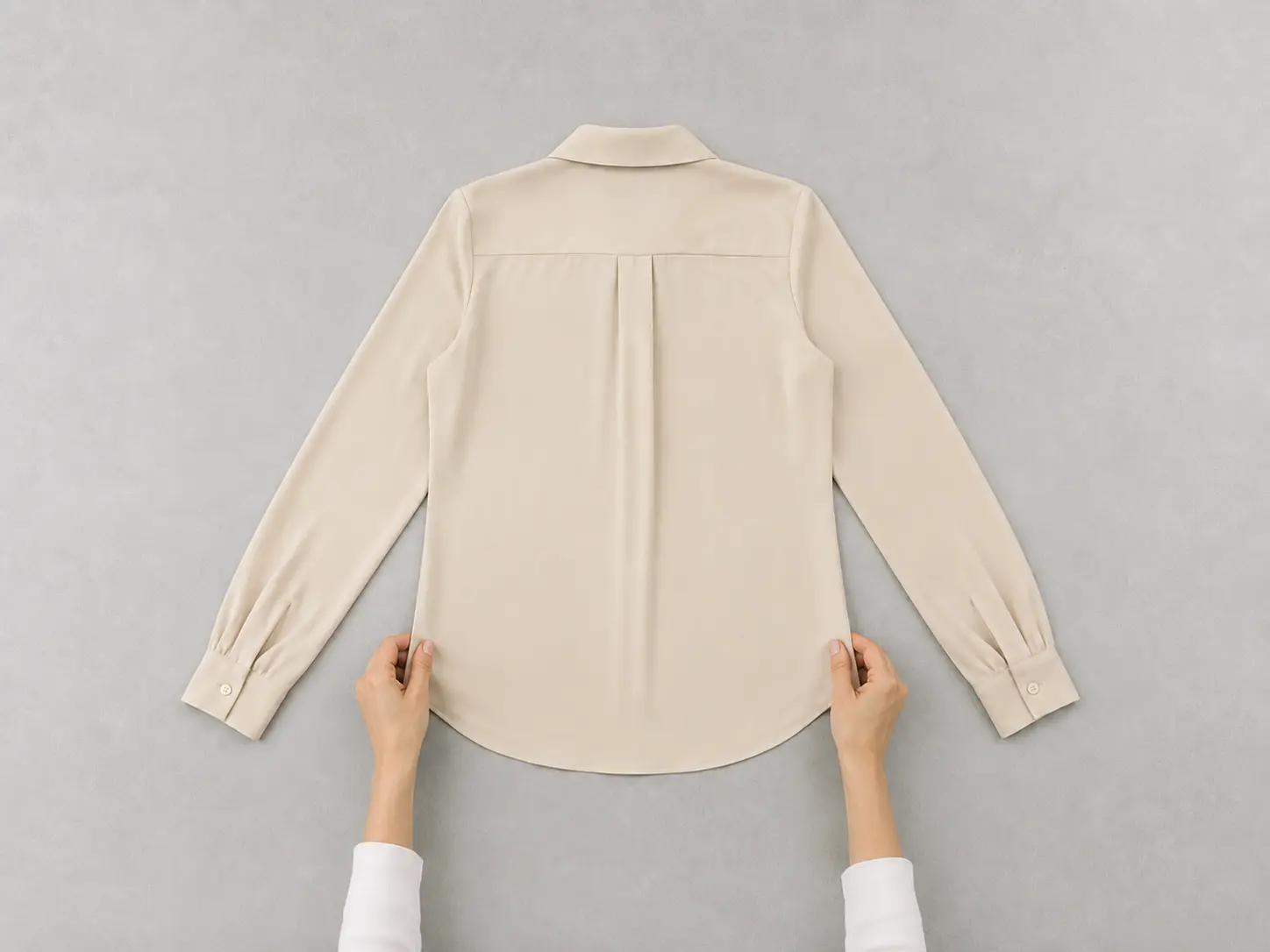
Smooth the fabric naturally without pulling it.
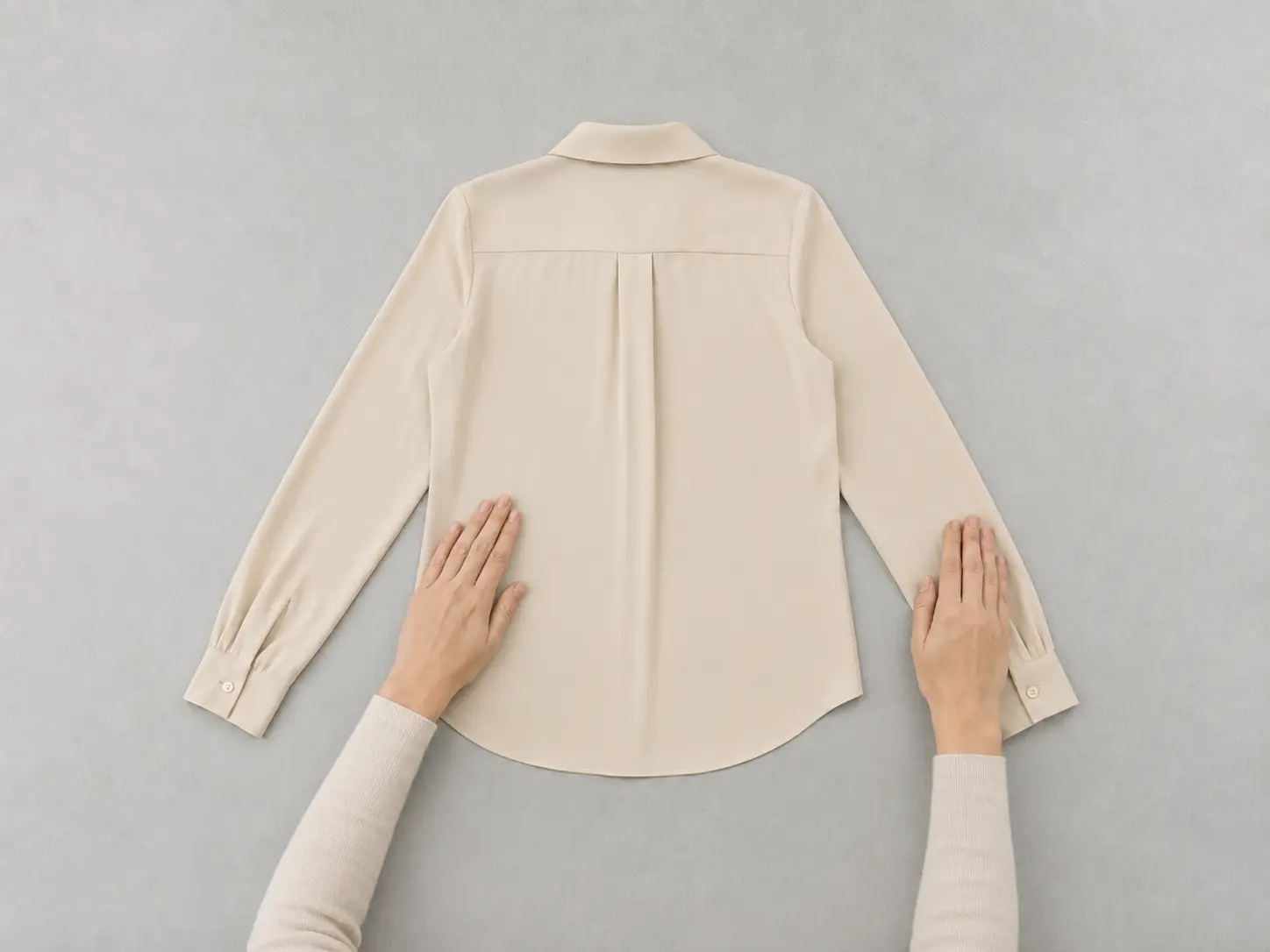
Locate the left and right shoulder points.
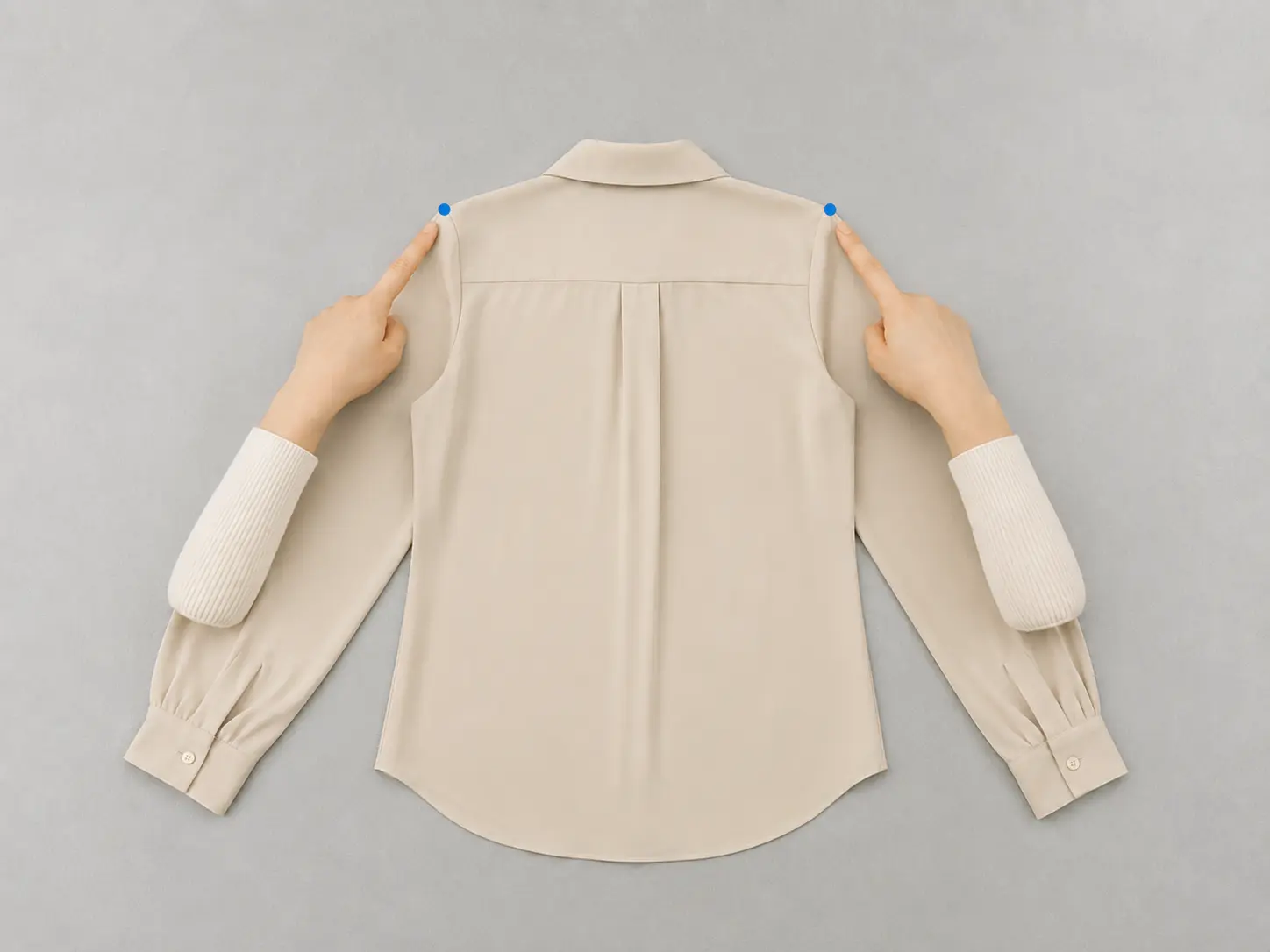
Measure straight from one shoulder point to the other.
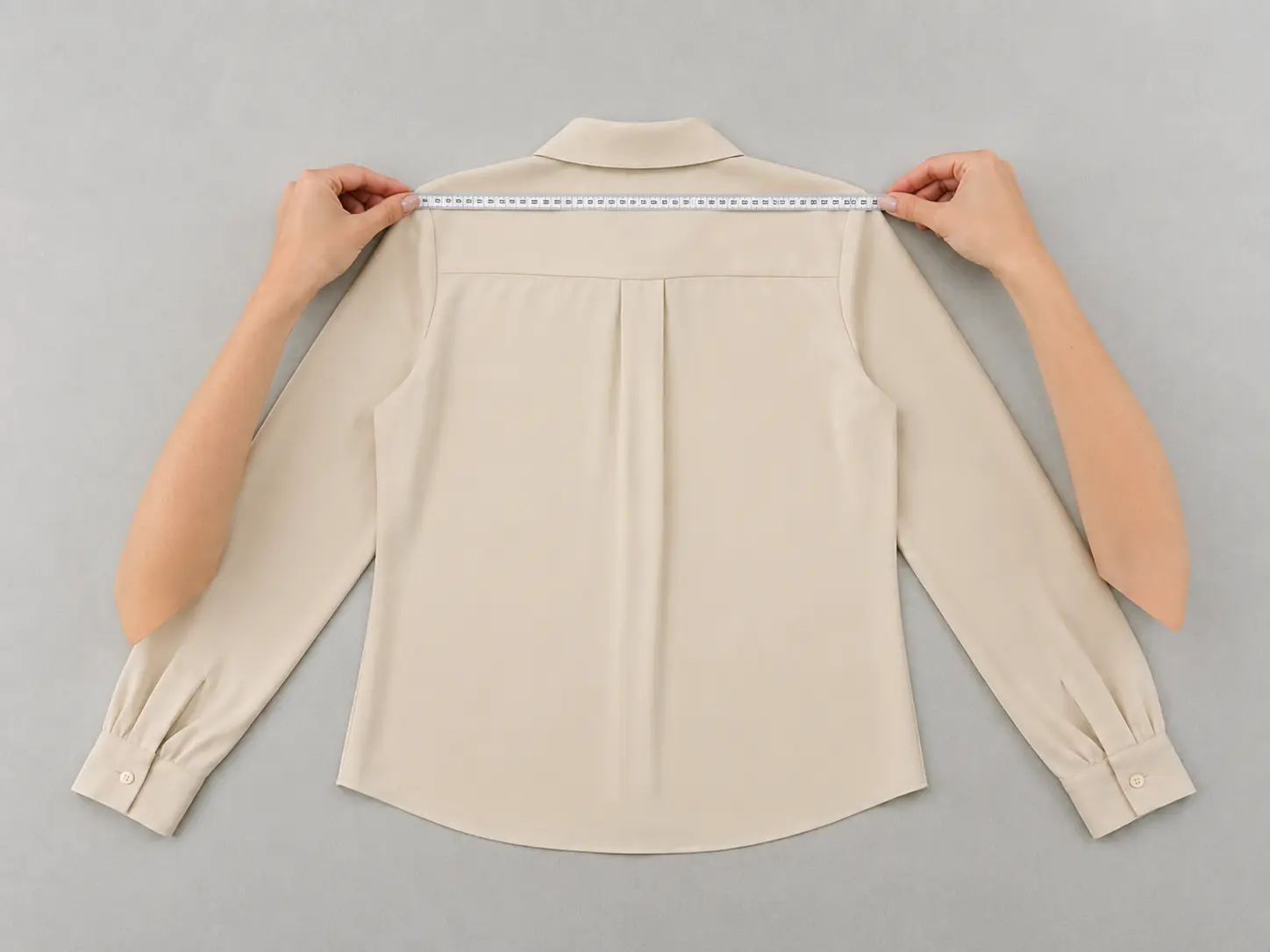
Record the measurement according to the agreed unit, such as centimeters or inches.

The standard Across Shoulder measurement runs from shoulder point to shoulder point. Industry garment measurement guidance also commonly defines it as measuring between the two shoulder seam joins across the back.
The Measurement Should Look Like This
Shoulder Point → Straight Across Back → Shoulder Point
Do not follow the curve of the neckline or shoulder seam.
Do not measure from sleeve edge to sleeve edge.
Do not pull the garment wider to make the measurement match the specification.
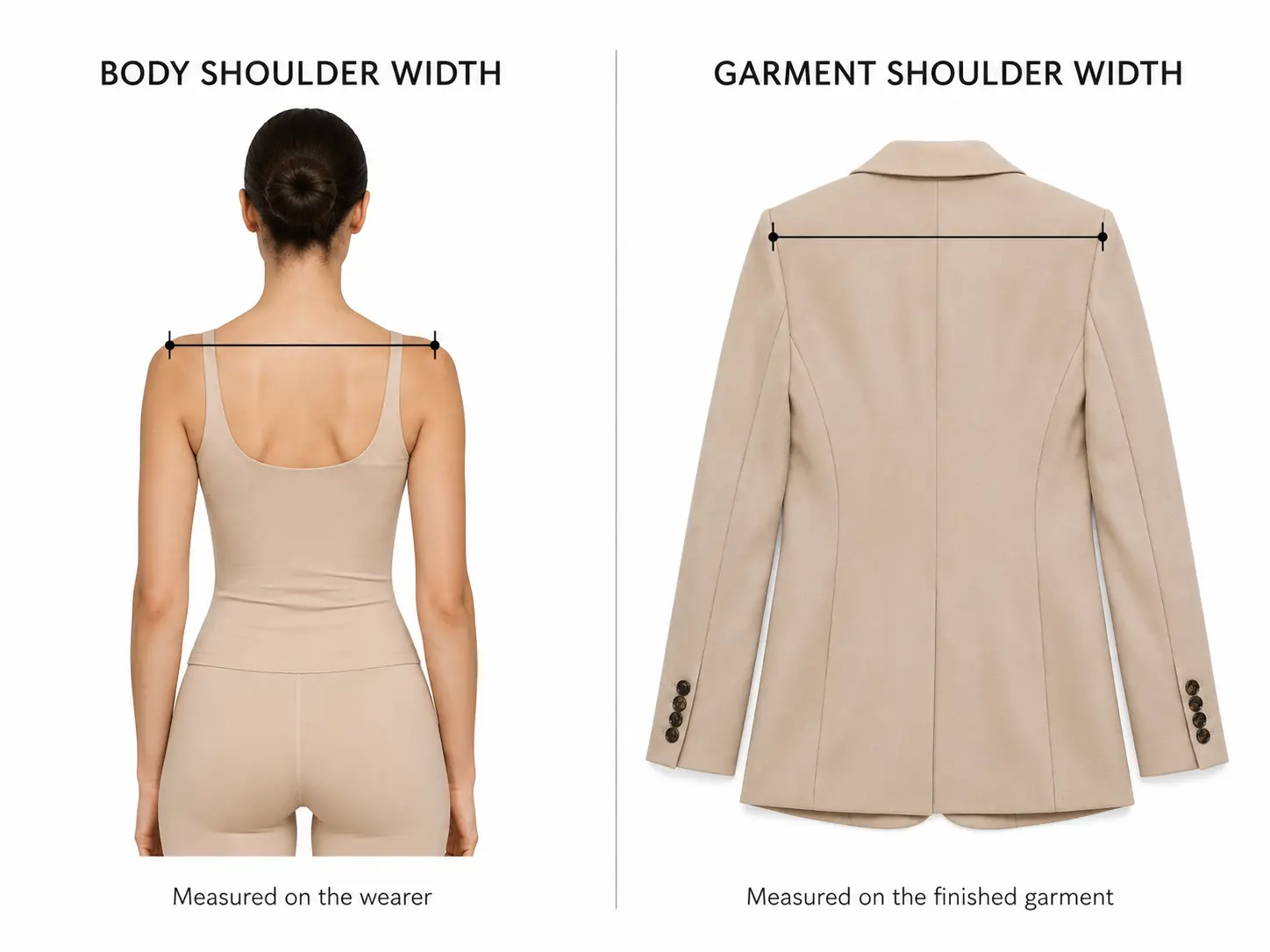
Garment Shoulder Width Is Not Body Shoulder Width
This is one of the most common sources of misunderstanding between clothing brands and manufacturers.
Body shoulder width describes the dimensions of the wearer.
Garment shoulder width describes the dimensions of the finished clothing.
They are related, but they are not interchangeable because the designer may add ease, structure, padding, or an intentionally oversized silhouette.
ISO 8559-1 provides anthropometric definitions for body measurement, while ISO 18890 focuses on finished garment measurements.
For example, an oversized blazer may have a much wider finished shoulder measurement than the wearer’s natural shoulder width. That does not automatically mean the garment is incorrectly sized.
What About Dropped Shoulder or Raglan Styles?
Not every garment has a conventional shoulder point.
Dropped Shoulder
For a dropped-shoulder design, the sleeve seam sits beyond the wearer’s natural shoulder.
Therefore, the finished garment measurement may still run from one shoulder seam join to the other, but the number will naturally be larger than a standard shoulder measurement.
Do not compare it directly with a fitted shirt.
Raglan Sleeve
A raglan garment does not have a conventional shoulder seam running from the neckline to the sleeve.
Because of this construction, the buyer and factory should define another Point of Measure in the tech pack rather than guessing where the shoulder width should start and end.
Sleeveless Garments
For dresses, vests, and sleeveless tops, the pattern may use a defined shoulder point even when there is no sleeve seam.
The measurement sketch should clearly show the exact start and end points.
Why Shoulder Width Can Be Wrong Even When the Pattern Is Correct?
Measurement errors do not always come from pattern making.
The measurement process itself can create differences.
1. The Garment Is Stretched
Knitted or elastic fabrics can easily change dimensions when someone pulls them across the measurement table.
Always let the garment relax before measuring.
2. Different People Use Different Measurement Points
One QC inspector may measure from the sleeve seam, while another may start slightly inside the seam.
Even a small difference at both ends can create an inconsistent result.
3. The Tape Does Not Stay Straight
Shoulder width normally uses a straight point-to-point measurement.
If the tape follows a curve, the recorded measurement may become larger.
4. The Tech Pack Does Not Define the POM
A specification such as:
Shoulder: 40 cm
is not enough for reliable production.
A better tech pack should include:
POM: Across Shoulder
Method: Shoulder point to shoulder point across back
Size: M
Specification: 40 cm
Tolerance: Buyer-approved tolerance
Diagram: Measurement arrows clearly marked
A Professional Factory Should Confirm the Measurement Before Bulk Production
This is where we believe the difference between a basic supplier and a professional garment manufacturer becomes obvious.
A factory should not simply receive a measurement chart and start cutting fabric.
If a measurement point is unclear, the factory should identify the problem during product development — not after hundreds of garments have already entered production.
At Shengfu, we recommend confirming five elements before approving an important measurement:
- Point of Measure
- Measurement method
- Base size specification
- Grading between sizes
- Measurement tolerance
For example, if a brand requests an oversized jacket, simply saying “shoulder width 52 cm” does not fully describe the intended fit. We also need to understand the shoulder construction, sleeve connection, grading logic, fabric behavior, and design silhouette.
This approach helps turn a design idea into a measurement standard that production and QC teams can actually follow.
From Sample Approval to Bulk Production
A reliable shoulder measurement should remain consistent throughout the production process.
A practical workflow looks like this:
Tech Pack → Pattern Development → First Sample → Fit Review → Measurement Approval → Size Grading → Pre-Production Sample → Bulk Production → Final QC
However, measurement control should not begin only during final inspection.
The factory should identify measurement problems during sampling because correcting a pattern at this stage costs far less than repairing or remaking finished garments.
This is especially important for:
- Blazers
- Structured dresses
- Shirts
- Jackets
- Corset-style garments
- Oversized tops
- Garments with shoulder pads
Shoulder construction directly affects sleeve position, neckline balance, chest fit, and the overall silhouette.
Why Work With Shengfu?
You might be interested:ABOUT DONGGUAN SHENGFU TEXTILE
For clothing brands, accurate manufacturing requires more than finding a factory that can sew the product.
You need a production partner that understands how design, pattern, fabric, measurements, construction, and QC interact.
At Shengfu, we believe measurement control should start before bulk production rather than becoming a problem discovered at the end.
When measurement points remain unclear, we recommend defining them visually in the specification sheet and confirming them during sampling. This makes communication easier for designers, pattern makers, merchandisers, production teams, and QC inspectors.
More importantly, it reduces one of the biggest risks in custom clothing manufacturing:
The buyer and the factory using the same measurement name but measuring two different things.
If you are developing a new dress, blouse, blazer, jacket, or other custom garment, send Shengfu your design, reference sample, measurement chart, or tech pack.
We can discuss the construction and measurement requirements before moving toward production.
Start Your Custom Clothing Project With Shengfu
FAQ
References
- ISO 18890:2018 — Clothing — Standard Method of Garment Measurement
Defines key garment measurement points and measurement methods. The standard was reviewed and confirmed in 2024 and remains current.
ISO 18890:2018 Official Page - ISO 8559-1:2017 — Size Designation of Clothes — Anthropometric Definitions for Body Measurement
Provides definitions and principles for human body measurements used in clothing development.
ISO 8559-1:2017 Official Page - ISO 8559-2:2025 — Size Designation of Clothes — Primary and Secondary Dimension Indicators
The current second edition establishes clothing size designation based on body dimensions.
ISO 8559-2:2025 Official Page - ASTM D5219-25 — Standard Terminology Relating to Body Dimensions for Apparel Sizing
Provides current ASTM terminology for apparel-related body dimensions.
ASTM D5219-25 Official Page - ASTM D5585-21 — Standard Tables of Body Measurements for Adult Female Misses Figure Type
Provides body measurement data used by manufacturers when developing patterns, sizing, and garments.
ASTM D5585-21 Official Page





