
Digital Printing for Modern Fashion Production
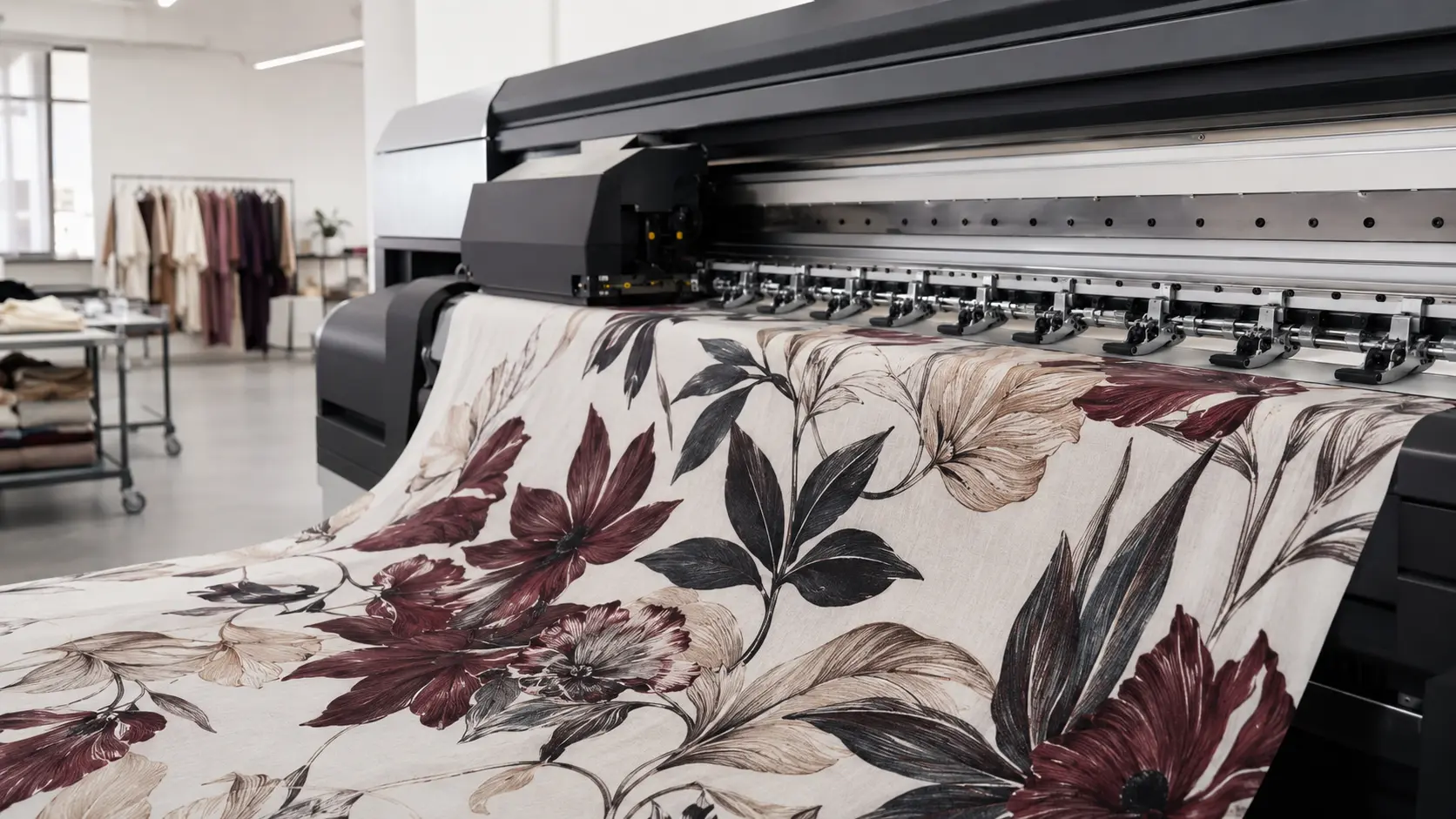
Digital textile printing has changed the way fashion prints are developed and produced. Instead of creating a separate screen for every color, the design is transferred directly from a digital file to fabric using specialized inkjet equipment. This makes the process especially useful for detailed artwork, multiple colorways, sampling and flexible order quantities.
What Is Digital Textile Printing?
Digital textile printing works much like a high-precision inkjet printer, but it is engineered for fabric. Artwork is prepared on a computer, color-managed and printed directly onto a compatible textile. Depending on the fiber and ink system, the fabric may then be steamed, heated, washed or finished to fix the color
The result can reproduce fine lines, soft gradients, photographic effects and complex repeats that may be difficult or expensive to achieve with traditional screen printing
How the Process Works?
- Artwork preparation — The design, repeat size and colorways are checked and converted into a production-ready file.
- Fabric and ink selection — The ink system is matched to the fiber content and required end use.
- Pre-treatment and printing — Prepared fabric is fed through the printer while ink is applied with controlled precision.
- Color fixation and finishing — Heat, steaming or washing is used as required by the ink system.
- Quality inspection — Color, repeat alignment, print clarity, hand feel and fastness are reviewed before cutting.
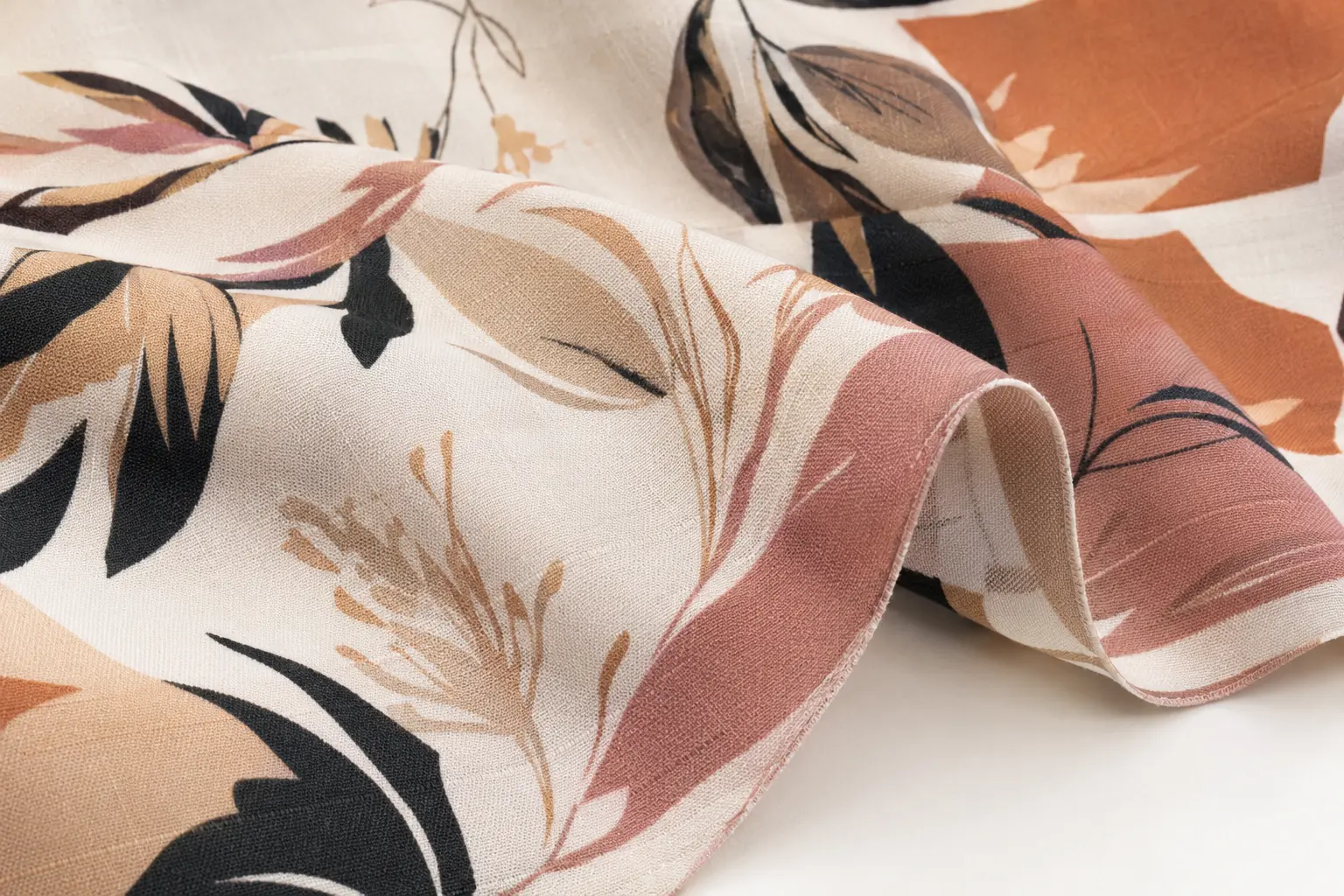
Digital printing can reproduce fine lines, gradients and complex color combinations
Matching the Ink to the Fabric
There is no single ink that is ideal for every textile. Reactive inks are commonly used for cellulose fibers such as cotton and viscose. Disperse or sublimation systems are suited to polyester. Acid inks are often selected for silk and nylon, while pigment systems can work across a broader range of fabrics.
The best option depends on the fabric composition, color target, hand feel, durability requirements and final garment use. Testing the actual bulk fabric is important because the same artwork can appear different on different constructions and surface textures.
Why Fashion Brands Choose Digital Printing
- More design freedom: Fine detail, gradients and large color ranges can be reproduced without creating multiple screens.
- Faster development: New artwork and colorways can move from file to sample quickly.
- Flexible quantities: The reduced screen setup makes digital printing attractive for sampling, limited collections and market testing.
- Easy customization: Scale, placement and color can be adjusted digitally before production.
- Consistent repeatability: Approved files and color profiles make future reorders easier to manage, subject to fabric and production variables.
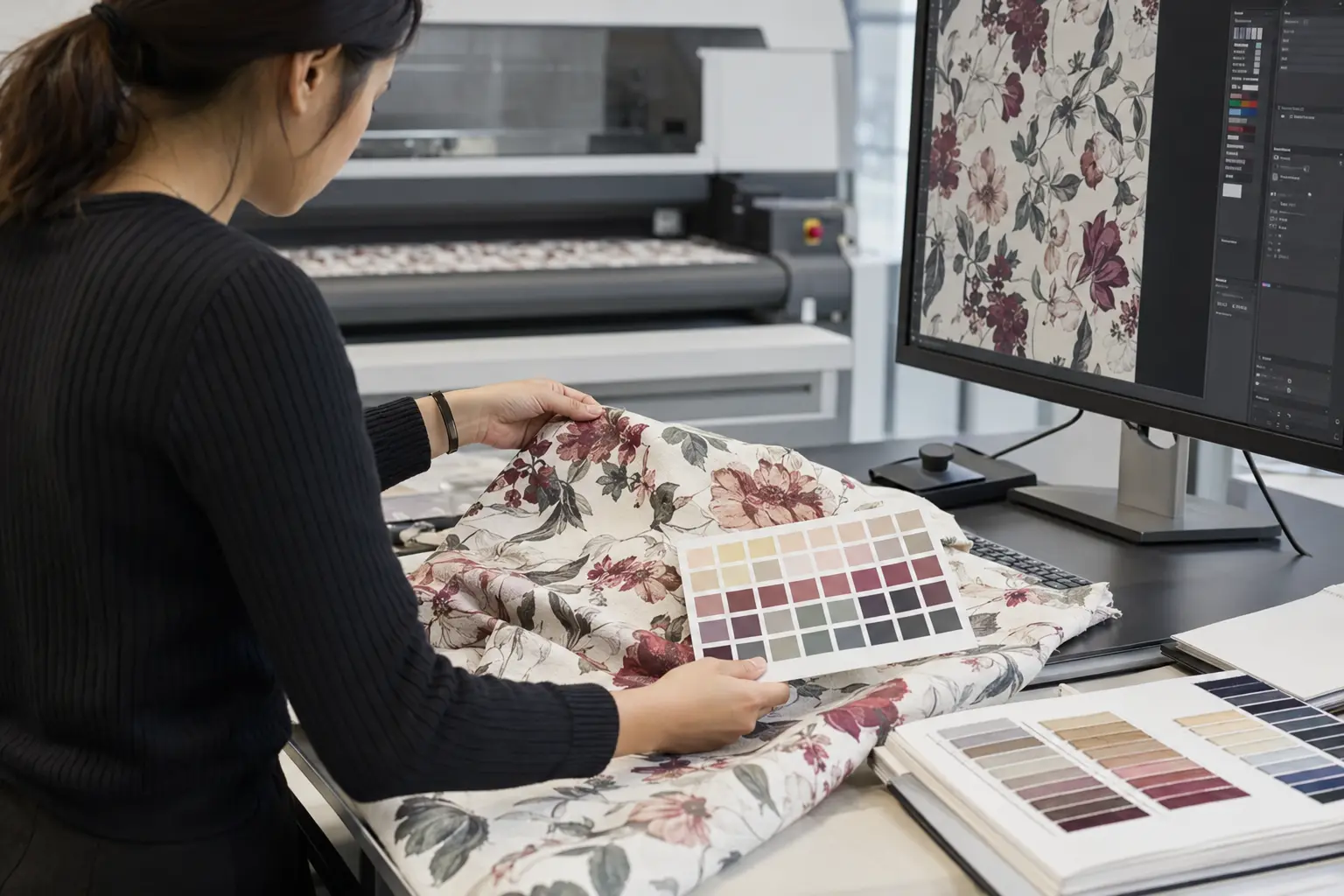
Color control and inspection connect the approved digital file to the final fabric.
What Determines Print Quality?
A strong print is not defined by color alone. Fabric preparation, artwork resolution, color profiling, ink compatibility, fixation and finishing all influence the final result. During development, brands should confirm the print scale, strike-off color, fabric hand feel, shrinkage and required colorfastness before bulk production.
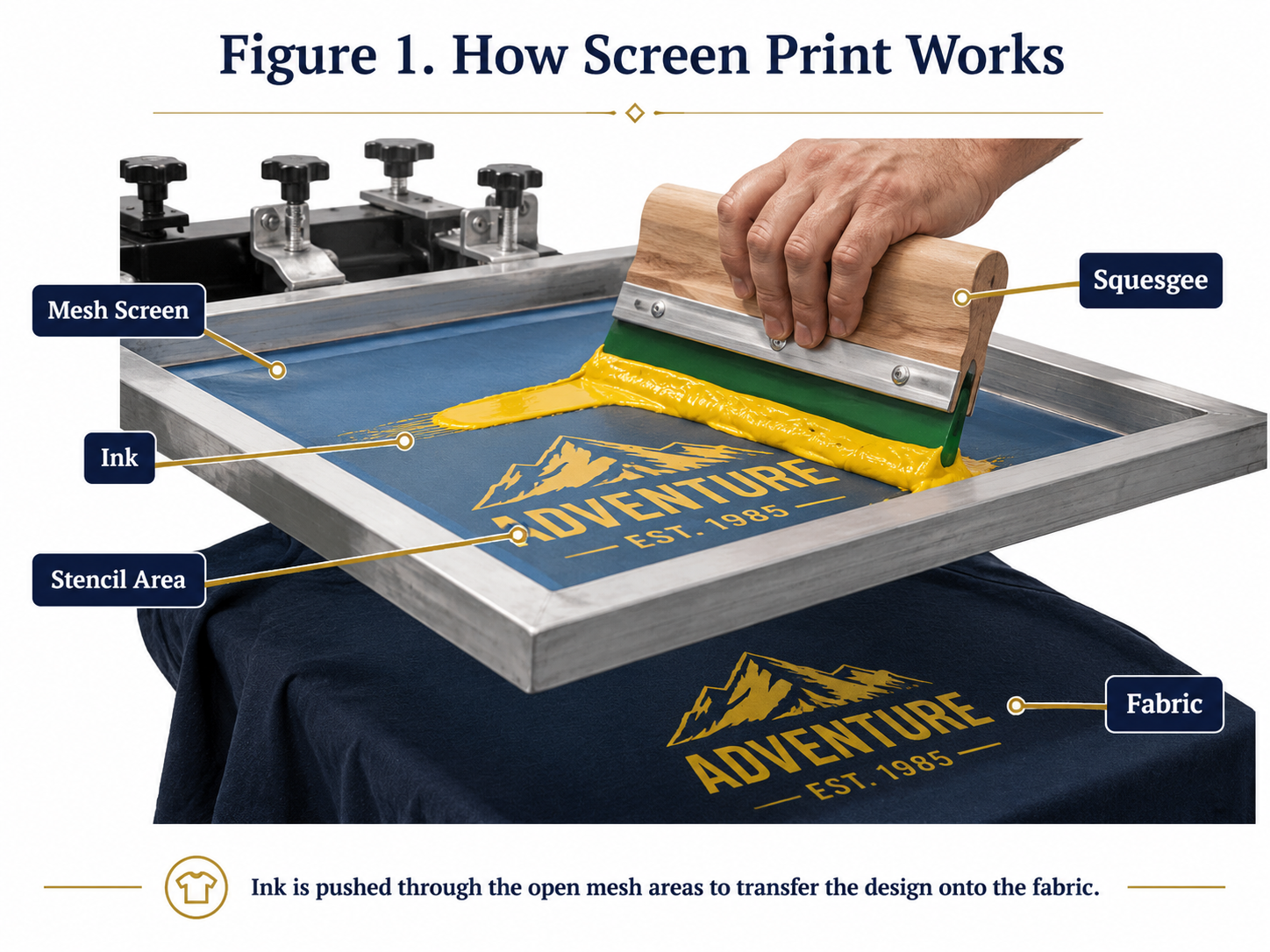
Digital printing is not automatically the best process for every order. Very large runs with simple, limited-color artwork may still suit screen printing. The right choice should balance design complexity, fabric type, quantity, quality target, lead time and cost.
Start With the Right Information
For an accurate custom-print assessment, prepare your artwork, fabric composition, fabric weight, print dimensions, color reference, garment style and estimated order quantity. With these details, the manufacturer can recommend a suitable printing route and develop a more reliable sample.
Planning a custom printed womenswear collection? Send us your artwork and project requirements to discuss fabric, sampling and production options.
Reference Links:
digital textile printing science and technology
traditional textile printing techniques



Very Useful