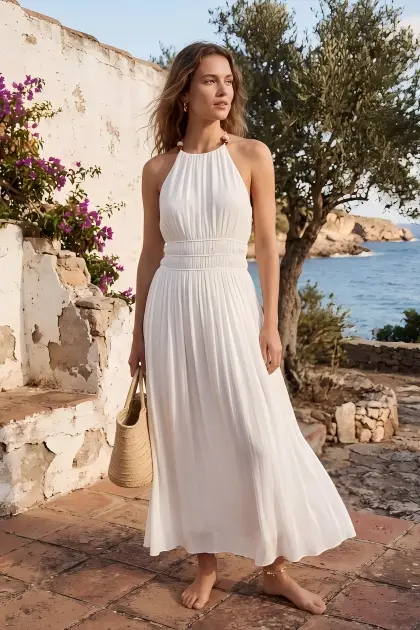
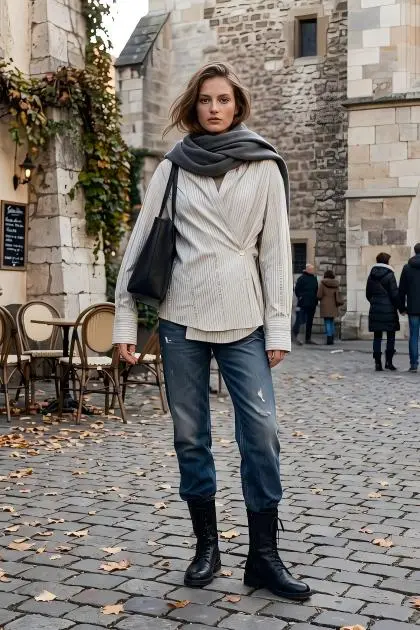
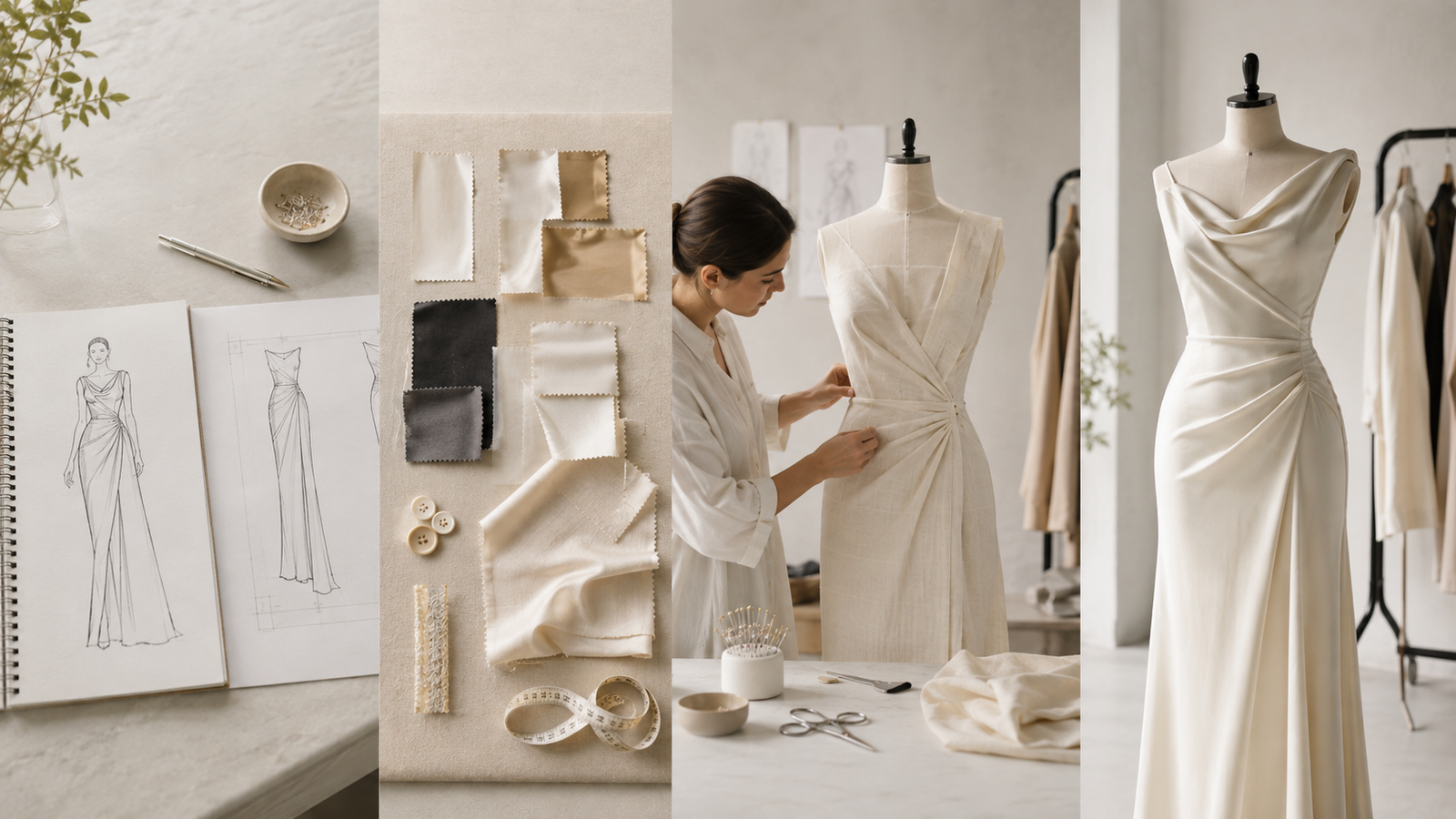
Turning a dress idea into a production-ready garment involves more than sending a reference photo to a factory. Fabric, fit, construction, trims, workmanship and order quantity can all affect the final result.
At Shengfu Textile, we support fashion brands through the complete custom dresses development process, from design evaluation and fabric sourcing to sampling, bulk production and quality control.
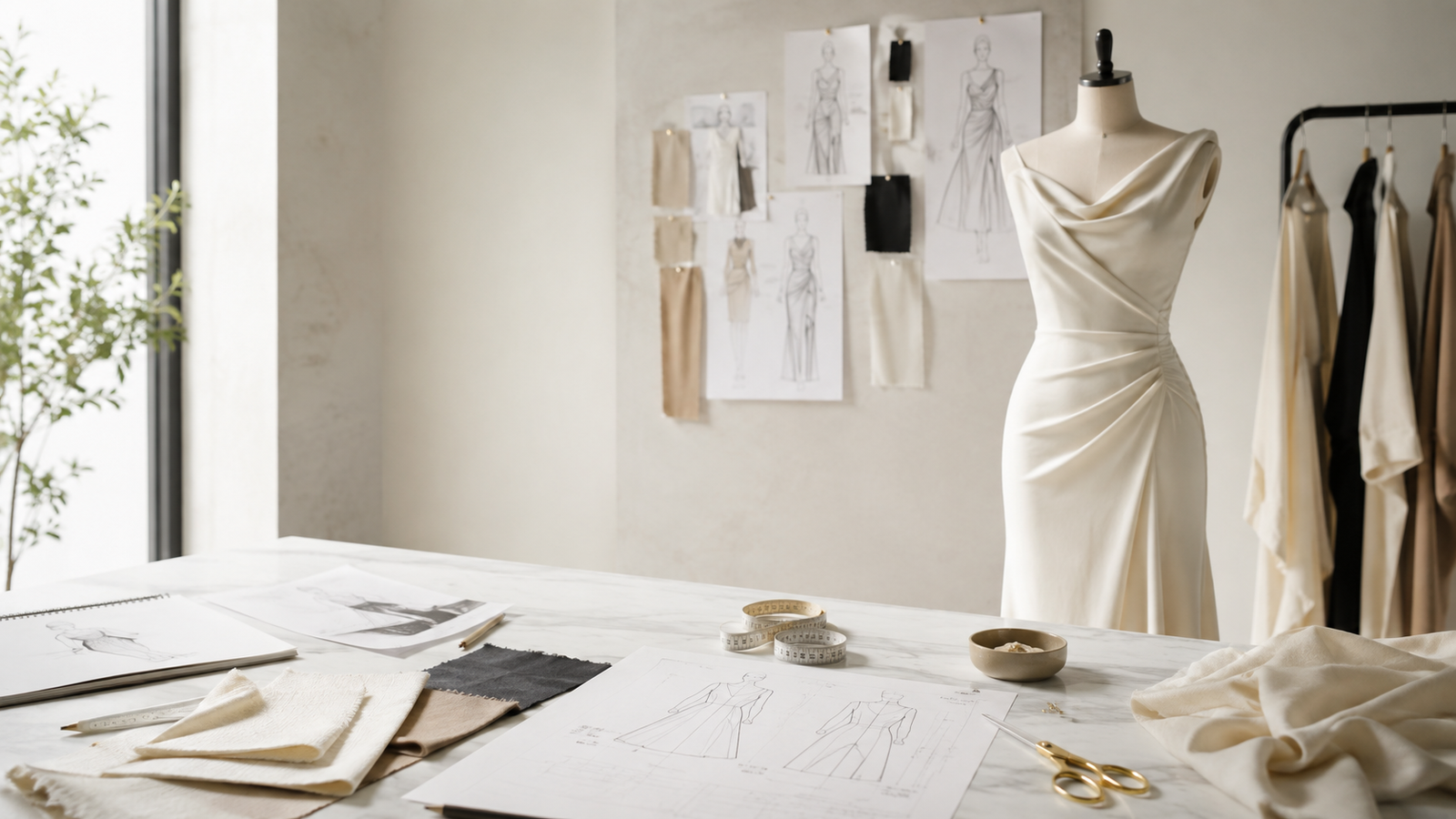
1. Send Us Your Custom Dresses Design
The first step is helping us understand what you want to produce.
You can send:
- A tech pack
- Fashion sketches
- Reference photos
- Measurement specifications
- Fabric requirements
- Color references
- Logo and label requirements
- Estimated order quantity
A detailed tech pack helps us quote and develop the product more accurately. However, you can still contact us if you only have sketches or reference images.
Our team can review the design and identify important construction details before sampling starts.
2. Choose the Fabric and Details
Fabric affects the appearance, comfort, drape and cost of a dress. Therefore, choosing the correct material early can prevent unnecessary sample revisions.
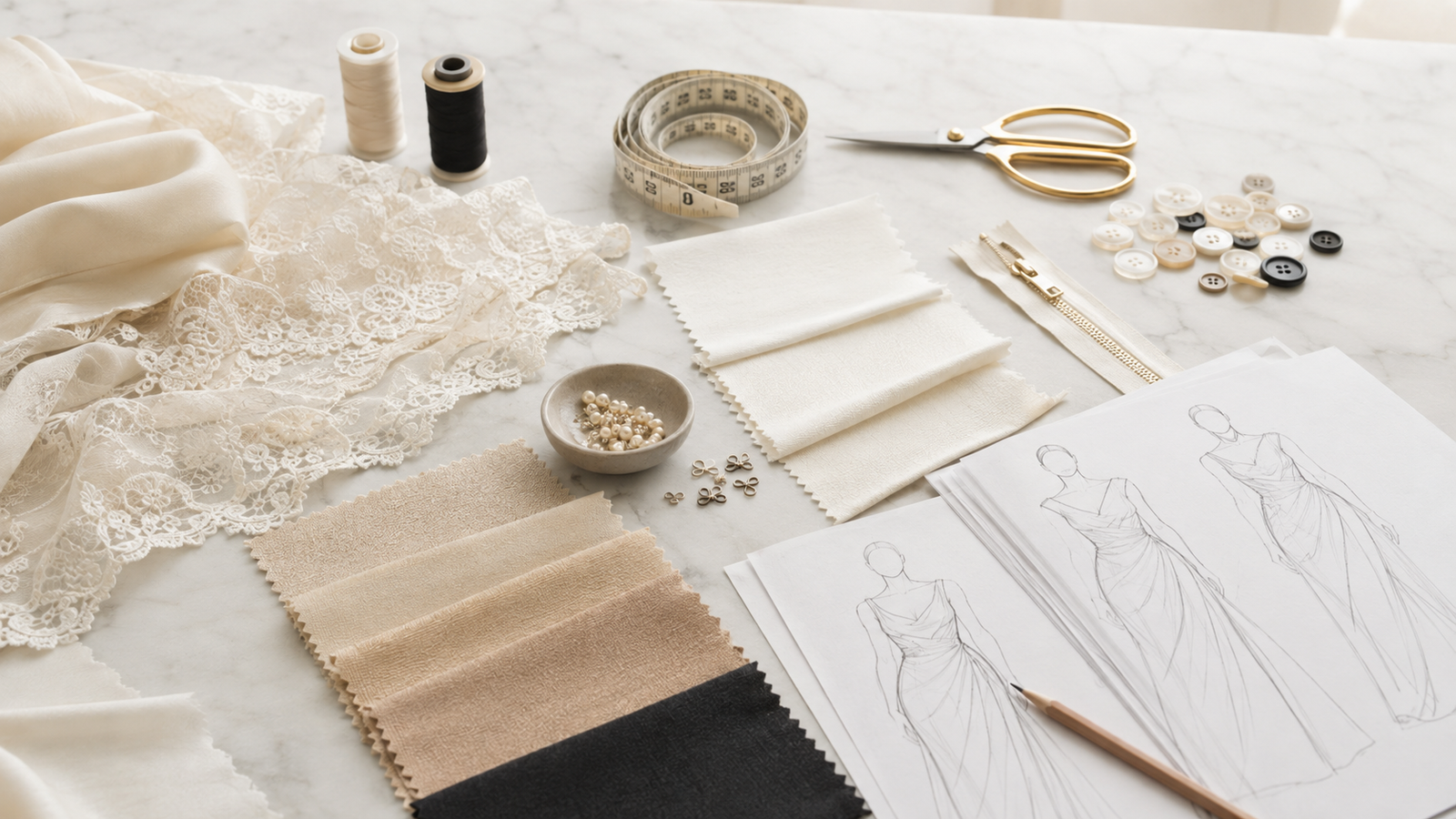
Depending on the design, Shengfu can assist with sourcing fabrics, linings, zippers, buttons, lace, embroidery materials and other trims.
For example, a flowing maxi dress may require a lightweight woven fabric, while a structured corset dress needs stronger materials and internal support.
We can also discuss custom processes such as:
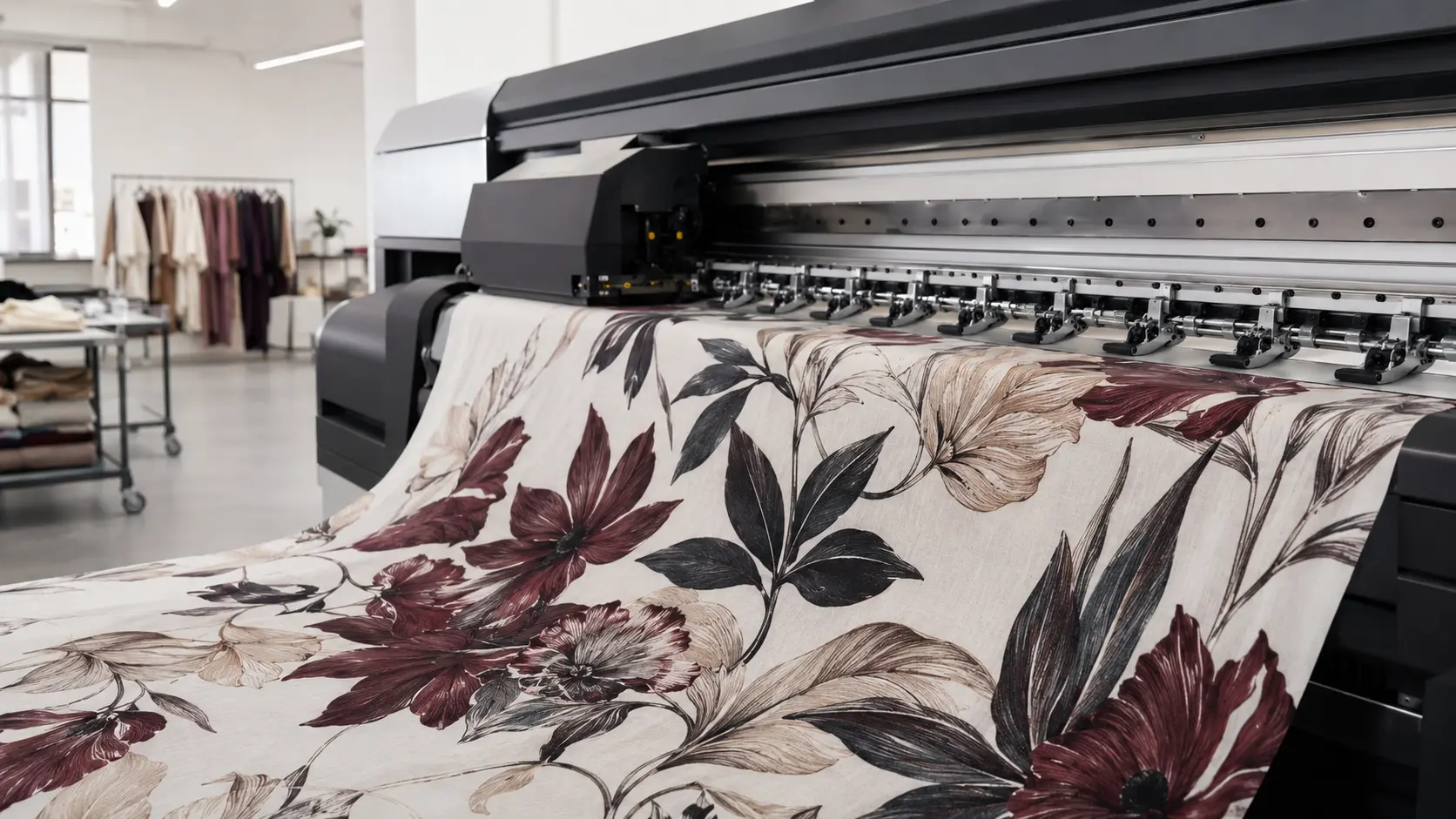
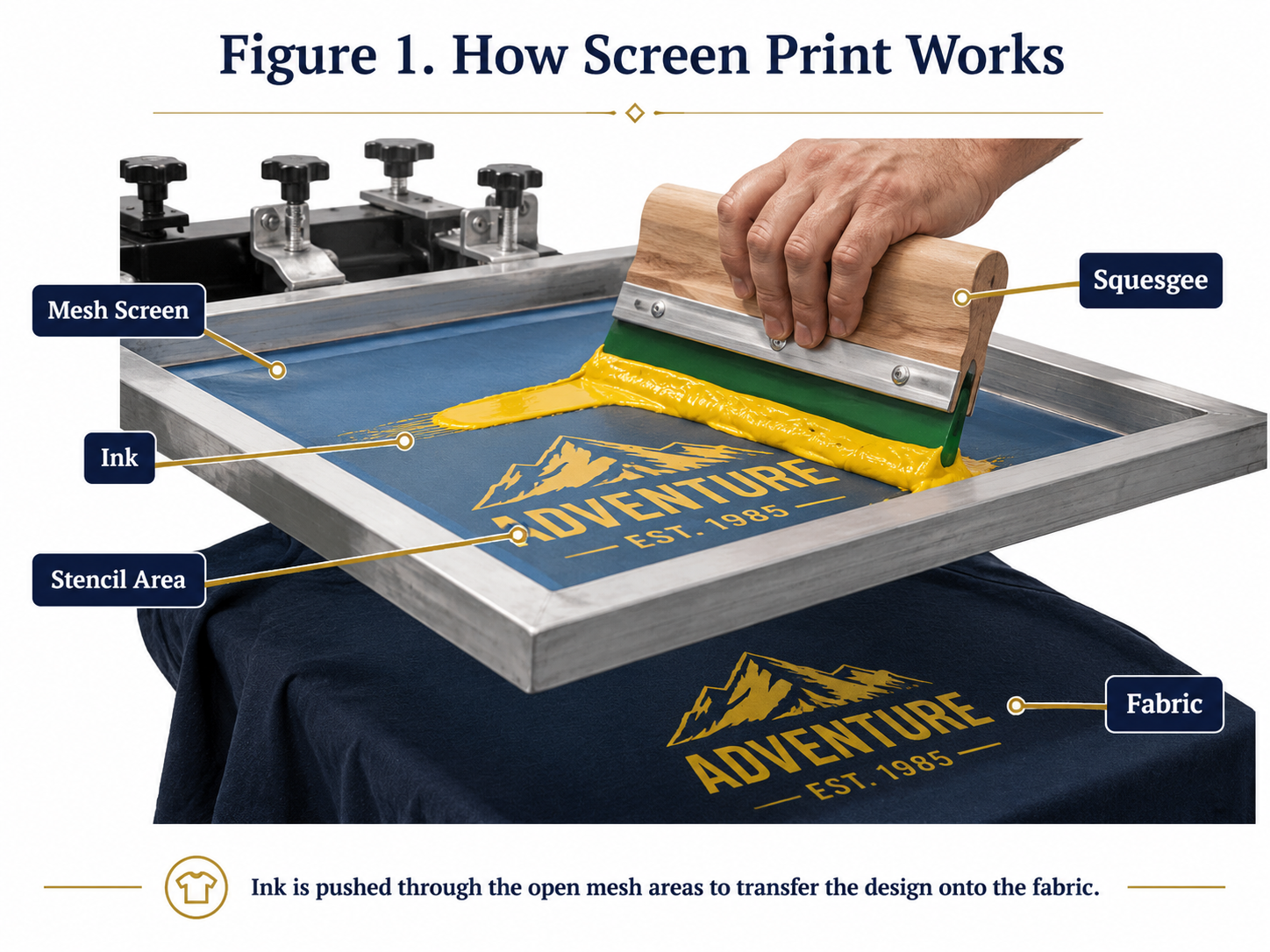
Digital printing · Embroidery · Pleating · Beading · Sequins · Custom labels · Custom trims
3. Make the First Custom Dresses Sample
Sampling turns the design into a real garment.
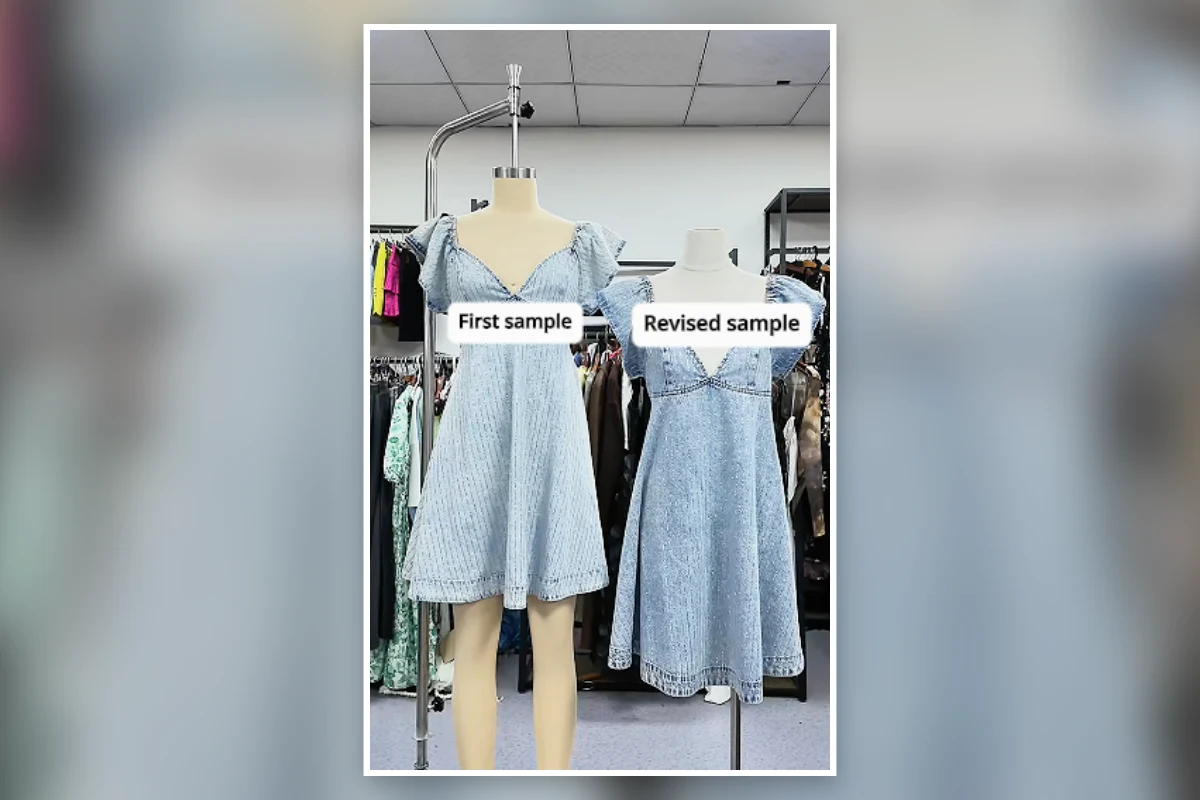
Our sample team checks the pattern, proportions, fabric behavior and construction method. After completing the first sample, you can evaluate areas such as:
Fit → Length → Neckline → Waist → Sleeve → Fabric → Color → Details
If something needs adjustment, we revise the specifications before moving forward.
This stage matters because fixing a problem during sampling usually costs less than correcting hundreds of garments during bulk production.
4. Confirm the Sample and Production Details
Once you approve the sample, we confirm the final production requirements.
These normally include:
- Final measurements
- Fabric and color
- Trims and accessories
- Labels and packaging
- Quantity
- Size breakdown
- Special workmanship
- Delivery requirements
MOQ depends on the design, fabric and production process. Custom dyeing, printing, embroidery or specially developed trims can also affect the minimum quantity.
Therefore, brands should confirm the MOQ for each project rather than assuming one minimum applies to every custom dress.
5. Bulk Production and Quality Control
After approval, we prepare materials and arrange bulk production.
The workflow typically includes:
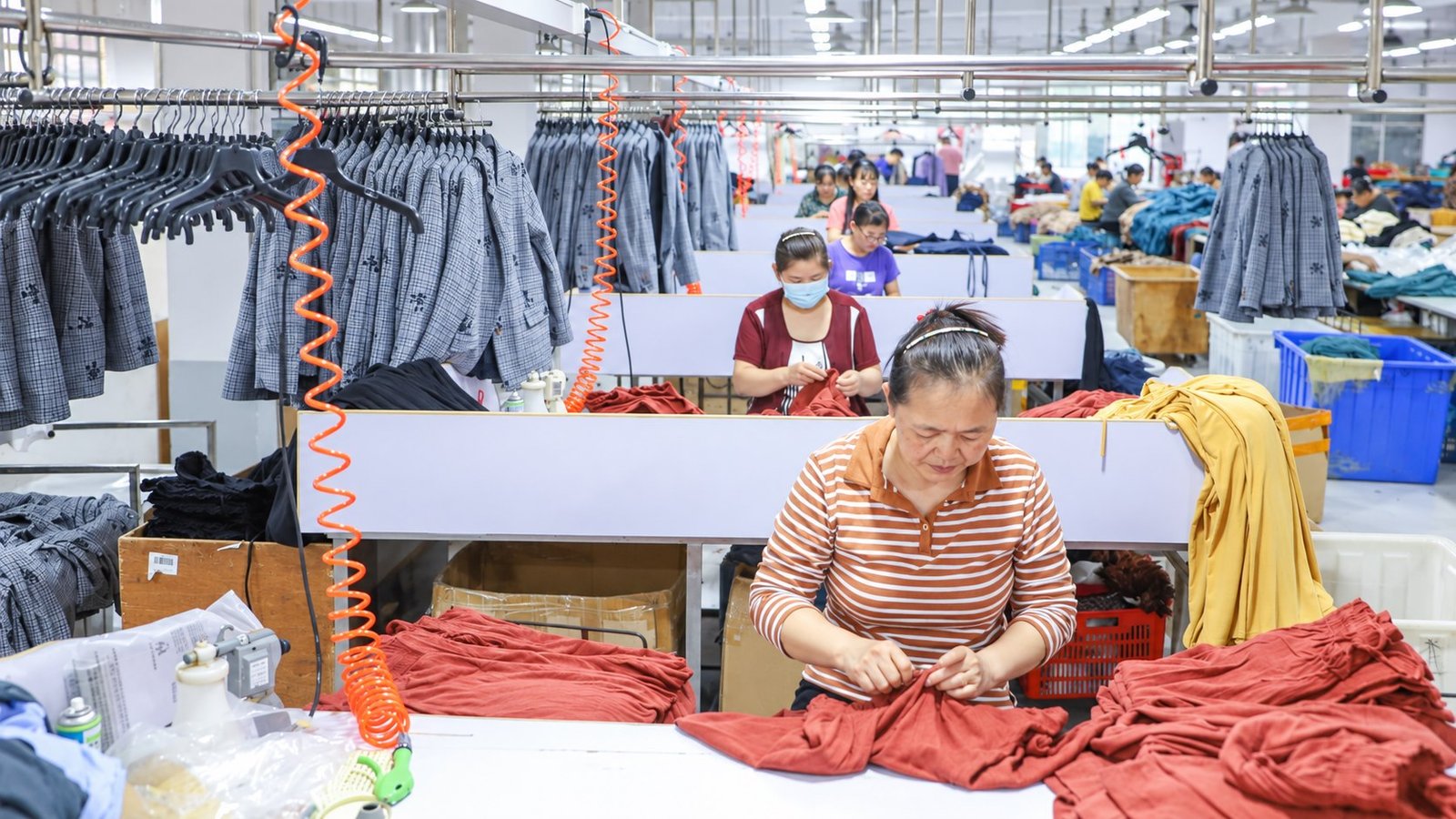
Fabric Inspection → Cutting → Sewing → Special Craftsmanship → Finishing → Quality Inspection → Packing
Our goal is to reproduce the approved sample consistently during bulk manufacturing.
Quality control becomes especially important for dresses with complex details such as corset structures, pleating, embroidery, beading or sequins.
For brands selling into different markets, compliance requirements should also be considered. For example, the U.S. CPSC maintains flammability requirements for clothing textiles, while textile labeling requirements may cover fiber content, country of origin and care information.
Where to Get Custom Dresses for Your Brand?
If you are searching for where to get custom made dresses, do not choose a supplier based only on the lowest quotation.
Instead, check whether the manufacturer can:
- Understand your design accurately
- Source appropriate materials
- Develop reliable samples
- Handle your required craftsmanship
- Maintain quality during bulk production
- Support your expected MOQ and lead time
Shengfu Textile supports OEM/ODM development, fabric sourcing, sampling, bulk manufacturing and quality control, allowing brands to manage more of the development process with one manufacturing partner.
How Much Does a Custom Dresses Cost?
A common question from new brands is: how much does a custom dress cost?
There is no reliable single price because manufacturing cost depends on the product itself.
The main factors include:
Fabric + Consumption + Construction + Trims + Craftsmanship + Quantity + Packaging
For example, a simple slip dress normally requires less labor than a structured dress with boning, lining, embroidery and hand-applied beads.
Order quantity can also affect unit cost because fabric purchasing, pattern development and production setup need to be distributed across the order.
For this reason, the most accurate way to receive a quotation is to send your design, preferred fabric and estimated quantity.
How to Custom Dresses With Shengfu
The process can be simple:
1. Send your design → 2. Review materials → 3. Receive quotation → 4. Develop sample → 5. Revise and approve → 6. Start bulk production → 7. Quality inspection → 8. Packing and delivery
A successful custom dress project starts with clear communication rather than production speed alone.
If you are developing a new collection, Shengfu Textile can help turn your sketches, tech packs or reference designs into production-ready custom dresses for your brand.
Have a dress design ready? Send us your reference image, tech pack or sketch to discuss fabric, MOQ, sampling and production options.
References & Further Reading
- U.S. Federal Trade Commission — Apparel and Labeling
FTC Apparel and Labeling Guidance - U.S. Federal Trade Commission — Textile and Wool Labeling Requirements
FTC Textile Labeling Guide - U.S. Consumer Product Safety Commission — Clothing Requirements
CPSC Clothing Guidance - OEKO-TEX® STANDARD 100 — Textile Safety Standard
OEKO-TEX STANDARD 100