Article Summary
What is a quote? In clothing manufacturing, a quote is a factory’s written price offer based on a defined garment, fabric, construction, quantity, quality standard, packaging and delivery term. A useful quote tells you what the price includes—not only the cost per piece. If you want to know how to get a quote that you can trust, send every factory the same clear product information and compare the assumptions behind each number.
Jump to:
What Is a Quote in Clothing Manufacturing?
A clothing manufacturing quote, also called a quotation, states the price and commercial conditions under which a factory can produce your garment. A complete quote should connect the unit price to a specific product specification.
At minimum, the quotation should identify:
- the style and version being priced;
- fabric composition, construction, weight and finish;
- important trims and sewing details;
- order quantity and colour breakdown;
- packing requirements;
- delivery terms, such as EXW or FOB;
- sample, testing or development charges; and
- how long the quote remains valid.
A number without these assumptions is only an estimate. However, many brands compare quotations as if every factory priced the same garment. That creates risk before sampling even starts.
Why Can Two Factories Quote the Same Garment So Differently?
Imagine sending one dress design to three factories and receiving these prices:
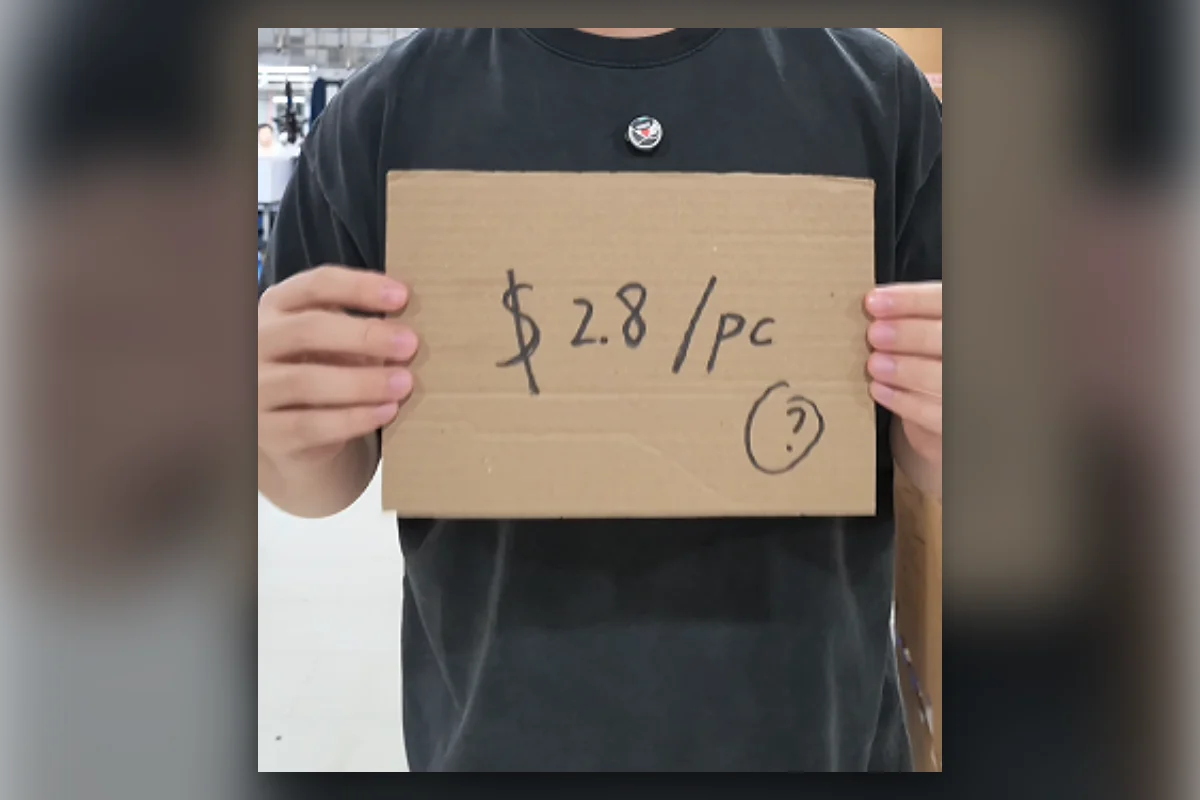
- Factory A: $2.80 per piece
- Factory B: $4.10 per piece
- Factory C: $5.30 per piece
Factory A looks like the obvious choice. Before deciding, ask whether all three factories priced the same fabric, lining, seam construction, trims, quantity, quality control, packaging and delivery term.
One factory may assume a light stock fabric. Another may include custom dyeing and a heavier GSM. One may include individual packing and final inspection; another may exclude them. The lowest price can simply describe a different product.
Procurement professionals use the idea of total cost of ownership because the supplier invoice does not capture every cost. In garment production, brands should also consider sample revisions, rework, delay, rejected units, returns and excess freight.
Compare These Six Items Before Choosing a Quote
1. Fabric Specification
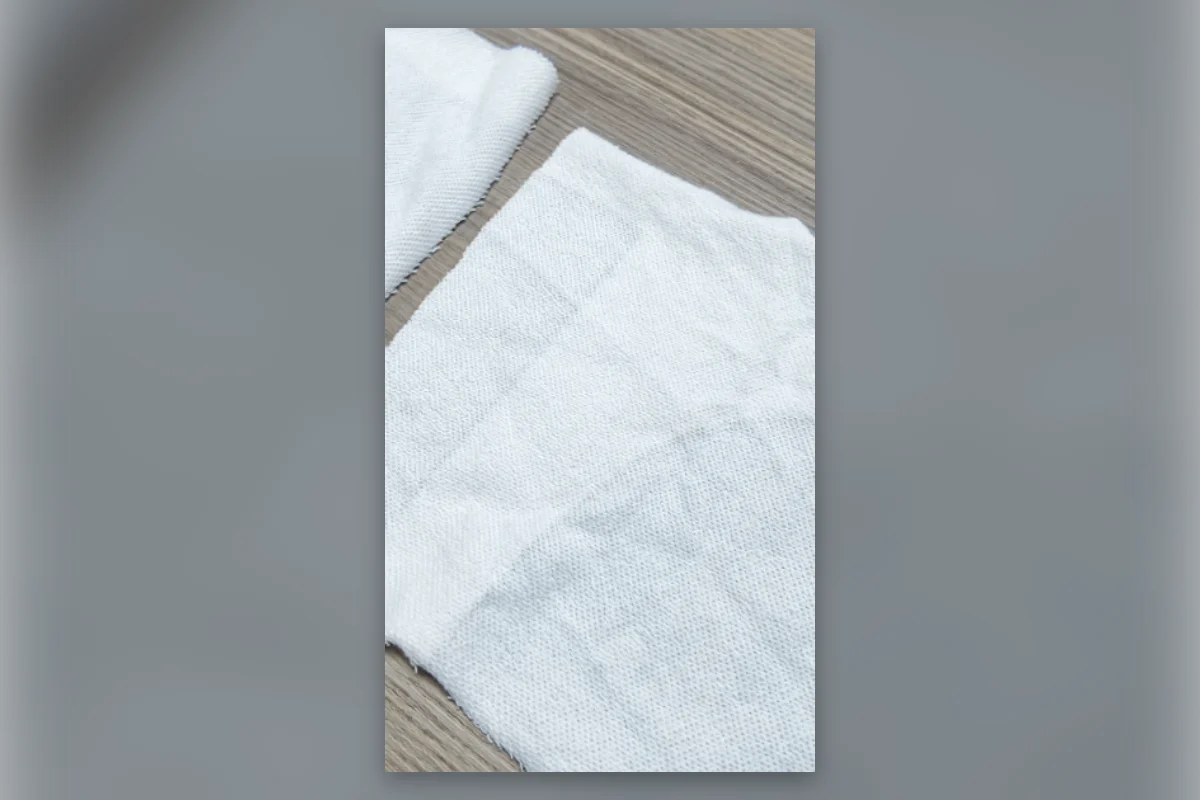
Fabric often makes up a large share of garment cost. Confirm composition, fabric construction, GSM, usable width, stretch, finish and colour route. Ask whether the factory priced stock material or custom development.
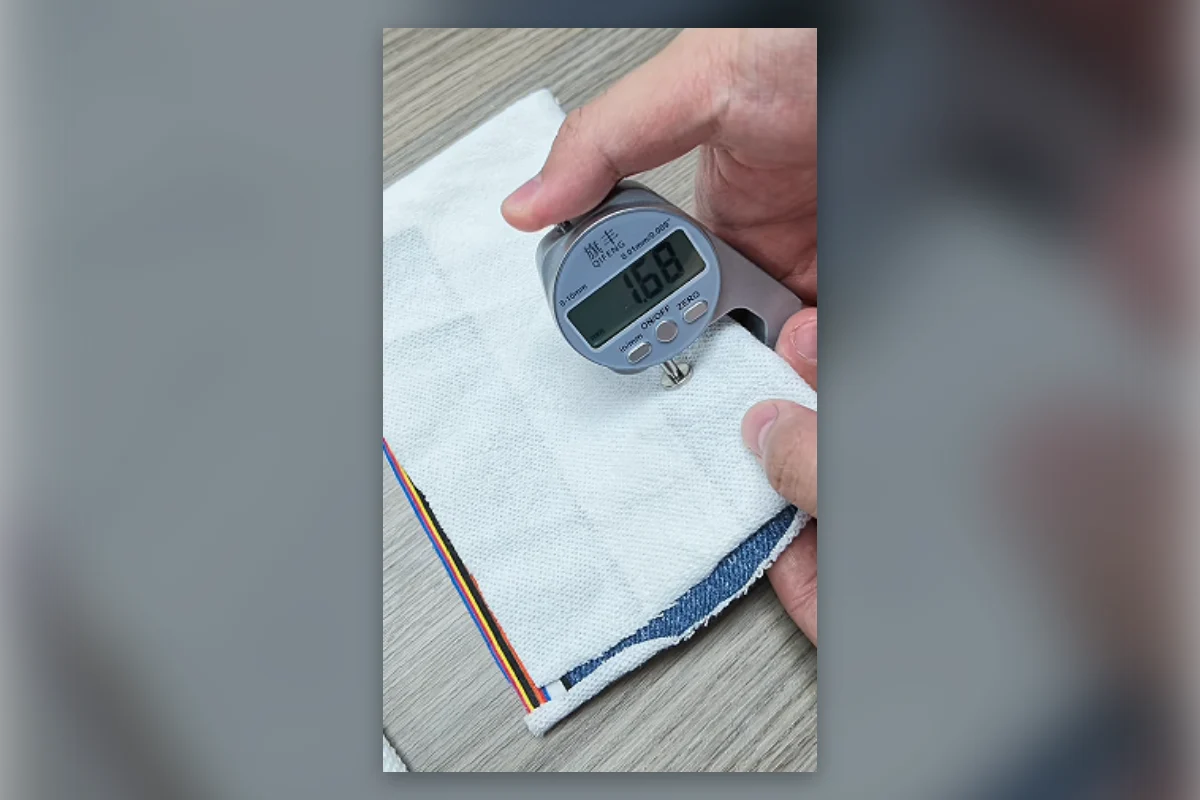
For example, replacing a 220 GSM fabric with a 160 GSM option may lower the quote. However, it may also change opacity, structure and fit. The price becomes cheaper because the product changed.
2. Construction and Workmanship
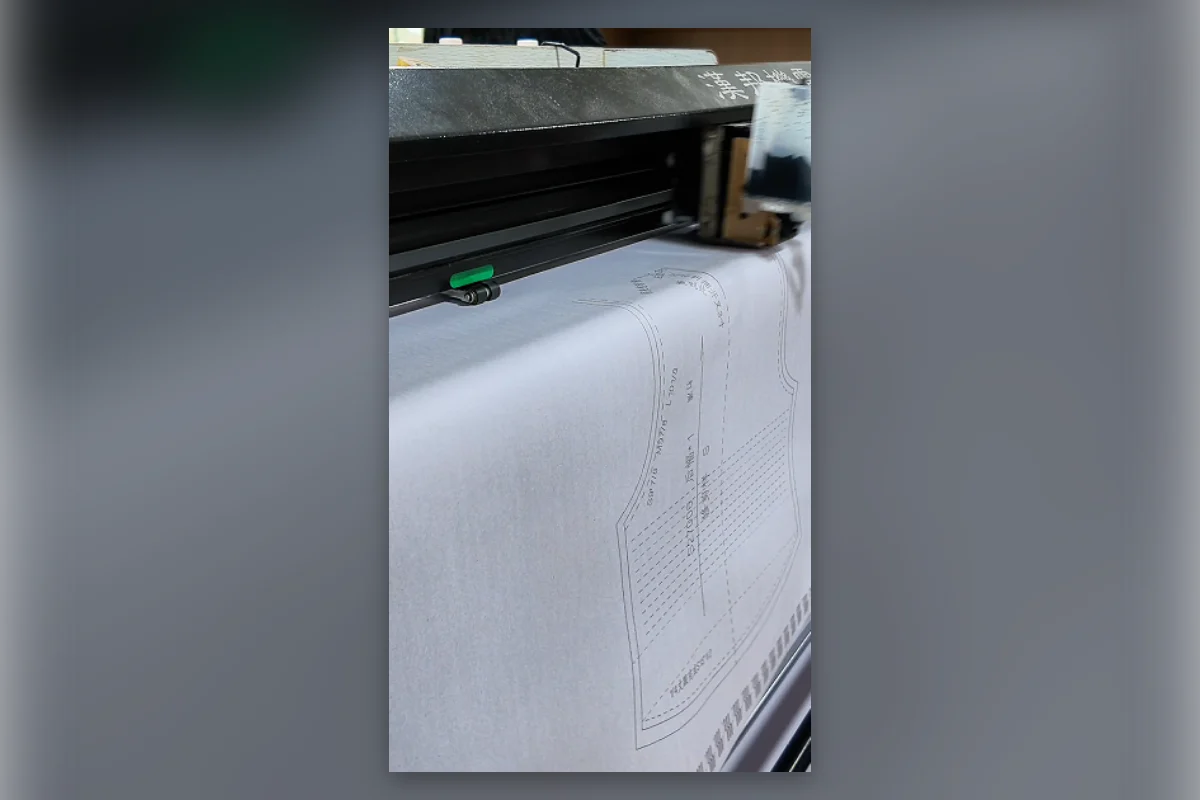
Photos do not show every internal construction detail. A basic overlock seam costs differently from a French seam. A single-layer dress costs differently from a fully lined style. Internal support, binding, topstitching and special hems all add operations.
Use a clear Tech Pack so every factory reads the same construction requirements. Our factory-ready Tech Pack guide explains the measurements, construction notes, BOM and artwork that help us quote accurately.
3. Trims and Accessories
“Button included” does not define a stock plastic button, a custom metal button or engraved logo hardware. Confirm zippers, elastic, lace, hooks, labels, hangtags, polybags and cartons. Small differences become meaningful across hundreds of garments.
4. Quantity and MOQ
A $3 quote for 5,000 pieces is not comparable with a $4 quote for 300 pieces. Pattern preparation, fabric minimums, print screens, embroidery programming and line setup must spread across the order.
Make every factory quote the same quantity, style mix and colour breakdown. If you need a smaller run, read our guide to MOQ meaning and small-order unit cost.
5. Quality Standard
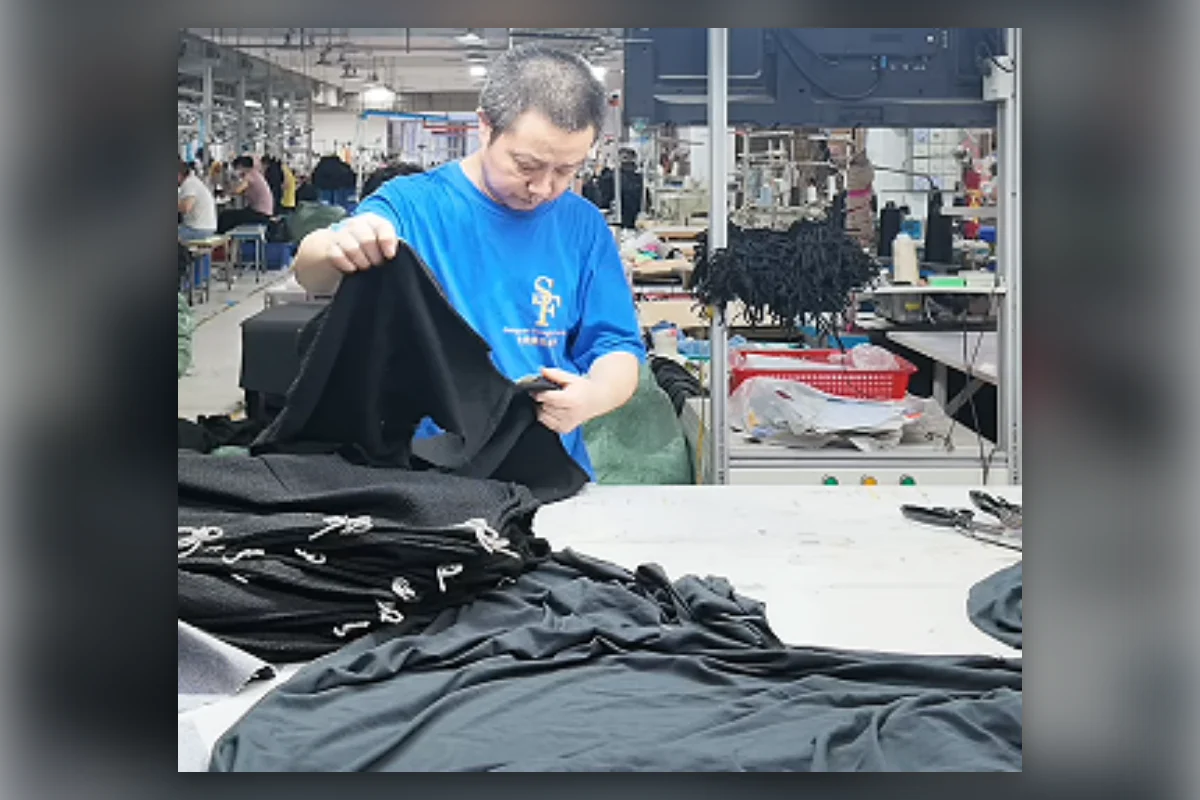
Agree on measurements, tolerances, shade, fabric defects, stitching, trims, workmanship and packing before comparing prices. A quote that excludes adequate quality control can create rework or rejected stock later.
At Shengfu, we apply AQL 1.5 to finished-garment inspection. Our What Is AQL guide explains defect classes, inspection levels and sampling in practical terms.
6. Delivery and Commercial Terms
Check whether the price uses EXW, FOB or another Incoterm. Ask whether it includes export cartons, testing, inland transport, sample charges and special packaging. A cheaper ex-factory price can become a more expensive landed product when excluded items appear later.
Where Can a Cheap Quote Become Expensive?
More Sample Rounds
If the first sample uses the wrong fabric or simplified construction, your team must comment, revise and review again. Even when the quoted unit price stays low, extra development time can delay the entire launch.
Rework and Defects
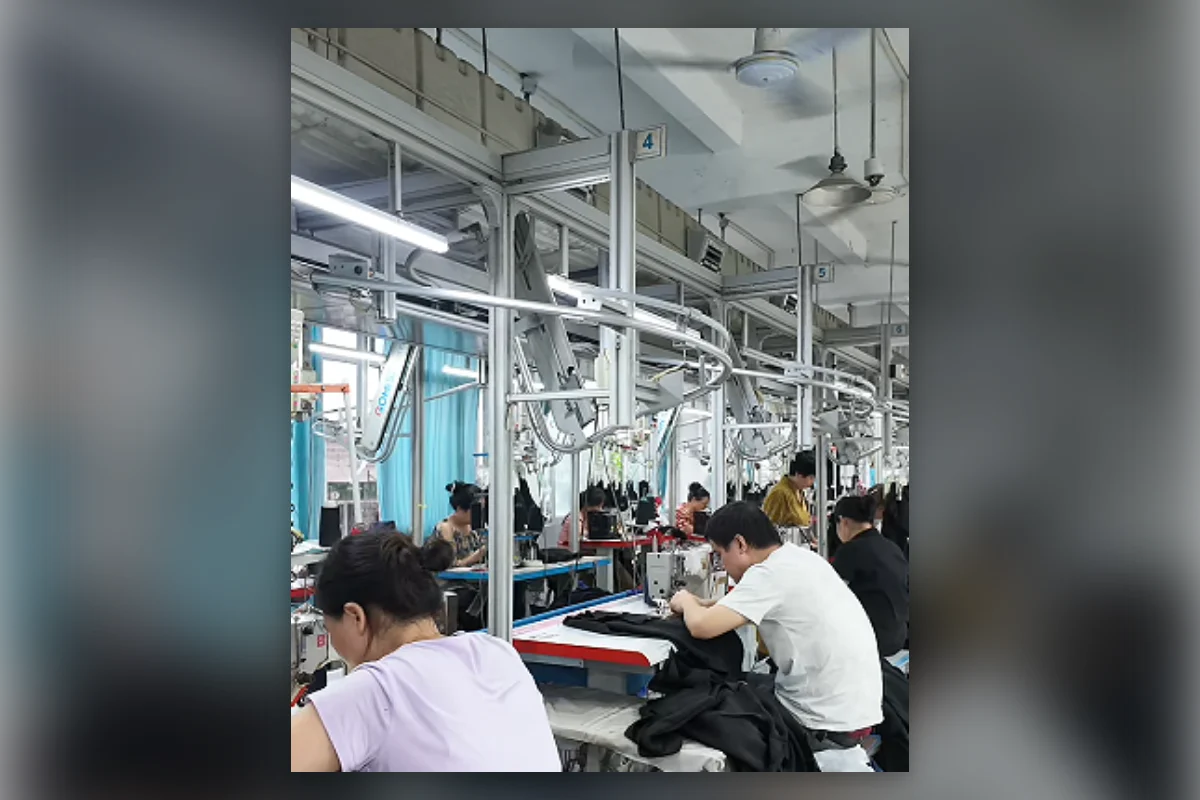
Open seams, inaccurate measurements or poor finishing require repair. Rework uses production capacity and may push the shipment date. If the factory cannot correct the issue, the brand may receive unsaleable units.
Late Delivery
Delay can mean missing a campaign, losing part of a selling season, postponing photography or paying for faster freight. These costs never appear in the original unit price, but the brand still pays them.
Returns and Reputation
Customers judge the label inside the garment, not the factory that produced it. Fit problems, shade variation and broken stitching can increase returns and weaken trust in the brand. Therefore, the useful question is not “Who offered the lowest FOB?” It is “What will this product cost after development, production and delivery?”
Does a Low Quote Always Mean Low Quality?
No. A capable factory may offer a competitive price because it uses efficient production, strong material sourcing, specialised equipment or a construction method that saves labour without damaging the product.
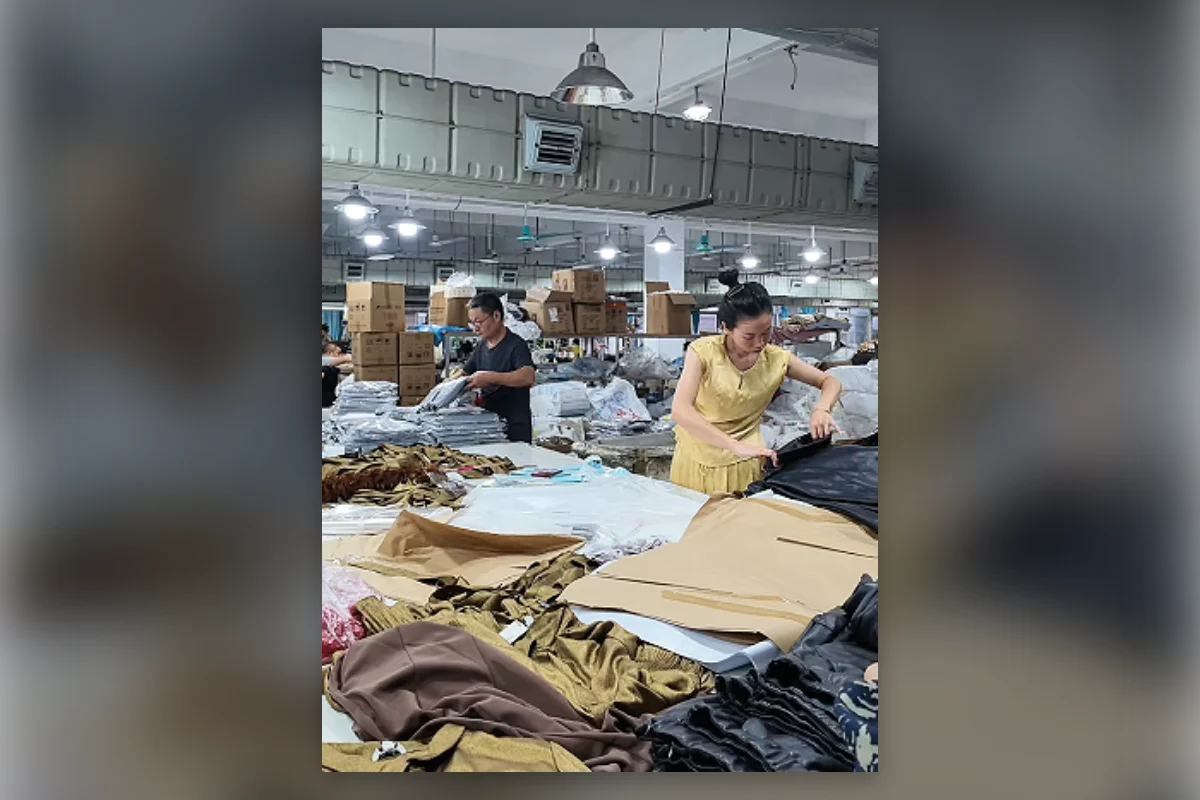
Ask the supplier to explain the saving. “We already buy this fabric and can combine your mill order” gives you a specific reason. “Same quality, do not worry” does not give you enough information to judge the risk.
How to Get a Quote From a Clothing Manufacturer
If you are wondering how to get a quote, prepare one clear request package and send the same version to each shortlisted factory.
- Send the design. Include a Tech Pack, technical sketch or clear front, back and detail references.
- Define the fabric. State composition, construction, GSM, stretch, colour and finish—or explain the performance you need.
- List construction requirements. Call out lining, seam types, support, trims, printing, embroidery and washing.
- Give the quantity. Show the total quantity plus the style, colour and size breakdown.
- Describe packaging. Include labels, hangtags, polybags, cartons and any retailer-specific requirements.
- State the delivery destination and term. Ask for EXW or FOB clearly so you can compare like with like.
- Share the target date. Include sample approval and bulk delivery timing.
- Mention the target price carefully. A realistic target helps the factory suggest alternatives, but it should not replace a complete specification.
After receiving the quote, ask for clarification on any missing item. You do not need every factory to reveal its entire internal costing sheet; however, you do need enough detail to confirm that each supplier priced the same product.
How Shengfu Prepares a More Reliable Clothing Quote
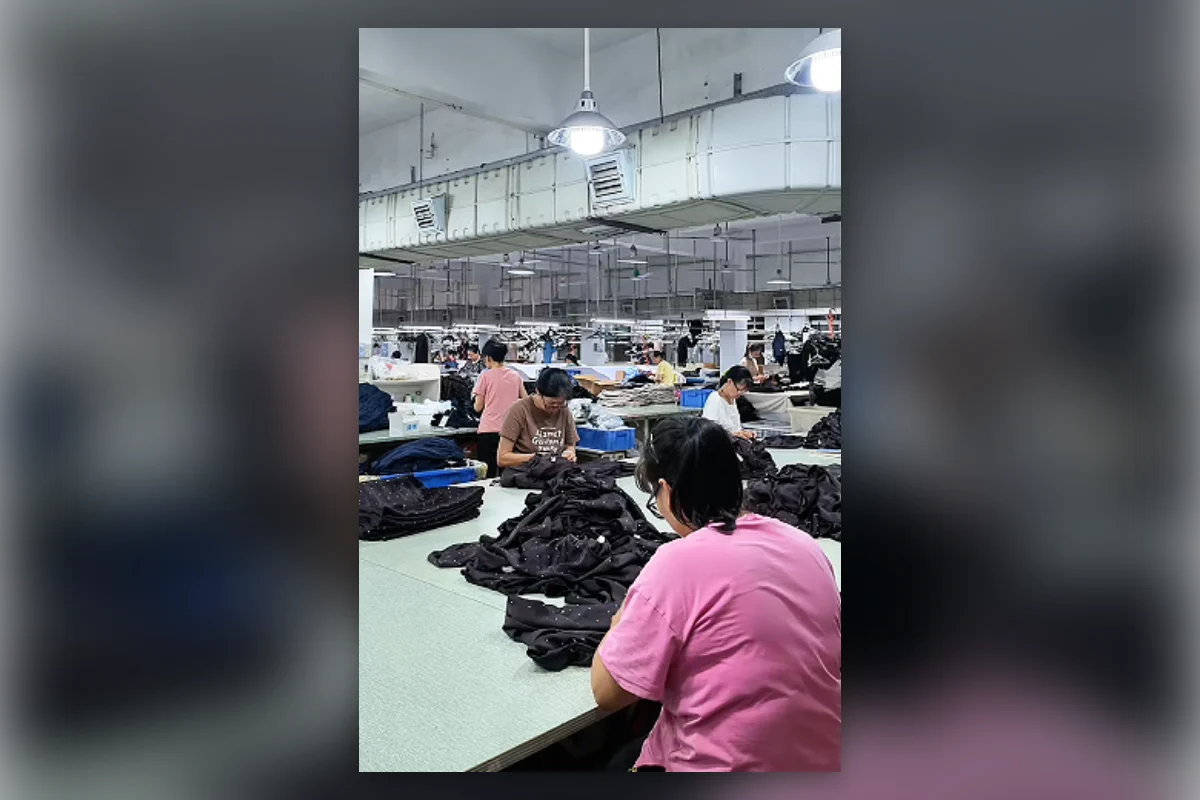
Shengfu is a womenswear factory in Humen, Dongguan. We review the design, fabric route, construction, trims, quantity, colour split, quality requirements, packaging and delivery target before we confirm a quotation.
If the first price exceeds your target, we prefer a practical discussion. We can review fabric availability, construction methods, trims, colourways and quantity while protecting the details that define your product. We do not recommend quietly reducing quality to produce an attractive number.
Send Shengfu your Tech Pack or design references, target fabric, quantity, target cost and launch date. We will identify missing information, explain the main cost drivers and prepare a quote that your brand can evaluate clearly.
Frequently Asked Questions
What is a quote?
A quote is a supplier’s written price offer for a defined product and set of commercial conditions. In clothing manufacturing, it should connect the unit price to fabric, construction, quantity, packaging, quality requirements and delivery terms.
How do I get a quote from a clothing manufacturer?
Send a Tech Pack or clear design reference, fabric requirements, construction details, colour and size breakdown, quantity, packaging, delivery destination and target date. Use the same information for every factory so you can compare the responses.
Why can two clothing factories quote different prices?
Their assumptions may differ. Fabric GSM, construction, trims, MOQ, finishing, quality control, packaging and delivery terms can all change the price. Ask each factory to confirm what it included.
Does a lower clothing quote always mean lower quality?
No. Efficient sourcing, equipment or specialisation can create a genuine saving. Ask the factory to explain the reason so you can confirm that it has not changed your specification.
Should I give a factory my target price?
Yes, if the target is realistic and you also provide the product requirements. It helps the factory discuss material or construction options without guessing which features matter most to your brand.
Can Shengfu help if the first quote exceeds my budget?
Yes. Send your target cost and identify the non-negotiable product details. We can review fabric, trims, construction, colours and quantity, then explain which adjustments may lower cost without undermining the design.
References
- CIPS — Total Cost of Ownership: explains why procurement decisions should consider acquisition, processing, scrap and rework as well as purchase price.
- ISO — ISO 2859-1:2026: the international standard for AQL-indexed lot-by-lot acceptance sampling.
- SGS — Source Inspection: discusses how production-stage inspection can identify quality issues and reduce rework risk.
- Intertek — Textile and Apparel Inspection: outlines in-line, final and finished-goods apparel inspection.
- Shengfu — What Is AQL?: our factory guide to defect categories, inspection levels and the AQL 1.5 standard.