Article Summary
What is a clothing tech pack? It is the working specification that translates a fashion design into instructions a garment factory can quote, sample and produce. A useful Tech Pack connects technical flats, measurements, points of measure, materials, construction, colour and revision history. An AI clothing tech pack can accelerate the first draft; however, a factory still needs to verify fit logic, fabric behaviour, construction and production feasibility before using it for bulk.
Jump to:
What Is a clothing tech pack?
A Tech Pack, or technical package, gives a clothing manufacturer the information needed to develop and reproduce a garment. It acts as the operational bridge between the designer’s intention and the factory’s pattern, sample, sourcing, sewing and quality teams.
A design image answers, “What should the product look like?” A usable techpack must also answer, “How should we make it, measure it and approve it?”
At Shengfu, we do not judge a Tech Pack by the polish of its layout. We ask whether our pattern maker, merchandiser, sample room and QC team can reach the same interpretation without guessing. If different teams can read the same page and imagine different garments, the document still needs clarification.
Looking Professional Is Not the Same as Being Production-Ready
AI and design software can create attractive garment visuals and organised PDF pages quickly. However, clean presentation does not prove that the measurements work, the seams can be built or the fabric will support the silhouette.
For example, a render may show a perfectly structured neckline. Our factory still needs to know what supports it, whether it needs interfacing, how the neckline turns inside, which seam allowance applies and whether the selected fabric has enough body. A beautiful image can communicate intention, but it cannot replace those decisions.
Five Things a Factory-Ready Clothing Tech Pack Needs
1. Technical Flats That Show Construction
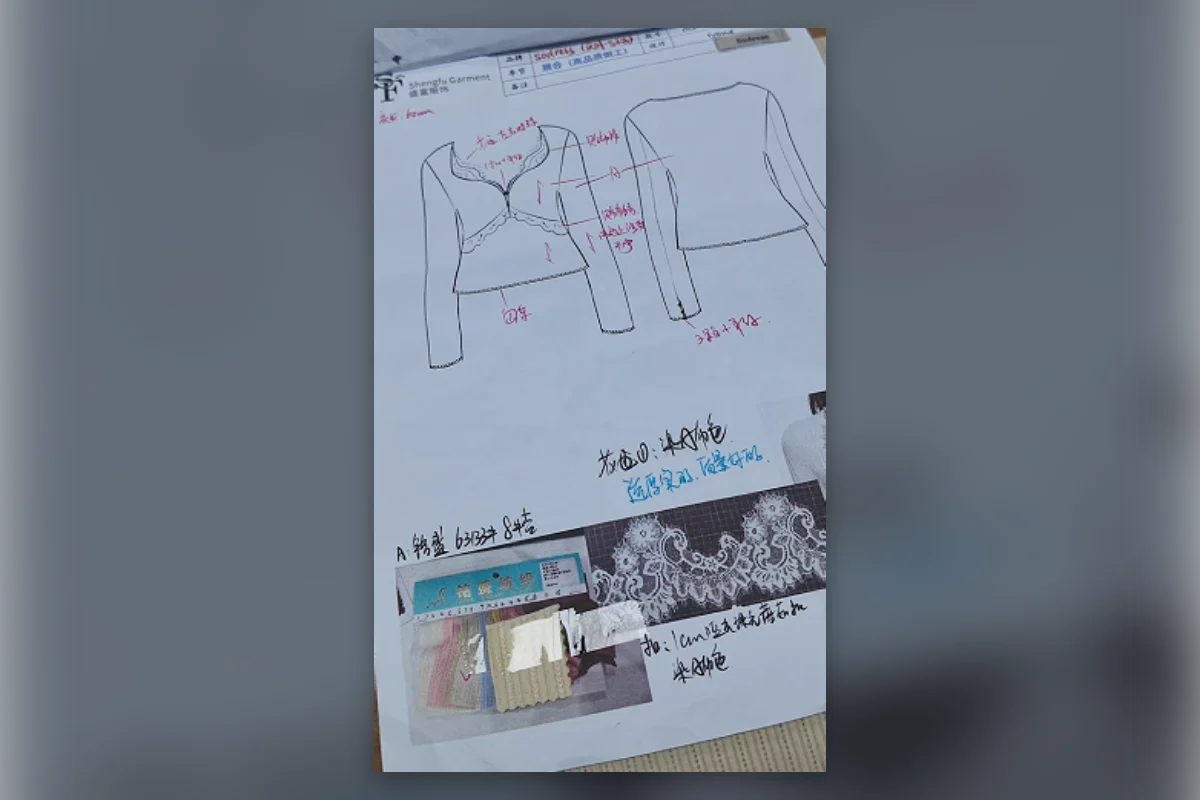
A fashion illustration communicates mood; a technical flat communicates the garment. We need front and back views plus any detail or internal views required to explain seams, darts, pockets, closures, panels, pleats, gathers, hardware and topstitching.
If a draped neckline appears on the front sketch but the document does not explain how it connects internally, our sample room has to make an assumption. That assumption may create a sample the designer never intended.
2. Measurements With Clear Points of Measure
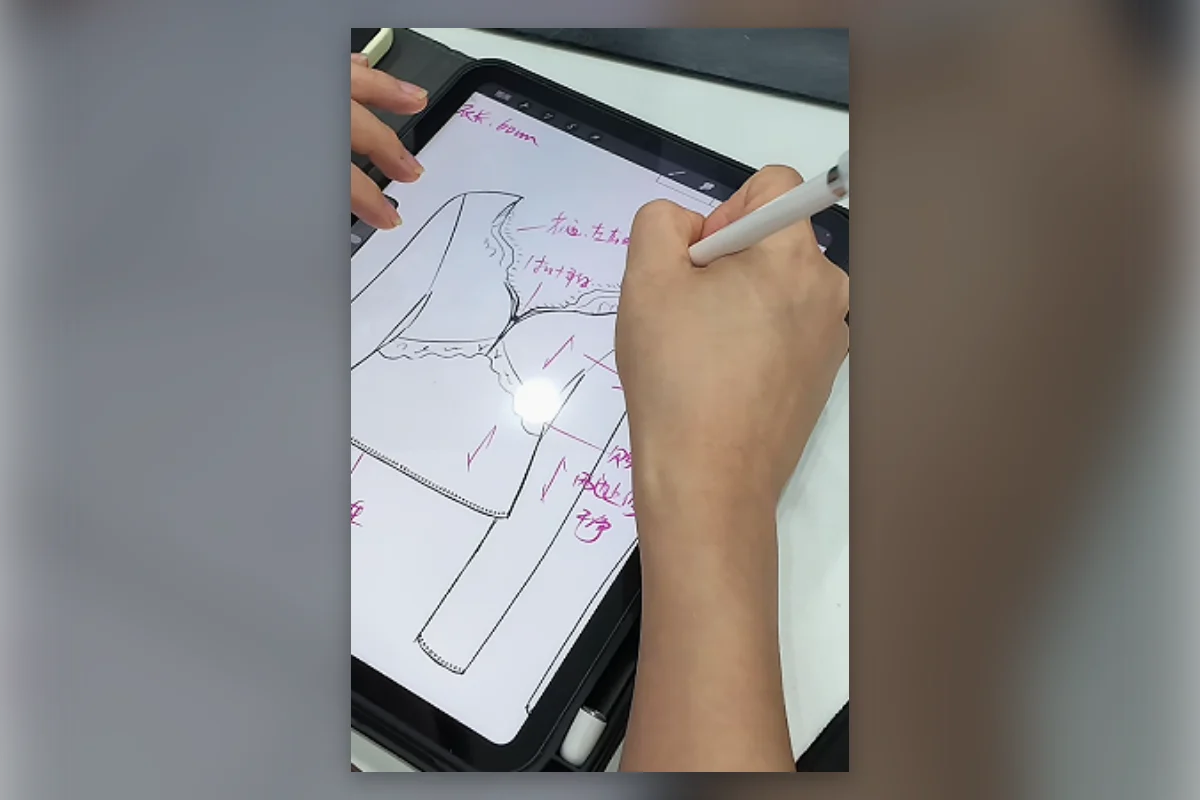
Writing “Bust: 88 cm” may not give the pattern maker enough information. Should we measure at the underarm, 2.5 cm below it, flat across the garment or around the full circumference? A POM diagram removes that ambiguity.
We also recommend a tolerance for every measurement that affects fit or appearance. The target tells us what the brand wants; the tolerance tells production and QC what variation the brand accepts. Our guide to measuring shoulder width shows why the same measurement name can produce different results when the method remains undefined.
3. A Real BOM and Physical Material Direction
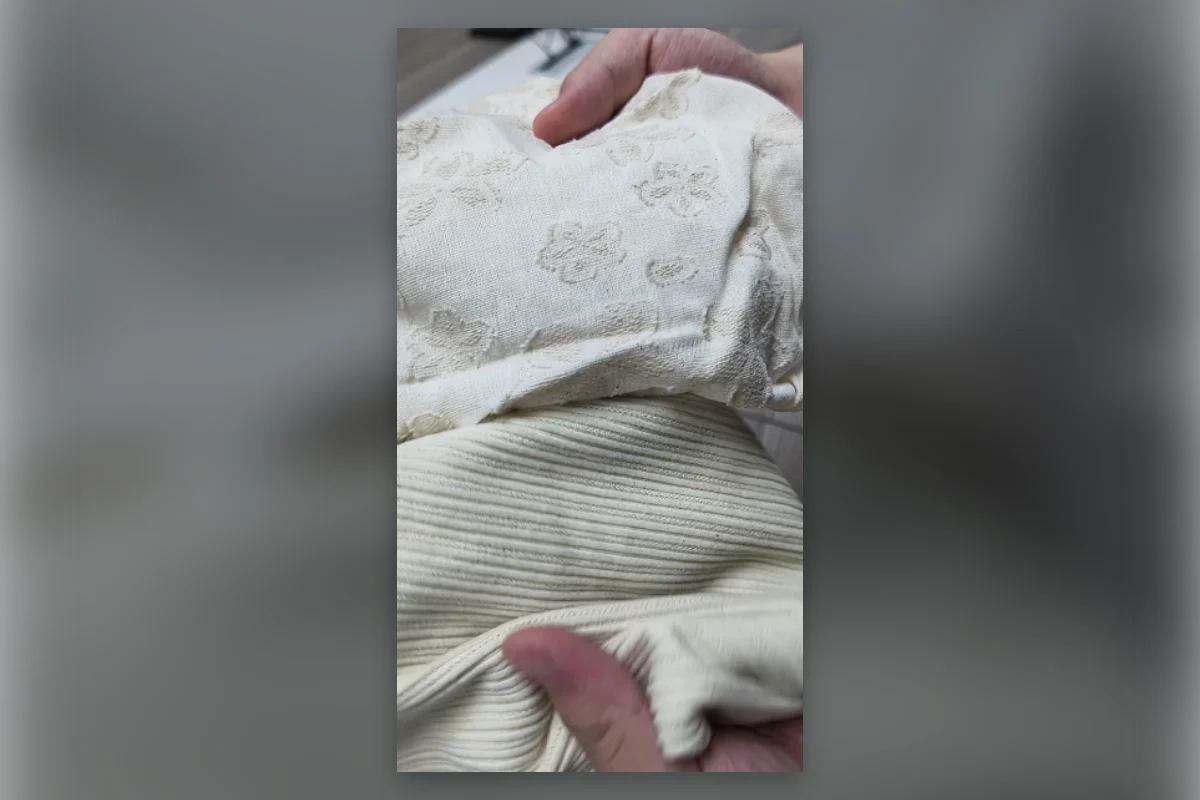
“100% cotton, 200 GSM” sounds precise, but two fabrics with those specifications can behave very differently. We also need to understand the knit or weave, hand feel, stretch, recovery, shrinkage, surface, colour and drape.
A Bill of Materials should identify every material and component: main fabric, lining, interfacing, lace, elastic, zipper, buttons, thread, labels, artwork and packaging where relevant. Browzwear likewise includes fabrics, seams, artworks and trims in its Tech Pack BOM workflow.
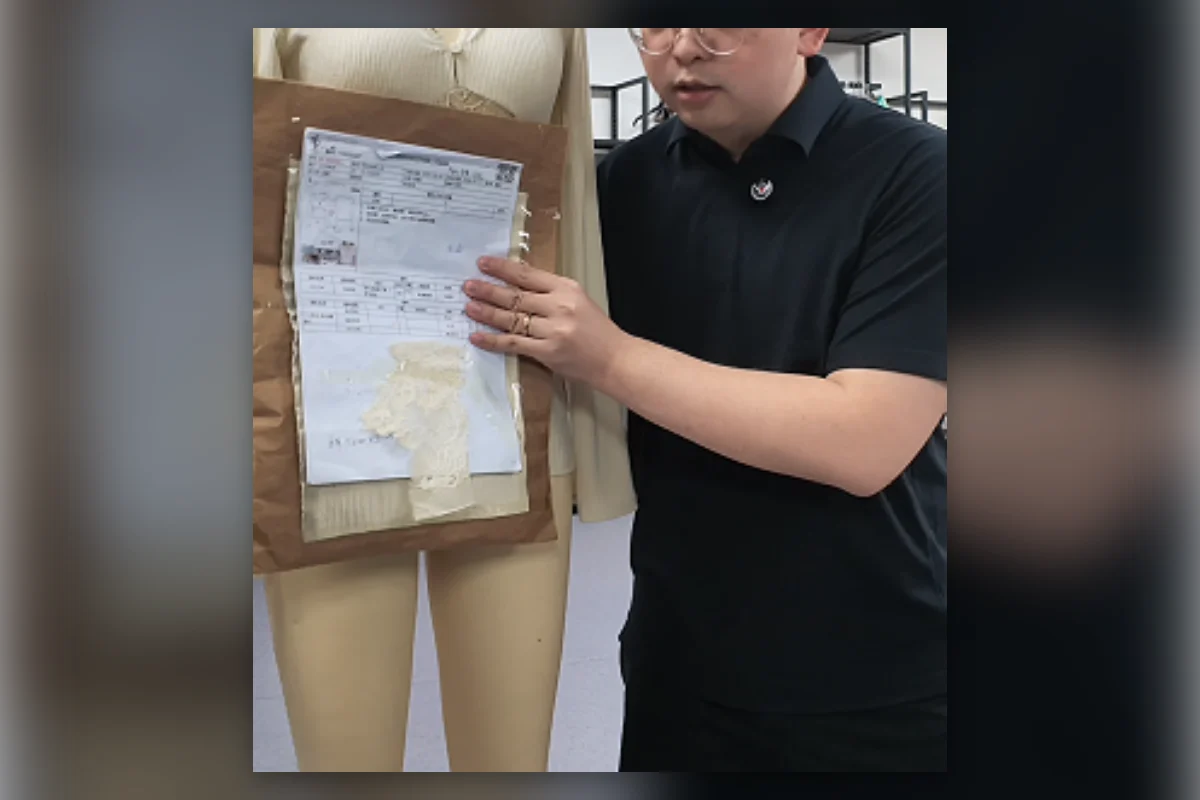
Whenever possible, send a physical swatch or an approved material reference with the written specification. That combination reduces guesswork during sourcing.
4. Construction Details That We Can Execute
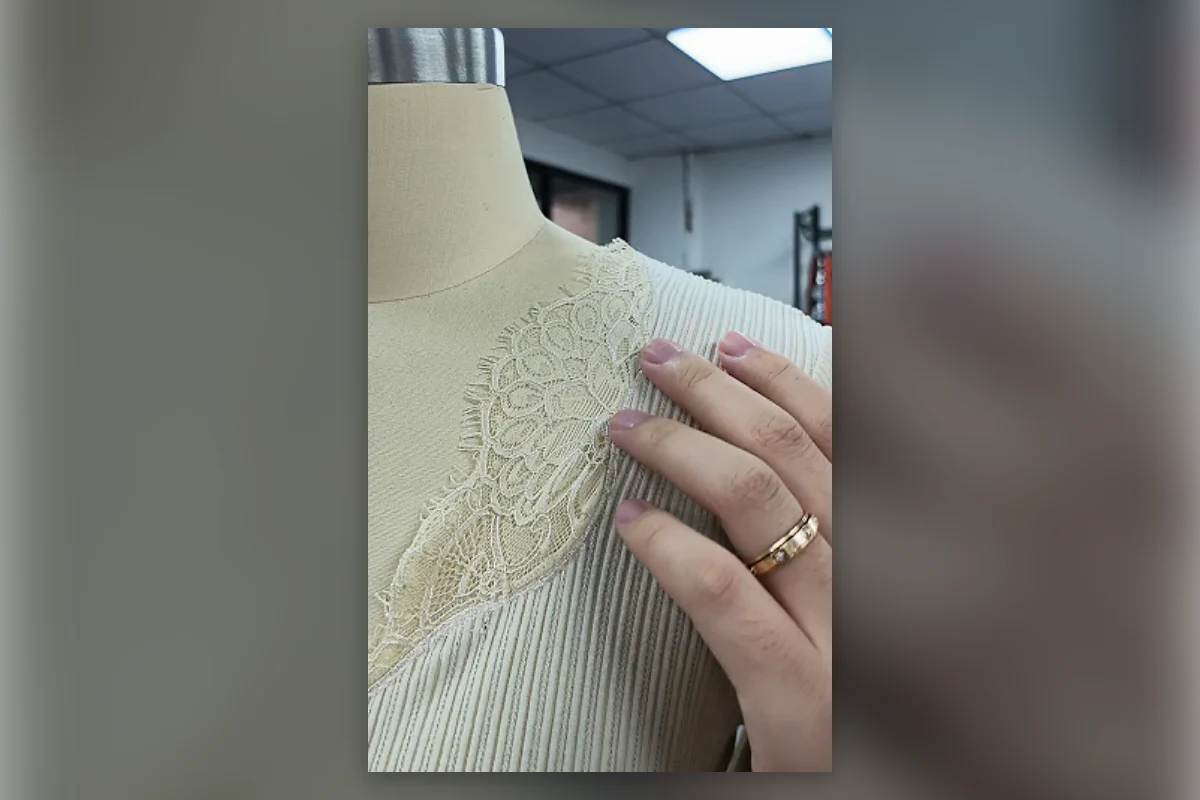
Terms such as “clean finish,” “high-quality sewing” or “standard seam” describe an expectation, not a production method. The factory may need the seam type, stitch type, seam allowance, stitches per inch, binding method, overlock requirement, lining attachment, hem construction and topstitch distance.
We can propose a practical method when the designer has not fixed every detail. However, the brand and factory should confirm the solution during sampling instead of allowing an undefined instruction to reach bulk production.
5. Revision Control
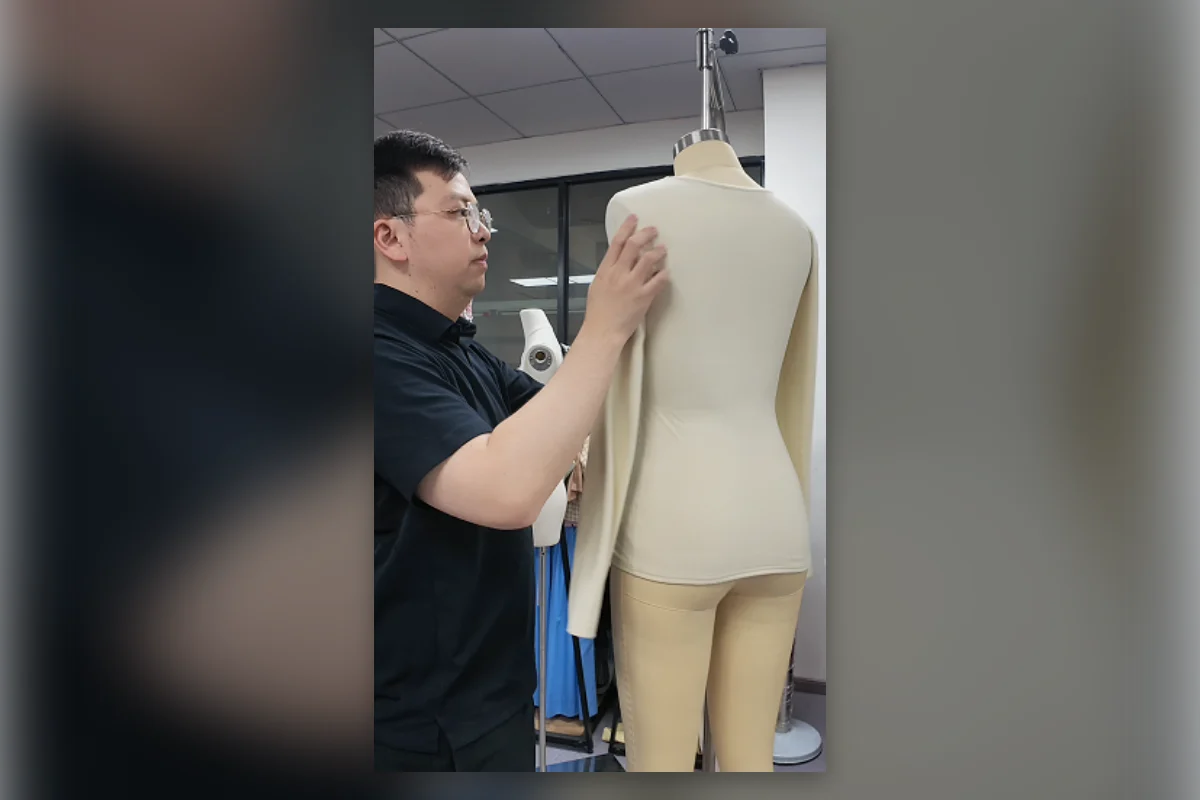
Proto 1 rarely remains unchanged through bulk. The neckline may move, the waist may reduce, the zipper may change or the original fabric may fail the fit test. Those changes are normal.
The risk starts when the garment changes but the Tech Pack does not. Then the designer reviews Version 3, the sample room follows Version 2 and QC receives an older measurement sheet. We recommend one clearly dated master file with a version number and revision log.
Our article on what the first prototype should confirm explains how to give each sample round a clear purpose.
Can an AI Clothing Tech Pack Go Directly to Production?
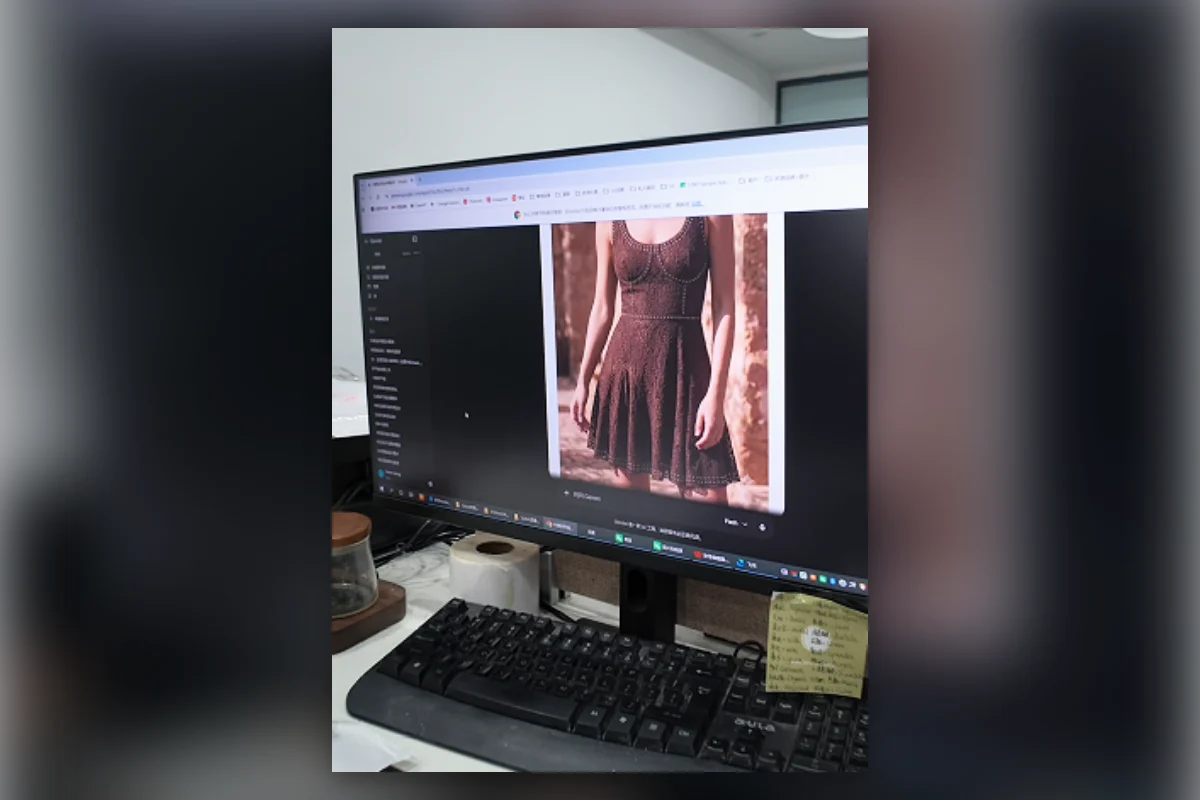
An AI techpack can help a brand generate concepts, visual references, draft flats, starter BOM fields and a basic specification layout. We welcome those efficiencies because they can make the first conversation clearer.
However, we would not send an unverified AI-generated document directly to bulk production. AI may create visually plausible information without understanding how a specific fabric behaves, whether two measurements conflict, whether the seam sequence works or whether the design remains stable across sizes.
Lectra’s current guidance reaches a similar conclusion: digital tools can improve product-development workflows, while human expertise remains essential in patternmaking, fitting and technical development.
Our preferred approach is simple:
Use AI to accelerate the starting point. Use garment-development expertise to make the information manufacturable.
What Shengfu Checks Before Sampling
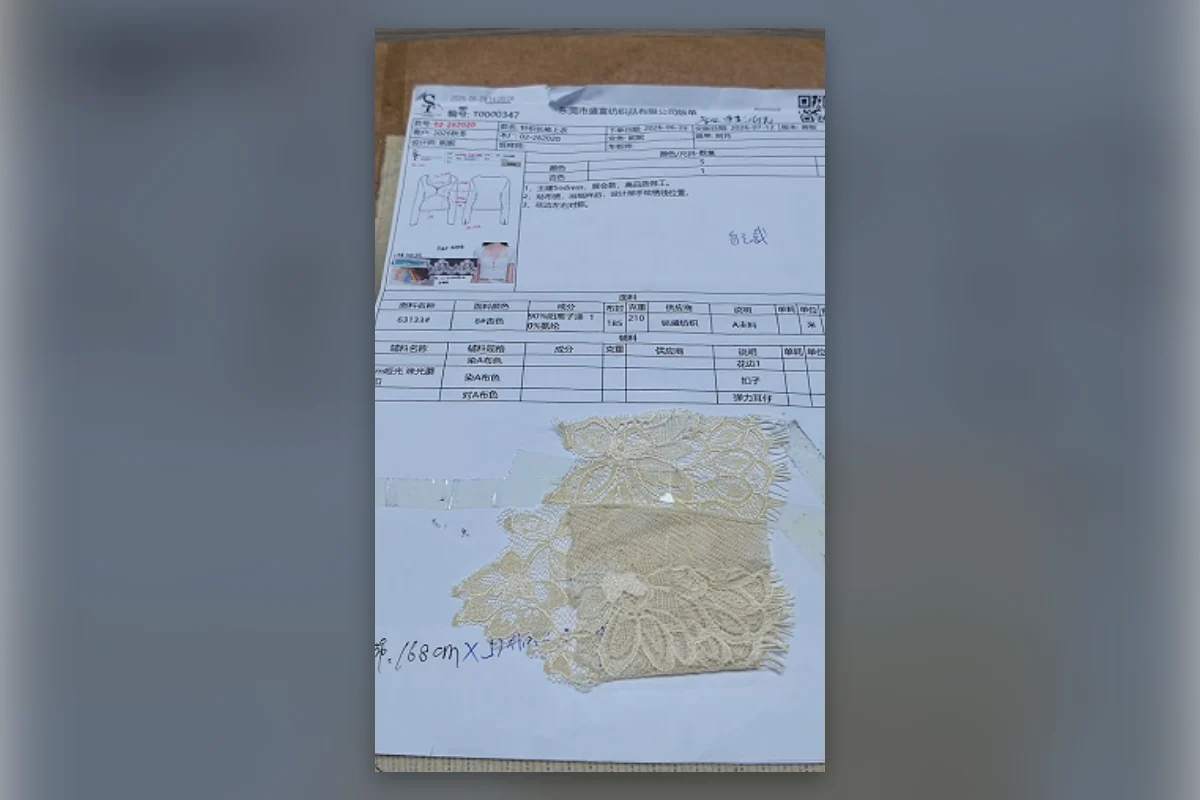
Before we release a style to the sample room, our development team checks:
- Design: Do the front, back and detail views agree?
- Measurements: Does every important POM have a clear method and tolerance?
- Fabric: Do we understand the composition, construction, weight, stretch, hand feel and drape?
- Construction: Can the pattern and sewing teams build every important detail?
- Trims: Has the brand defined the zipper, buttons, lace, elastic, labels and hardware?
- Colour and artwork: Do we have a Pantone reference, physical swatch or approved file with scale and placement?
- Version: Is this the latest approved information?
- Sample goal: Should this round confirm fit, fabric, construction, colour or commercial appearance?
We raise questions before sampling because an early clarification costs less than a repeated sample. For a wider view of how the document moves through patternmaking, cutting, sewing and approval, see our guide to the garment production process.
A Simple Factory-Ready Clothing Tech Pack Checklist
- Front and back technical flats
- Detailed construction callouts
- Fabric composition, weight and performance direction
- Complete Bill of Materials
- POM diagram and measurement chart
- Measurement tolerances and grading direction
- Colour, artwork and trim references
- Style number, date, version number and revision history
A missing section does not always stop development. For example, an early-stage brand may begin with a reference garment and target measurements. However, we should identify and confirm the missing decisions before bulk production.
Why Develop Your Tech Pack With Shengfu?
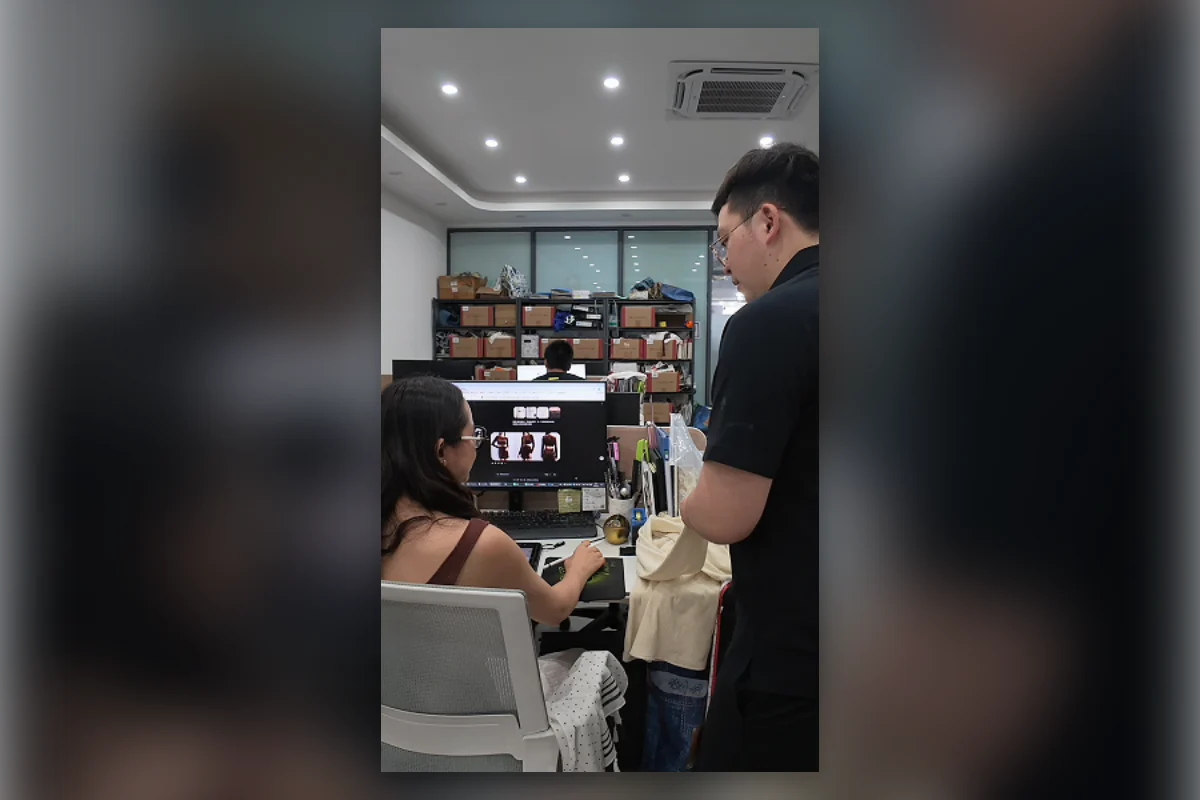
A capable clothing manufacturer should do more than say, “We can follow your Tech Pack.” At Shengfu, we also identify what is missing, what is unclear, what may be difficult to manufacture and what the brand should approve before sampling.
Some customers send a complete professional package. Others start with an AI render, sketch, reference photo or partial specification sheet. We can begin from different levels of information, but we will not pretend that an attractive image answers every production question.
Send us your Tech Pack or AI draft, reference images, fabric direction, size range, target quantity and delivery goal. We will review whether the information can support the right sample and identify the decisions that still need confirmation.
Frequently Asked Questions
What is a techpack for clothing?
A clothing techpack is a production specification that connects technical flats, measurements, POMs, materials, construction, colour, artwork and revision information. It helps the brand and factory work from the same requirements.
What should a good Tech Pack include?
We recommend front and back technical flats, a measurement chart with POM diagrams and tolerances, a complete BOM, fabric and trim specifications, construction details, colourways, artwork information and a revision log.
Can a factory make a sample without a complete Tech Pack?
Sometimes. A reference garment, sketch or clear images may provide enough information to begin discussion. The factory still needs to confirm missing measurements, materials and construction decisions, and more assumptions can create more revision rounds.
Is “100% cotton, 200 GSM” enough for a fabric specification?
Usually not. It states fibre content and weight but does not fully define knit or weave, stretch, recovery, hand feel, drape, shrinkage or surface texture. Send a physical swatch or approved fabric reference when possible.
Can I use an AI techpack?
Yes, as a development starting point. Before sampling or production, a garment professional should verify the measurements, POM logic, material specification, construction, fit and manufacturing feasibility.
How does the Tech Pack support bulk quality control?
The approved Tech Pack gives production and QC measurable references for dimensions, tolerances, materials, construction and workmanship. We combine it with the approved sample and inspection plan. Read our AQL garment inspection guide for the final lot-inspection stage.
References
- Techpacker – What Is a Tech Pack?: overview of technical flats, BOMs, measurements, construction notes and version management.
- Browzwear – Editing Tech Pack Properties: documentation for BOM data including fabrics, seams, artwork and trims.
- Lectra – Fashion Product Development and AI: discussion of AI-supported workflows and the continuing role of technical expertise.
- Shengfu – How to Make a Dress: our factory guide to Tech Pack review, patternmaking, sampling and production.
- Shengfu – What Is AQL?: our guide to garment inspection, tolerances and final lot decisions.