Article Summary
What is MOQ? MOQ means Minimum Order Quantity: the smallest quantity a supplier can accept for a defined style, colour, fabric and production plan. A lower MOQ reduces a brand’s total inventory commitment; however, it usually raises the unit price because setup, sourcing and production costs are divided across fewer garments. At Shengfu, we calculate MOQ from the actual product instead of applying one arbitrary number to every order.
Jump to:
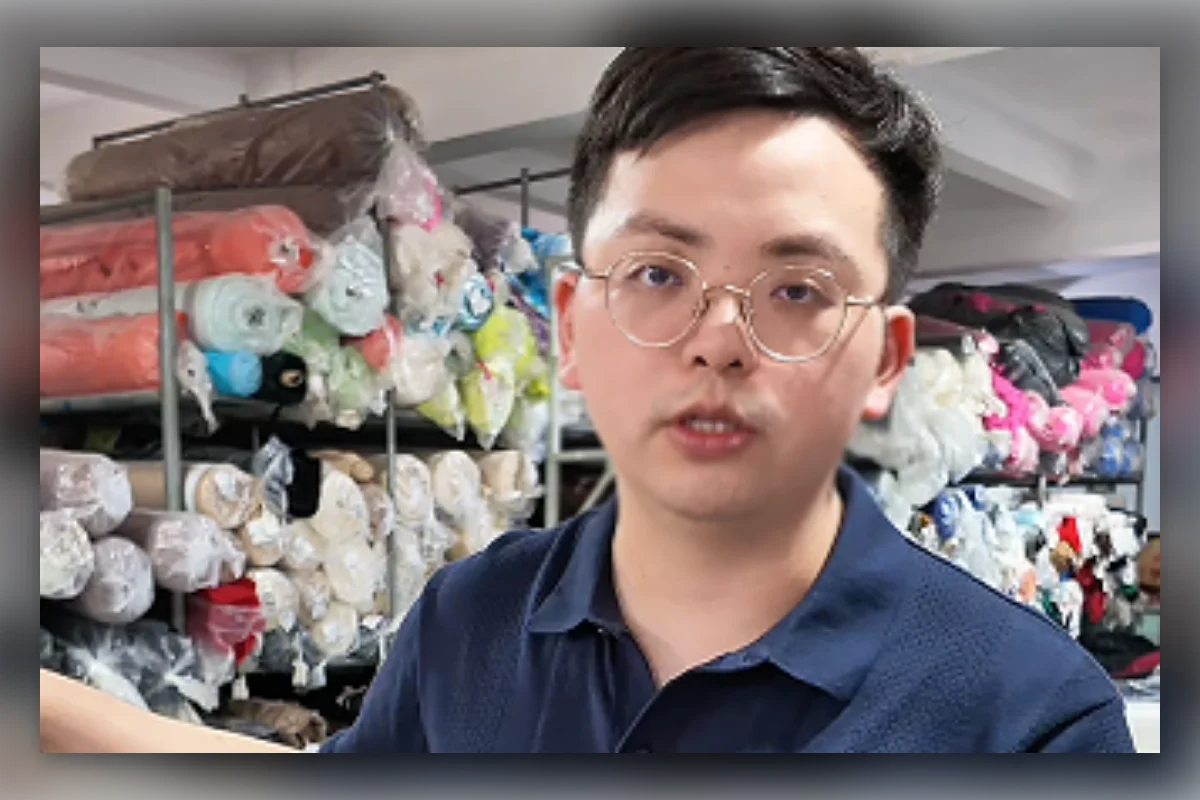
MOQ Meaning: What Does MOQ Mean?
MOQ stands for Minimum Order Quantity. In clothing manufacturing, it is the smallest number of garments a factory can produce under an agreed specification and price structure.
That definition sounds simple, but buyers need to ask one more question: What does the MOQ apply to? A supplier may set a minimum per style, per colour, per fabric, per print or for the total order. For example, “300 pieces MOQ” could mean 300 pieces in one colour, or it could allow three colours with 100 pieces each. Those two plans create very different sourcing and cutting conditions.
At Shengfu, we confirm the style, fabric, colour split, size range, trims and packaging before we confirm the MOQ. This factory-first approach gives brands a realistic number they can use for budgeting and launch planning.
Why Do Clothing Factories Have an MOQ?
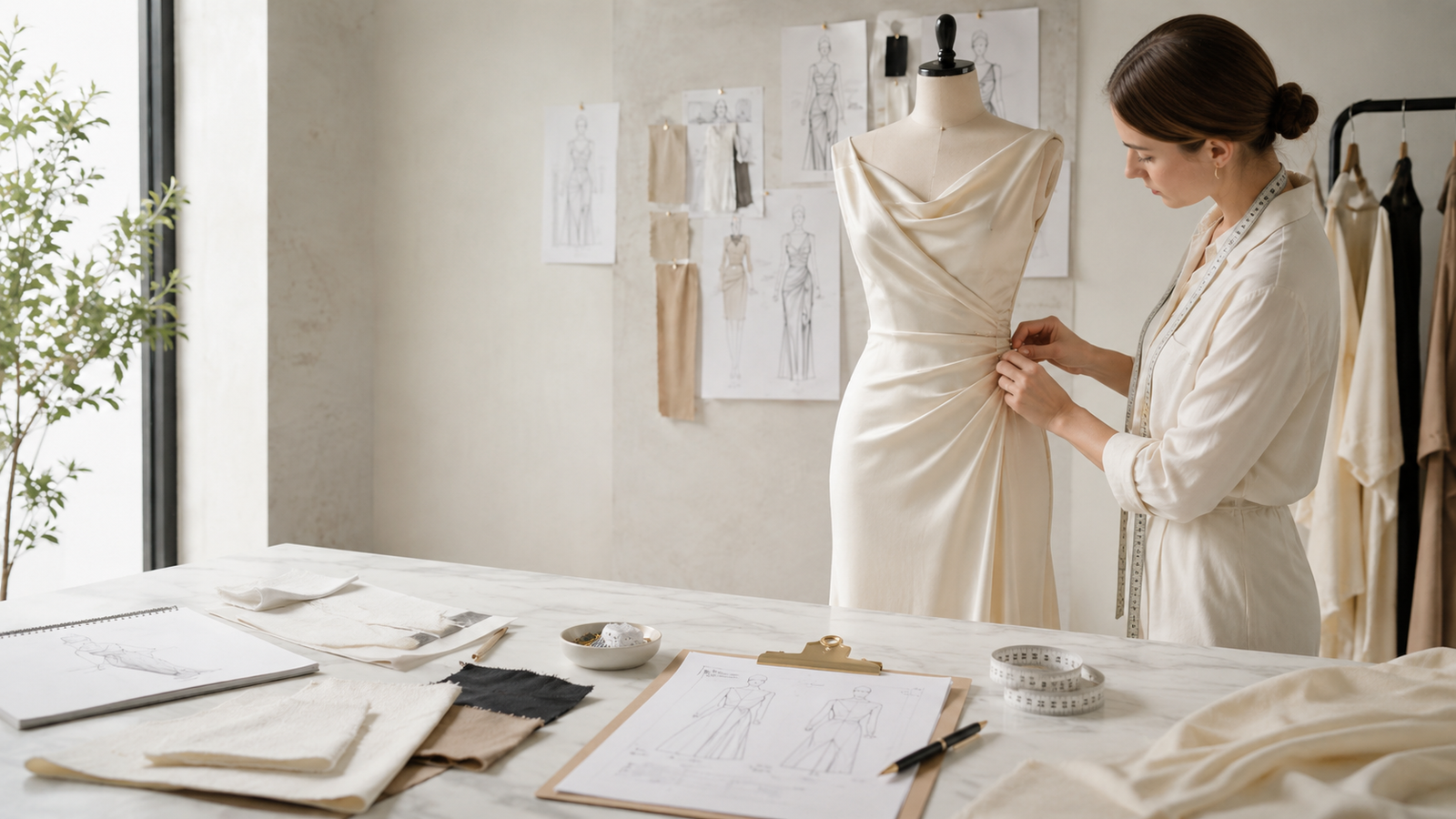
Every garment order includes work that does not shrink in direct proportion to quantity. Our team still needs to review the Tech Pack, source materials, develop patterns, prepare samples, grade sizes, make markers, plan cutting, set up machines and organise quality checkpoints.
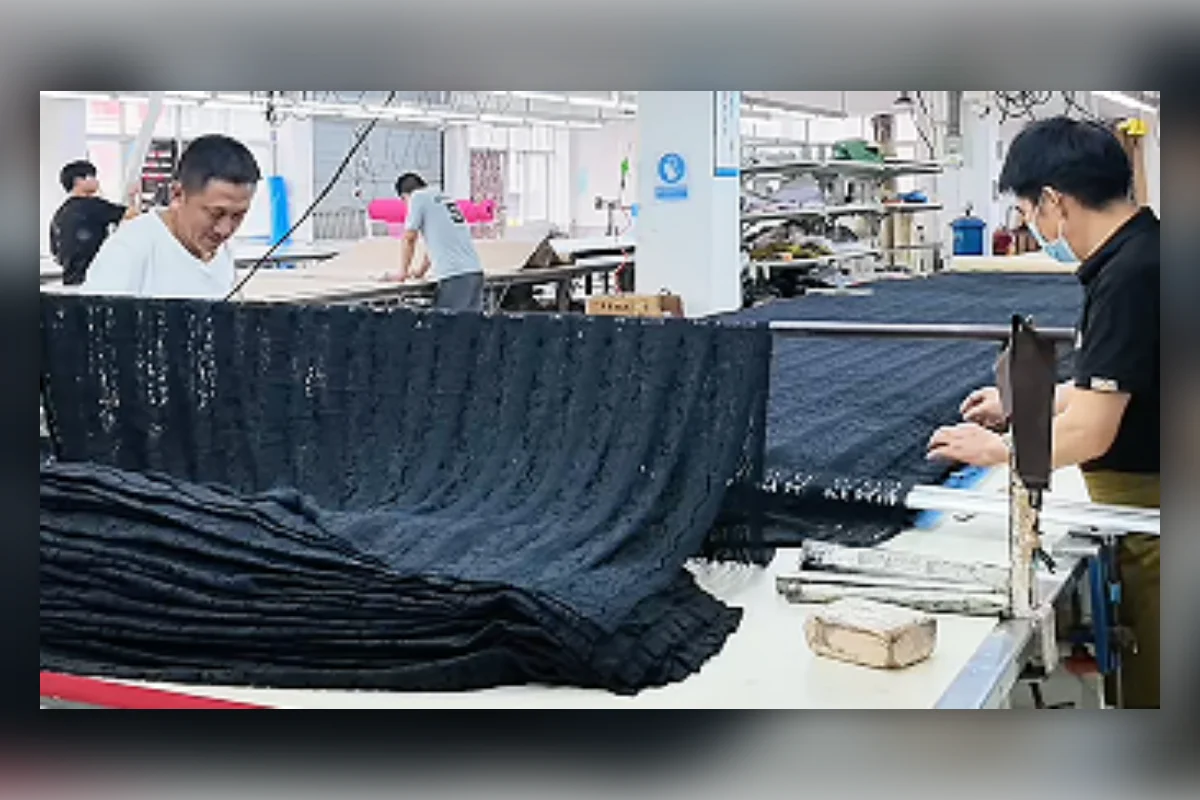
A 100-piece run and a 1,000-piece run do not require ten times the development work. However, the smaller run divides that work across only 100 garments. This is the main reason a lower MOQ usually means a higher unit price.
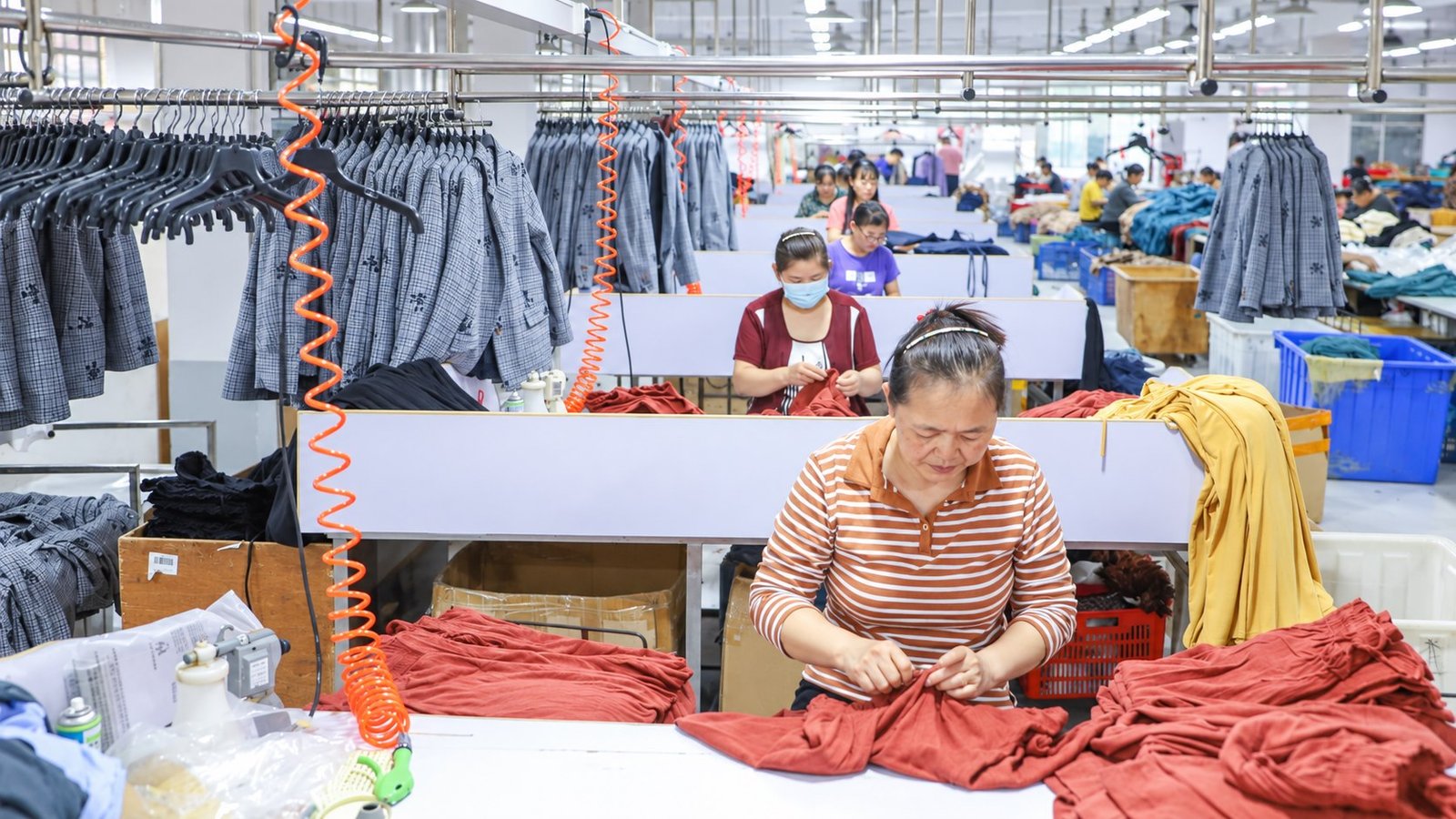
MOQ also protects production flow. A sewing line must arrange operators, machine attachments and inspection points for each style. If the run ends immediately after the line becomes stable, the factory cannot use that setup efficiently.
Where Does the Extra Cost of a Low MOQ Come From?
From our factory perspective, five cost groups matter most:
- Development: patternmaking, sampling, fitting, grading and production instructions.
- Material sourcing: fabric swatches, lab dips, print strike-offs, trim samples and supplier coordination.
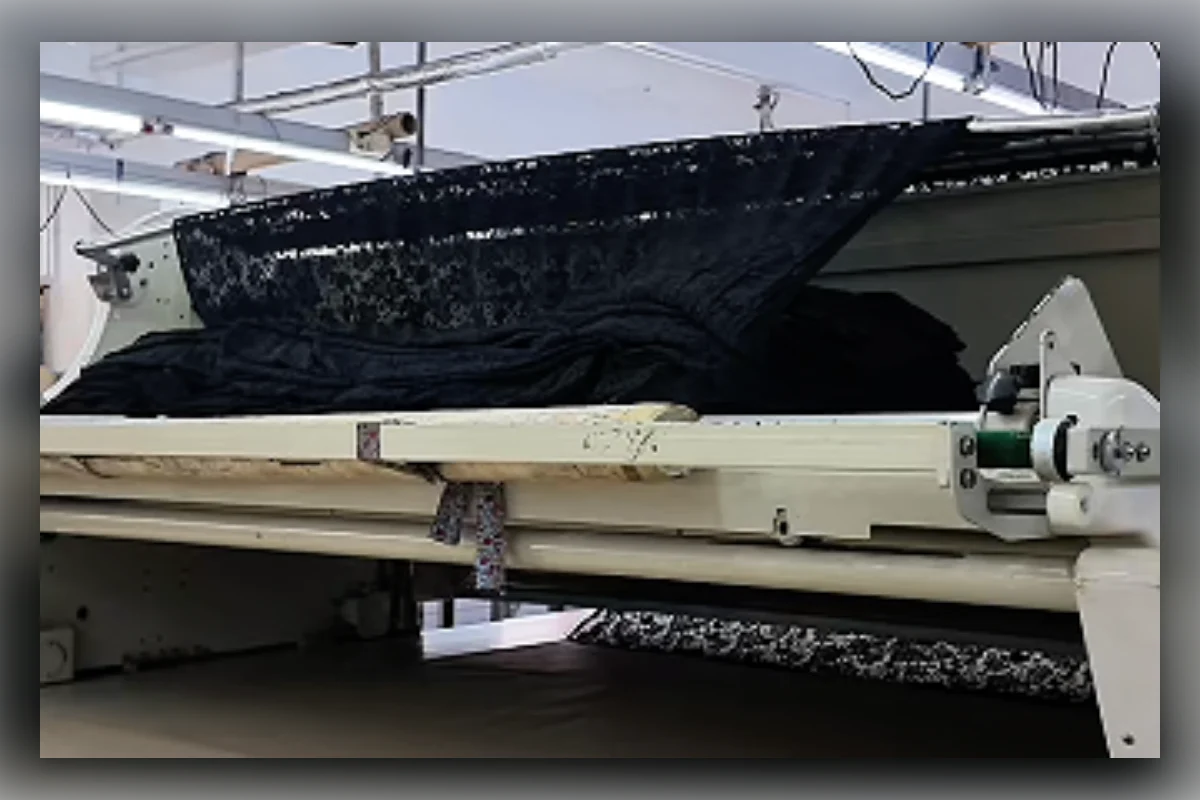
- Production setup: marker planning, fabric spreading, cutting preparation, machine adjustment and line balancing.
- Order administration: purchase orders, material tracking, inspection records, packing lists and shipping documents.
- Unused supplier minimums: fabric, labels, zippers or trims that must be purchased in a larger quantity than the garment order consumes.
Imagine that development and setup cost $600. At 100 pieces, that represents $6 per garment. At 600 pieces, it represents $1 per garment. The exact numbers vary by product, but the logic stays the same.
Complex Garments Feel the MOQ Effect More
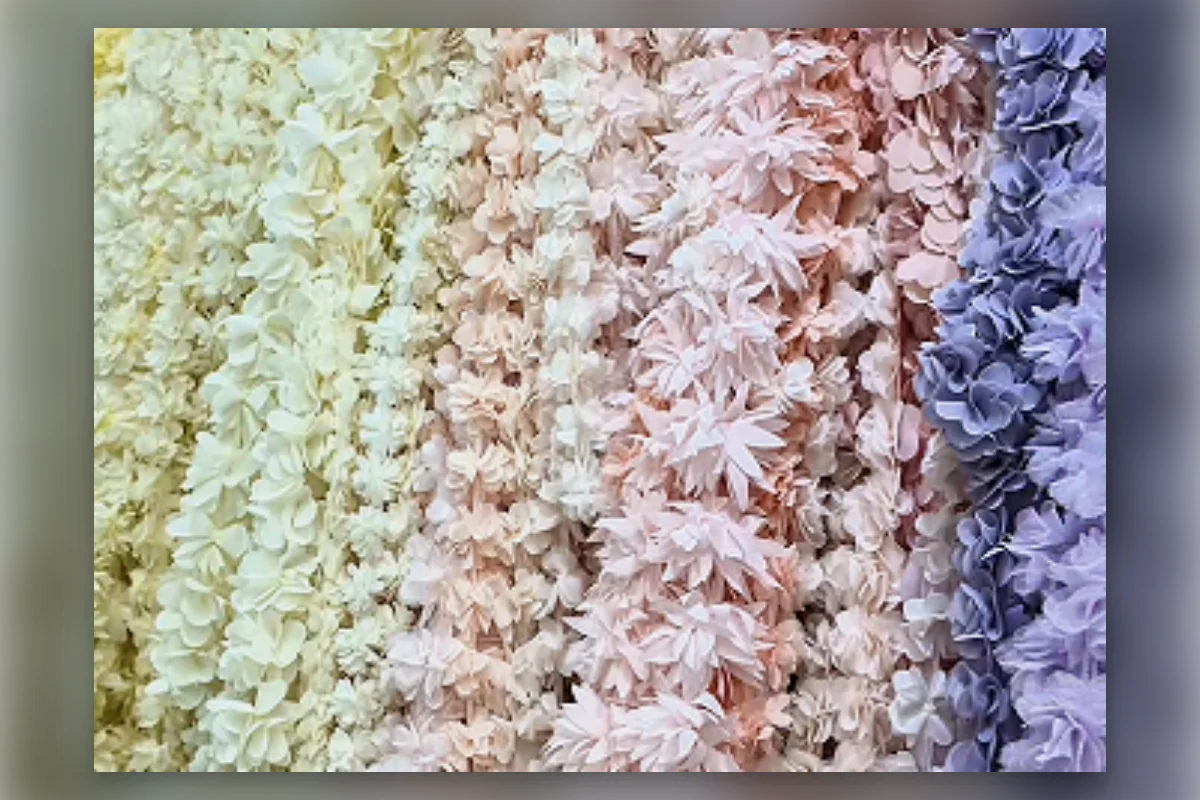
A simple stock-fabric top can often support a more flexible minimum than a lined dress with custom lace, embroidery and branded hardware. Complex styles need more sourcing, more sewing operations and more specialised setup. Because each extra process may carry its own minimum, the effective MOQ can rise quickly.
This does not mean brands should avoid detailed products. It means the first order should focus complexity where customers can see and value it.
Fabric MOQ Can Be Higher Than the Factory MOQ
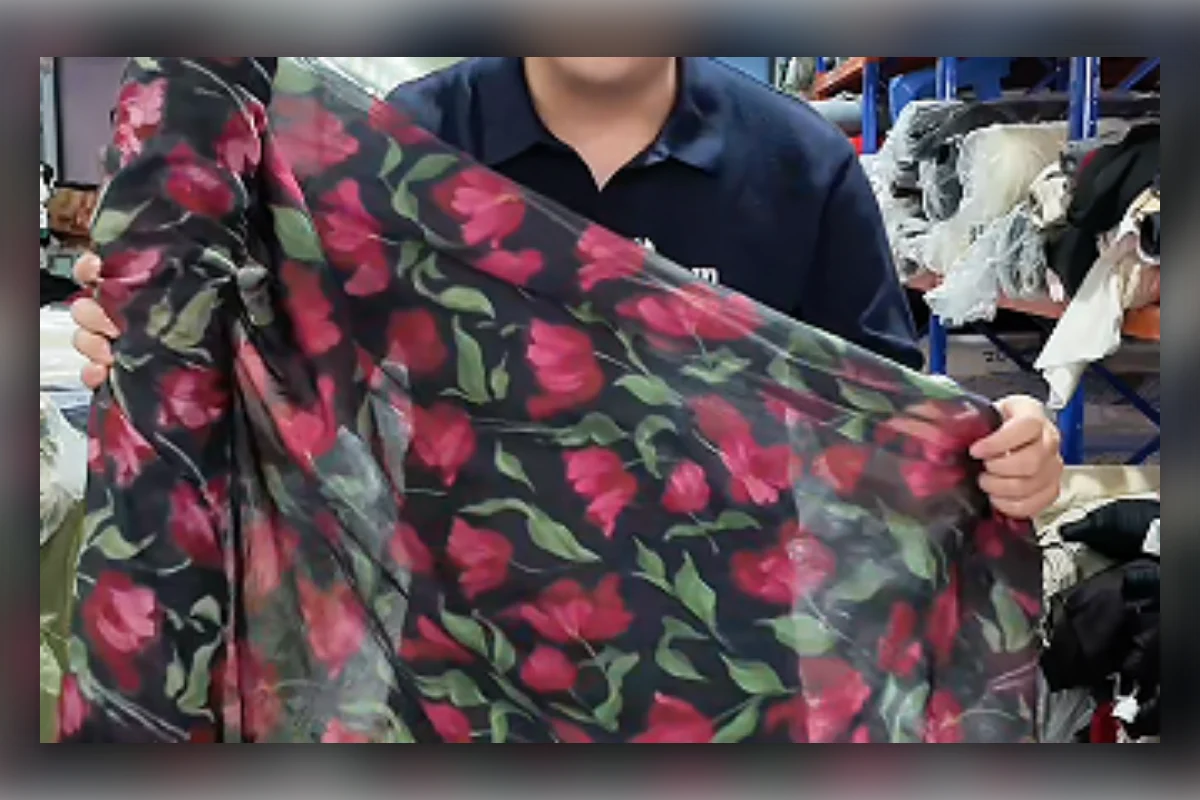
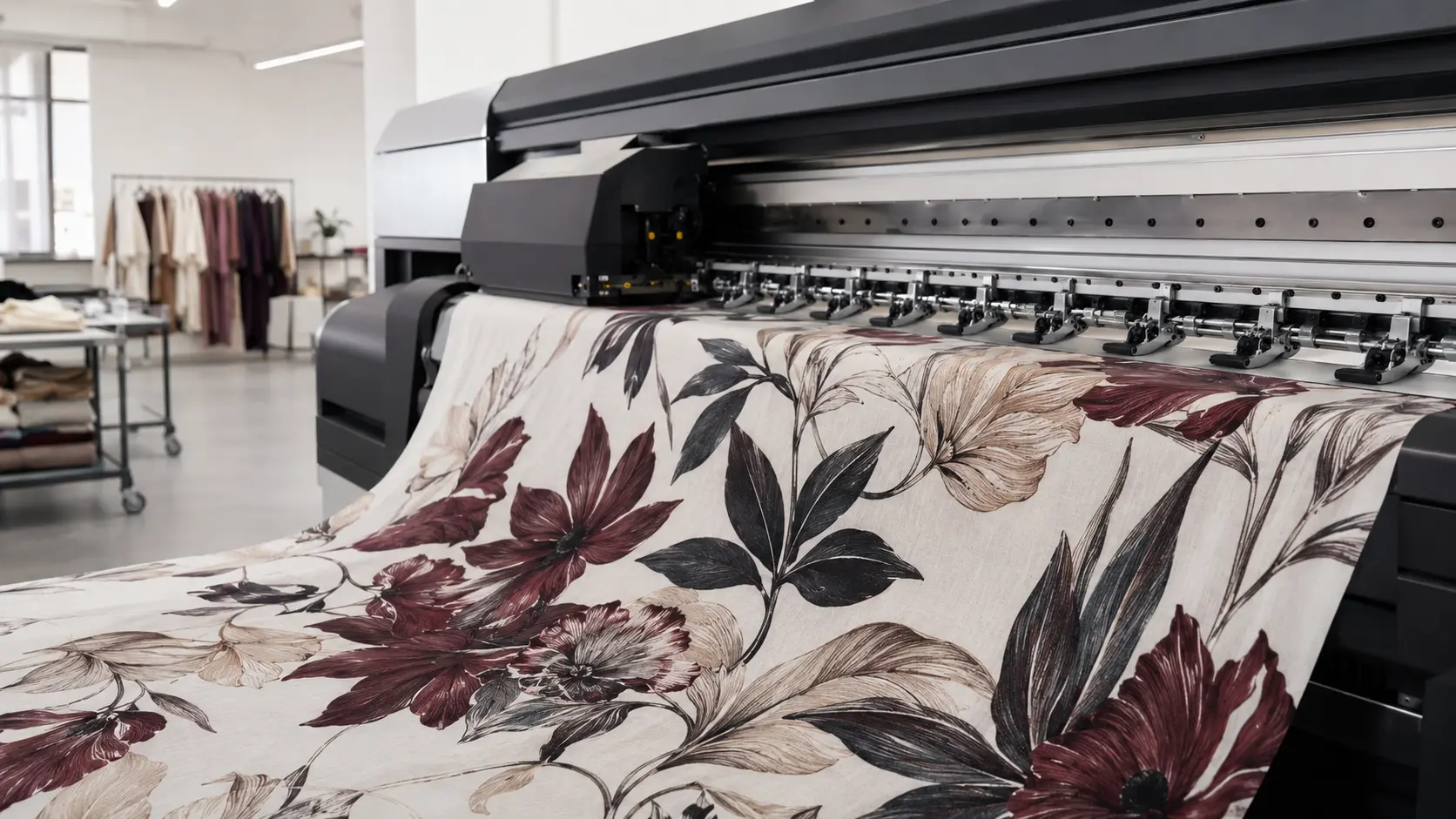
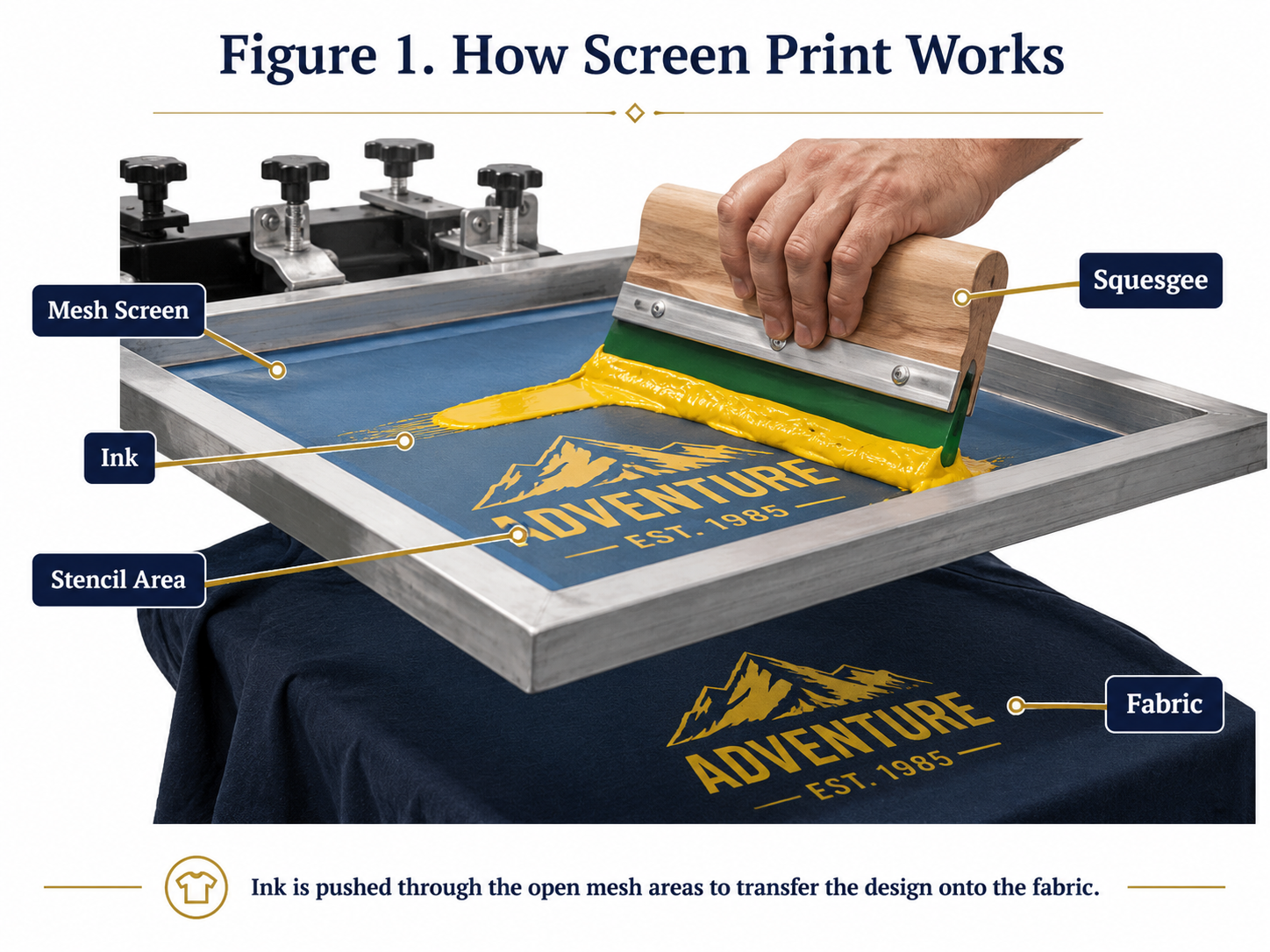
A garment factory may be willing to sew 100 pieces, while the fabric mill requires a larger quantity for custom knitting, weaving, dyeing or printing. The mill needs to prepare yarn, colour, machinery and finishing, so it sets a minimum that covers that work.
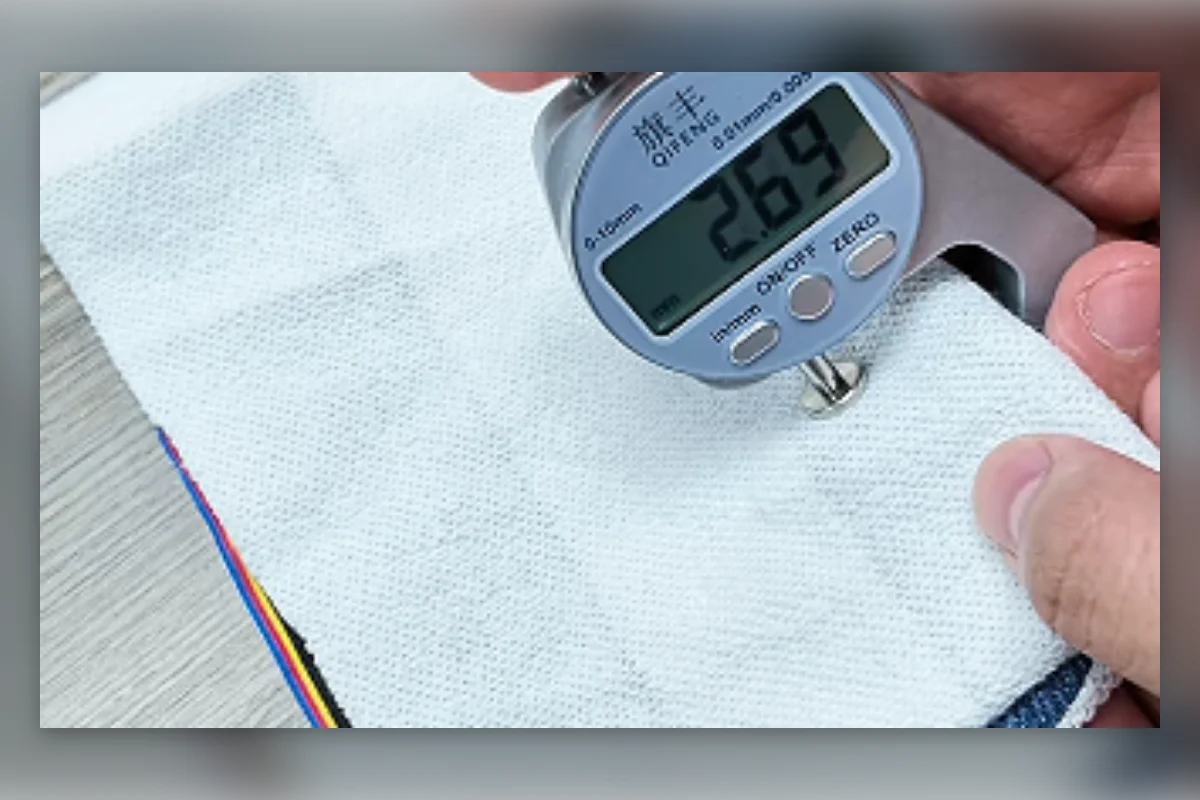
Stock fabric can help when a brand needs a small test order. However, “stock” should still meet the required composition, weight, stretch, opacity, drape and colourfastness. We do not recommend choosing a cheaper available fabric if it changes the intended fit or customer experience.
More Colourways Increase the Effective MOQ
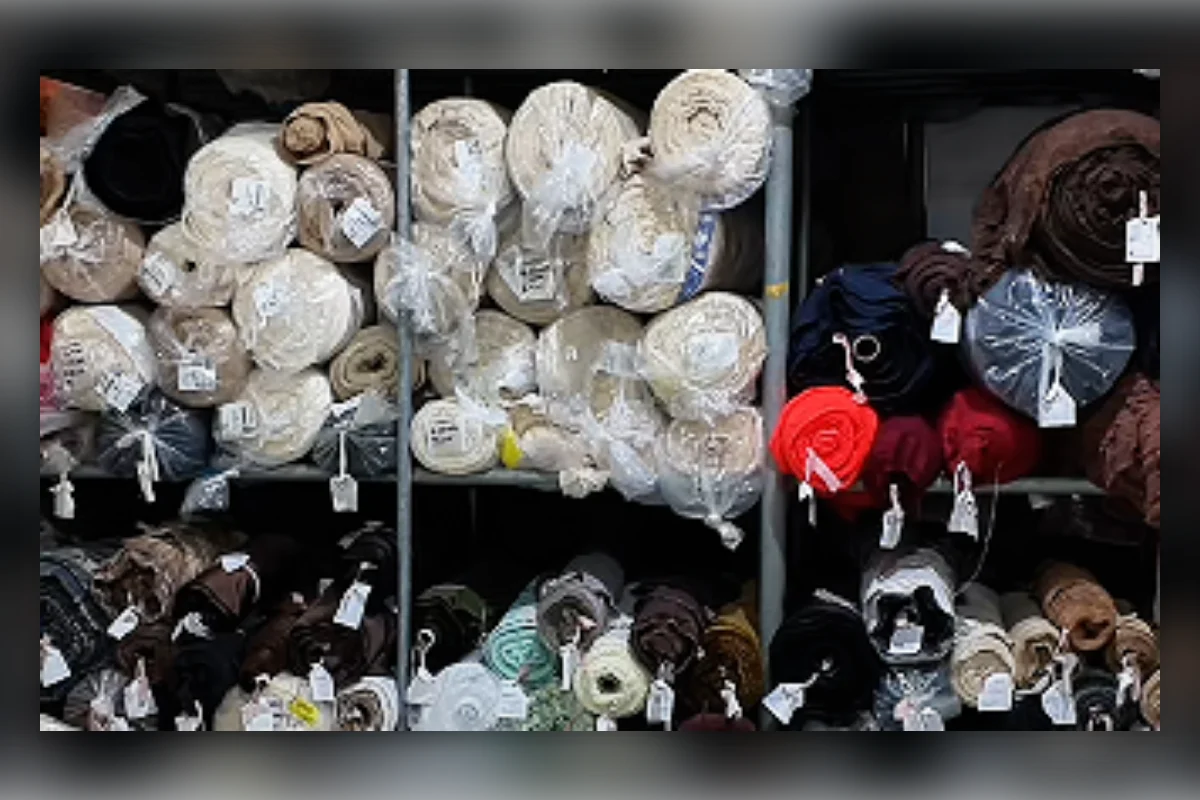
Ten colours at 30 pieces each are harder to produce than one colour at 300 pieces. Each colour may need a separate dye lot, cutting lay, thread match, label check and packing count. Therefore, adding colourways can raise cost even when the total quantity stays unchanged.
For a first launch, we usually recommend concentrating units in the strongest colours. Brands can add more shades after sales data shows where demand exists.
When Is a Low MOQ Worth the Higher Unit Price?
A higher unit price is not automatically a bad commercial decision. Low MOQ can make sense when a brand needs to:
- test a new silhouette or category;
- validate demand before committing more cash;
- launch a limited-edition collection;
- serve a niche customer group;
- protect cash flow during an early stage; or
- reduce the risk of markdowns and dead stock.
For example, paying $2 more per garment may be sensible if it prevents hundreds of unsold pieces. The right comparison is not only unit price. Brands should also consider inventory exposure, storage, discounting, product obsolescence and the value of real sales feedback.
When Should a Brand Consider a Larger Order?
A larger order becomes more attractive when the product has proven demand, stable specifications and a reliable sales channel. More volume can improve material purchasing, cutting efficiency and line stability.
However, we do not advise brands to order more only to reach a lower price tier. A saving of $1 per piece does not help if a large share of the order never sells. Increase quantity when demand supports it, not because the lowest quote looks attractive on a spreadsheet.
How to Lower Unit Cost Without Over-Ordering
Brands can often improve the economics of a small run without abandoning the design:
- Use a suitable stock fabric. This can avoid custom mill minimums and development charges.
- Reduce the number of colours. Concentrating units improves cutting and material efficiency.
- Share one fabric across styles. A coordinated collection may reach the mill minimum while keeping individual style quantities controlled.
- Use stock trims first. Add custom hardware after the style proves demand.
- Standardise packaging. Low-volume custom boxes, bags and labels can add hidden minimums.
- Provide a clear Tech Pack. Clear measurements, construction and artwork reduce quotation assumptions and sample revisions. See our guide to building a factory-ready Tech Pack.
- Plan repeat orders. Tell the factory if the first batch is a test and share a realistic reorder plan.
We do not recommend lowering cost by quietly reducing fabric weight, removing necessary construction or weakening inspection. Those choices change the product, not merely the MOQ.
Low MOQ Does Not Mean Cheap Production
Small-batch production still needs professional development and quality control. In fact, early runs often need closer communication because the brand is validating fit, materials and customer response.
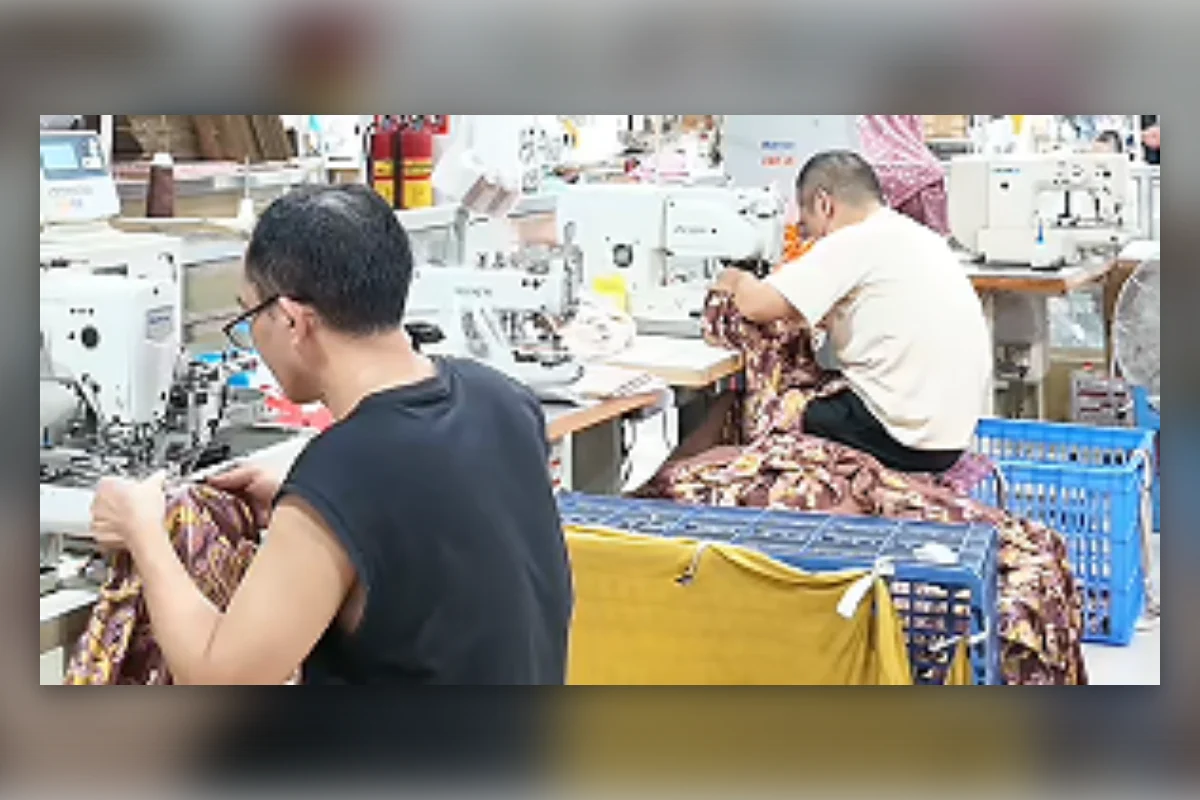
At Shengfu, we review workmanship during production and apply our finished-garment AQL 1.5 standard. You can read our AQL guide for fashion brands to understand defect classification and sampling inspection.
Why Work With Shengfu on MOQ Planning?
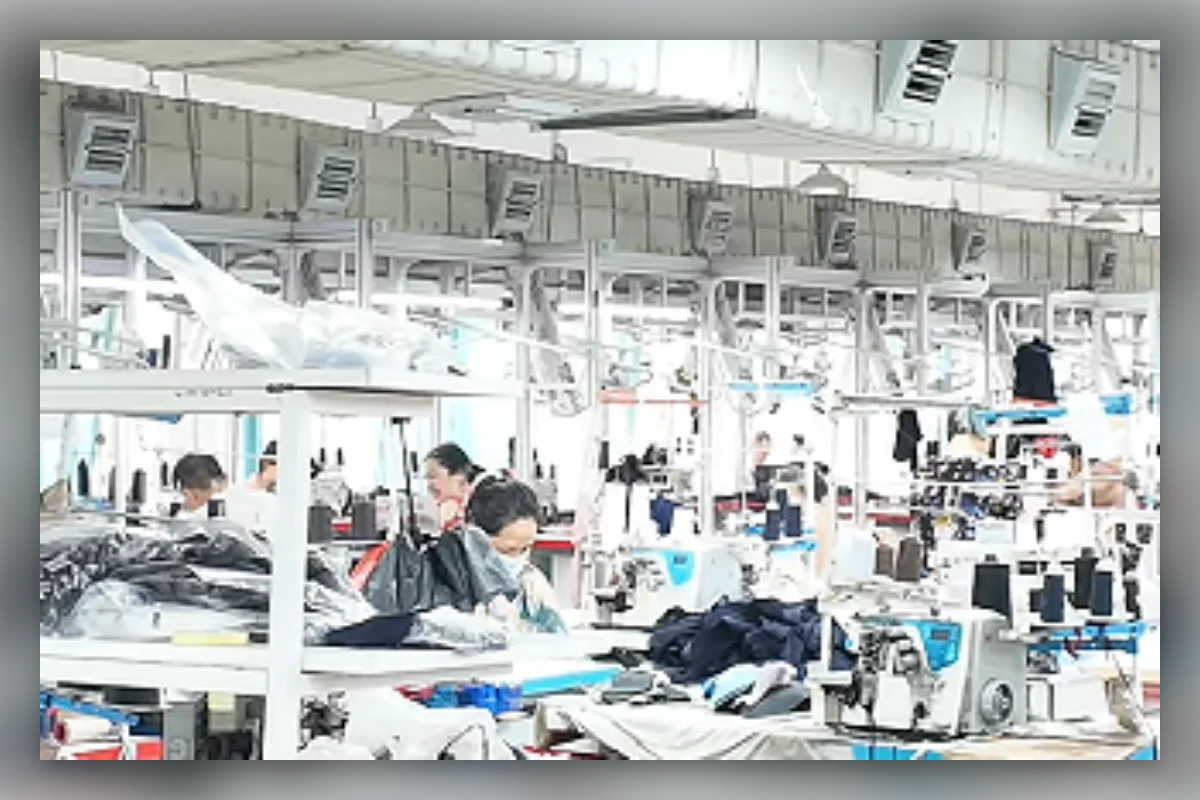
Shengfu is a womenswear manufacturer, so we look at MOQ from the production floor outward. We review your fabric route, construction, trims, colour split and delivery target before offering a workable option.
We are especially useful to brands that want an honest answer about trade-offs. If the requested quantity conflicts with a custom fabric minimum, we explain why and propose practical alternatives. If a stock material can preserve the intended look and performance, we show that option. If it cannot, we say so.
Send us your design, Tech Pack or reference photos together with your target quantity, colour split, size range and launch date. Our team will review the project and explain the MOQ and costing route clearly.
Frequently Asked Questions
What is MOQ?
MOQ means Minimum Order Quantity. It is the smallest quantity a supplier can accept for a defined product, material, colour and production plan.
What does MOQ mean in clothing manufacturing?
In clothing manufacturing, MOQ may apply per style, colour, fabric or total order. It reflects material minimums plus the development, cutting, sewing and quality-control work required for the style.
Why does a lower MOQ have a higher unit price?
A small order spreads patternmaking, sampling, sourcing, setup and administration across fewer garments. Fabric and trim suppliers may also charge minimum quantities or small-lot surcharges.
Can Shengfu produce below the stated MOQ?
Sometimes. Stock fabric, fewer colours, standard trims or a transparent small-order surcharge may create a workable route. We need to review the specific design before confirming it.
Does every colour have its own MOQ?
Often, yes. Each colour may require a separate dye lot, cutting lay and thread match. The exact rule depends on the material supplier and the total order plan.
What should I send Shengfu for an MOQ quotation?
Send your Tech Pack or design reference, fabric direction, colours, size range, target quantity, target price and delivery date. Clear information helps us identify the relevant material and production minimums.
References
- Shopify — Minimum Order Quantity: an overview of MOQ, benefits and calculation considerations.
- Corporate Finance Institute — Economies of Scale: explains how higher output can reduce average cost.
- Techpacker — Garment Costing and Pricing: discusses the cost components behind garment production.
- Maker’s Row — MOQ and Clothing Manufacturers: covers common reasons manufacturers set minimums.
- Shengfu — How to Make a Dress in a Garment Factory: a factory view of development, cutting, sewing and quality control.