Article Summary
Dress length and dress fit are not the same. Mini, midi and maxi describe the approximate position of the hem. They do not define how the garment fits the bust, waist, hip or shoulder. To control the length of the dress, a fashion brand should give the factory a defined Point of Measurement (POM), base size, numerical specification and tolerance—not only a category name.
If you are searching for how to measure length of dress, the most common finished-garment method starts at the High Point Shoulder (HPS) and runs to the specified hem. However, strapless, high-low and asymmetric styles need a different, clearly labelled start and end point.
Jump to:
Dress Length vs Dress Fit: What Is the Difference?
Dress length describes the vertical distance between a defined upper point and the hem. Dress fit describes the relationship between the garment and the body, including ease, balance, comfort and how the pattern shapes the bust, waist and hip.
Mini, midi and maxi mainly describe where the hem appears on the wearer:
| Length term | What it usually communicates | What it does not define |
|---|---|---|
| Mini | Hem above the knee | Bust fit, waist shaping, skirt volume or exact centimetres |
| Midi | Hem between the knee and ankle | Whether the dress is fitted, A-line, straight or relaxed |
| Maxi | Long hem near the ankle or floor | Exact clearance from the floor, train length or body ease |
These categories remain useful for merchandising, but they are not production specifications. A 115 cm dress may look midi on one wearer and longer on another because height, torso length, leg proportion and footwear change the visual result.
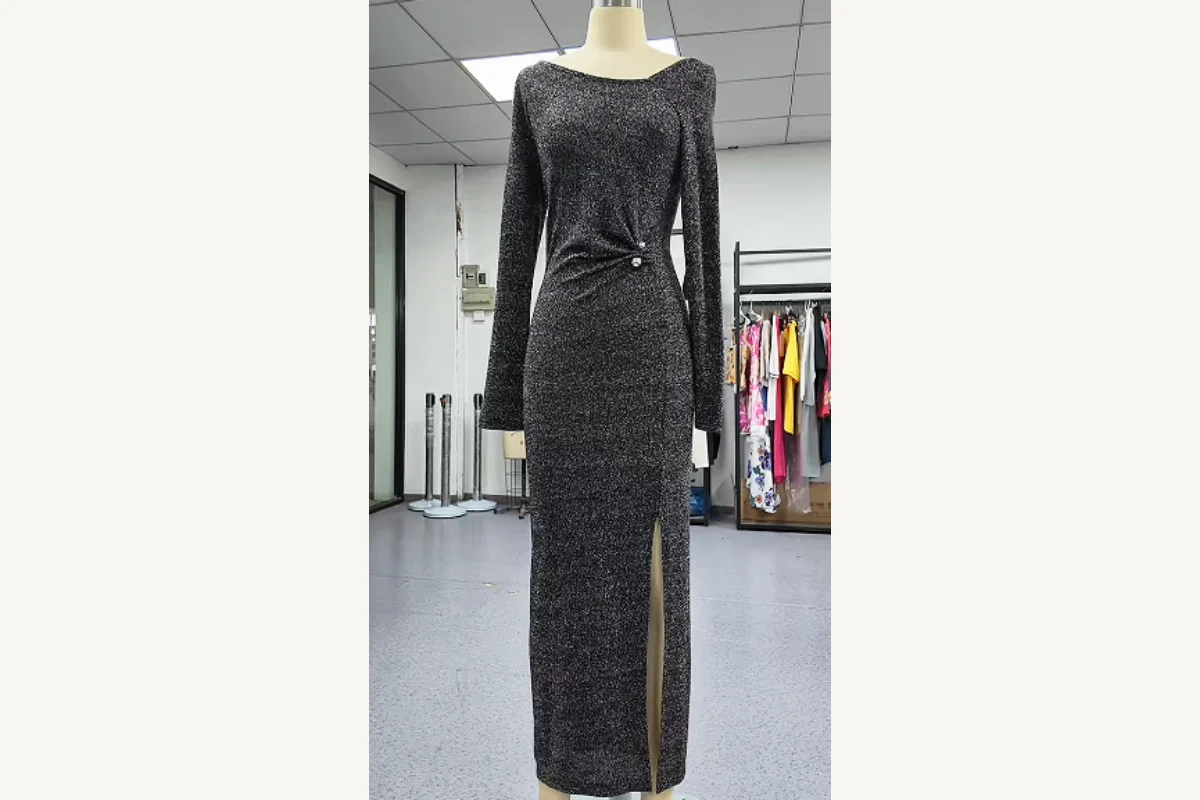
For example, two dresses can finish at mid-calf. One can hug the bust, waist and hip; the other can fall straight from the shoulder. Both are midi dresses, but they require different patterns, ease and fabric behaviour.
Silhouette Is the Missing Piece
When a brand tells us, “We want a midi dress,” our next question is, “What shape?” Length does not create the silhouette by itself.
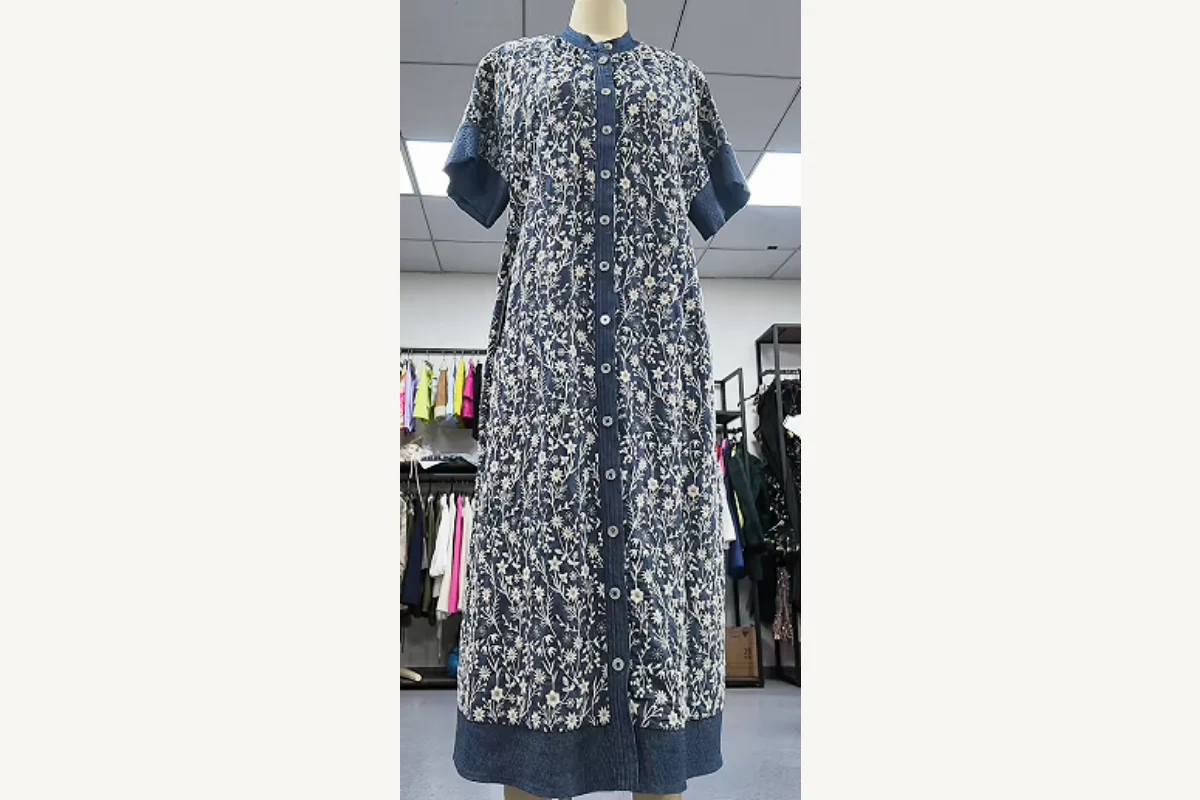
- A-line: narrower through the upper body and gradually wider toward the hem.
- Shift: relatively straight with limited waist shaping.
- Sheath: follows the body more closely through the torso and hip.
- Fit-and-flare: fits the upper body and waist, then expands through the skirt.
- Bodycon: sits close to the body and often relies on stretch and negative or minimal ease.
- Relaxed: uses more ease and less defined shaping through the body.
Any of these silhouettes can appear as a mini, midi or maxi. Therefore, a factory needs both the target length and the intended silhouette before pattern development begins.
How to Measure the Length of a Dress
For most sleeved or shoulder-bearing styles, factories use HPS-to-hem as the full garment length. HPS means High Point Shoulder: the point where the shoulder seam meets the neckline.
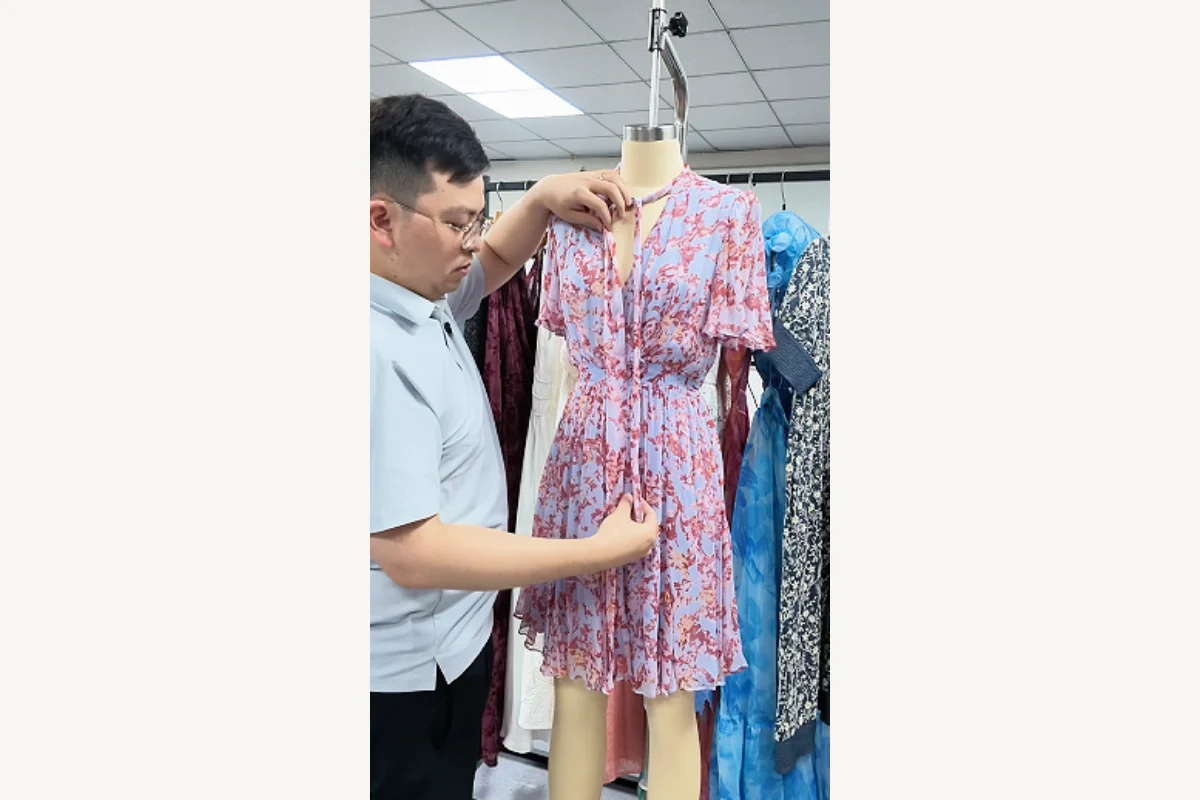
Finished-Garment Measuring Method
- Confirm the sample size. Record the base size, such as women’s M, because every size may carry a different length specification.
- Prepare the garment. Fasten zippers or buttons, place the dress flat on a level surface and smooth it without stretching the fabric.
- Find the HPS. Locate the highest shoulder point beside the neck, where the shoulder seam meets the neckline.
- Follow the specified measuring line. Measure straight from HPS to the front hem, back hem or other labelled endpoint. Do not switch between front and back methods during approval.
- Read the hem consistently. Measure to the finished bottom edge, not to a temporary raw edge or an unpressed fold.
- Record the result and tolerance. Write the actual measurement, required specification, difference and allowed tolerance in the fit report.
Techpacker’s apparel measuring guide also uses HPS-to-hem for full garment length. The important factory lesson is consistency: the brand and factory must use the same landmarks and method every time.
Special Dress Constructions Need Special POMs
| Dress construction | Recommended specification approach |
|---|---|
| Strapless dress | Measure from the labelled top bodice edge to the hem; do not call that point HPS. |
| Halter or adjustable strap | Define whether length includes the strap and state the approved strap setting. |
| High-low hem | Specify front HPS-to-hem and back HPS-to-hem separately. |
| Asymmetric hem | Measure to named shortest and longest points and mark them on the technical drawing. |
| Dress with a train | Specify the standard body length and train length as separate POMs. |
| Defined waist seam | Add HPS-to-waist and waist-to-hem so the factory can control proportion, not only total length. |
Do not mix body and garment measurements. A body measurement such as shoulder-to-floor or hollow-to-hem helps define the intended wearer. A finished dress measurement controls the actual sample. Ease, neckline shape, shoulder construction and hem allowance mean the two numbers are not interchangeable.
Why Can the Correct Dress Length Still Give You the Wrong Dress?
Suppose the Tech Pack states a total dress length of 115 cm and the sample measures exactly 115 cm. The sample can still look wrong because total length controls only one vertical dimension.
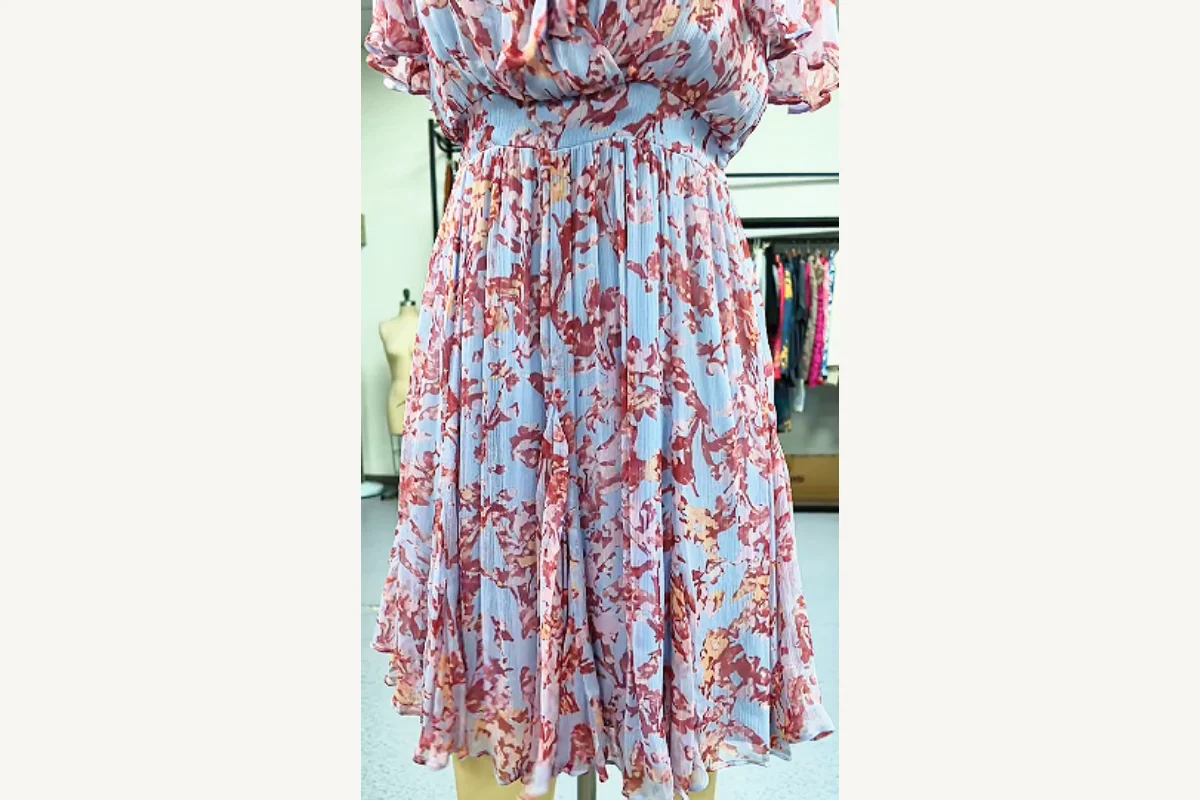
The finished appearance also depends on:
- bust shaping and dart position;
- HPS-to-waist length;
- waist and hip ease;
- shoulder width and slope;
- armhole depth and balance;
- skirt sweep and volume;
- front-to-back balance; and
- fabric stretch, weight and drape.
Lowering the waist seam by 2 cm changes the visual leg-to-torso ratio even if the hem remains in the same place. Adding waist ease can turn a fitted dress into a relaxed style without changing the total length.
Fabric Can Change Dress Fit Without Changing the Spec
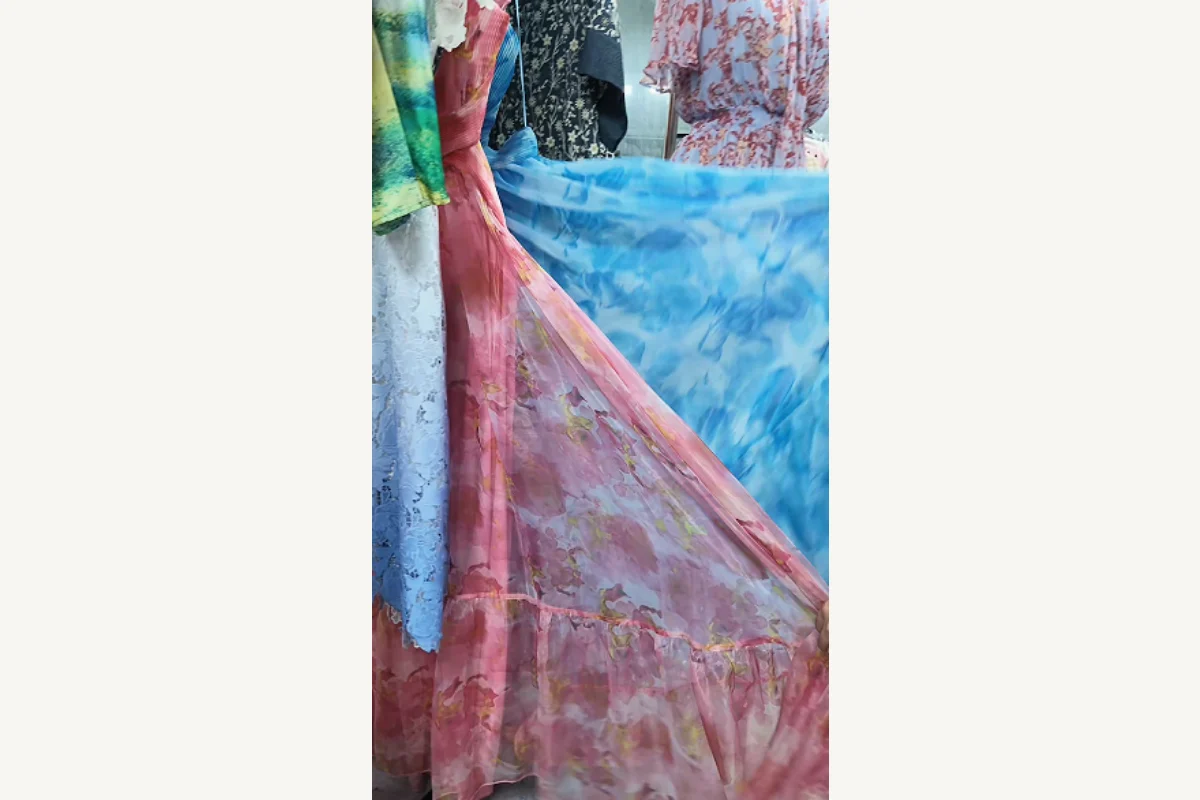
A fluid viscose may fall close to the body. A crisp cotton may hold the skirt away from the hip. Stretch jersey follows curves differently from a structured woven. Therefore, the same flat measurements can produce a different visual fit when the sample fabric changes.
From our factory perspective, brands should approve the fabric direction before judging fine fit details. Otherwise, the team may correct a pattern for the wrong material and need another round of changes later.
Body Measurements and the Target Customer Matter
ISO 8559‑1:2017 provides anthropometric definitions that clothing teams can use to build body-size and shape profiles. ISO confirmed this edition again in 2026, so it remains current. The standard does not give one universal dress length; instead, it helps teams define body measurements consistently for their target population.
Before sampling, identify the base-size body profile: height, bust, waist, hip and relevant vertical proportions. A petite range and a tall range may use the same bust girth but different HPS-to-waist and dress lengths.
What Should a Brand Put in the Tech Pack?
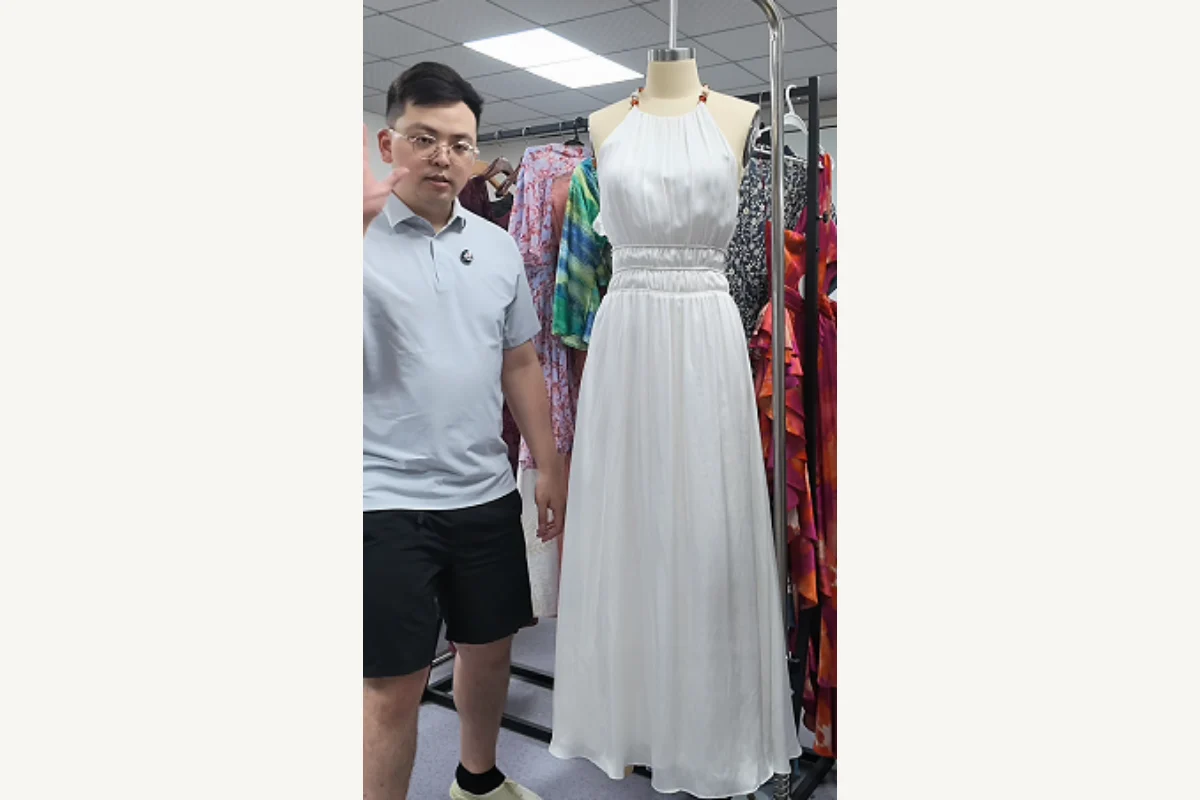
For a factory-ready dress specification, include:
- Length category: mini, midi or maxi for design context.
- Numerical POM: for example, front length from HPS to finished hem.
- Base size and tolerance: the size being sampled and the permitted variation.
- Silhouette: A-line, shift, sheath, fit-and-flare, bodycon or another clearly defined shape.
- Fit direction: fitted, regular, relaxed or oversized.
- Key horizontal POMs: bust, waist, high hip, low hip and hem sweep.
- Key vertical POMs: HPS-to-waist, waist-to-hem, neckline depth and armhole depth.
- Fabric performance: weight, stretch, recovery, drape and whether the garment uses lining.
- Grade rules: how length and girth change across the size range.
- Reference photos: label what to copy—length, silhouette, fit, fabric movement or detail.
Our factory-ready Tech Pack guide explains how flats, POMs, BOM data and construction notes work together. Clear comments also matter after Proto 1: “Raise the waist seam by 1.5 cm and reduce waist circumference by 2 cm” gives the pattern team something measurable; “the dress does not fit right” does not.
Example Dress POM Table
| POM | Base-size spec | Tolerance | Method |
|---|---|---|---|
| Front length | 115.0 cm | ±1.0 cm | HPS to front finished hem |
| HPS to waist seam | 41.0 cm | ±0.5 cm | HPS vertically to waist seam |
| 1/2 bust | 46.0 cm | ±0.5 cm | Flat, seam to seam at stated level |
| 1/2 waist | 38.0 cm | ±0.5 cm | Flat at defined waist position |
| 1/2 hip | 50.0 cm | ±0.5 cm | Flat at stated distance below waist |
This table only demonstrates format. Your pattern, fabric, size system and intended fit should determine the actual numbers and tolerances.
How to Review the First Dress Sample
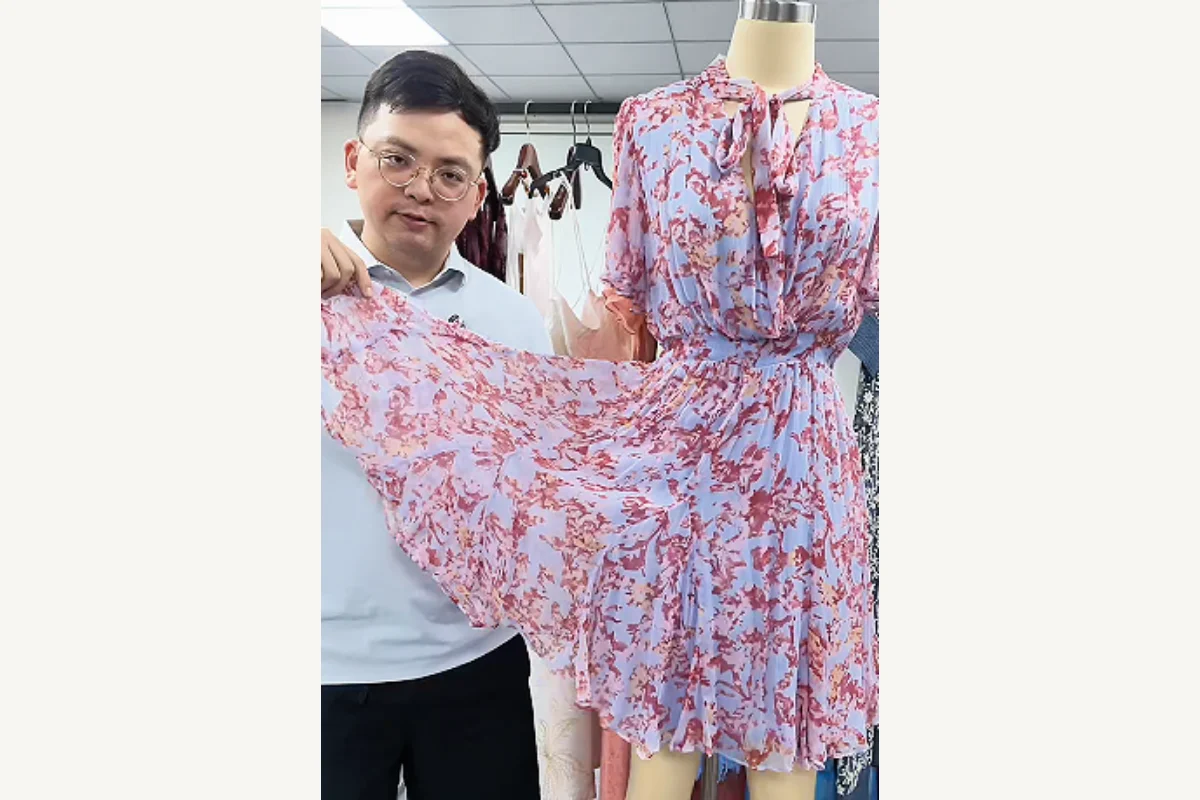
- Confirm the sample setup. Use the approved base-size fit model or dress form and the intended undergarments and footwear where relevant.
- Review the silhouette. Step back and check the overall shape against the design intent.
- Check fit and movement. Review bust, waist, hip, shoulder, armhole and comfort while standing, sitting and walking.
- Check vertical balance. Confirm waist position, neckline depth, front/back balance and skirt volume.
- Measure the dress. Compare every key POM with the specification and record actual results.
- Review the hem last. Confirm the front, back and side fall after the upper-body fit and balance are stable.
- Issue measurable comments. Add photos, arrows, centimetres and a revised spec instead of relying on subjective wording.
Techpacker describes fitting as comparing a physical sample with the measurement specification and design intent. It also recommends movement checks during a fit session. That aligns with our factory experience: a dress that looks correct while standing still may pull, ride up or restrict the wearer during movement.
How Shengfu Supports Dress Length and Fit Development
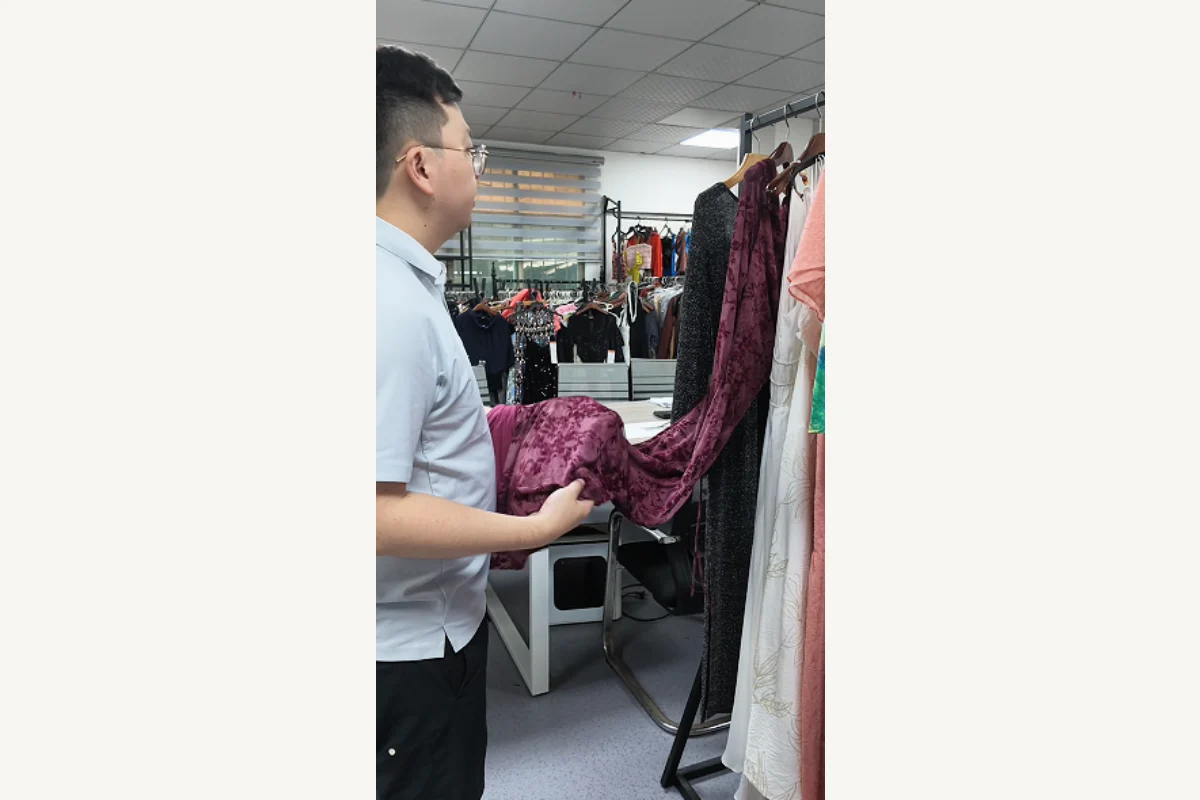
Shengfu specialises in womenswear and dress development in Humen, Dongguan. We do not treat “make it midi” as a complete instruction. Our team reviews the intended customer, base size, silhouette, length POM, waist position, ease, fabric behaviour and construction before we refine the sample.
If a sample looks different from the reference, we work backward from the visible problem. The real cause may be the waist position, bust shaping, hip ease, skirt sweep or fabric—not the length of the dress itself.
Send us your Tech Pack, size chart, reference images, fit direction, target fabric, quantity and launch date. If you only have a reference dress, send clear photos and its key measurements. We will help identify the missing specifications before sampling.
Frequently Asked Questions
How do you measure the length of a dress?
For most shoulder-bearing dresses, lay the finished garment flat, find the High Point Shoulder beside the neckline and measure to the specified finished hem without stretching the fabric. Record whether you measured the front, back, shortest or longest hem point.
Are mini, midi and maxi types of dress fit?
No. They describe approximate hem positions. A mini, midi or maxi dress can still be fitted, relaxed, A-line, shift, sheath, fit-and-flare or bodycon.
What is the difference between dress fit and silhouette?
Silhouette describes the overall visible shape. Dress fit describes how the garment relates to the wearer’s body, including ease, balance, comfort and the placement of bust, waist and hip shaping.
Why does my sample look wrong when the dress length is correct?
Total length controls only one measurement. Waist placement, bust shaping, hip ease, shoulder balance, skirt volume and fabric drape can change the whole proportion while the HPS-to-hem measurement stays correct.
Can two dresses with the same measurements fit differently?
Yes. Pattern shape, seam placement, fabric stretch, drape, construction and the distribution of ease can create different fit even when several flat measurements match.
What should I send Shengfu for dress development?
Send a Tech Pack or clear reference, size chart, base-size measurements, intended silhouette and fit, fabric direction, colours, quantity and launch date. Mark the exact length measurement points if the hem is strapless, high-low or asymmetric.
References
- ISO 8559‑1:2017 — Anthropometric Definitions for Body Measurement: the current ISO framework for body measurements used in clothing size and shape development.
- Techpacker — Garment Fitting and Fit Sign-Off Process: explains how fit teams compare samples with measurement specifications and design intent.
- Techpacker — How to Master Apparel Sizing and Measuring: an illustrated guide to garment POMs, including full length from HPS to hem.
- Lectra — Fashion Product Development and Patternmaking: connects pattern development, fit, quality and manufacturing workflows.
- Shengfu — How to Make a Dress in a Garment Factory: our factory overview of dress development, cutting, sewing and quality control.