Article Summary
Why do good clothing manufacturers reject some orders? Usually, the product, quantity, process, quality target, price or deadline does not match the factory’s proven production system. A professional clothing factory protects the brand by identifying that mismatch before sampling or bulk production.
For Custom Dresses, the right supplier should understand your fabric, silhouette, fit, construction and order scale. A clear, technical “no” can be safer than an unexplained “yes.” This guide explains the main rejection reasons, how to judge the response, and what to send so a factory can assess your project accurately.
Jump to:
Why Would Good Clothing Manufacturers Say No?
When a factory says, “This style is not suitable for us,” many brands assume the supplier lacks ability or interest. Sometimes the opposite is true. An experienced factory knows where it can control quality, cost and delivery—and where it cannot.
A responsible rejection should include a clear reason, such as:
- the product belongs to a category the factory does not produce regularly;
- the order needs equipment or craftsmanship outside its normal system;
- the material or specialist process is unavailable;
- the quantity does not suit its production model;
- the required delivery date conflicts with booked capacity;
- the requested quality cannot match the target price;
- the design information is too incomplete for a reliable commitment; or
- the project creates compliance, safety or intellectual-property concerns.
CIPS describes supplier selection as an assessment of capability and resources across capacity, technical and financial factors. That principle applies directly to apparel: the best supplier is not the factory that claims to make everything. It is the factory whose real capabilities match the product.
Product Category Matters More Than Many Brands Expect
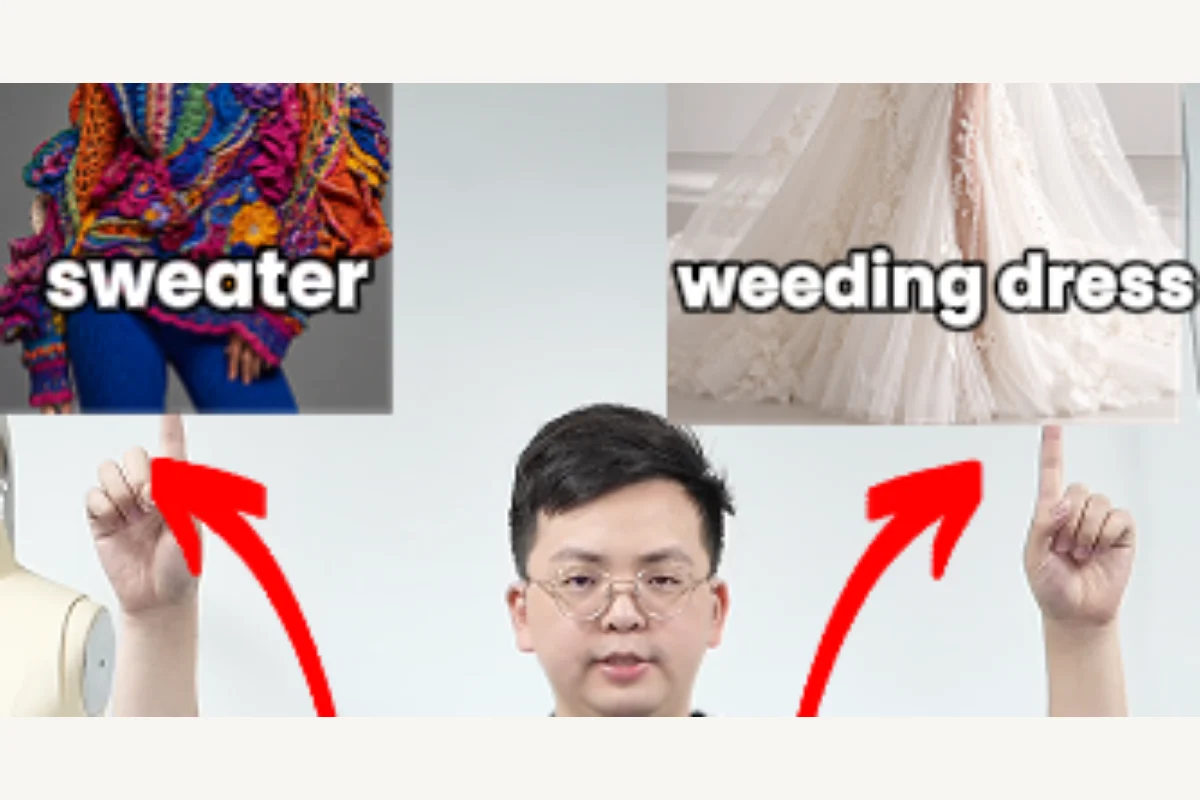
A fully fashioned sweater and a woven fashion dress are both garments, but they do not use the same production system. Knitwear may require yarn sourcing, knitting machines, gauge control, linking, washing and knit-specific pattern knowledge. A structured bridal gown may require corsetry, boning, cups, multiple lining layers, hand appliqué and extensive finishing.
A commercial fashion-dress factory may instead specialise in:
- woven and stretch womenswear fabrics;
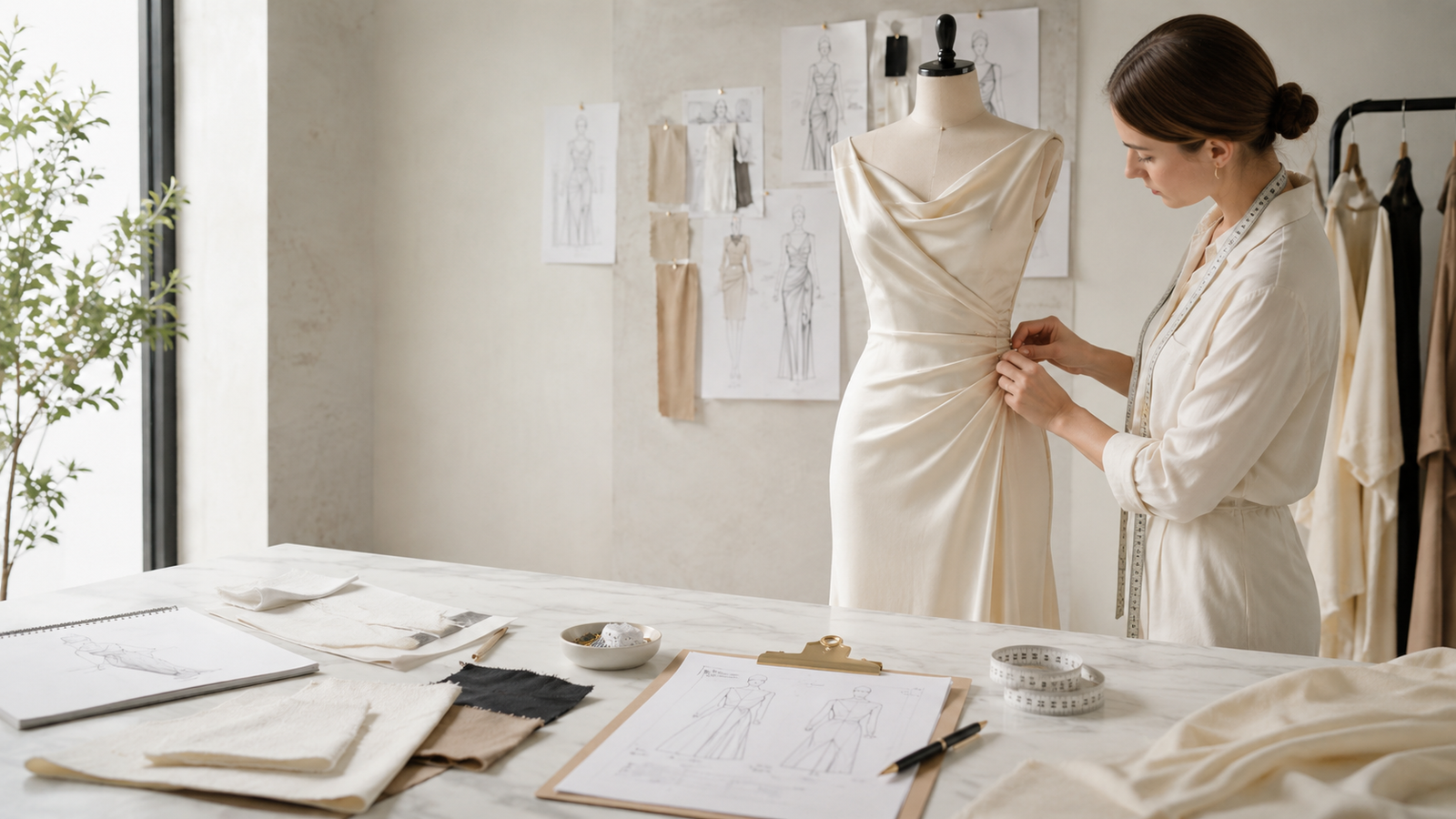
- dress pattern development and grading;
- gathering, pleating and skirt-volume control;
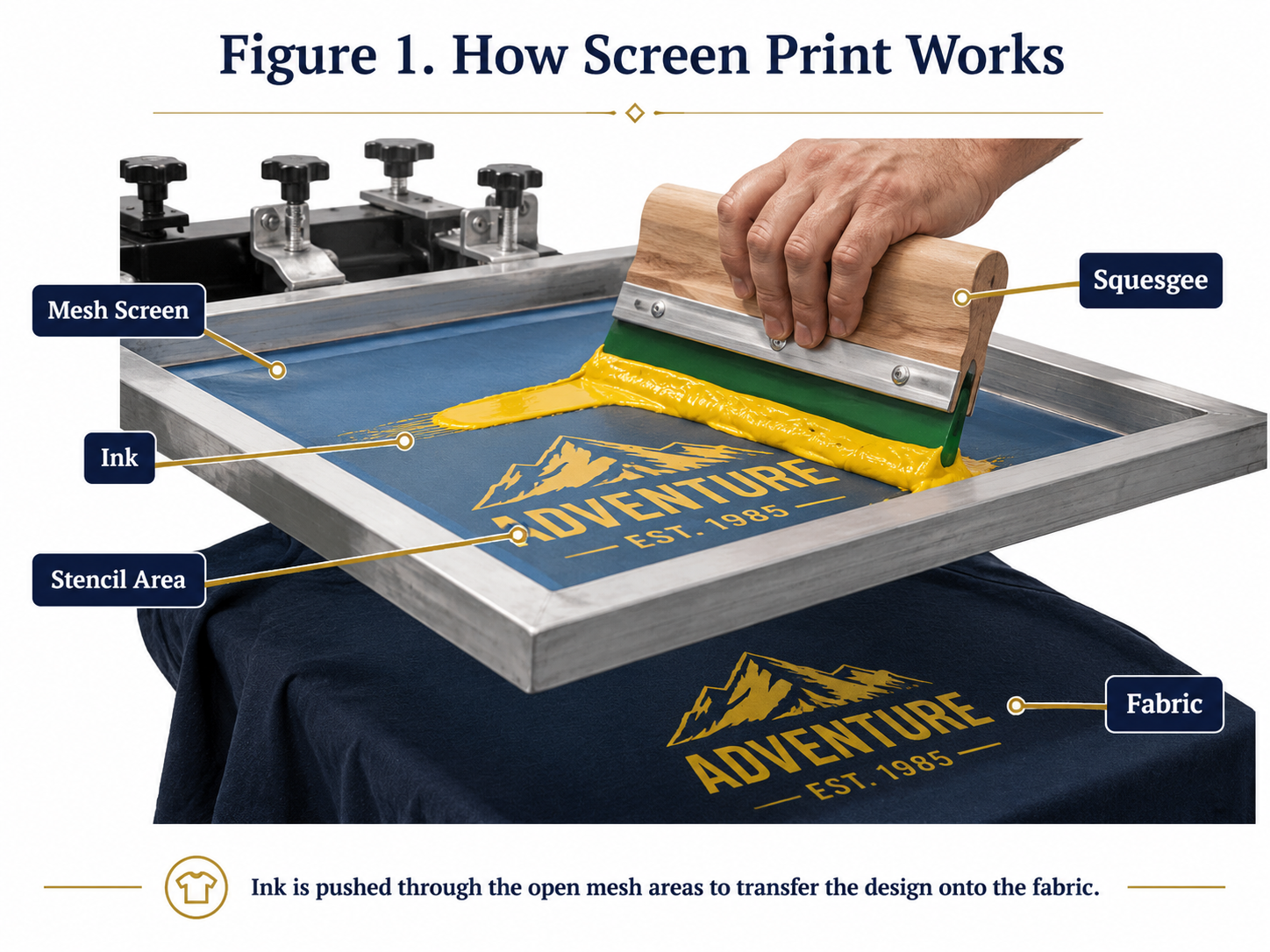
- printing and embroidery coordination;
- lining, zippers and commercial seam construction;
- fit development and sample revisions; and
- repeatable small-to-medium bulk production.
None of these categories is automatically better or harder. Each category needs different knowledge. If you search for a “Dresses factory,” do not stop at photos of dresses. Ask whether the supplier regularly handles your fabric, silhouette, construction, quantity and quality level.
Questions to Ask When You Customise Dresses
Brands that customise dresses should ask for examples with comparable technical features, not copied designs. For example:
- Have you produced a similar fabric weight and stretch?
- Do you develop fitted bodices, corsetry or only soft unstructured dresses?
- Can you control pleats, gathers, bias-cut panels or asymmetric hems?
- Which embellishment, printing or embroidery processes do you manage?
- Do you use in-house patternmakers and sample machinists?
Our guide to dress length and dress fit shows why even one product category needs detailed pattern, measurement and fabric knowledge.
Machinery Changes What a Clothing Factory Can Produce Well
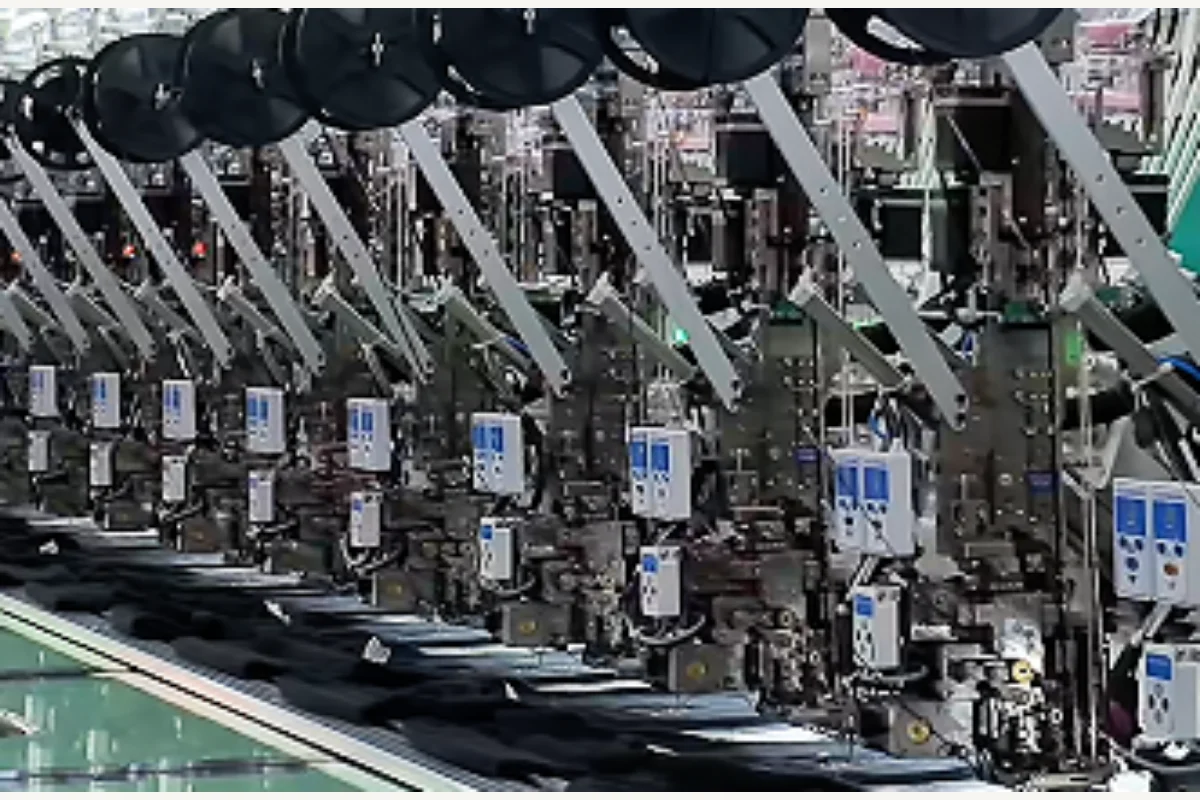
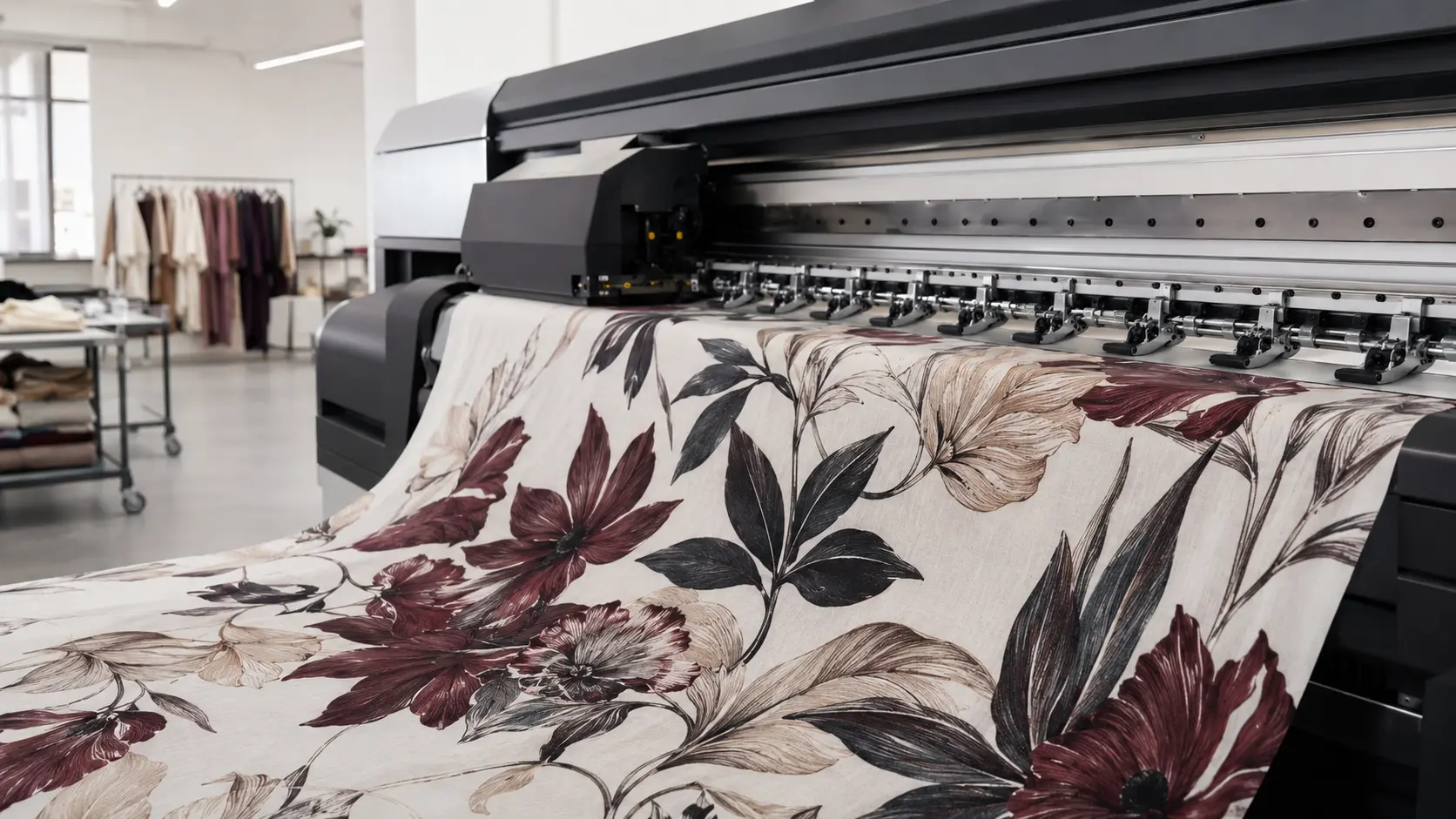
Commercial production needs more than a standard sewing machine. Depending on the product, the workflow may require overlock, coverstitch, bartack, buttonhole, automatic template sewing, embroidery, pleating, bonding, specialised pressing or washing.
Factories often outsource specialist processes such as embroidery, printing, washing and pleating. That can work well when the factory uses qualified partners and controls approvals, transport, timing and inspection. However, risk rises when too many critical steps sit outside the factory’s established network.
The OECD’s 2026 garment and footwear due-diligence overview notes that apparel supply chains commonly use multiple tiers and subcontract specialist processes. Brands should therefore ask three direct questions:
- Which operations happen inside your factory?
- Which operations go to approved subcontractors?
- How do you control quality, traceability and lead time at those sites?
Capacity Is More Than the Number of Sewing Machines
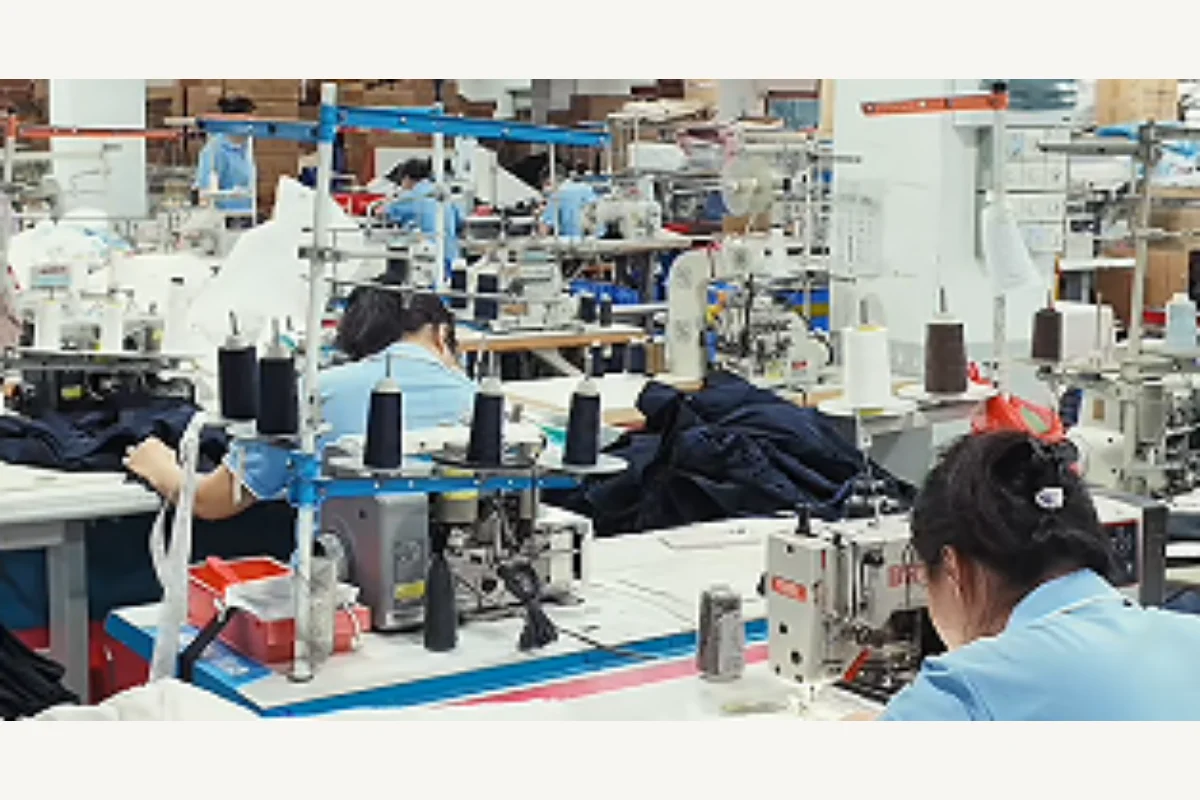
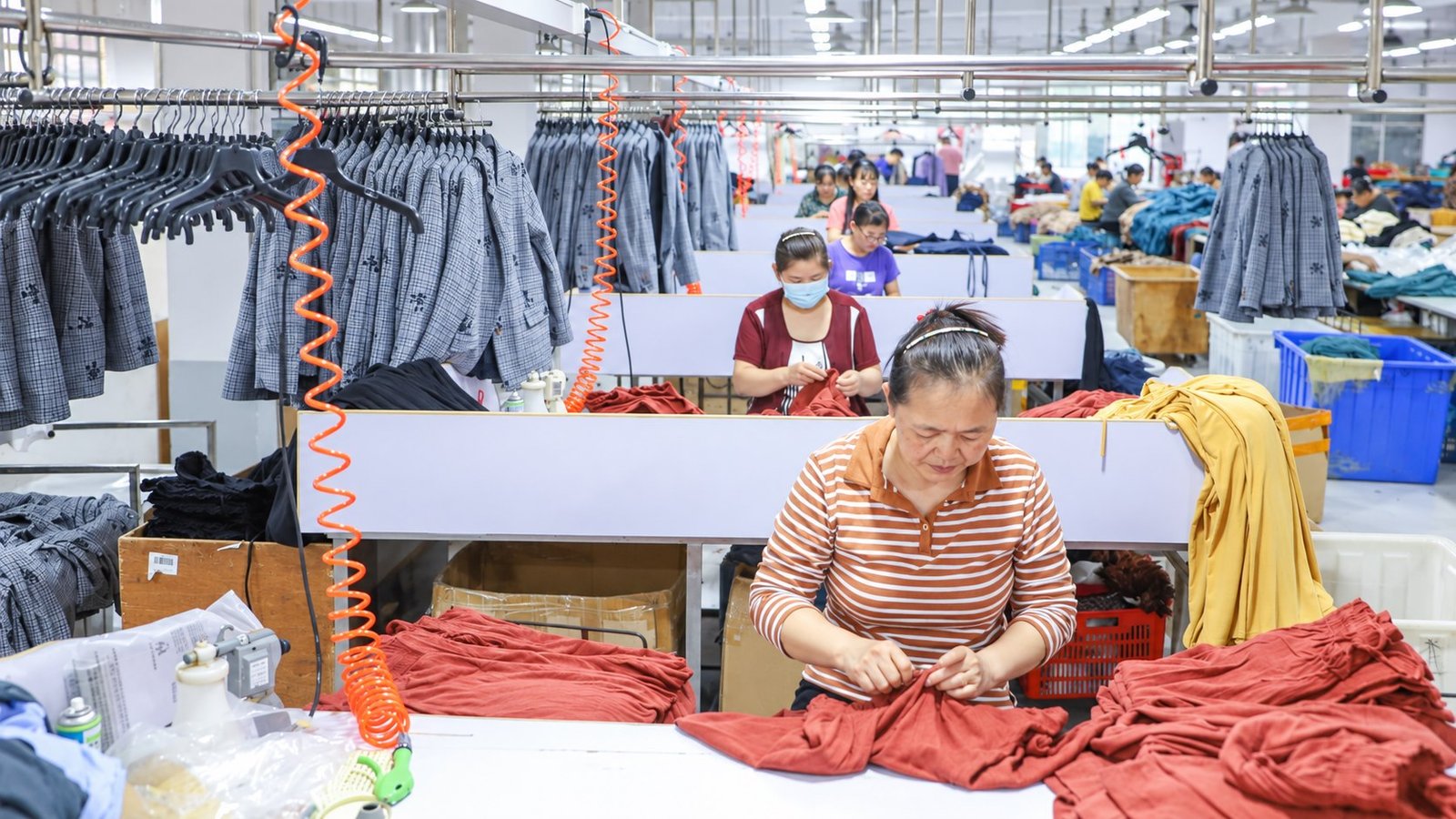
A factory may have the correct equipment but no safe production window. Capacity includes people, skills, line balance, pattern and sample workload, material arrival, inspection time and existing commitments.
If a brand asks for 5,000 complex dresses in three weeks, the factory should calculate the real operation time and line loading before agreeing. SGS lists process capability/capacity studies, sample review and production scheduling among the controls used in garment production-plan monitoring.
“We cannot meet that date” is better than accepting the order and later using uncontrolled subcontracting, excessive overtime or rushed inspection. OECD guidance also identifies unreasonable lead times, last-minute changes and poor planning as factors that can drive production risk.
MOQ Must Fit the Production Model
Different clothing manufacturers operate efficiently at different scales. A sample studio may handle 20-piece designer runs but lack resources for a 10,000-piece repeat order. A large-volume facility may find 30 pieces per colour uneconomical because setup and material minimums exceed the sewing value.
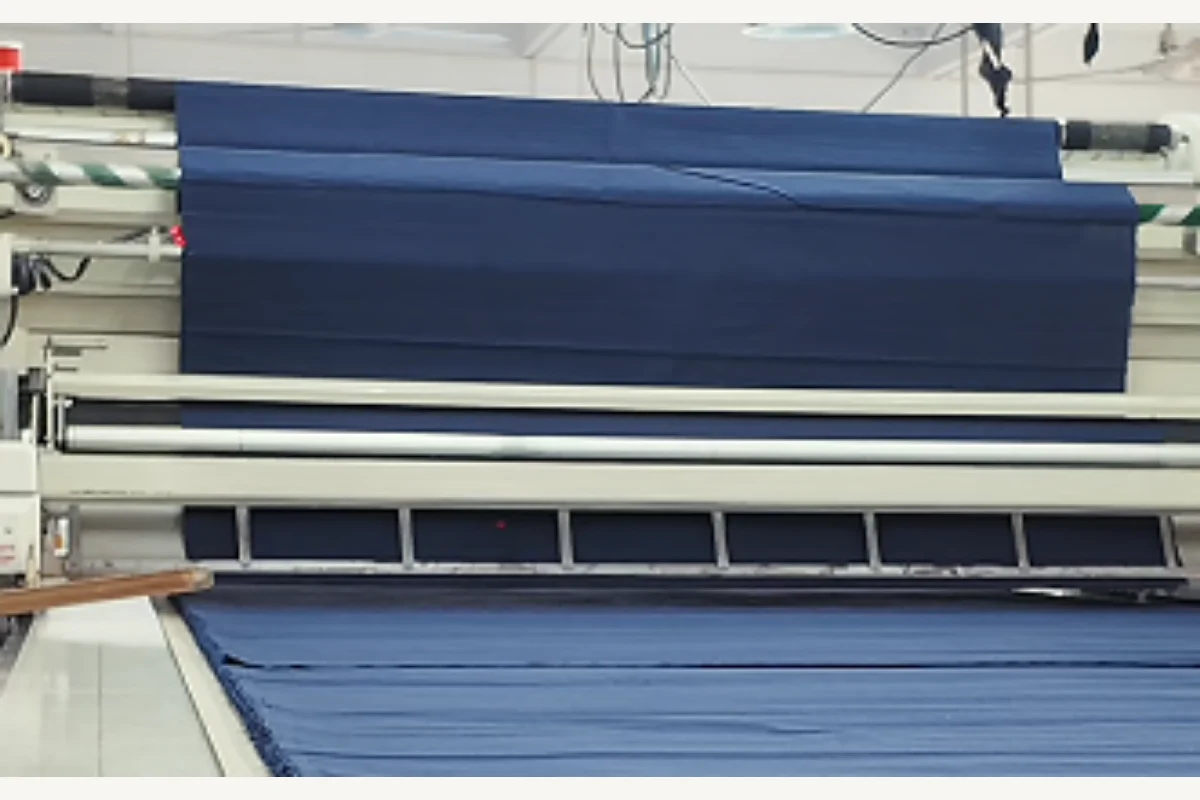
A mismatch does not make either side wrong. It means the brand needs a supplier whose scale fits the project. Read our MOQ guide to understand why smaller runs usually carry a higher unit price.
Quality, Cost and Construction Must Work Together
A project can become unworkable when the brand combines a difficult fabric, complex workmanship, very tight tolerances, extensive inspection and a price that cannot support the required work.
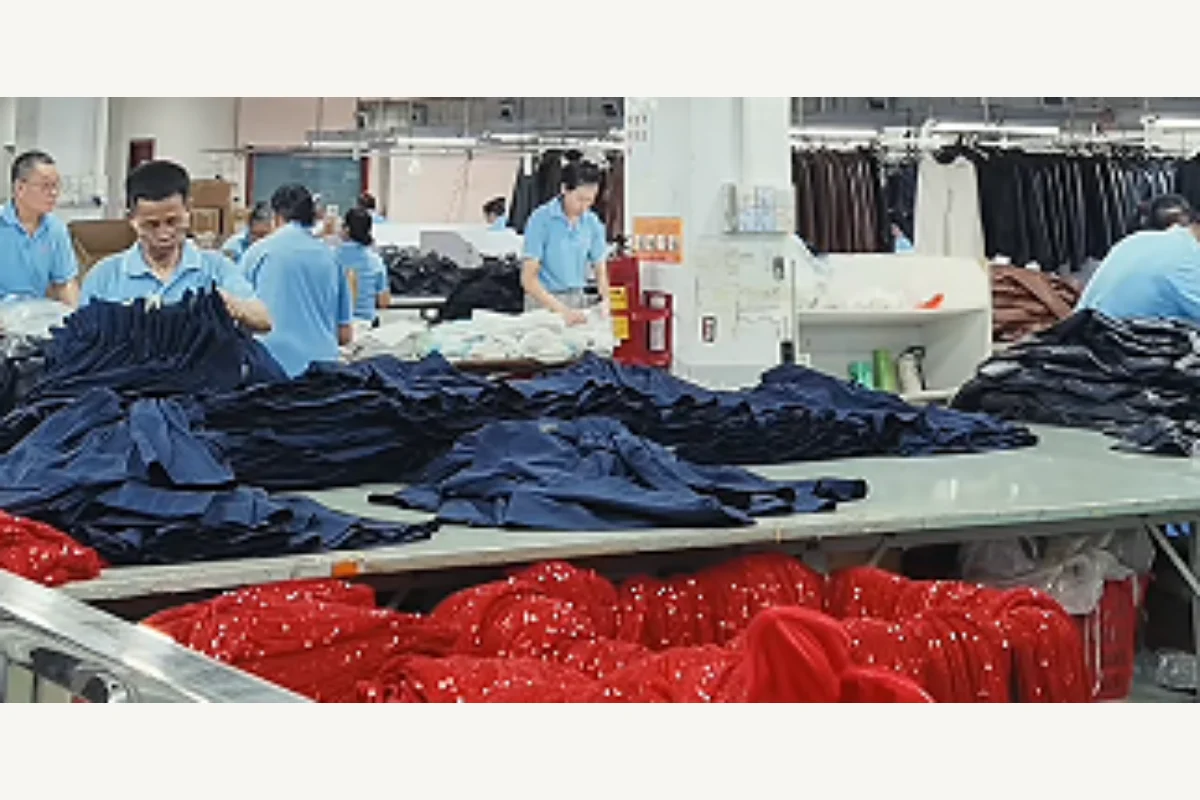
A responsible factory should identify the conflict before production and explain the options:
- change the material while preserving the intended drape or performance;
- simplify a hidden construction detail;
- use stock trims or colours for the first run;
- increase the quantity to spread setup cost;
- accept a higher unit price for the original specification; or
- adjust the launch date to protect development and production time.
A low quote does not solve an impossible specification. Our article on how to get a clothing manufacturing quote explains how to compare material, construction, MOQ, quality and delivery assumptions.
A Useful Feasibility Matrix
| Factor | Green: workable | Yellow: needs discussion | Red: likely rejection |
|---|---|---|---|
| Product category | Similar styles produced regularly | Some new operations | Outside the factory’s production system |
| Material | Approved source and known behaviour | New mill, finish or testing | Unavailable or incompatible with construction |
| Quantity | Fits line and supplier minimums | Small-order surcharge or fewer colours | Far below or above practical capacity |
| Quality | Clear standard and achievable tolerance | Trials needed before confirmation | Specification conflicts with price or process capability |
| Timing | Allows development, sourcing and production | Requires fast decisions or stock material | Impossible date with no risk allowance |
| Information | Complete Tech Pack and quantity breakdown | Several details need confirmation | No reliable basis for costing or production |
Sometimes the Factory Is Refusing to Guess
A brand may send one screenshot and ask, “Can you make this?” The factory still does not know the fabric composition, GSM, stretch, lining, construction, trims, size range, colours, quantity, tolerance, packaging or delivery term.
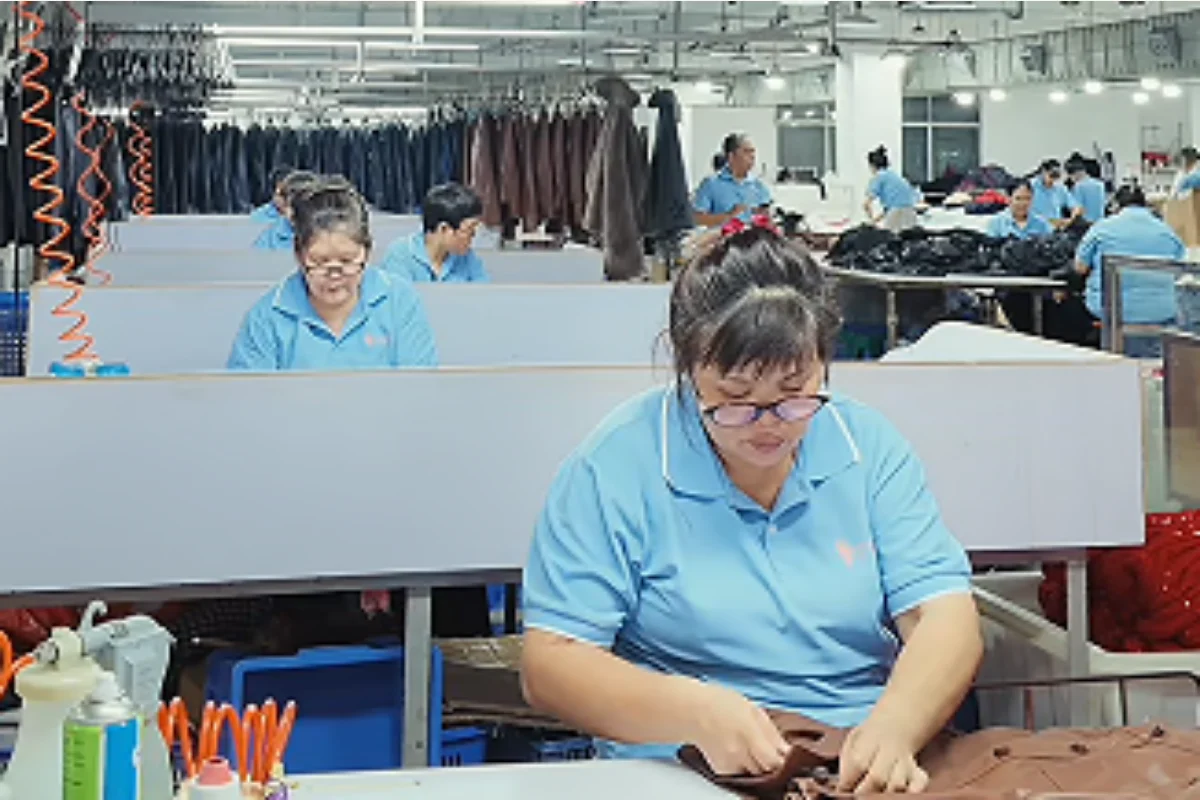
When the factory asks for more information, it is not rejecting the brand. It is refusing to invent assumptions that may later change cost or quality. A factory-ready Tech Pack gives clothing manufacturers a consistent basis for evaluation.
Minimum Information for a Feasibility Review
- technical drawing or clear front, back and detail references;
- target fabric, composition, weight, stretch and finish;
- lining, construction and critical workmanship;
- print, embroidery or embellishment artwork;
- base-size measurements or size chart;
- quantity per style and colour;
- quality or testing requirements;
- target price and commercial term;
- packaging requirements; and
- sample and bulk-delivery dates.
Sometimes “No” Means “Not This Way”
The most useful factory response may sit between yes and no:
- “We cannot custom-dye this quantity, but these stock colours can support the first run.”
- “This fabric will not hold the bodice shape, but this alternative has similar appearance and better recovery.”
- “The original embellishment exceeds the target cost, but this placement or technique keeps the design direction.”
- “We cannot meet the requested date with five colours, but two colours can fit the material and cutting plan.”
This response shows development thinking. The factory protects the design intent while changing the production route.
How to Tell Whether the Factory’s “No” Is Professional
| Healthy response | Warning sign |
|---|---|
| Names the specific capability, material, capacity or timing issue | Rejects the project without reading the information |
| Explains which requirement creates the risk | Uses vague statements that keep changing |
| Offers a technically realistic alternative when possible | Pushes an unrelated product or material without explanation |
| States what it can confirm only after trials or sampling | Promises everything before reviewing the Tech Pack |
| Protects existing commitments and realistic lead times | Accepts an impossible deadline and plans to solve it later |
Ask the factory for evidence instead of reassurance:
- Can you show products with similar construction?
- Which processes do you handle regularly?
- Which operations will you subcontract?
- What are the three main risks in my style?
- Does my quantity fit your normal production model?
- What approvals must happen before you confirm bulk timing?
A knowledgeable supplier should answer these questions in concrete terms.
How Can a Brand Make Its Order Easier to Accept?
- Shortlist specialists. Choose factories that regularly make your category, fabric and construction level.
- Send complete information. Use one current Tech Pack and identify any open decisions.
- Share the true quantity. Include the style, colour and size breakdown instead of a vague future forecast.
- Separate needs from preferences. Tell the factory which material, fit and design features cannot change.
- Use a realistic calendar. Allow time for fabric, sample review, revisions, approvals, bulk production and inspection.
- Discuss the target price openly. Ask which specification drives cost rather than demanding an unexplained reduction.
- Respond quickly during development. Late artwork, colour or fit decisions consume the production buffer.
Better Buying’s supplier research connects predictable purchasing and sufficient production time with more sustainable supplier relationships. For brands, this also means fewer rushed decisions and a clearer path to on-time delivery.
When Is Shengfu a Good Fit for Custom Dresses?
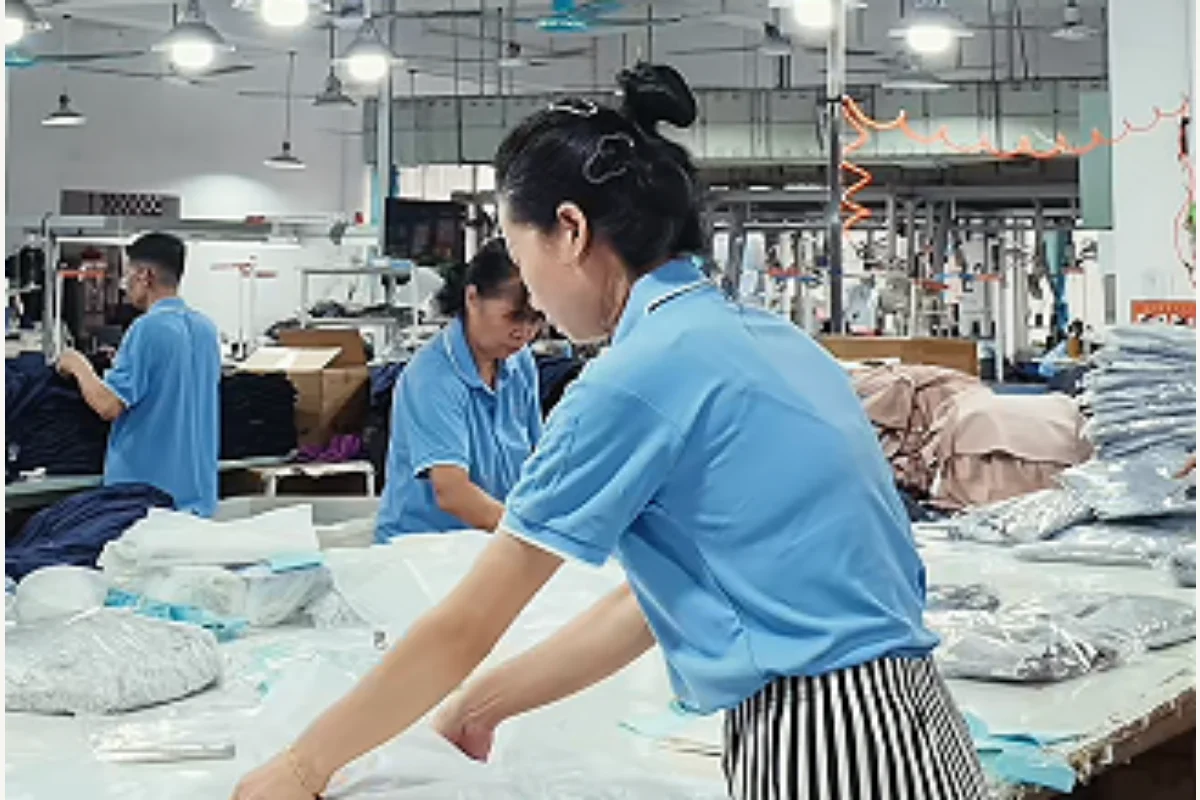
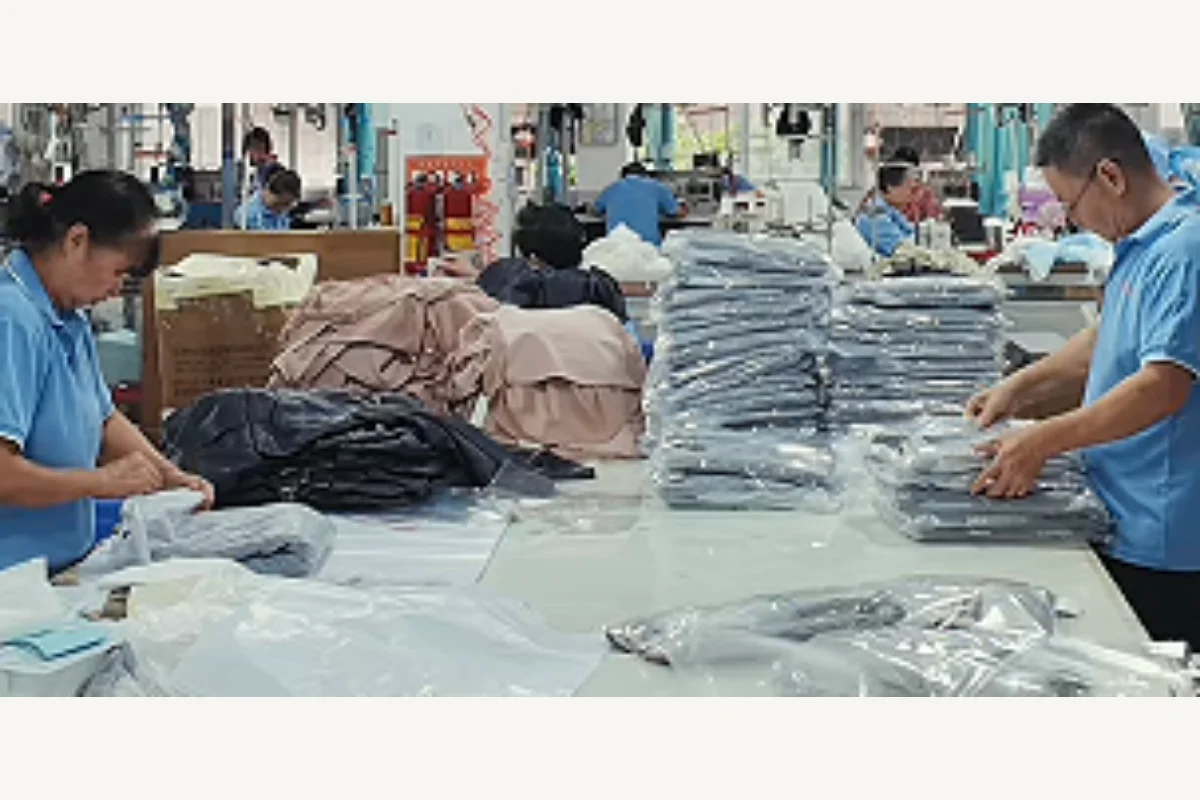
Shengfu is a womenswear and fashion-dress manufacturer in Humen, Dongguan. We support pattern development, fabric review, sampling, fit correction, commercial sewing, selected decorative processes, quality control and bulk delivery.
We are a strong candidate when your project involves commercial woven or knit womenswear, especially dresses that need coordinated development and repeatable production. However, we still review every enquiry against material availability, construction, quantity, quality target and schedule.
We would rather explain a conflict early than accept an order we cannot execute properly. If the original route does not work, our team can discuss stock fabric, construction, colour, trim, quantity or timing alternatives while protecting the product’s essential design.
Send your Tech Pack or reference images, fabric direction, size range, colour breakdown, quantity, target price and launch date. We will review whether the project fits our production system and identify the next technical step.
Frequently Asked Questions
Why would a clothing factory reject my order?
Common reasons include a product-category mismatch, unavailable material or process, unsuitable quantity, booked capacity, unrealistic timing, incomplete specifications or a quality target that conflicts with the proposed price.
Is it a bad sign when clothing manufacturers say they cannot make my product?
Not necessarily. A specific technical explanation can show that the supplier understands its limits. Be more cautious when a factory promises every category, quantity and deadline without reviewing the product.
Can one factory manufacture every clothing category?
Usually not with equal strength. Fully fashioned knitwear, technical outerwear, structured bridalwear and commercial fashion dresses use different machinery, materials and technical skills.
Can a factory outsource embroidery, printing or pleating?
Yes. Specialist subcontracting is common in apparel. Ask which processes leave the main factory, who approves the partner and how the factory controls samples, traceability, quality and lead time.
How do I choose a factory for Custom Dresses?
Look for similar product-category experience, suitable pattern and sample skills, relevant machinery, fabric knowledge, a workable MOQ, transparent subcontracting and enough capacity for your delivery date.
What should I send Shengfu for an order review?
Send your Tech Pack or reference, target fabric, critical construction details, size range, colour and quantity breakdown, target cost, quality requirements and required sample and bulk dates.
References
- CIPS — Supplier Evaluation: explains why supplier selection should assess capability, capacity and technical resources.
- SGS — Production Plan Monitoring: covers process capability, capacity studies, sample approval, production scheduling and in-process controls.
- OECD — Due Diligence Essentials for Garment and Footwear: describes multi-tier supply chains, subcontracting and current garment-sector sourcing risks.
- Better Buying — Purchasing Practices Research: links predictable business and sufficient production time with more sustainable supplier relationships.
- Shengfu — How to Make a Dress in a Garment Factory: our factory overview of development, cutting, sewing and quality control.