Article Summary
Payment Security when working with clothing manufacturers starts before you send money. Verify the supplier’s real production operation, match the company names on the contract and invoice with the bank beneficiary, put specifications and payment triggers in writing, and independently confirm every change to payment instructions.
For custom dresses, the factory often needs a deposit to reserve materials and production capacity. However, a deposit should connect to an agreed commercial document and a defined next step. Secured payments do not come from trust alone; they come from verification, controlled communication and evidence-based milestones.
Jump to:
What Does Payment Security Mean With Clothing Manufacturers?
Payment Security means reducing the chance of paying the wrong party, paying against unclear terms or releasing money before the agreed evidence exists. It protects both buyer and supplier.
The buyer needs confidence that the supplier is genuine and will use the funds for the agreed project. The clothing factory needs confidence that the brand will pay for materials, development and finished goods on time. A workable process balances both sides.
Payment security has four layers:
- Identity: Who signed the agreement, issued the invoice and owns the receiving account?
- Scope: Which style, material, quantity, quality standard and delivery term does the payment cover?
- Trigger: Which completed milestone makes the next payment due?
- Authentication: How will both companies verify instructions, especially any request to change bank details?
No single document, platform or payment method removes every risk. A professional workflow combines all four layers.
Three Checks Before Paying a Clothing Factory Deposit
1. Verify the Factory Operation
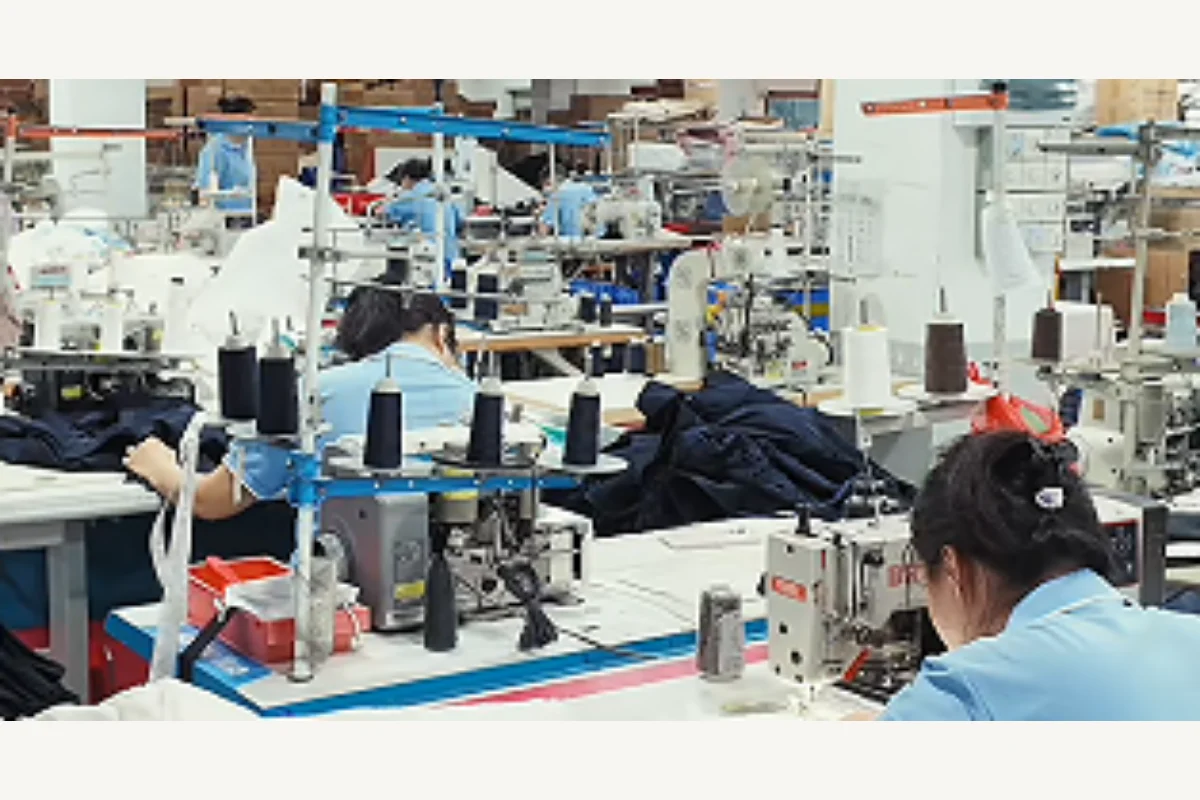
Request a live video call or arrange an independent visit. Ask the supplier to show the cutting area, sample room, sewing line, quality-control area, packing area and current production that relates to your product category.
A video call does not replace legal due diligence, but it can reveal whether the supplier understands its own operation. Ask the person to move between areas, show the current date and answer technical questions in real time. If the company claims to manufacture dresses, ask how it controls patterns, fit samples, lining, delicate fabric and finishing.
You can also review the supplier’s business registration, address, website domain, company email, production examples and references. Our guide on why clothing manufacturers reject unsuitable orders explains how to assess product-category and capacity fit.
2. Match the Commercial and Bank Details
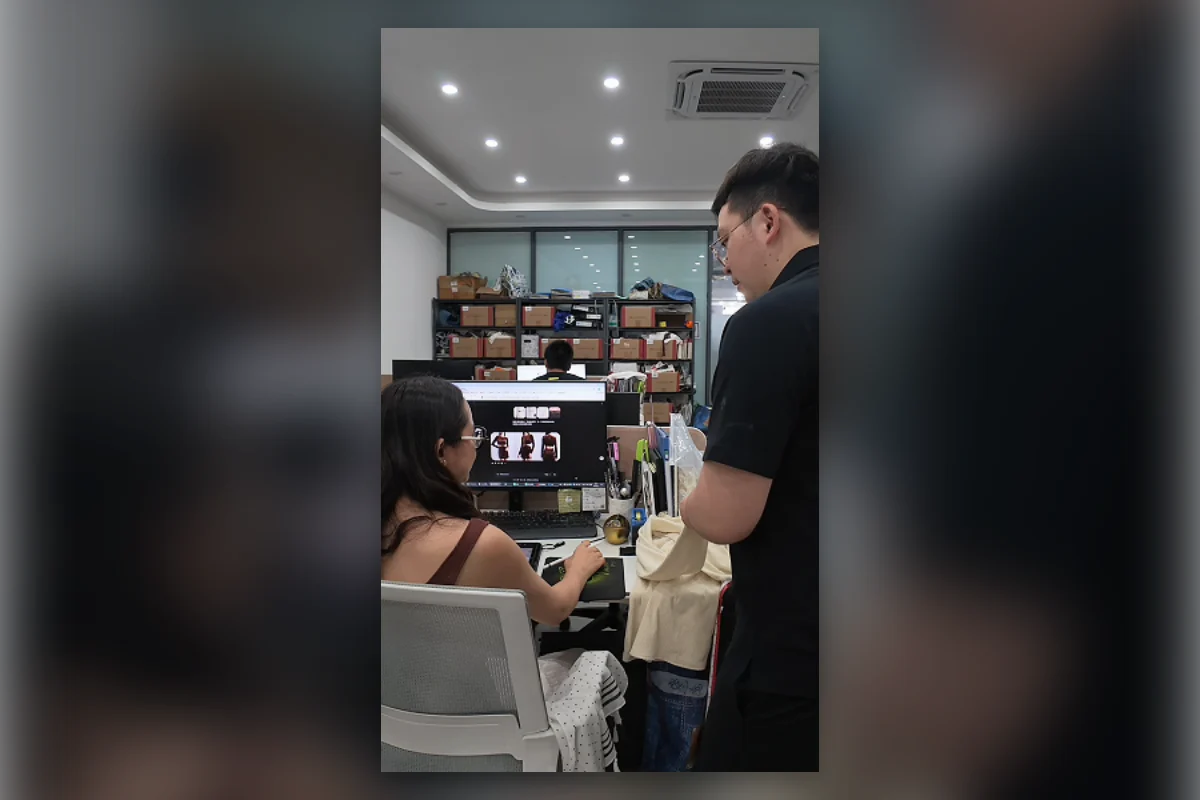
Compare the legal company name and address across the quotation, contract and proforma invoice. Then check the bank beneficiary name, account number, bank name, bank country, currency and SWIFT/BIC information.
The beneficiary name may occasionally differ for a legitimate reason—for example, an authorised trading or export entity may collect funds. Do not assume that every difference means fraud. However, ask the supplier to explain the relationship in writing and provide documents that connect the contracting party to the receiving party. Confirm the arrangement with your bank or adviser before sending funds.
Be particularly cautious when someone asks you to pay a personal account, an unrelated company or a different country without a documented reason. Stop and investigate rather than accepting a verbal explanation.
3. Start With Development or a Controlled Trial
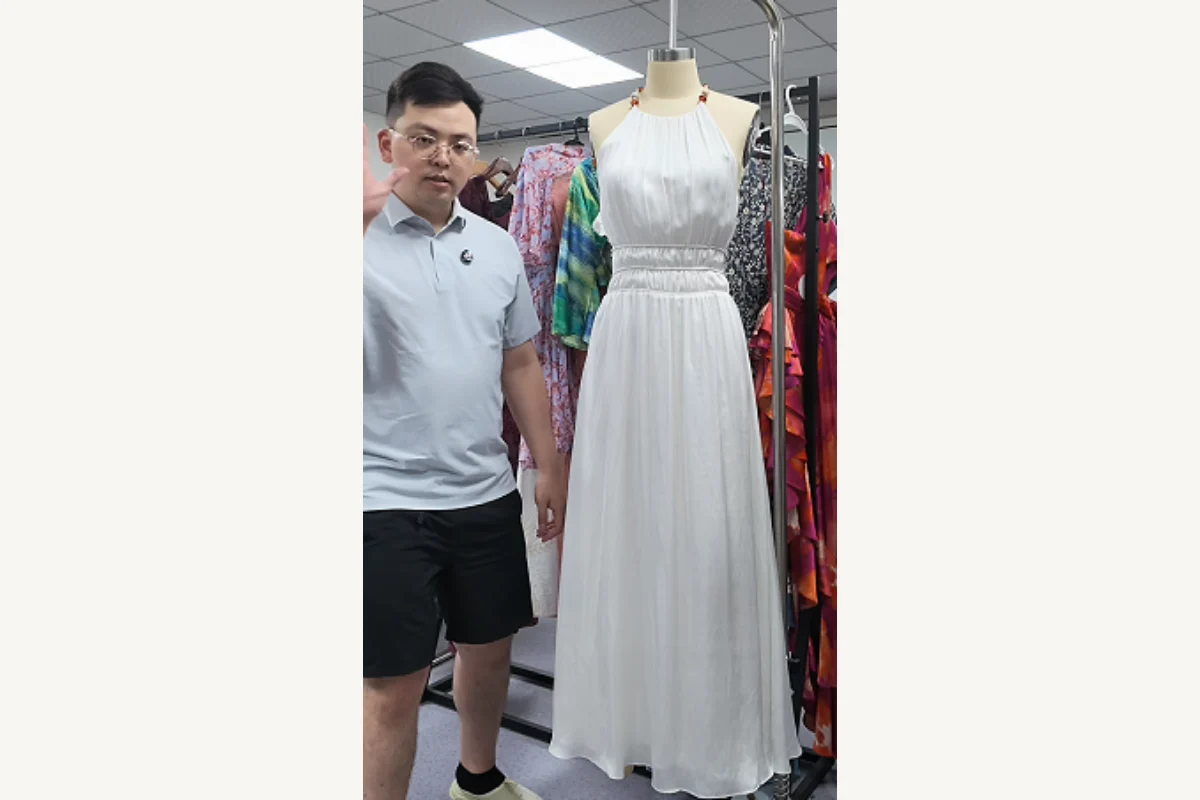
For a new relationship, a sample or small trial creates evidence before a larger commitment. Put the fabric, measurements, construction, quality expectations, sample timing and revision policy in writing.
A sample does not guarantee perfect bulk production, but it helps both sides confirm whether the design and working relationship are viable. Do not treat an approved sample as the only control; the bulk order still needs a signed specification, production checkpoints and inspection criteria.
International Payment Methods: Which One Is Safer?
The U.S. International Trade Administration explains that international trade uses a spectrum of payment methods. Each method distributes risk differently between buyer and seller. Choose the method according to order value, relationship history, country risk, bank support and negotiating leverage.
| Method | How it generally works | Buyer considerations | Supplier considerations |
|---|---|---|---|
| Bank transfer / wire | Buyer sends funds directly to the beneficiary account | Fast, but account details and payment changes need strict verification | Clear settlement; deposit reduces material and capacity risk |
| Letter of Credit (LC) | A bank commits to pay when compliant documents meet the LC terms | Useful for larger or higher-risk transactions; document conditions must be precise | Stronger bank-backed payment structure, but fees and documentary errors matter |
| Documentary collection | Banks exchange shipping documents against payment or acceptance | Lower cost than many LCs, but banks do not provide the same payment commitment | Works best with an established buyer and suitable shipment structure |
| Escrow or approved trade platform | A third party holds or controls funds until defined conditions occur | Review the provider, coverage, dispute rules, fees and release conditions | Release conditions must reflect real production and shipping evidence |
| Open account | Supplier ships before payment becomes due | Buyer-friendly cash flow | Higher credit risk; usually requires an established relationship or risk protection |
A label such as “escrow” or “secured payment” is not enough. Read the actual terms: what the provider verifies, when it releases funds, which disputes it covers and which documents it accepts. Your bank can help evaluate transfer instructions, documentary credits and trade-finance options for your transaction.
How to Structure Payment Milestones for a Garment Order
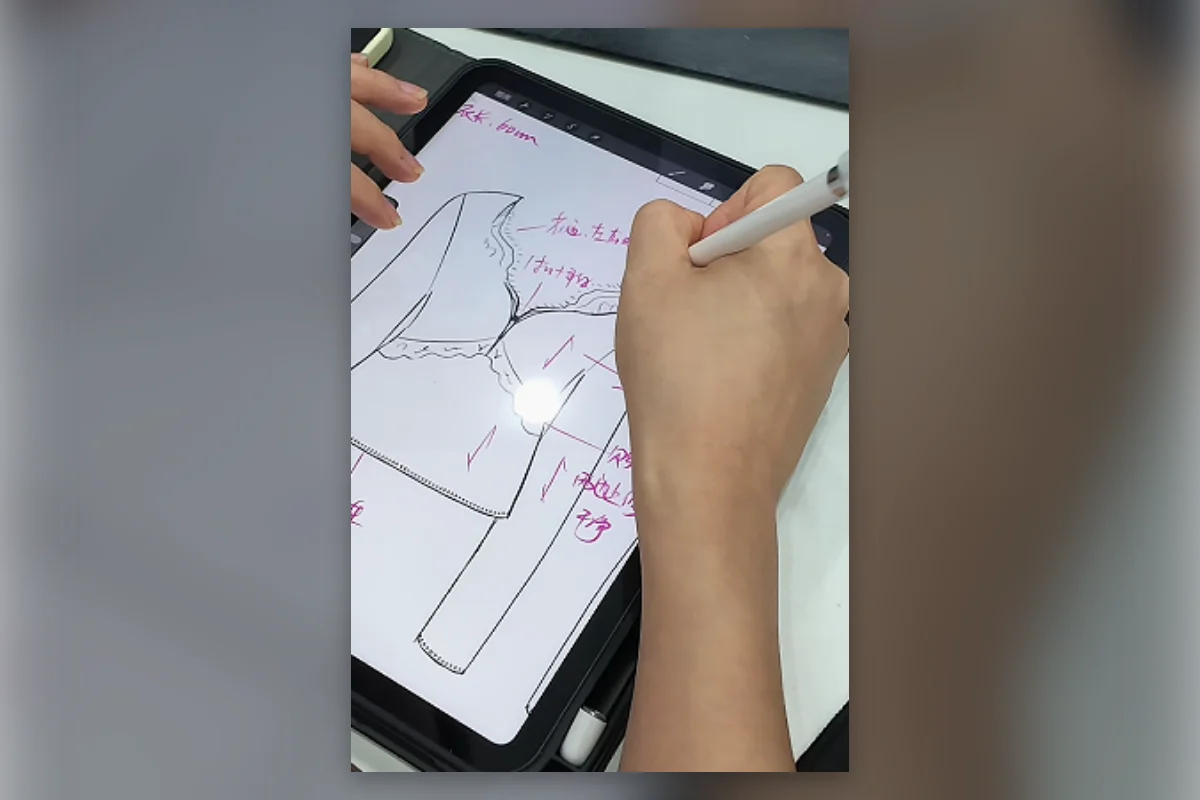
There is no universal deposit percentage for all clothing manufacturers. Custom development, special materials, order size, buyer history and commercial leverage all affect the terms. Instead of copying a percentage from another project, connect each payment to a defined milestone.
| Stage | Supplier evidence | Buyer check before payment |
|---|---|---|
| Sample development | Sample invoice, design version and stated deliverable | Confirm the sample scope, lead time and revision policy |
| Bulk order confirmation | Signed contract or PO, proforma invoice and quantity breakdown | Match style, colour, size, price, Incoterm and beneficiary details |
| Material commitment | Approved fabric/trim specification and purchasing plan | Approve lab dip, print, swatch or other required material standard |
| Production progress | Production status, dated images/video or agreed inspection evidence | Confirm that bulk uses approved material and construction |
| Balance and shipment | Final inspection result, packing list and agreed shipping documents | Check quantities, quality status, packaging and shipment instructions |
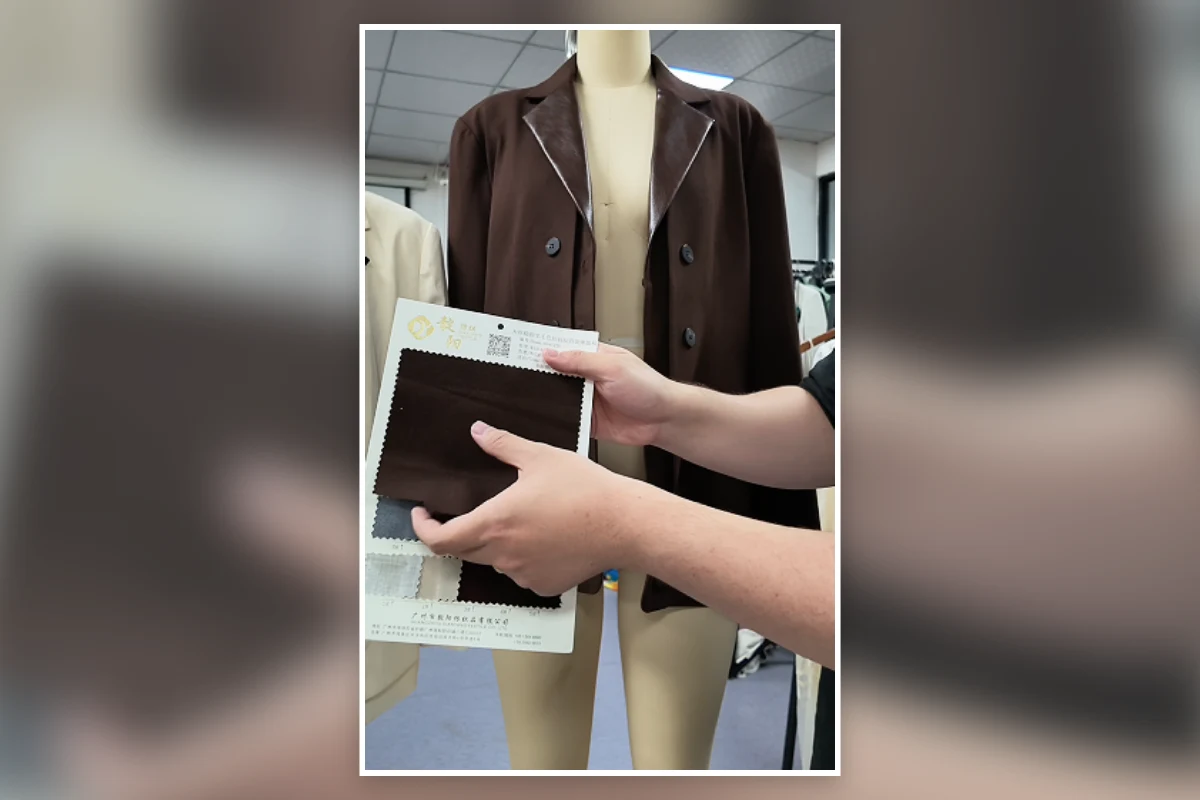
The contract should state what happens if the buyer changes the design after approval, the material supplier misses a date, inspection finds defects or shipment documents need correction. Clear change-control terms reduce payment disputes.
What the Contract or Purchase Order Should Cover
- legal names and addresses of buyer and supplier;
- style numbers and the approved specification version;
- quantity by colour and size;
- unit price, currency and total value;
- sample, mould, artwork or testing charges;
- payment amount, timing and beneficiary details;
- Incoterm and named place;
- quality criteria, tolerances and inspection method;
- packaging, labels and shipping documents;
- change, cancellation and delay responsibilities; and
- applicable dispute and governing-law provisions reviewed by qualified advisers.
Our guides to factory-ready Tech Packs and complete clothing quotations explain how product information supports a reliable commercial agreement.
Treat Every Bank-Account Change as a Security Event
Business Email Compromise (BEC) can make a fraudulent payment request look as if it came from a real supplier. Criminals may copy email threads, logos, invoices and writing style, then replace the bank account near a payment date.
The FBI and IC3 recommend independently verifying any change in account number or payment procedure through a secondary channel. Use a phone number or contact you already know—not a number supplied in the change request.
Bank-Change Verification Checklist
- Pause the payment. Do not let urgency override verification.
- Do not reply only to the same email. Start a new message to a saved company address or use an established messaging channel.
- Call a known contact. Use a number from your existing records, official website or previous verified documentation.
- Verify every field. Confirm beneficiary name, account number, bank, country, currency and reason for the change.
- Request written authorisation. Ask for an official document from an authorised company representative.
- Use dual approval. Require two people in your company to review changed instructions and large transfers.
- Confirm with your bank. Ask whether extra beneficiary checks or transfer controls are available.
Red flags include a last-minute account change, unusual urgency, a new email domain, a request for secrecy, mismatched beneficiary information, spelling changes in the domain or a sudden move from a company account to a personal account.
Payment Security for Custom Dresses
Custom dresses create legitimate upfront costs. The factory may need to develop patterns, buy fabric and trims, create print or embroidery files and reserve skilled operators. A deposit can therefore be commercially reasonable, but the brand should know what that deposit funds.
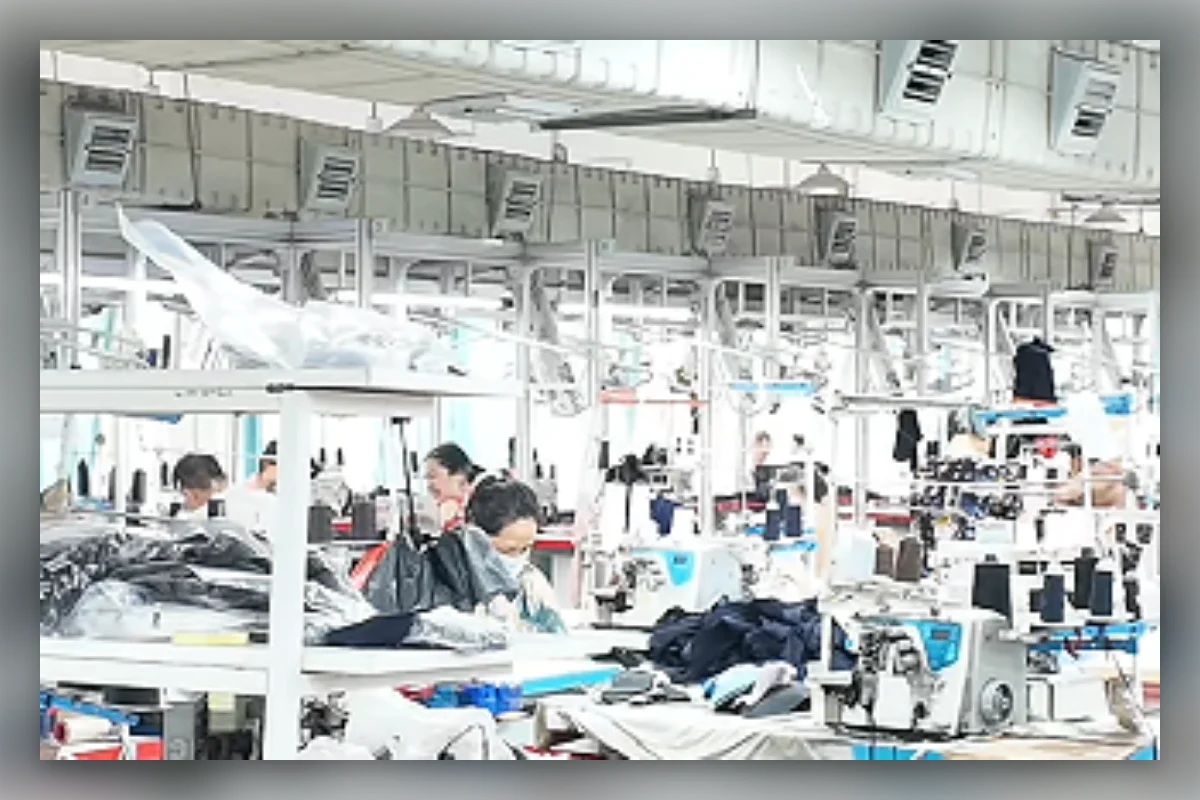
Before the bulk deposit, confirm:
- the approved sample or clearly recorded outstanding changes;
- the final Tech Pack and size specification;
- fabric, colour, print and trim approvals;
- quantity and SKU breakdown;
- brand label, size label, care label, hangtag and packaging;
- inspection standard and acceptable defect criteria;
- production and shipment dates; and
- the next payment trigger.
For first collections, reduce avoidable variables. Fewer styles, colours and custom components make costs and approvals easier to control. Our MOQ guide explains how style and colour splits affect material commitment and inventory risk.
Inspection Supports Payment Decisions—but Does Not Guarantee Everything
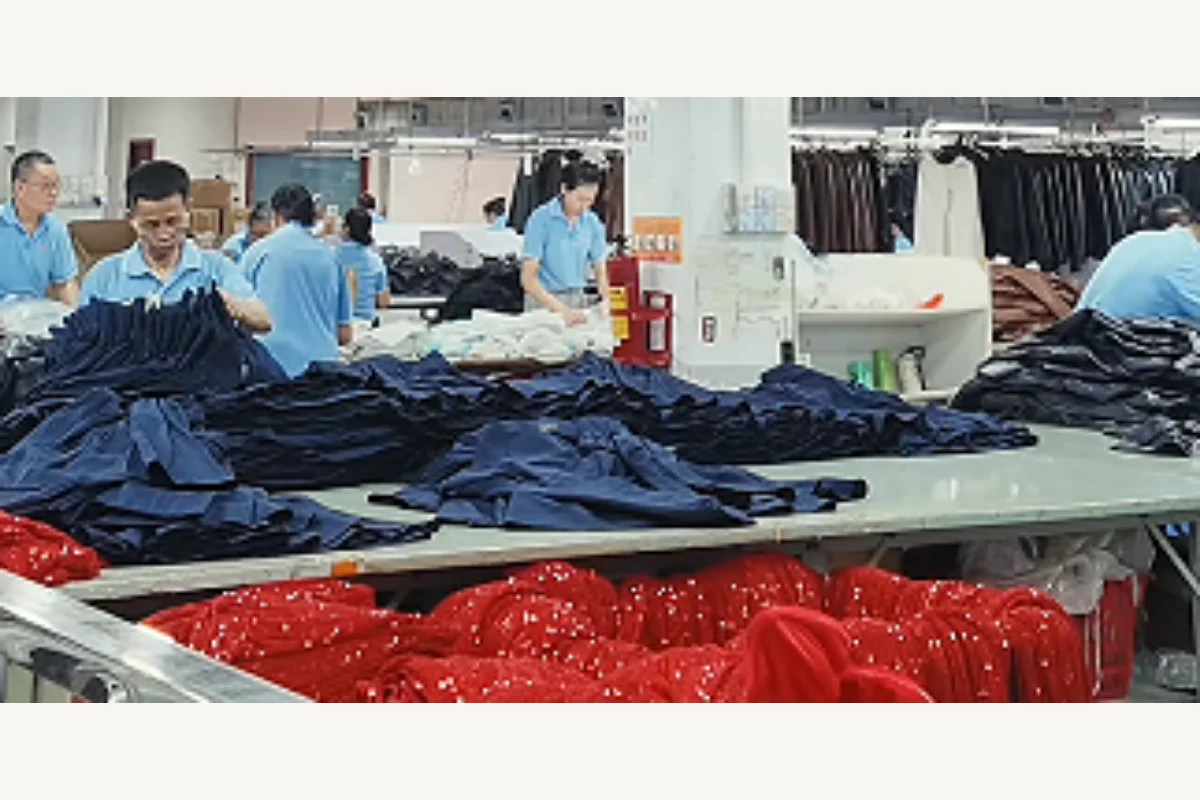
A pre-shipment or final inspection can check quantity, measurements, workmanship, colour, labelling and packaging against the agreed standard. At Shengfu, our finished-garment quality-control standard uses AQL 1.5. Read our AQL guide for the difference between sampling inspection and a promise of zero defects.
Inspection does not verify bank ownership, guarantee future supplier performance or replace a contract. Likewise, a successful bank transfer does not prove product quality. Payment Security and quality assurance support each other, but they solve different risks.
How Shengfu Helps Brands Confirm a Project Before Payment
Shengfu is a womenswear manufacturer in Humen, Dongguan. For a serious project enquiry, we recommend that both sides confirm the design, material direction, quantity, target quality, price, schedule and payment stages in writing before bulk production.
Brands can ask for a live factory discussion, product-development review and relevant production information. We also encourage buyers to question any inconsistency between the contracting company, invoice and beneficiary instead of sending money based on an informal message.
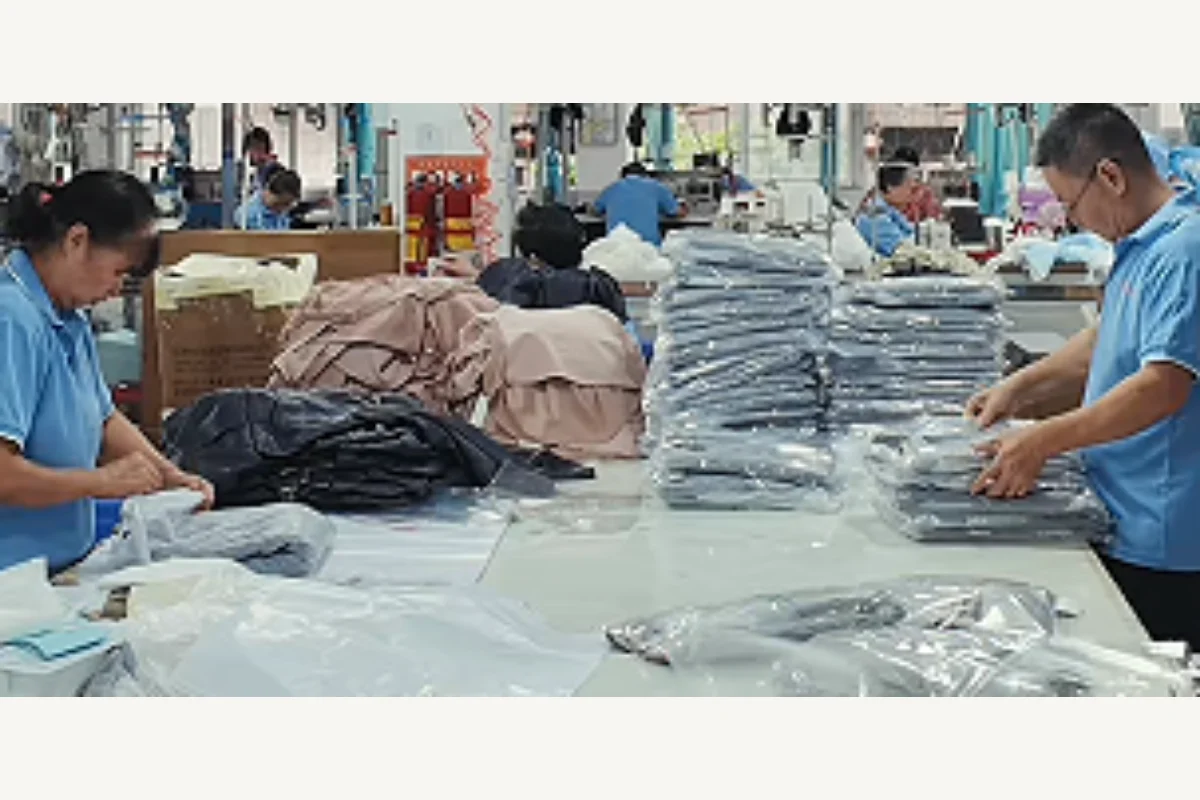
Send Shengfu your Tech Pack or reference images, target fabric, size range, colour and quantity breakdown, target price and launch date. We will review the product first, then clarify the commercial steps needed to move from sample to bulk order.
What Should You Do If You Suspect Payment Fraud?
Act immediately. Contact your bank through its official number, explain that the transfer may be fraudulent and ask about a recall, reversal or hold. Preserve the original emails, headers, invoices, chat records and transfer details. Notify your IT or security contact and report the incident to the appropriate national cybercrime or law-enforcement authority. U.S. businesses can use the FBI’s IC3 reporting channel.
Do not continue negotiating with the suspected fraudster or send a second payment to “unlock,” “reverse” or recover the first transfer.
This article provides practical supplier-management information, not legal, banking or tax advice. Confirm payment structures, sanctions checks, foreign-exchange requirements and contract terms with qualified professionals and your financial institution.
Frequently Asked Questions
Is it normal for clothing manufacturers to request a deposit?
Yes, custom garment orders often require upfront funds for fabric, trims, development and capacity. The amount and timing vary. Link the deposit to a written order, verified beneficiary and defined production milestone.
What is the safest payment method for a clothing factory?
No single method is safest for every order. Bank transfer, letter of credit, documentary collection, escrow and open account distribute risk differently. Consider order value, relationship history, country risk, documentation and bank support.
How can I verify a clothing manufacturer before payment?
Use a live video call or visit, check business details, review similar production, match the contract and invoice, confirm the beneficiary and begin with a sample or controlled trial when practical.
What if the beneficiary name differs from the factory name?
Pause and request a written explanation plus documents connecting the companies. The arrangement may be legitimate, but you should independently verify it with known contacts and your bank before sending funds.
How should I verify new bank details?
Do not rely on the email that requested the change. Call a previously verified contact using a known number, confirm every bank field, request written authorisation and use a second approver inside your company.
Should I pay the balance before shipment?
Follow the signed terms. If the balance becomes due before shipment, define the evidence required first, such as final inspection status, packing list, quantities and agreed shipping documents.
How does Shengfu support secured payments for custom dresses?
Shengfu helps brands clarify the product, sample, materials, quantity, quality requirements, schedule and commercial stages before bulk production. Buyers should still use their own bank controls and independently verify every payment instruction.
References
- U.S. International Trade Administration — Methods of Payment: compares cash in advance, letters of credit, documentary collections, open account and consignment.
- FBI — Business Email Compromise: recommends independently verifying changes to account numbers and payment procedures.
- FBI Internet Crime Complaint Center — BEC Guidance: provides prevention steps and immediate actions after a fraudulent transfer.
- UK National Cyber Security Centre — Business Payment Fraud: explains invoice and changed-bank-detail fraud and incident response.
- International Chamber of Commerce — UCP 600: the widely used rules governing documentary credit transactions.