
Article Summary
Fashion market research should explain why customers choose a garment, not simply identify which style is popular. Study the fit, fabric, function and feeling behind a purchase. Then translate the evidence into an original design brief, test the benefit in a sample and confirm the production details before ordering.
This guide is for clothing brands developing their next collection. It includes research questions, an example decision table, a sample-testing checklist and a brief you can send to a manufacturer. The worked example is illustrative; it is not a customer testimonial or a claim about sales results.
Jump to:
A bestselling dress is a useful research starting point. Its shape is visible; its buying reasons are not. A customer may value comfortable movement, reliable coverage, an easy-care fabric or feeling appropriately dressed for an occasion. Copying the silhouette can miss the very benefit that made the garment appealing.
The practical question is: which customer problem can your brand solve in its own way? That question connects fashion design with a real product decision, rather than another round of trend chasing.
1. Start Fashion Market Research With Buying Reasons
Market research and competitive analysis serve different purposes. Research helps you understand the customer; comparing alternatives helps you see where an offer is strong or incomplete. The U.S. Small Business Administration’s market-research guidance recommends combining the two when assessing a business opportunity.
Start with your own customer feedback, return reasons, support questions and conversations with intended buyers. Competitor reviews can add context, but they describe another brand’s customers and may not represent yours. A bestseller badge, social view count or positive comment is a signal to investigate, not proof that one design detail caused the sale.
Sort feedback into four useful groups
- Fit: Does the wearer struggle with coverage, length, proportions, waist position or movement?
- Fabric: Is the priority softness, structure, stretch, opacity, weight or manageable care?
- Function: Would a better closure, accessible pocket or adjustable detail make the garment easier to use?
- Feeling: Does the customer want to feel confident, comfortable, distinctive or ready for a specific occasion?
Keep a simple research log: source, garment or occasion, observed comment, suspected need and next question. Separate what someone actually said from your interpretation. For internal summaries, remove identifying details; do not turn invented comments into testimonials.
Ask about an actual purchase
- What occasion or problem made you look for this garment?
- Which alternatives did you consider, and why did you choose this one?
- What worked when you wore it, and what needed adjusting?
- Was anything different from what the product photographs suggested?
- What would make you keep, return or buy the garment again?
Avoid leading questions such as “Would you like our improved neckline?” Ask for the experience first. A small interview group can expose useful problems, but it does not establish how common those problems are across the market. Look for patterns across independent sources and test the most important assumptions.
2. Define a Customer and a Wearing Situation
Defining a target market for clothing business planning requires more than an age bracket. Describe an occasion, a fit or comfort need, an acceptable price range and the alternatives the customer already uses. “Women who like fashion” is too broad to guide fabric sourcing or pattern development.
For example, “occasionwear customers who want to sit and move comfortably without repeatedly adjusting coverage” gives the team something concrete to investigate. It still needs validation; it is not a universal claim about dress buyers.
Review competing products against the same questions: wearing situation, fabric information, size guidance, construction, price and recurring complaints. Compare equivalent products, and record unknowns instead of assuming what a photograph cannot show.
For founders researching how to start a clothing brand, this is an early product decision worth resolving before expanding the collection. Your brand identity and fashion branding should express a benefit that the garment can deliver. A visual identity alone cannot correct an uncomfortable fit.
3. Give the Customer Benefit an Original Design
If you are considering how to make your clothing brand stand out, begin with a relevant difference the wearer can notice. That may be secure coverage, a useful pocket, a more suitable length or a fabric that behaves better for the intended occasion. Distinction does not require changing every detail.
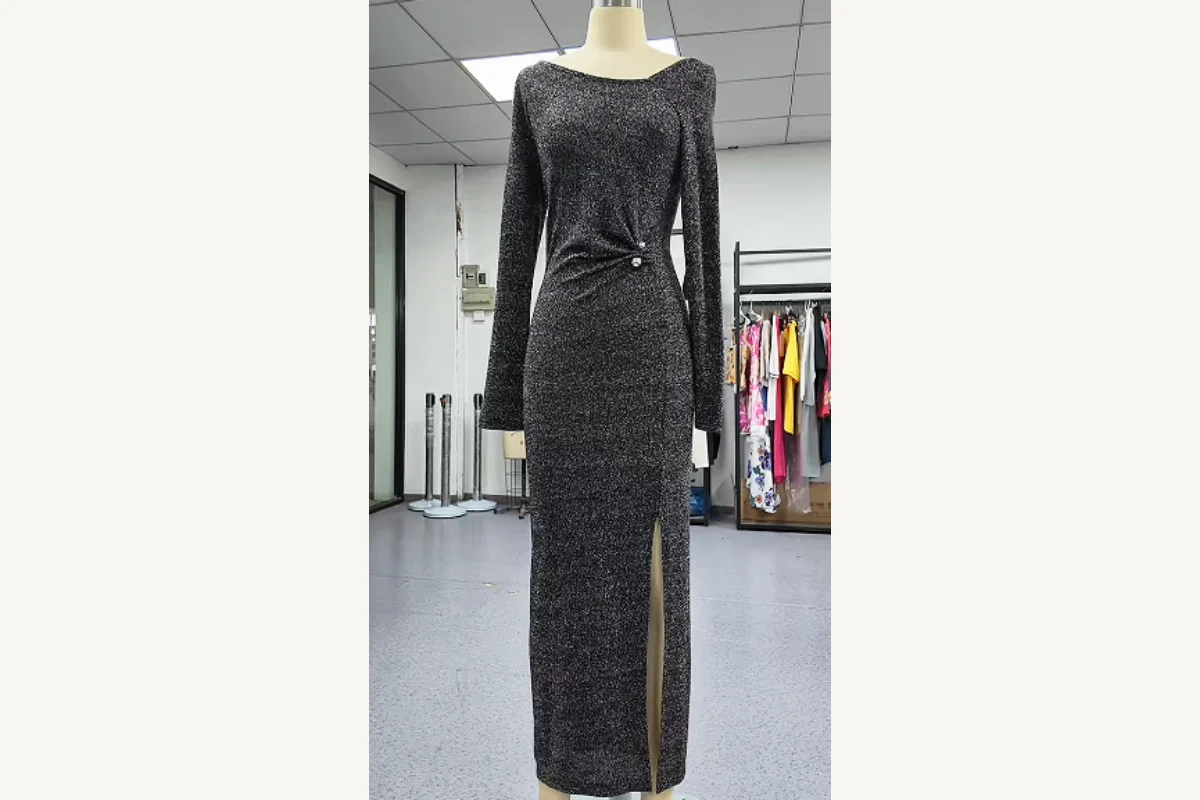
A worked example: comfort and coverage in an occasion dress
Illustrative scenario: your research suggests buyers appreciate easy movement but struggle with coverage. Instead of reproducing a popular neckline, explore your own silhouette, neckline shape and support arrangement. The table below shows hypotheses to test, not a proven product specification.
| Customer need | Possible clothing design response | Sample check | Trade-off to review |
|---|---|---|---|
| Easy movement | Adjust ease, silhouette or fabric stretch | Sit, walk, reach and bend in the garment | More ease may change the intended shape |
| Secure coverage | Develop an original neckline and lining or support arrangement | Check gaping and coverage during movement | Extra layers may add warmth or bulk |
| Useful storage | Integrate pockets into the chosen seam layout | Test access and drape with intended contents | Pocket bags can show through light fabrics |
| Recognisable character | Explore proportion, texture or a purposeful construction detail | Ask intended wearers what feels distinctive and useful | Complex details can increase sampling and production work |
Write the concept in one sentence: For [customer and occasion], this garment provides [benefit] through [specific original design choices]. If the sentence is vague, return to the customer need before adding decoration.
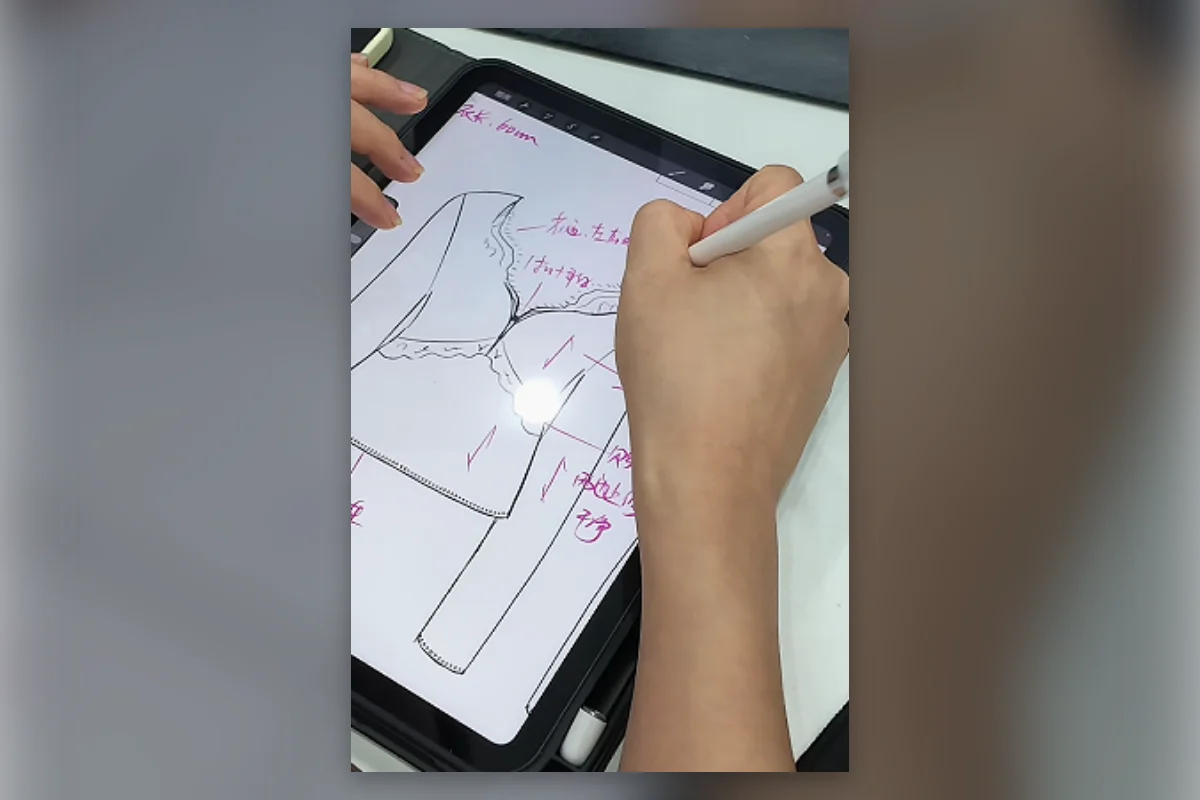
For a team learning how to design clothes around customer needs, sketch a few alternative ways to deliver the same benefit. Compare them against the brief, rather than against how closely they resemble a reference image. Keep dated notes showing your own decisions. This is a development method, not a legal test for whether a design is sufficiently different.
4. Match the Fabric to the Benefit
A design that promises comfortable movement needs more than an attractive sketch. Fabric choice affects drape, stretch, recovery, opacity and the way seams behave. These are product development decisions, not details to leave until after the design is approved.
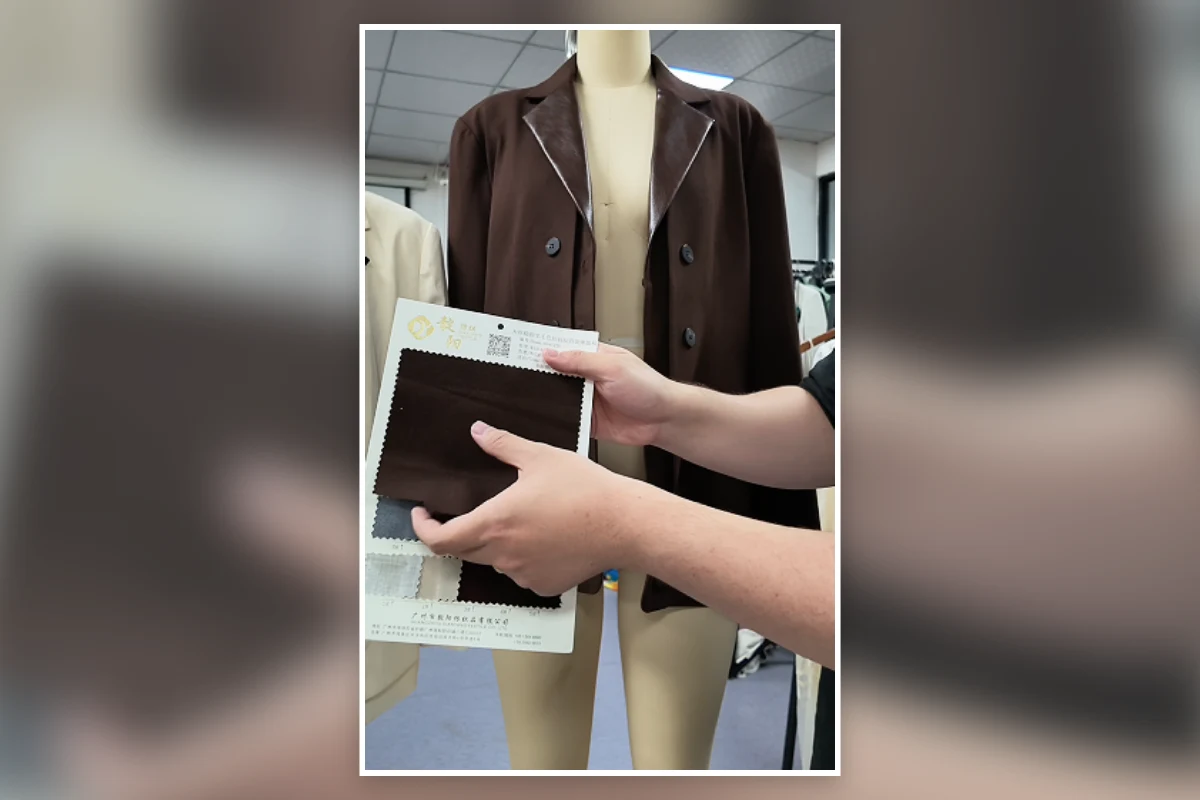
During fabric sourcing, discuss the intended use and care expectations with the supplier. Check the candidate material in a relevant sample: a fabric that hangs attractively on a form may feel different when worn, lined or gathered. Confirm any required performance testing separately instead of assuming that a visual review proves durability.
Fashion trends can suggest new possibilities, but each choice should earn its place in the brief. Our guide to faux denim without the stiffness explores how a familiar appearance and a different fabric construction can address different wearing priorities.
5. Test the Benefit, Not Just the Photograph
The Design Council’s Double Diamond describes a process of discovering and defining a problem, then developing and delivering solutions. Applied to fashion product development, this means testing whether a sample solves the defined problem before committing to bulk production.
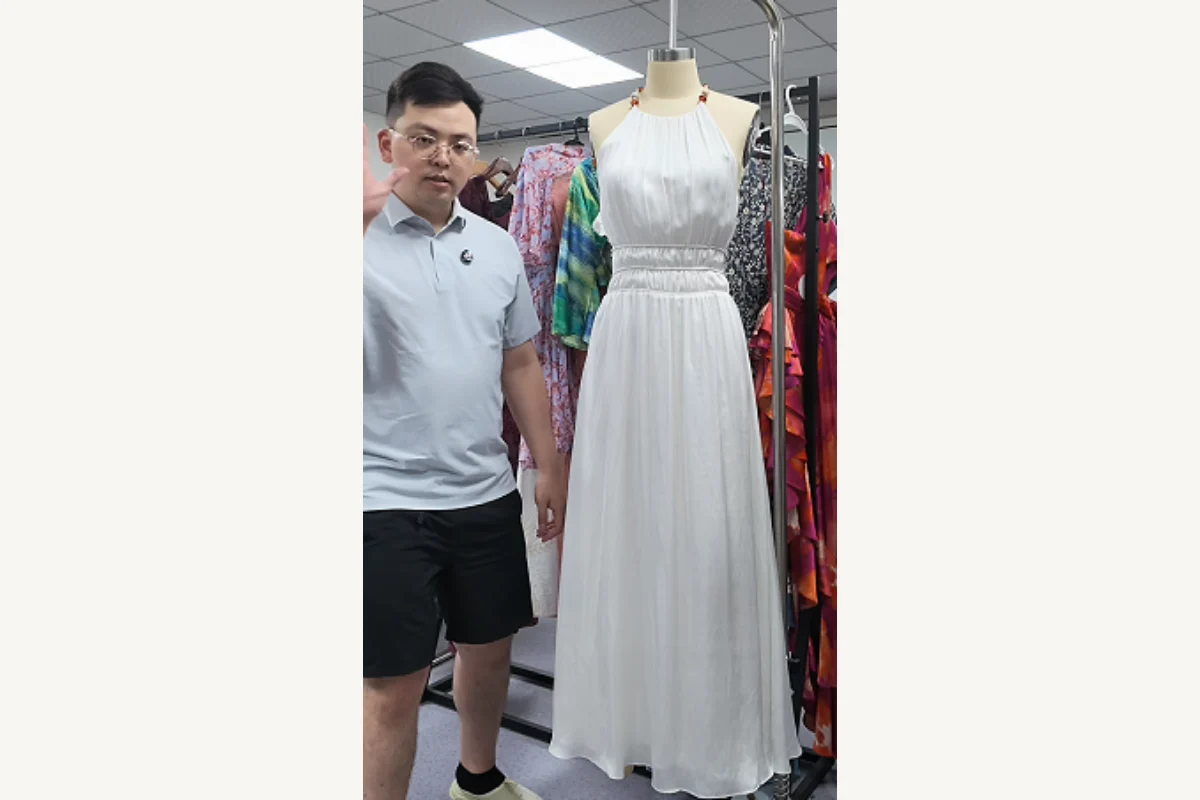
Review clothing samples with people who resemble your intended customer and represent the relevant fit needs. A dress-form review is useful for construction, but it does not replace wear testing.
- Movement: Ask the wearer to sit, walk, reach and use the closure. Note pulling, restriction or repeated adjustment.
- Coverage and comfort: Check the agreed wearing conditions, including lining, undergarments and normal movement.
- Function: Test pockets, fastenings and adjustable features with their intended use in mind.
- Fit information: Record the tested size, garment measurements and feedback. Do not assume one successful size proves the entire size range.
- Purchase relevance: Ask when the person would wear it, what they would compare it with and what would stop them buying. Stated interest is not a sales forecast.
Log each issue with a photo or measurement where useful, the required change and a priority. Recheck the main customer benefit after revisions. For measurement planning, see dress length versus dress fit; for managing early sample variables, see what to approve in the first prototype.
6. Turn the Evidence Into a Factory-Ready Brief
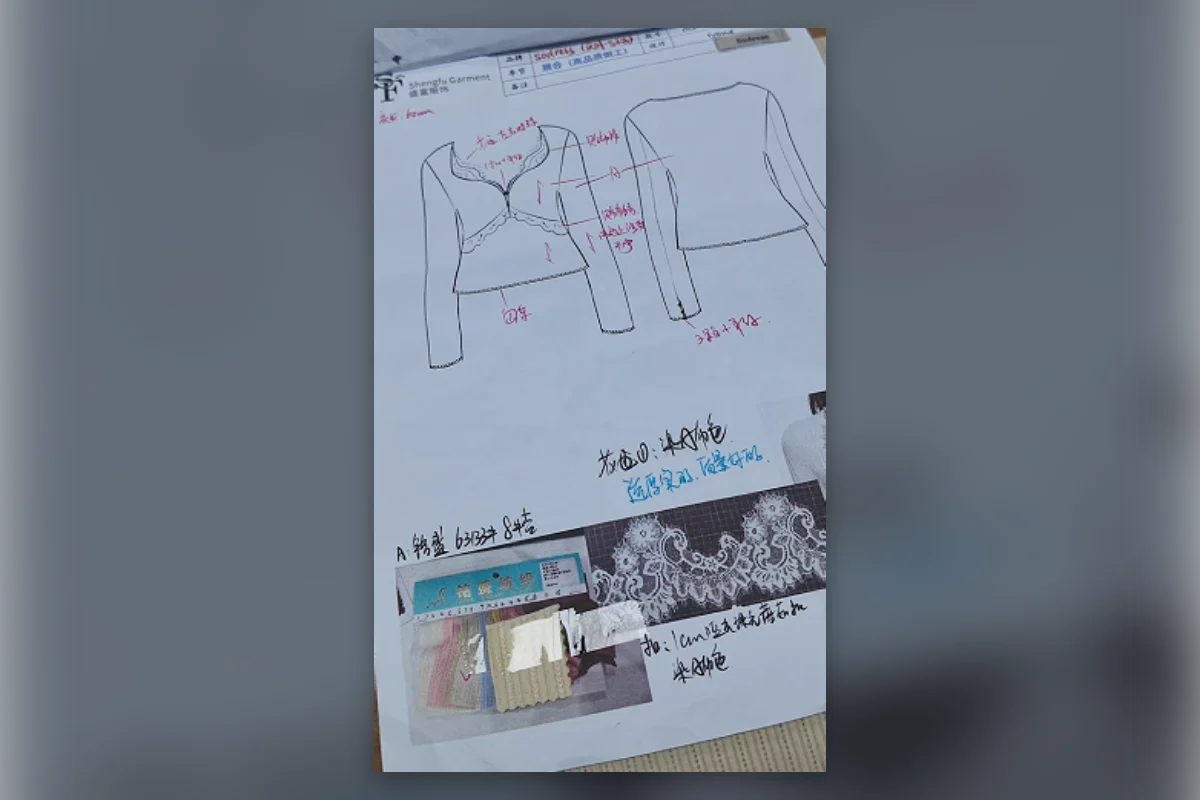
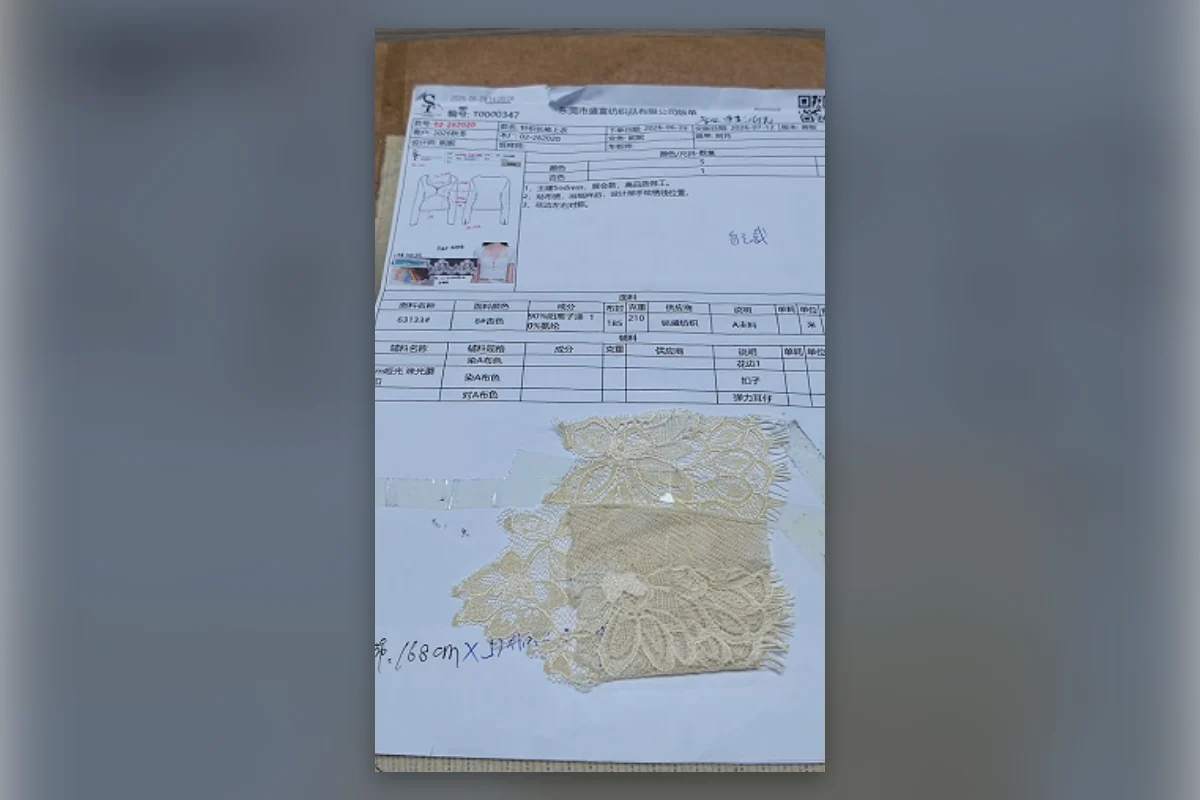
Before comparing custom clothing manufacturers, organise the information that will let them assess the project. A tech pack records the product requirements; it does not replace the customer insight that explains why those requirements matter.
- Customer, wearing occasion and the benefit the design must deliver.
- Original sketches, front and back views, plus references explaining individual details.
- Fabric and lining preferences, available swatches and acceptable alternatives.
- Size range, base-size measurements, fit expectations and critical construction points.
- Estimated quantity by style and colour, target cost, timing and sampling scope.
- Approval criteria: what will be checked, by whom and which sample version is the reference.
Our factory-ready tech pack guide explains how to organise measurements, materials and construction information. If details remain unresolved, label them as questions for development rather than letting the factory guess.
How to find clothing manufacturers for this kind of project
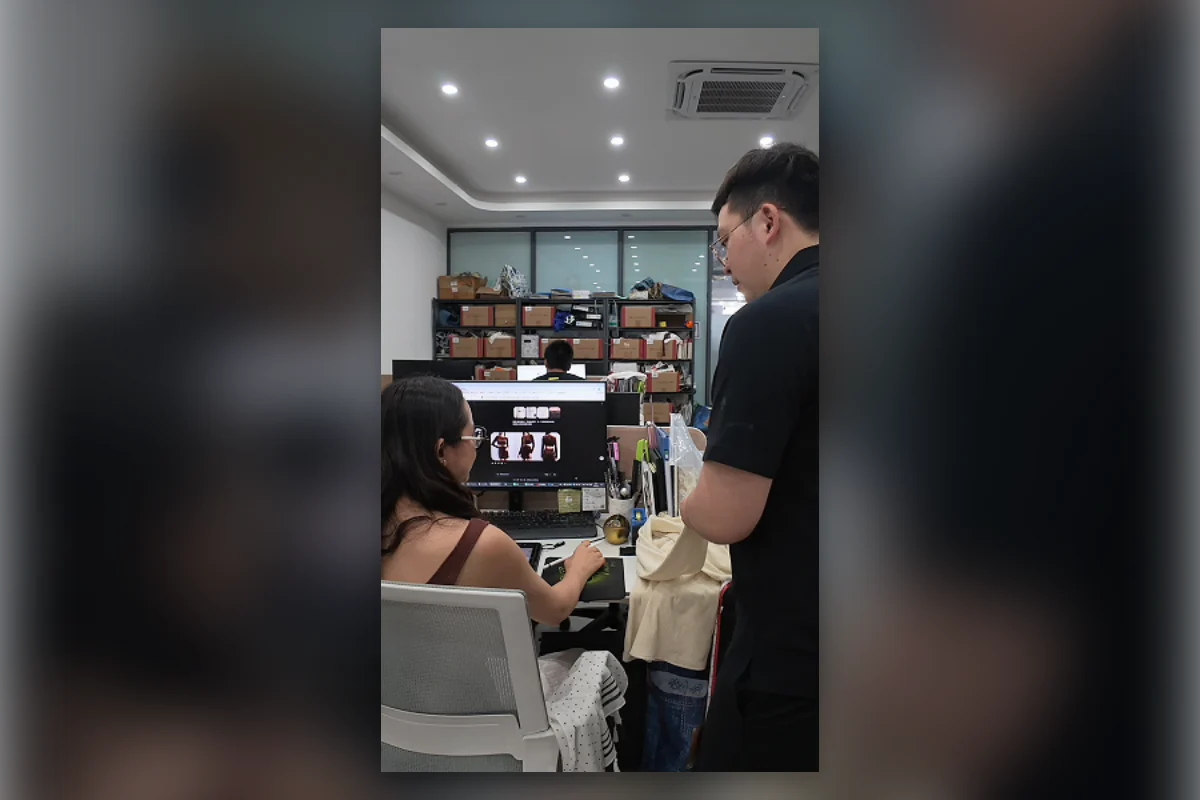
Ask prospective partners about relevant product experience, how they handle sample revisions and which information they need to quote accurately. Compare their response to your brief and the resulting sample, not just a low starting price. For a fuller sourcing checklist, read how to choose a custom dress manufacturer.
For a development discussion with Shengfu Textile, send the brief above and request a feasibility review and sampling quotation. Ask which fabric, pattern and construction decisions need confirmation before production. The scope, costs and timing should be agreed for your specific project.
Our customers need [benefit] for [occasion]. We want to develop [garment] with [original features]. Our estimated quantity is [quantity by style/colour], and our target cost is [amount and basis]. Please review the fabric and construction options, unresolved fit questions, sampling scope, costs and timing.
Move toward bulk production only after the critical fit, material and construction decisions have been approved, and the commercial terms and production checks are clear. A successful sample reduces uncertainty; it does not guarantee sales or perfect consistency across an order.
Frequently Asked Questions
How do I find out why a style sells?
Combine customer conversations, your own sales and return feedback, and reviews of relevant alternatives. Ask about real purchase decisions and use patterns as hypotheses. Popularity alone cannot tell you whether fit, price, fabric, promotion or another factor caused demand.
Is changing the colour and adding my logo enough?
It may create a visible variation, but it does not by itself explain why your customer would choose the garment. Define the benefit and test whether your changes improve it. Do not treat superficial changes as proof of originality or legal clearance.
Should I change every part of a popular design?
No. Start with the customer problem and develop your own solution. Every extra detail should support the benefit, comfort or intended character. Unnecessary complexity can make the sample harder to evaluate and the product harder to manufacture.
Can a manufacturer help before I have a finished tech pack?
You can request a development discussion using sketches, customer needs and known specifications. Clarify which services are included, who will prepare the missing information and how revisions will be charged. Do not assume all factories offer the same design or pattern-development service.
When should I commit to production?
When the customer benefit has been tested appropriately, critical sample issues are resolved, the size and material requirements are documented, and price, quantity, delivery and inspection expectations are agreed. An attractive photograph is not an approval checklist.
Further Reading: From Research to Production
Use these related Shengfu guides when your concept moves into sampling and sourcing:
- What belongs in a factory-ready tech pack? — specify the garment clearly.
- Dress length versus dress fit — separate length decisions from fit requirements.
- Should the first prototype use the exact colour? — focus each sample round.
- How to get a comparable clothing quotation — align specifications and cost scope.
- Why lower MOQ can mean a higher unit price — plan a realistic order.
- Why embroidered garments take longer to develop — allow for technique trials.
- A practical guide to garment quality inspection — understand production checks.
- Why a factory may decline an order — assess product and capacity fit.
Sources and Editorial Notes
- U.S. Small Business Administration: Plan Your Business — market research and competitive analysis.
- Design Council: The Double Diamond — understanding problems and developing solutions.
Prepared from Shengfu’s supplied article and existing development imagery. Research and testing examples are illustrative; no customer interview results, sales uplift or third-party endorsements are claimed. These references support the method and do not certify or endorse Shengfu Textile.





