
Article summary: A good sample proves that a garment can be made. Consistent bulk production requires a written standard, controlled materials, repeatable operations and checks before defects spread. Use the approval and inspection plan below to turn one accepted sample into a measurable production target.
Jump to:
- Freeze the Standard Before Cutting
- Control Fabric Lots and Cut Bundles
- Check the First Pieces and Intervene Early
- A Garment Quality Control Checklist
- Make Release and Rework Decisions Explicit
- FAQ
- References and Further Reading
Garment quality control becomes most important after a beautiful sample is approved. One specialist may have adjusted that sample carefully; a bulk order passes through more people, material rolls and production steps. The challenge is to make those decisions repeatable without losing the fit and finish your customer approved.
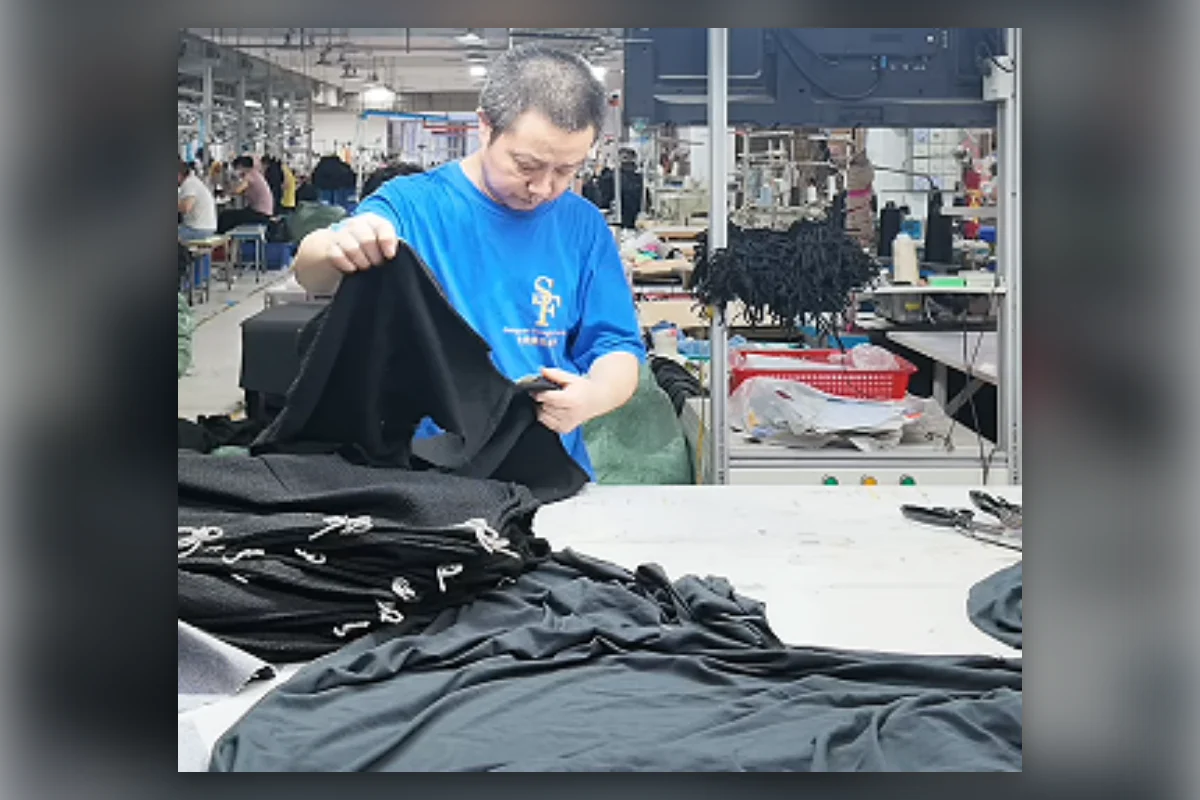
Freeze the Standard Before Cutting
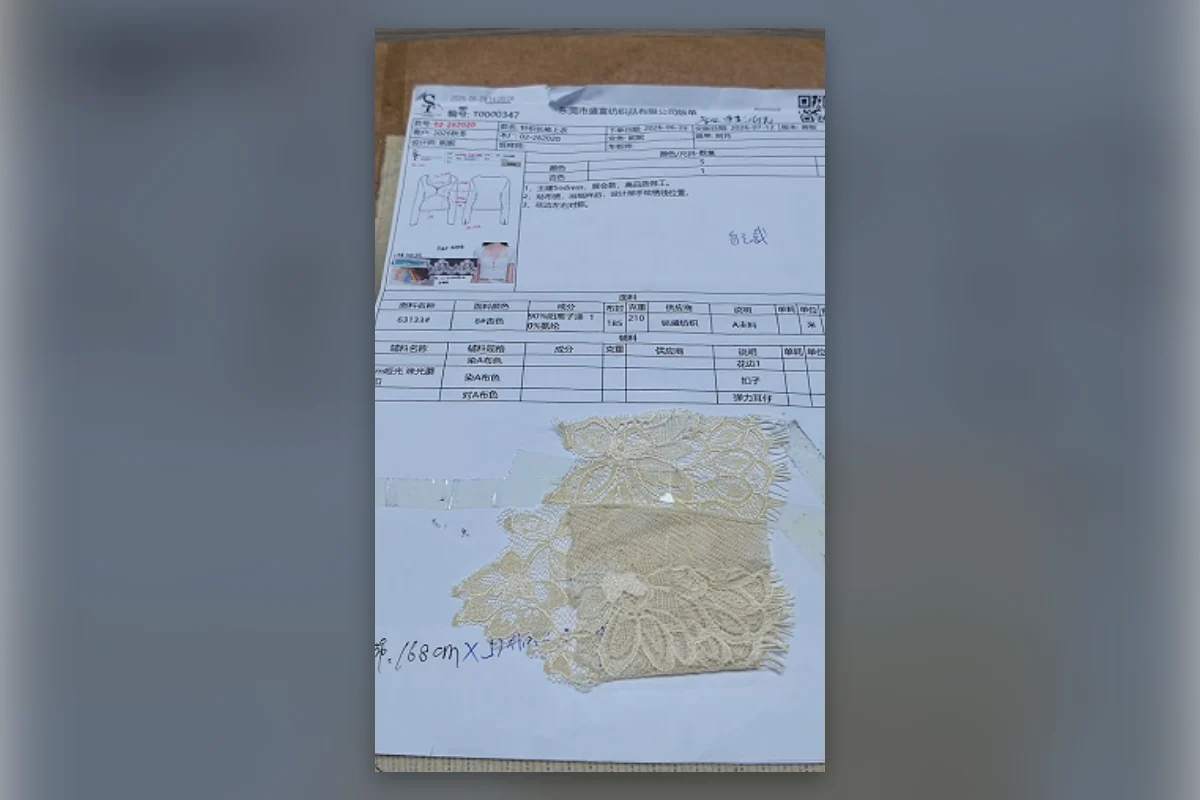
Create a release pack containing the signed sample, latest tech pack, bill of materials, measurement chart, approved colours and a dated change log. Identify which document takes priority if two instructions conflict. Mark any substitute material clearly; approval of fit in a temporary fabric is not approval of that fabric for production.
Custom clothing manufacturers need tolerances by measurement point and construction detail. A neckline position may be more sensitive than a loose hem circumference. Do not apply one universal tolerance to every style or assume a final inspection can define it later.
| Approval item | What to record | Who closes the decision |
|---|---|---|
| Fit | Measurement method, size chart and tolerances | Brand and pattern team |
| Materials | Supplier reference, composition, fabric weight, shade and trims | Sourcing team and buyer |
| Workmanship | Seam and stitch details, pressing and acceptable appearance | Production and quality teams |
| Release | Revision date and unresolved items | Named approval owner |
Write garment construction details precisely enough that a new operator can identify the required join, edge finish and appearance reference.
Control Fabric Lots and Cut Bundles
Fabric sourcing decisions affect consistency before sewing starts. Identify rolls and shade groups, check material against the approved reference, and record relevant fabric testing results. A different fabric finish can change handling even when composition is unchanged. Hold unapproved substitutions instead of quietly compensating for them during sewing.
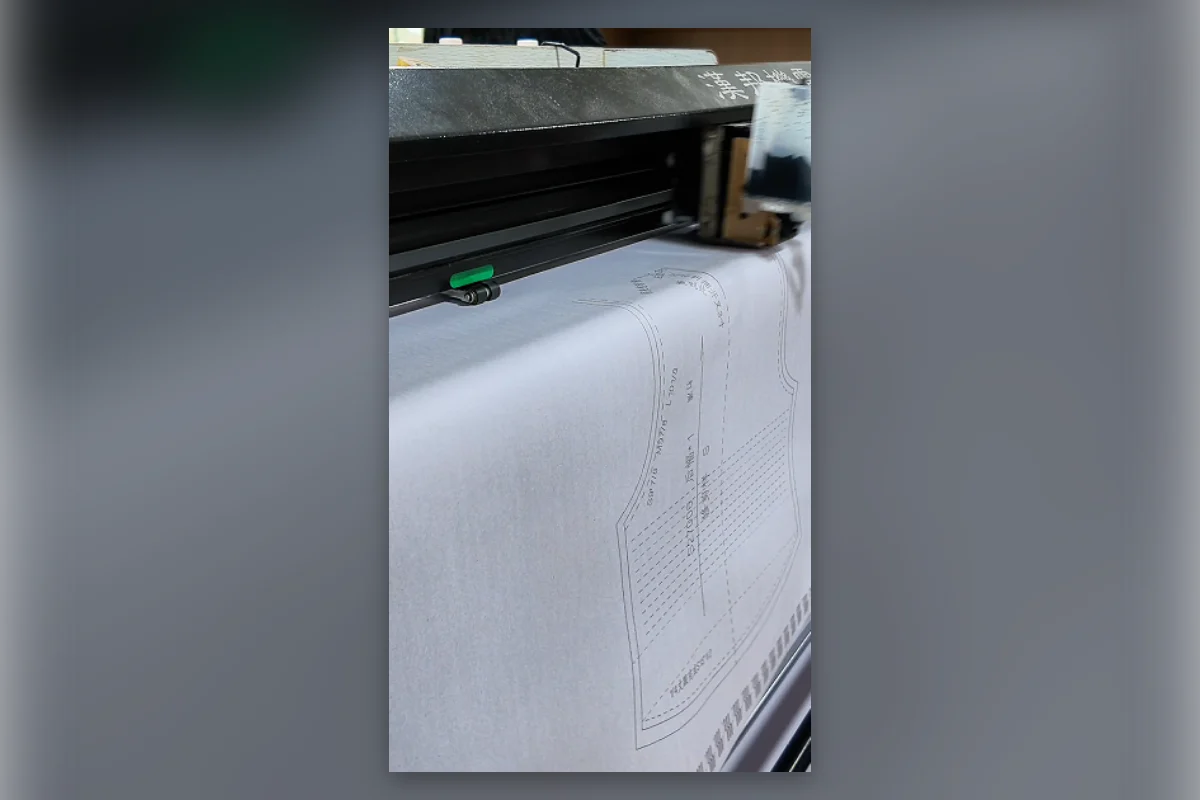
Pattern making and pattern grading must use the released revision. Keep size labels and bundle identification legible so panels from different sizes or shade groups are not mixed. If a material issue appears, trace which bundles used that roll before releasing more work.
Check the First Pieces and Intervene Early
Start with a first-piece review for the intended production method. Check the difficult operations: neckline symmetry, zipper alignment, gathered panels, seam bulk and matched trims. Repeat the check when an operator, machine setting or material lot changes in a way that could affect the result.
Seam puckering is a useful example of why the cause matters. Thread tension, material behaviour and feeding can all contribute; changing only the final pressing may hide rather than resolve the issue. Coats explains the main causes and diagnostic checks.
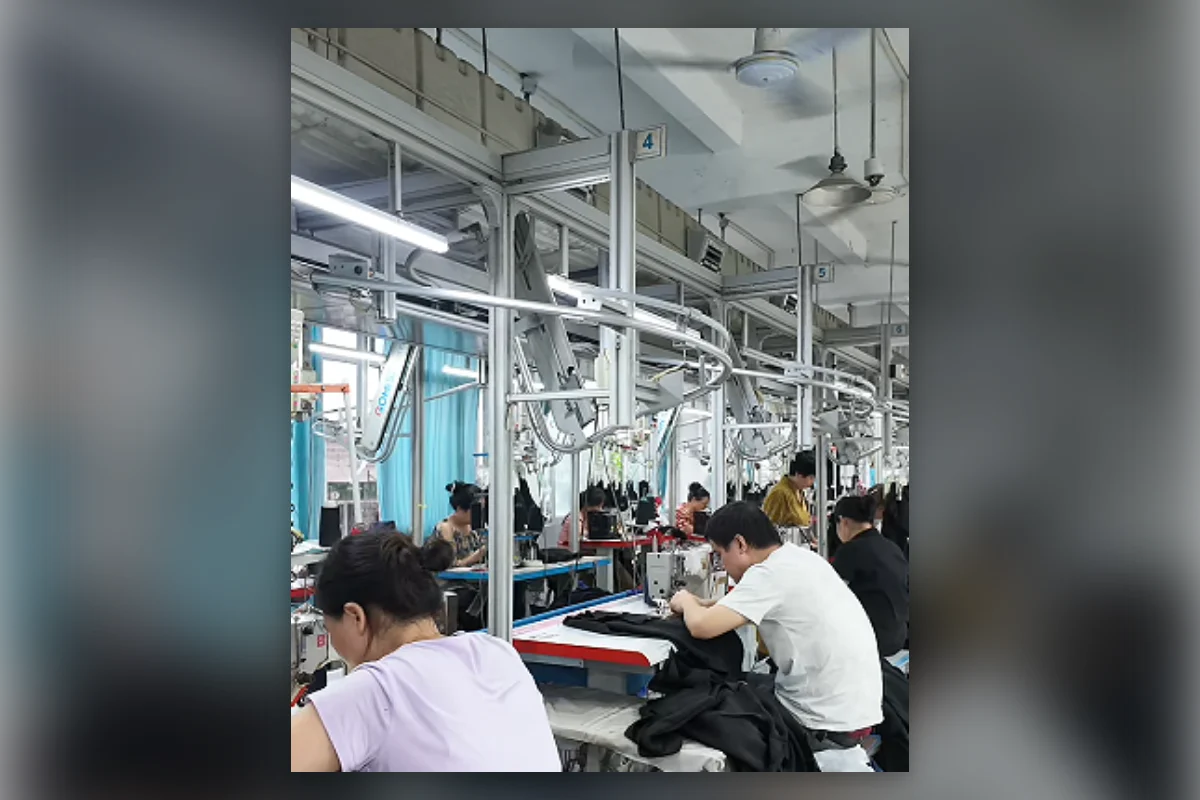
Use an issue log with style, size, bundle or lot, defect, quantity affected, corrective action and verification. The objective of quality control in garment industry practice is a controlled response: isolate affected work, agree the remedy, and verify corrected pieces before restarting the same operation.
A Garment Quality Control Checklist
| Checkpoint | Check | Evidence to retain |
|---|---|---|
| Before production | Released sample, materials, pattern revision and size plan | Approval pack |
| At first output | Fit-critical dimensions and difficult sewing details | First-piece record |
| During production | Workmanship, size identity and repeat defects | Inline findings and corrective action |
| Before packing | Measurements, appearance, labels and quantity | Inspection and reconciliation record |
| Before dispatch | Packaging, carton identification and agreed release criteria | Release decision and packing list |
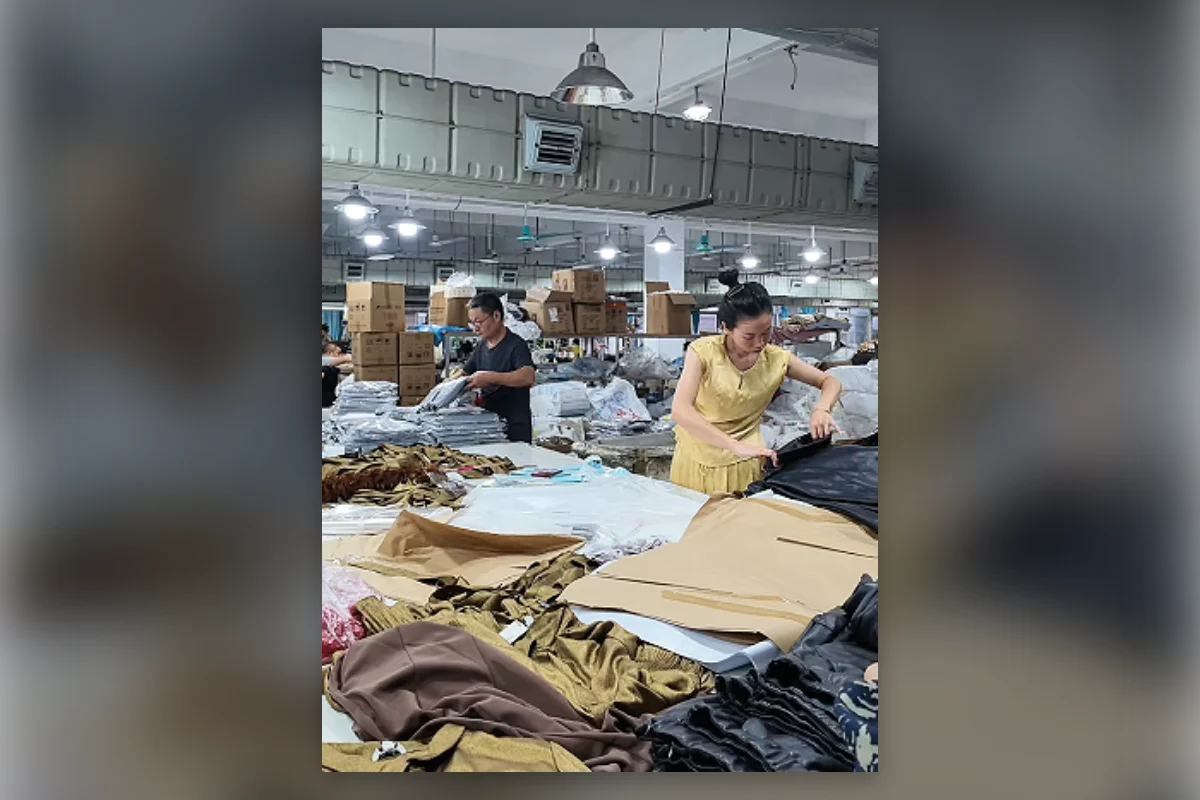
A pre shipment inspection is a final decision point, not a substitute for earlier control. Agree the sampling plan, defect classifications and handling of failed results beforehand. Sampling cannot guarantee that every unit is defect-free. For terminology and limitations, read our AQL guide. Intertek describes inspections at multiple production stages.
Make Release and Rework Decisions Explicit
For custom garment manufacturing, separate approval to begin production from approval to ship. If clothing quality inspection finds repeated out-of-tolerance measurements, identify the affected population, assess repair feasibility and document the recheck. Avoid shipping a known unresolved issue because the calendar has become tight.
For example, if one size repeatedly misses an approved neckline position, compare that size’s pattern and first-piece record before altering all sizes. This is an illustrative troubleshooting sequence, not a claim about a particular customer order. Reliable clothing manufacturers explain what evidence supports the release decision.
FAQ
What is a pre production sample?
It is a sample used to confirm the production target before bulk work is released. State whether materials, construction, labels and finishing are final, and list exceptions explicitly.
Can a bulk order match one sample exactly?
The order should meet the agreed specifications and tolerances. Natural and process variation must be defined with usable references; a promise of perfect identity is not an inspection plan.
Is final inspection enough?
It can identify shipment issues but cannot prevent earlier defects from spreading. Combine material checks, first-piece approval, inline monitoring and a final release decision.
What should a brand send Shengfu?
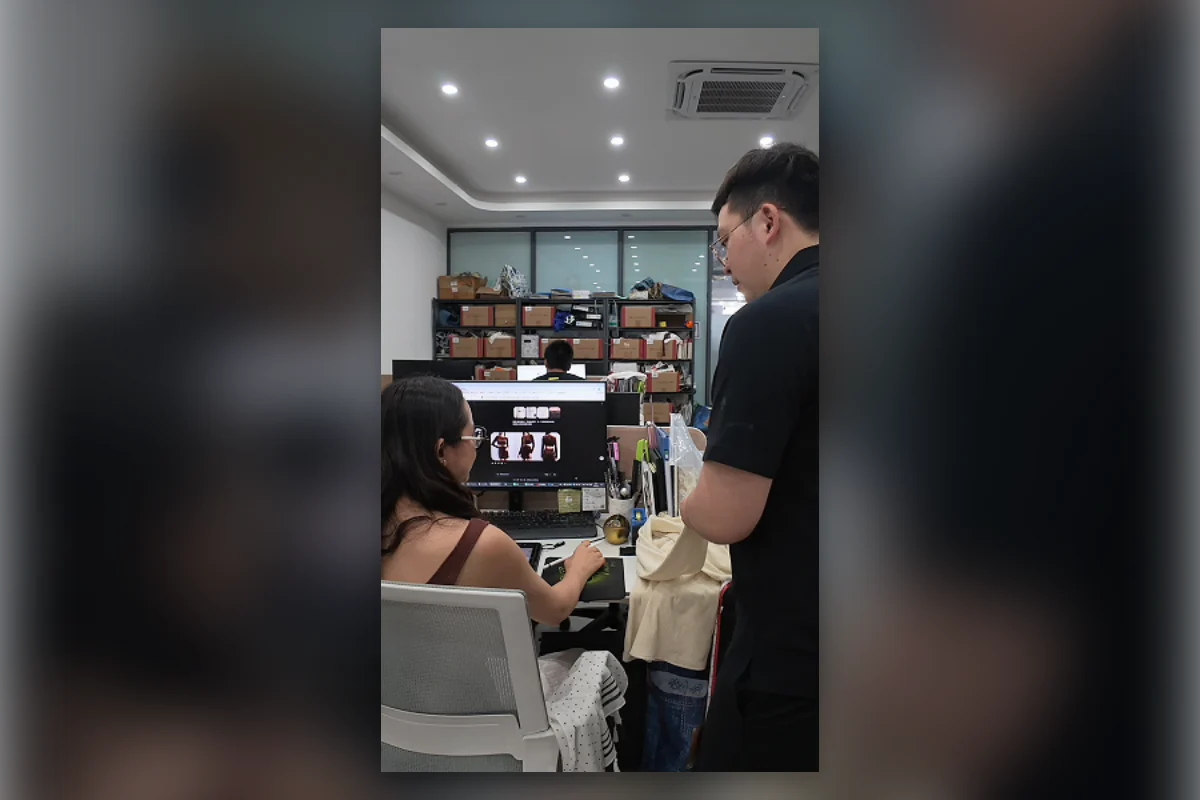
Send the current tech pack, size and colour breakdown, approved material references, target arrival date and your inspection requirements. Ask which decisions remain open before production can be released.
References and Further Reading
Technical references
These sources support the technical discussion; they do not certify or endorse Shengfu. Confirm project-specific specifications and process availability during development.
Related Shengfu guides
- AQL and garment quality inspection
- What a usable clothing tech pack contains
- First prototypes and colour approval
- Dress length, fit and measurement
- How a dress moves through factory production
- How to prepare a clothing manufacturing quote
- Why a lower MOQ changes unit price
- Payment security for clothing orders





