Article Summary
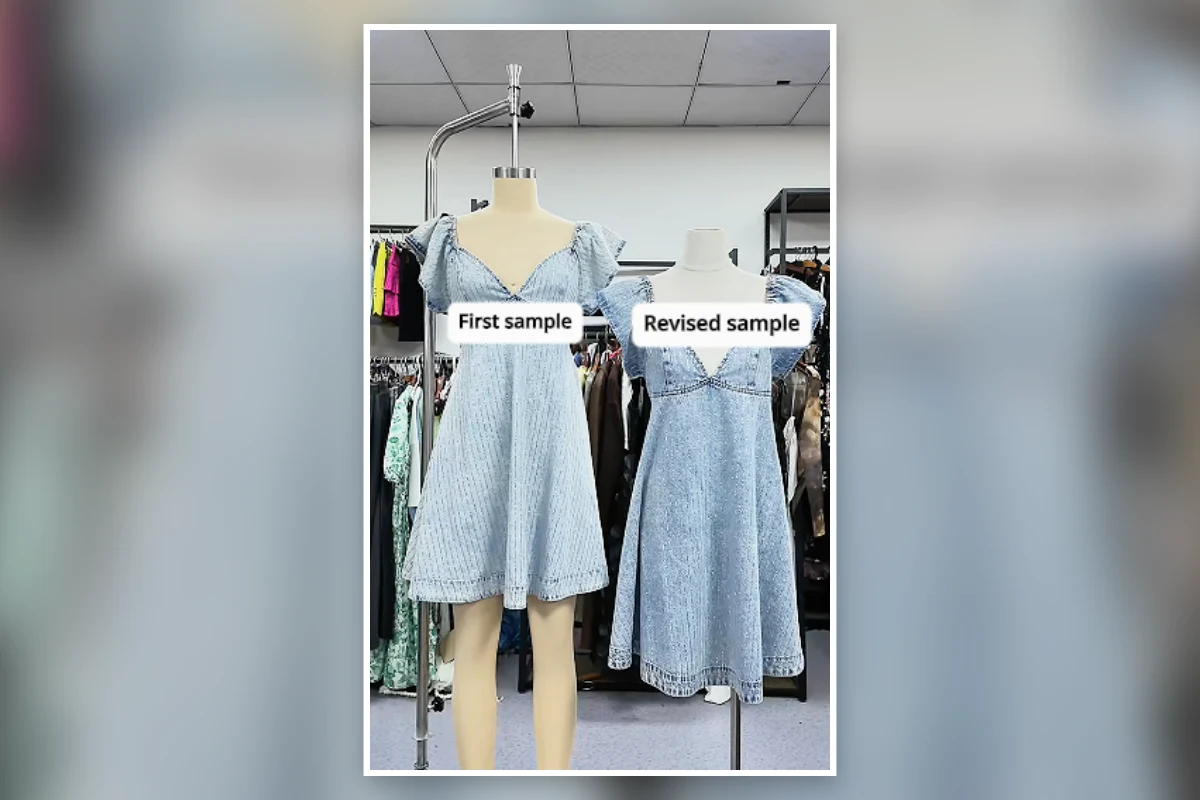
At Shengfu, we do not ask every first prototype to look exactly like the final bulk garment. Proto 1 should first confirm the silhouette, basic fit, fabric direction and construction. If exact colour does not affect those decisions, using a close available shade can keep development moving while the brand evaluates whether the product works.
Jump to:
The First Proto Does Not Need to Be the Final Garment
Would we add several weeks to development just to obtain the exact colour for Proto 1? For some products, yes. For many trend-led womenswear styles, however, we first need to answer a more important question: Does the product actually work?
A proto or development sample sits early in the product cycle. We use it to review the style, proportions, material direction and construction. When the final material is not yet available, a fabric with similar weight and behaviour may help us answer those questions without stopping development.
That makes Proto 1 a decision-making tool—not a miniature version of the finished bulk order.
What We Confirm on the First Proto
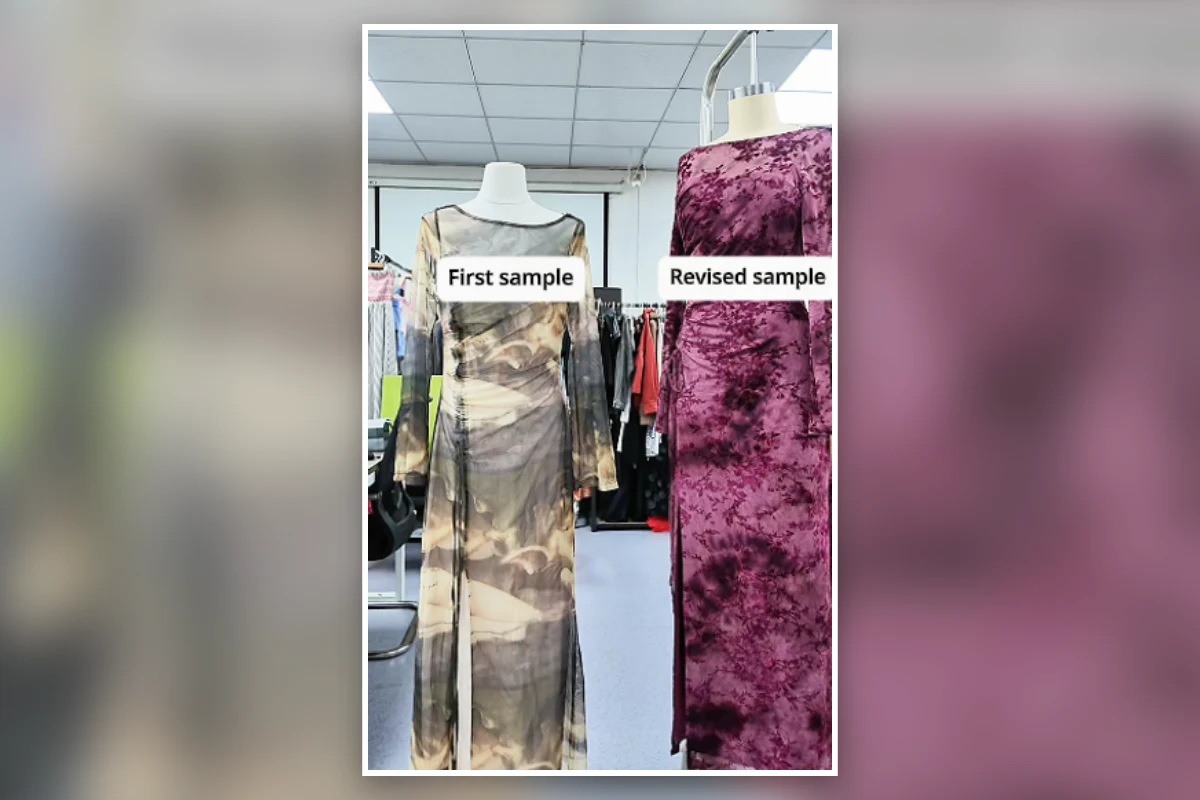
1. Silhouette and Proportions
We look at the whole garment before secondary details distract the review. Does the shoulder balance look right? Is the body too long? Does the skirt have the intended volume? Does the neckline sit in the correct position?
If the proportions change after the first fitting, the entire visual balance can change. Perfect colour cannot correct the wrong silhouette.
2. Fit for the Target Customer
During a fit review, we compare the physical garment with the Tech Pack, measurement chart and design intent. The review may lead us to change measurements, pattern shapes, construction or even the fabric direction.
For example, if the waist position needs moving, the sleeve needs more ease or the body needs shortening, we correct those points before polishing details that may disappear in the next round. Our guide to measuring shoulder width shows how one apparently simple measurement can affect fit evaluation.
3. Fabric Direction
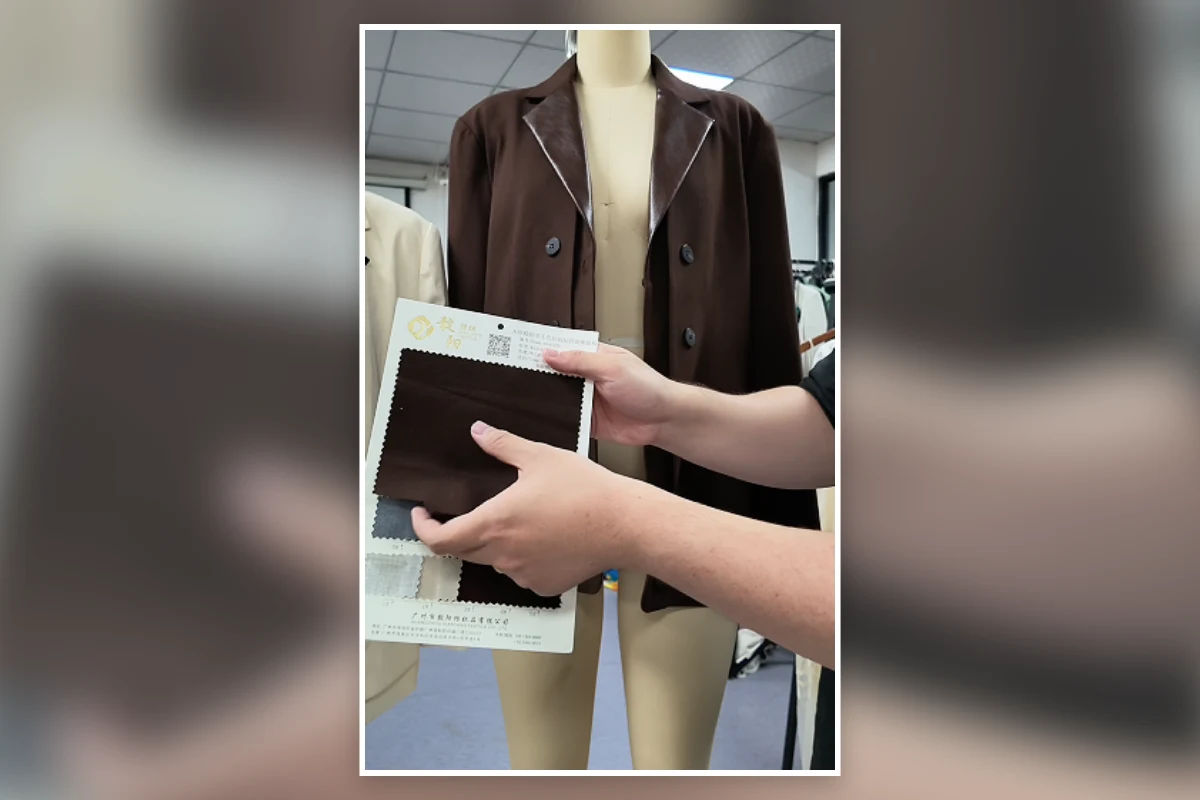
The first proto does not always need the final custom colour. However, the material should normally be close enough for us to judge weight, drape, stretch, structure, hand feel and composition.
A different colour may still let the team evaluate the product. Completely different fabric behaviour may not. For example, replacing fluid viscose with structured cotton can change the silhouette so much that the sample no longer answers the intended development question.
4. Construction Feasibility
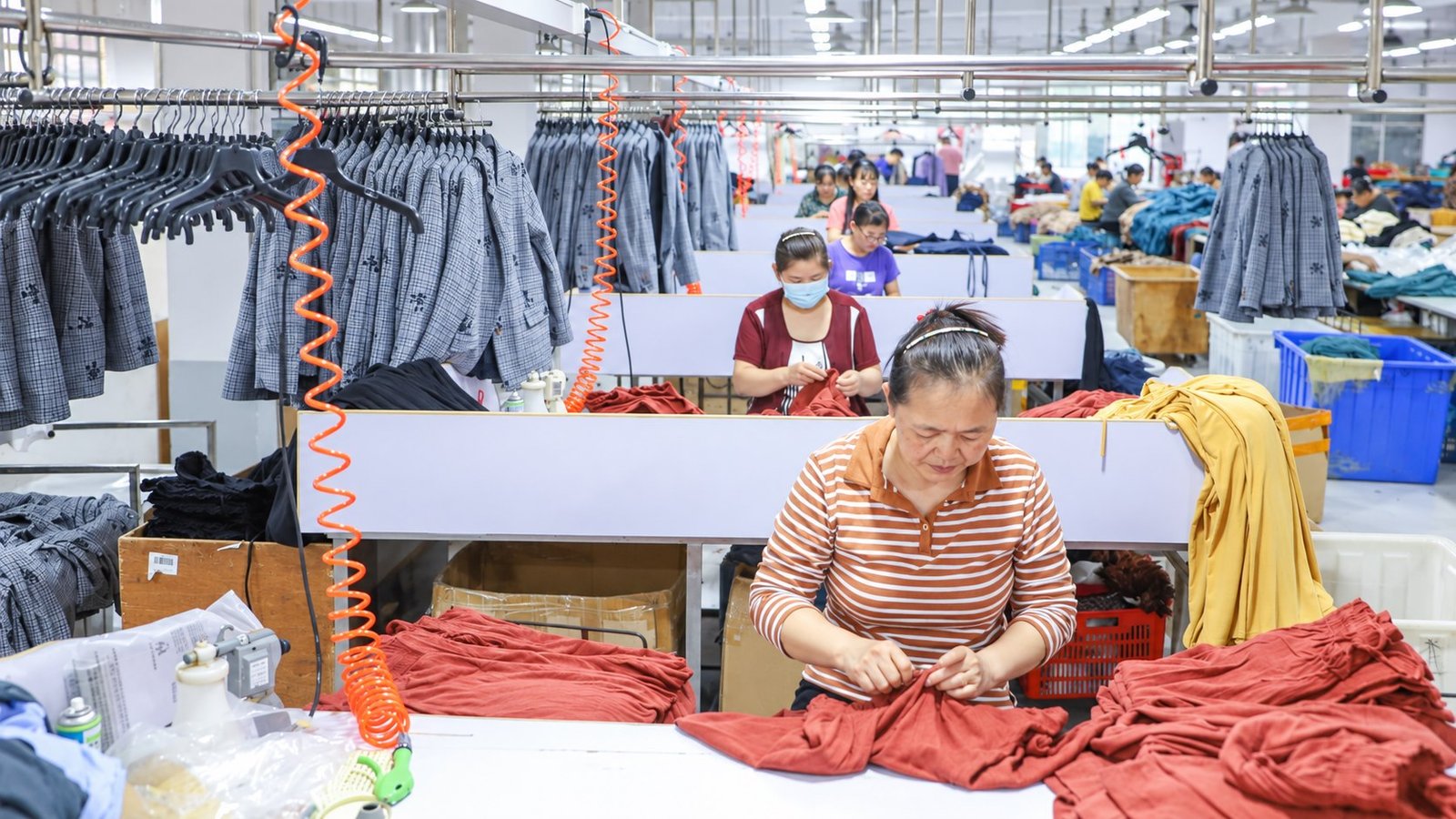
A sketch may look simple on screen, but the physical garment can reveal problems with seam placement, lining, gathering, pleating, support, closures, fabric bulk or finishing. We would rather discover those issues on Proto 1 than after the brand commits to custom material.
For a broader view of how patterns, cutting, sewing and finishing connect, see our guide to the garment production process.
Why Exact Colour Can Add Time to Early Development
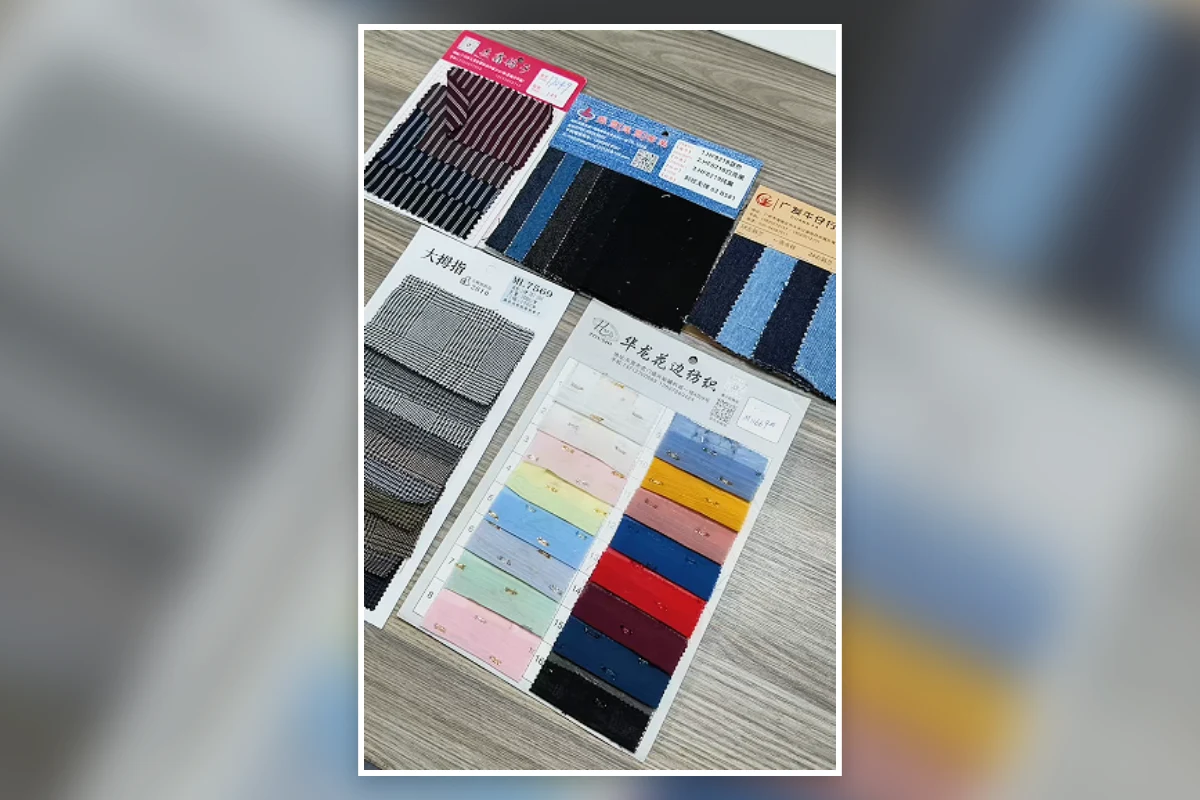
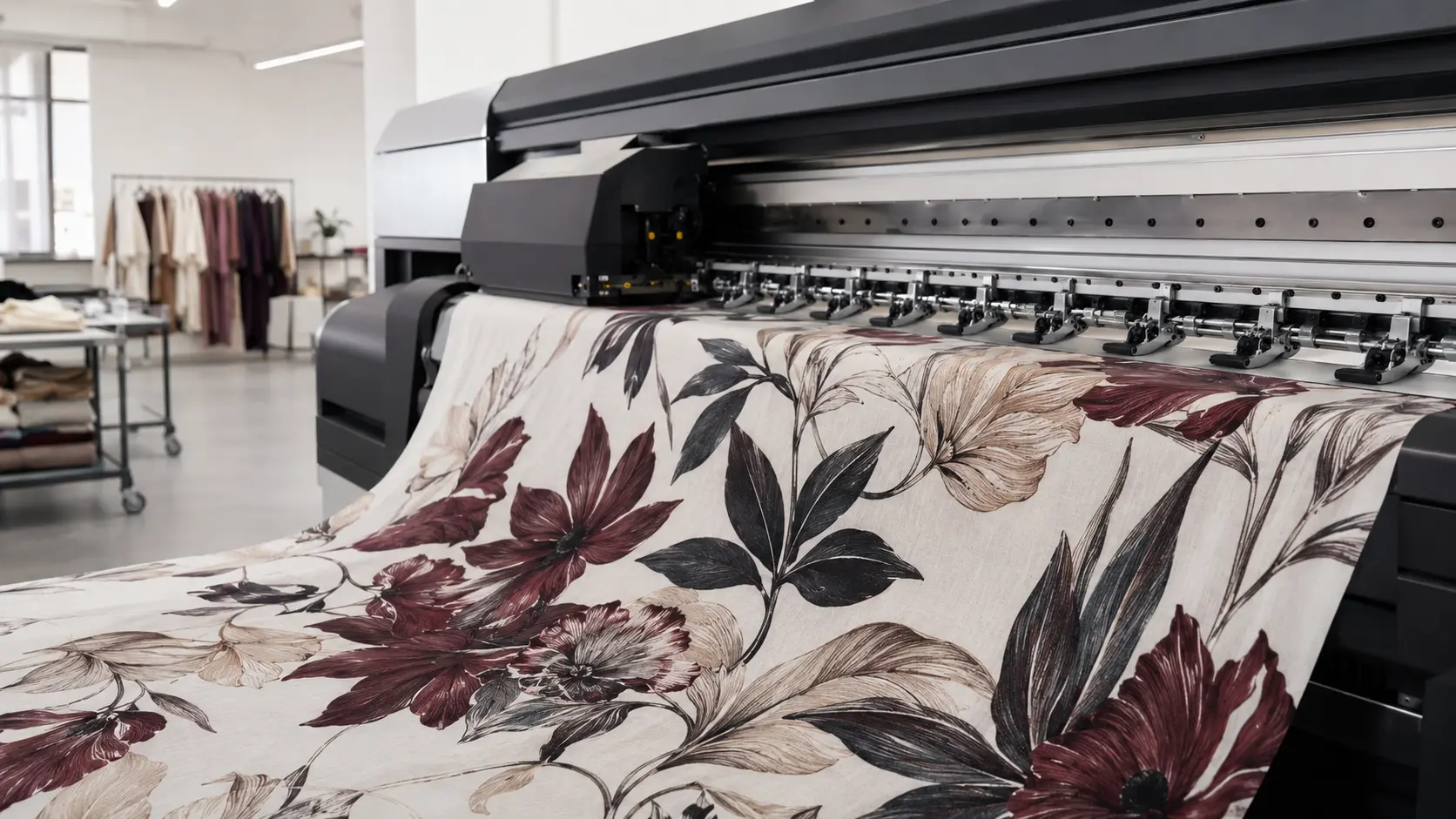
Exact textile colour is not simply a colour selected on a screen. Custom development may involve fabric sourcing, dyeing, lab dips, physical review, corrections and mill minimums. The timeline depends on the material, colour, supplier and approval route.
Pantone notes that a current physical colour standard remains important when a project moves from the digital realm to a physical product because screens and physical materials reproduce colour differently.
If Proto 1 is still likely to change substantially, waiting for a perfect custom colour can mean perfecting the wrong version of the garment.
When Exact Colour Matters Early
We bring colour into development earlier when it changes the design or technical decision. Typical examples include:
- Sheer fabrics: lighter and darker colours can change transparency.
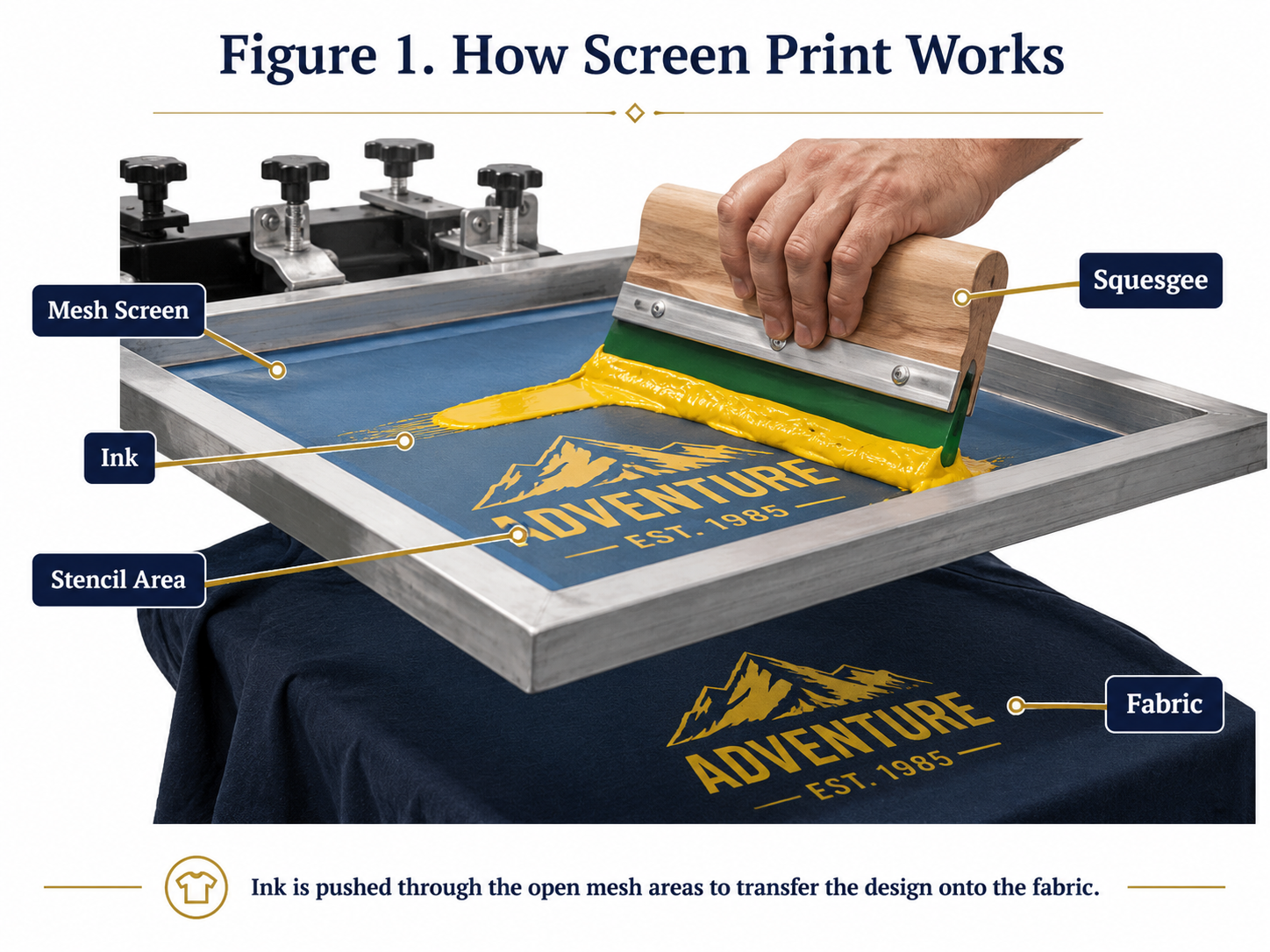
- Prints: the base colour influences the complete artwork.
- Contrast panels: colour balance forms part of the design.
- Embroidery: the thread and ground colour need to work together.
- Garment dye and wash effects: colour is part of the finishing process.
- Very pale or bright colours: opacity and visual intensity may change substantially.
In these cases, colour is not merely cosmetic. It becomes part of product engineering. For example, our article on embroidered garment development explains why thread colour, ground fabric and physical strike-offs need to be reviewed together.
Our Recommended Development Sequence
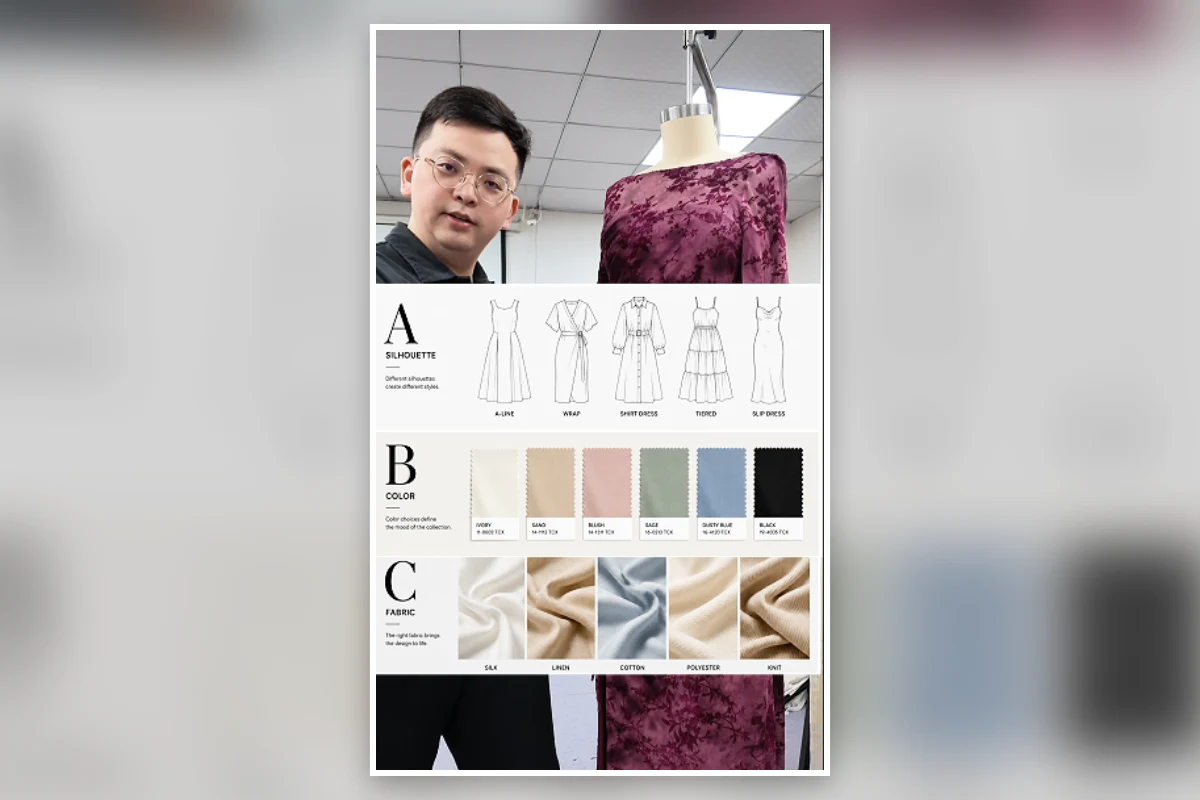
Stage 1 — Proto
We confirm design, silhouette, basic fit, fabric direction and construction. When appropriate, we use the closest practical available fabric and colour.
Stage 2 — Fit Development
We confirm measurements, balance, pattern corrections, movement and fabric suitability. If major changes remain, we keep the round focused instead of polishing details that may not survive the next revision.
Stage 3 — Colour, Trims and Commercial Appearance
Once the design direction becomes stable, we move closer to the intended product: exact colour, actual trims, artwork, finishing and detailed construction. Depending on the brand’s calendar, this may happen during a later fit round, a development sample or an SMS.
SMS usually means Salesman Sample. Brands typically use it for sales, showroom presentation, photography or range review; it is not universally the second fit sample. We define the purpose and approval criteria for every round before sampling starts.
Stage 4 — Production Approval
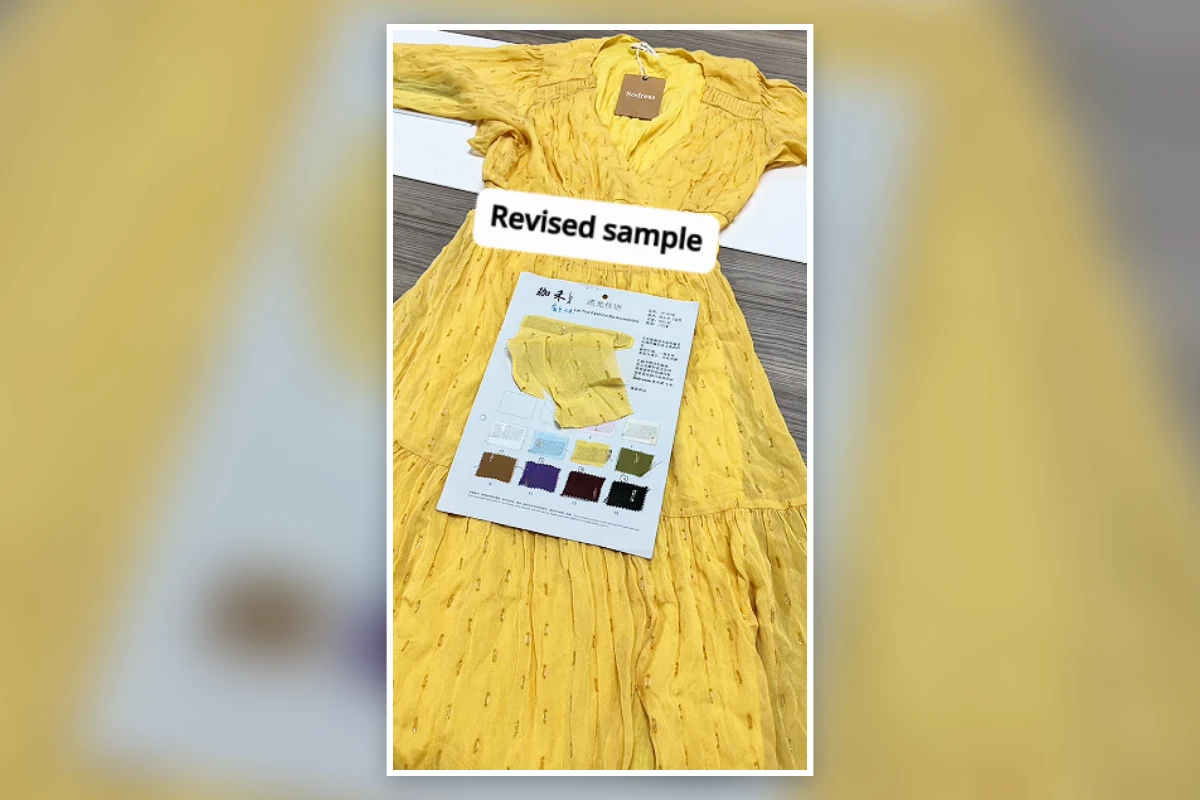
Before bulk production, “close enough for development” must become measurable. The approval package may include the physical colour standard, shade tolerance, final measurements, bulk fabric, trims, labels, workmanship, washing or finishing and packaging requirements.
AATCC EP9 provides a standardised procedure for visually comparing the colour difference between a textile specimen and a standard. Brands may also use instrumental measurement when the product requires defined tolerances.
Once production starts, we inspect the lot against approved standards. Our AQL garment inspection guide explains how sampling and defect limits support the final shipment decision.
Every Sample Round Should Answer the Right Question
For trend-led brands, speed matters. However, our goal is not simply to “make samples faster.” We want every round to answer the right question.
- If Proto 1 confirms the design direction, it has done its job.
- If Fit 2 corrects the pattern, it has done its job.
- If the next sample confirms the actual fabric, colour and finishing, it has done its job.
Problems usually begin when one early sample is expected to answer every question at once. That creates unnecessary waiting, repeated decisions and expensive revisions.
How Shengfu Manages Sample Development
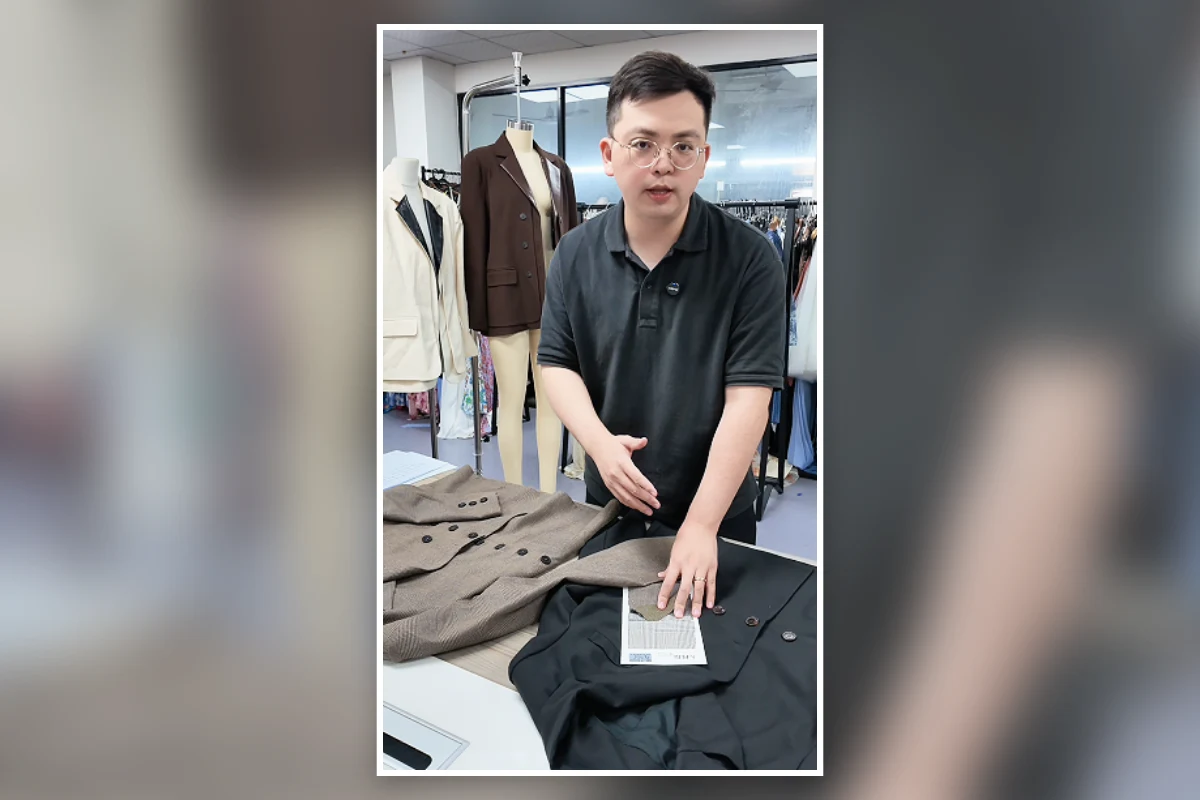
At Shengfu, we do not judge sampling only by how quickly a garment can be sewn. We first identify what each sample needs to prove.
Sometimes we can use an available shade because the brand needs to confirm the silhouette first. For another style, the exact material or colour may affect transparency, print, embroidery or finishing, so we develop it earlier.
For a focused review, send us your Tech Pack, reference images, target fabric and hand feel, measurements, colour reference, quantity and launch timeline. We can then separate the decisions required for Proto 1 from those that belong in later approval rounds.
Frequently Asked Questions
Does my first proto need the exact production colour?
Not always. If colour does not materially affect fit, construction or design evaluation, we can often use a close available shade for the first development round. Products involving transparency, printing, embroidery, contrast colour or special washes may need accurate colour earlier.
Can Shengfu use substitute fabric for a first prototype?
Sometimes. The substitute needs to behave closely enough to answer the current development questions. We compare weight, stretch, drape, structure and hand feel—not only the fibre name.
What should we check first on Proto 1?
Start with silhouette, proportions, basic fit, fabric behaviour and construction feasibility. Avoid spending too much time approving decorative details while major pattern changes remain.
When should the exact colour be approved?
The timing depends on the product and sampling calendar. Once the design and material direction become stable, move toward a physical colour standard, lab dip or approved swatch, then define the required tolerance before bulk production.
Is an SMS the same as a second fit sample?
No. SMS usually means Salesman Sample and normally supports selling, showroom presentation, photography or range review. Brands use different approval sequences, so we agree on the purpose of each sample before development.
What should I send Shengfu before starting a sample?
Send a Tech Pack or clear reference, measurements, target fabric composition and hand feel, colour reference, construction details, quantity and delivery schedule. A clear brief helps us decide which details need confirmation in the first round.
References and Related Shengfu Guides
- Techpacker — Types of Garment Samples During Apparel Production: An overview of proto, fit, SMS, pre-production and other sample stages.
- Techpacker — Garment Fitting and Fit Sign-Off Process: Practical guidance on measurements, patterns, construction and fit comments.
- Pantone — Why Physical Colour Samples Matter: Guidance on physical standards when colour moves from digital design to a real product.
- AATCC EP9 — Visual Assessment of Color Difference of Textiles: The official procedure summary for visual textile colour comparison.
- Shengfu — How to Measure Shoulder Width
- Shengfu — How to Make a Dress: The Production Process
- Shengfu — What Is AQL? A Practical Garment Inspection Guide