
Article summary: Two factories can quote the same reference photo while costing different products. Compare material specifications, sewing operations, quantity breakdown, quality requirements and delivery scope before treating the lowest unit price as the best offer.
Jump to:
- Give Every Factory the Same Baseline
- Compare the Actual Fabric Specification
- Make Hidden Sewing Work Visible
- Compare the Same Order Breakdown
- Reconcile Quality and Delivery Scope
- Choose the Best Documented Option
- FAQ
- References and Further Reading
The cost of clothing manufacturing is only comparable when the product and commercial scope are comparable. A photo does not define fabric weight, lining, seam construction, testing or packaging. When two prices differ sharply, first identify what each supplier assumed.
Give Every Factory the Same Baseline
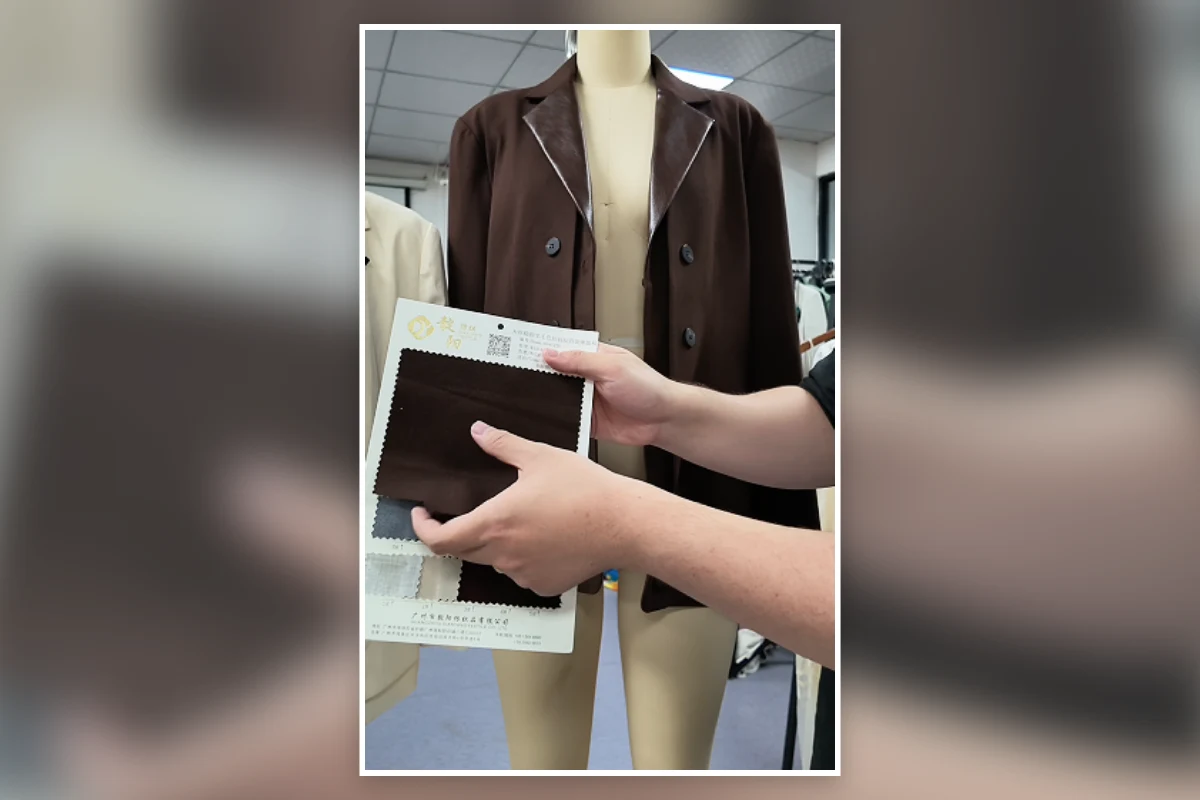
Send one dated enquiry pack to the clothing manufacturers you are comparing. Include the same sketch, measurements, fabric reference, quantity by size and colour, packaging and required arrival date. Ask suppliers to list deviations instead of silently substituting their preferred option.
A quote for custom garment manufacturing should identify the exact style revision and what remains provisional. Treat an early estimate as a planning range until unresolved materials or construction have been sampled. Read our guide to preparing a quotation request for the initial enquiry checklist.
Compare the Actual Fabric Specification
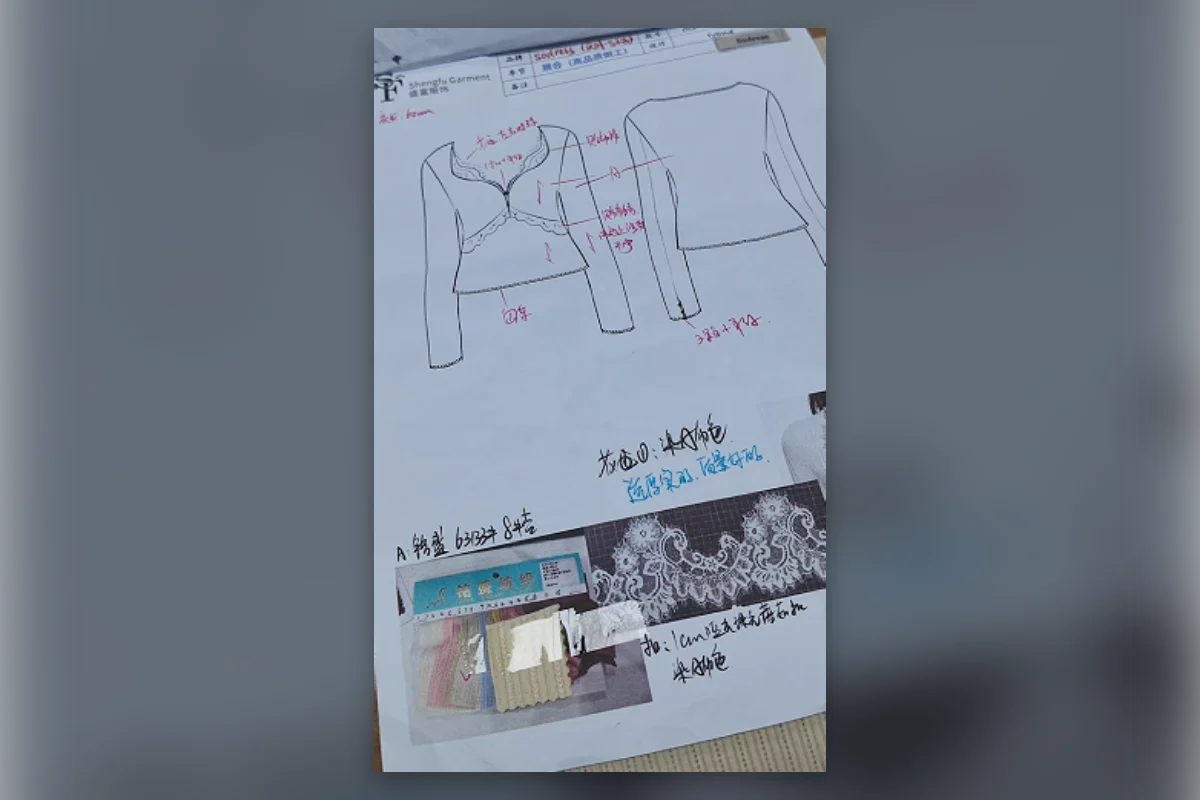
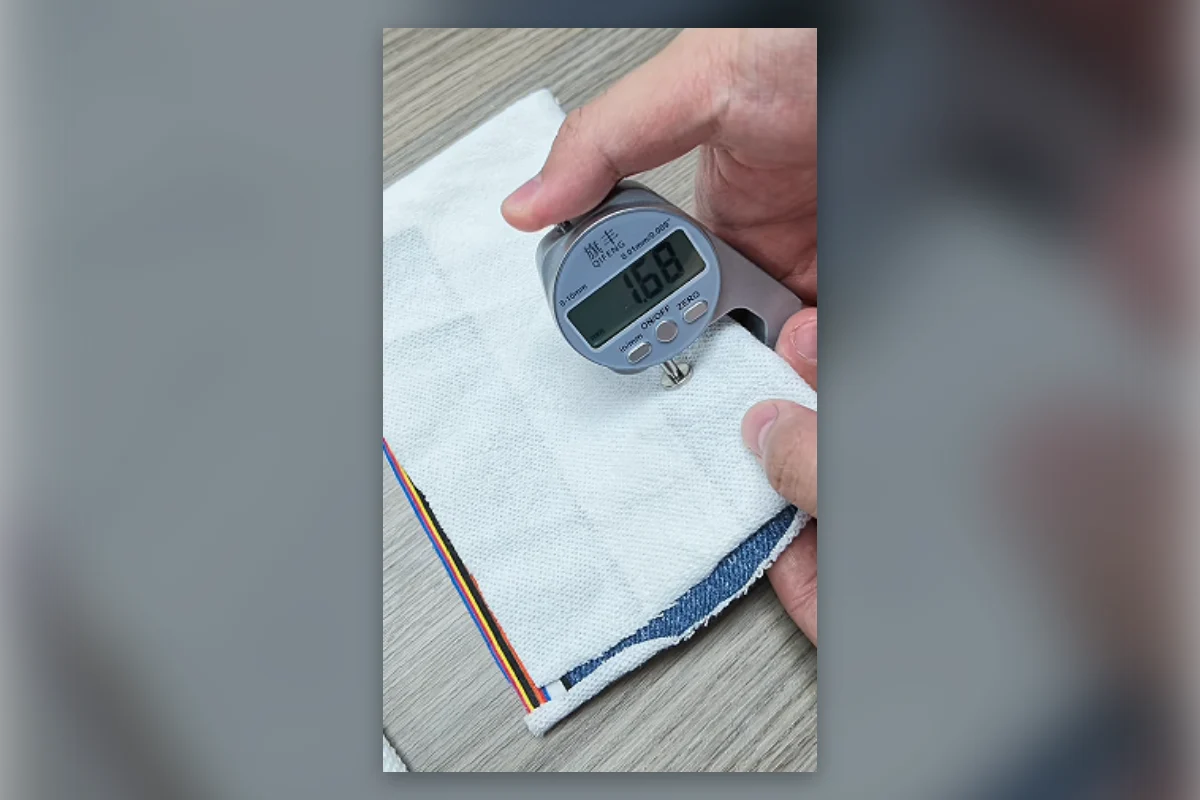
Fabric sourcing can create a price gap before any sewing begins. Match composition, construction, fabric GSM, usable width, finish and performance requirements. Fabric GSM expresses mass per area; fabric thickness is a different property. Neither alone proves quality or predicts every aspect of drape.
| Fabric question | Why it changes the comparison |
|---|---|
| Same composition and construction? | Different yarns, blends or structures change cost and behaviour |
| Same weight and usable width? | Consumption and suitability may differ |
| Same colour and finish? | Custom development can add costs and minimums |
| Same performance requirement? | Shrinkage, colour transfer or strength checks may change the approved choice |
| Same purchasing basis? | Stock fabric and custom production are different sourcing commitments |
Request a physical swatch and a reference number. If a lower-cost alternative is proposed, compare the finished sample for fit, hand feel and intended care before deciding whether the saving preserves the product promise.
Make Hidden Sewing Work Visible
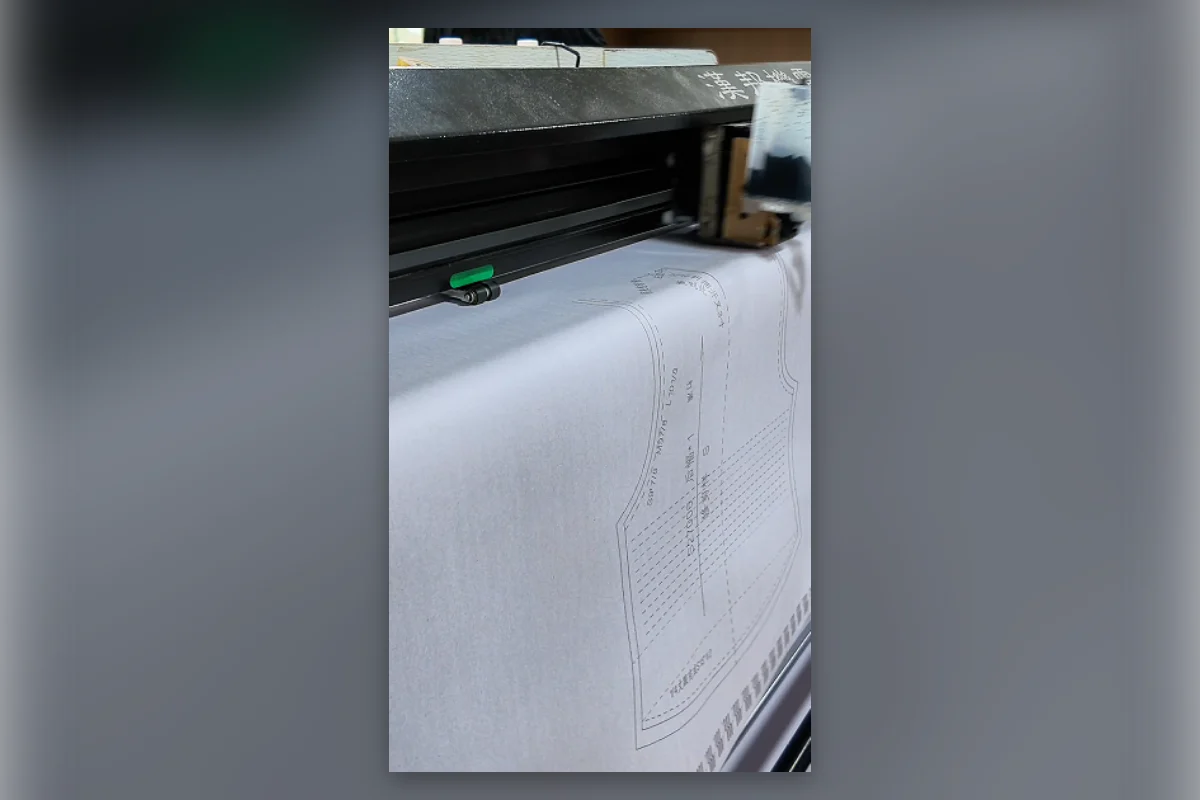
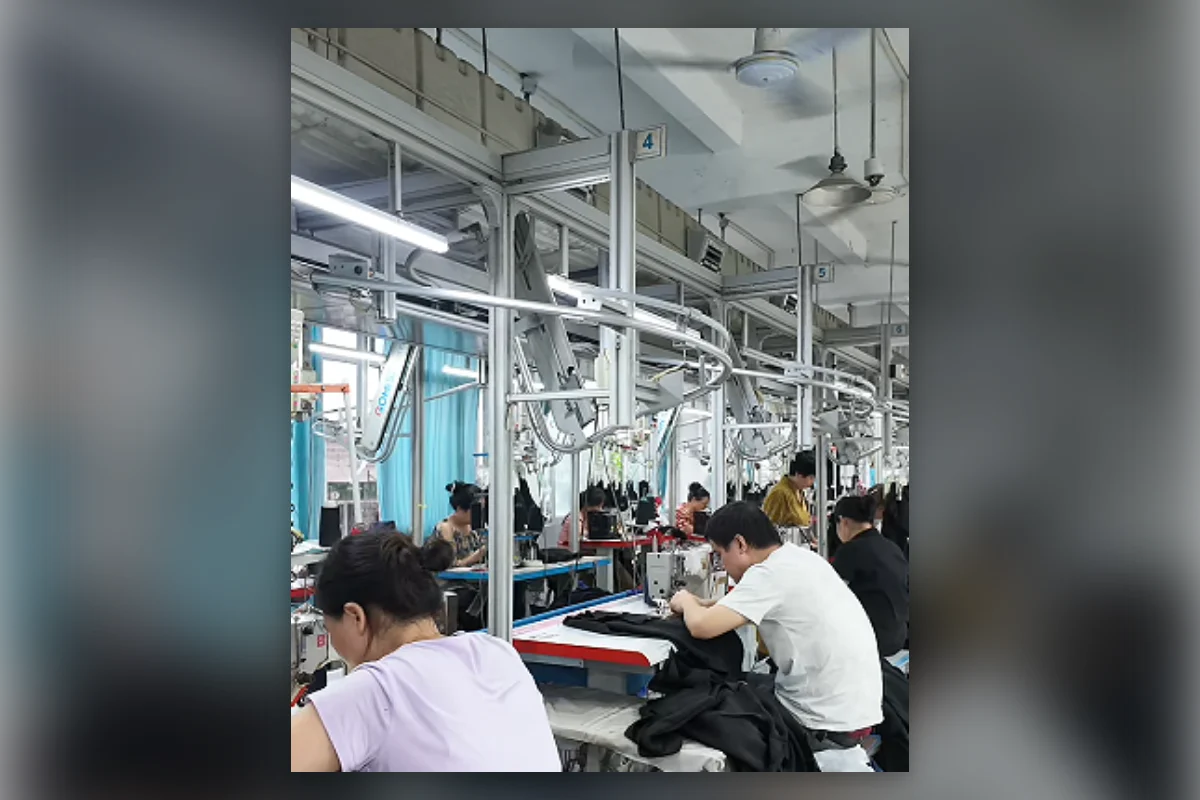
Garment construction is a sequence of operations. A lined bodice, covered zipper, matched lace motif or hand-attached trim can add work that is not obvious from the front photograph. Pattern making, grading and sampling may be separate development charges rather than recurring unit costs.
Ask custom clothing manufacturers to explain the construction behind the price. Compare feasible alternatives against fixed requirements for comfort and durability. An overlocked edge and an enclosed seam are different choices, but an elaborate interior does not automatically make the garment better.
Compare the Same Order Breakdown
Minimum order quantity can apply to fabric, colour, trim or style. Small batch clothing manufacturers may have a viable route using stock materials, while another factory has priced custom fabric. A low MOQ clothing manufacturer may charge more per unit because setup costs are spread across fewer pieces.
Ask for the same quantity breaks and size-colour mix. If you are comparing cut and sew manufacturers, clarify whether you or the factory supplies fabric, trims and packaging. A sewing-only price is not equivalent to a complete finished-garment price.
| Quote line | Supplier A | Supplier B |
|---|---|---|
| Style and revision | Enter exact reference | Enter exact reference |
| Units by colour and size | Enter same breakdown | Enter same breakdown |
| Material and construction | List approved specifications | List approved specifications |
| Development charges | Separate one-time costs | Separate one-time costs |
| Testing and inspection | Define included scope | Define included scope |
| Packing and delivery | Define included/excluded costs | Define included/excluded costs |
Reconcile Quality and Delivery Scope
State the required fabric testing, inspection and acceptance criteria. Ask whether external testing, independent inspection, rework, labels, cartons or freight are included. Record currency, quote validity and payment milestones. If a trade term is used, require its named place and version and confirm the actual allocation of delivery costs with the supplier.
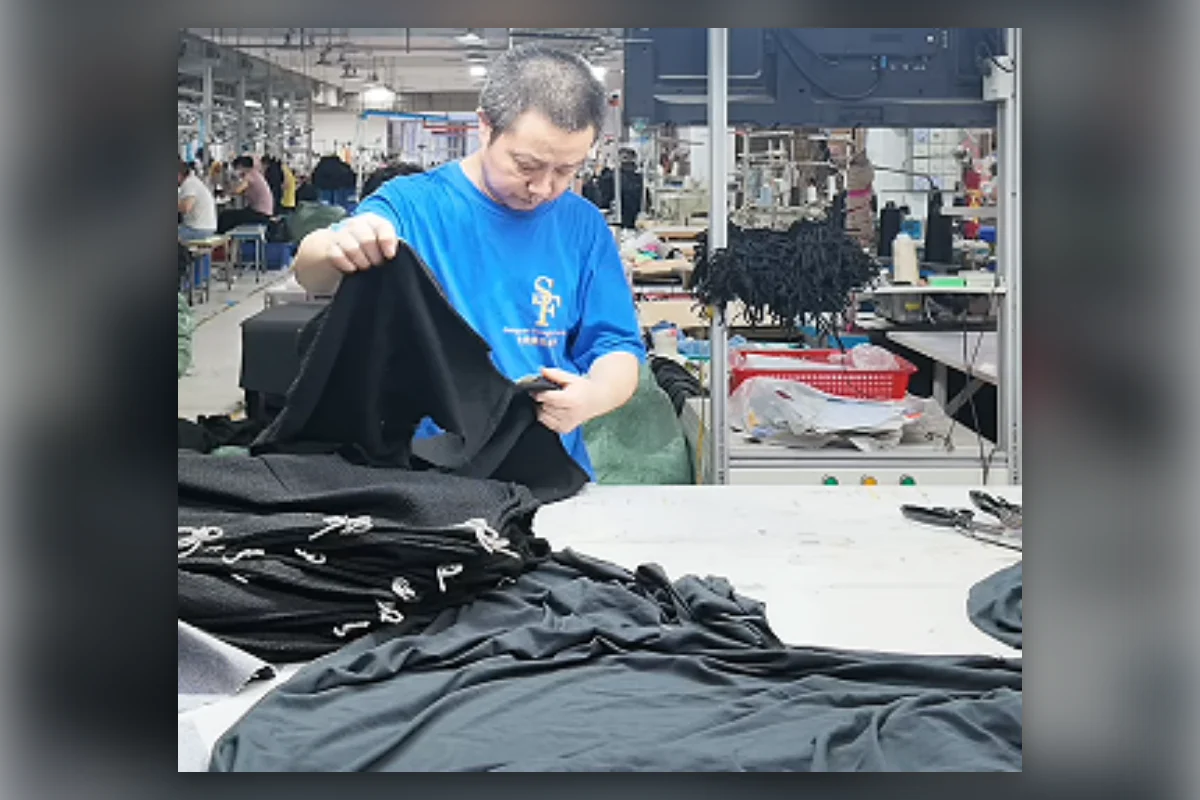
Do not infer quality from price alone. A higher price may reflect a different specification, capacity constraint or commercial structure; a low price may omit essential work. Compare the written assumptions and samples before drawing a conclusion.
Choose the Best Documented Option
For an illustrative comparison, suppose one quote includes lining and individual packing while another excludes both. Add the missing scope to the comparison before asking the second supplier to match the first price. Do not call the difference a saving until the finished product and responsibilities are equivalent.
Send Shengfu the common enquiry pack and identify the features your customer values most. Request a base quote and clearly labelled alternatives, each with the specification changes, sampling needs and timing implications. This makes clothing production decisions easier to review internally.
FAQ
How much does it cost to manufacture clothing?
There is no dependable universal unit price. Fabric, construction, order breakdown, development, quality requirements and delivery scope determine the quote. Use a defined style and quantity to obtain a usable comparison.
Does the lowest quote protect my margin?
Only if it covers the required product and scope. Revisions, rejected goods, missing packaging or unexpected logistics costs can change the final cost.
Should I negotiate before sampling?
You can discuss target cost early, but do not approve a cheaper construction without checking the sample and revised specification. Keep exploratory alternatives separate from the approved baseline.
What should be recorded after a quote changes?
The new price, the reason, the revised specification, included scope, validity and schedule. Keep earlier versions for comparison, and identify the current approved revision.
References and Further Reading
Technical references
- Techpacker: quantity breakdown template
- Coats: seam types and seam quality
- Intertek: textile and apparel inspection
These sources support the technical discussion; they do not certify or endorse Shengfu. Confirm project-specific specifications and process availability during development.
Related Shengfu guides
- How to prepare a clothing manufacturing quote
- Why a lower MOQ changes unit price
- What a usable clothing tech pack contains
- AQL and garment quality inspection
- Payment security for clothing orders
- Why a factory may decline an order
- How a dress moves through factory production
- Choosing a custom dress manufacturer





