
Article summary: A useful factory answer explains the assumptions, evidence and next decision behind a promise. Use these five questions to assess pricing, photo-based development, MOQ, sample consistency and shipping before committing to a custom order.
Jump to:
- Prepare One Clear Enquiry
- 1. Can You Quote This Now?
- 2. Can You Make This From a Photo?
- 3. Can You Lower the MOQ?
- 4. Will Bulk Production Match the Sample?
- 5. How Quickly Can You Ship?
- Compare Answers and Define the Next Step
- FAQ
- References and Further Reading
Custom clothing manufacturers should help you understand what can be confirmed now and what needs development. An immediate “yes” to every question is less useful than a clear explanation of materials, sample work and approval conditions. Ask for specific answers you can compare across suppliers.
Prepare One Clear Enquiry
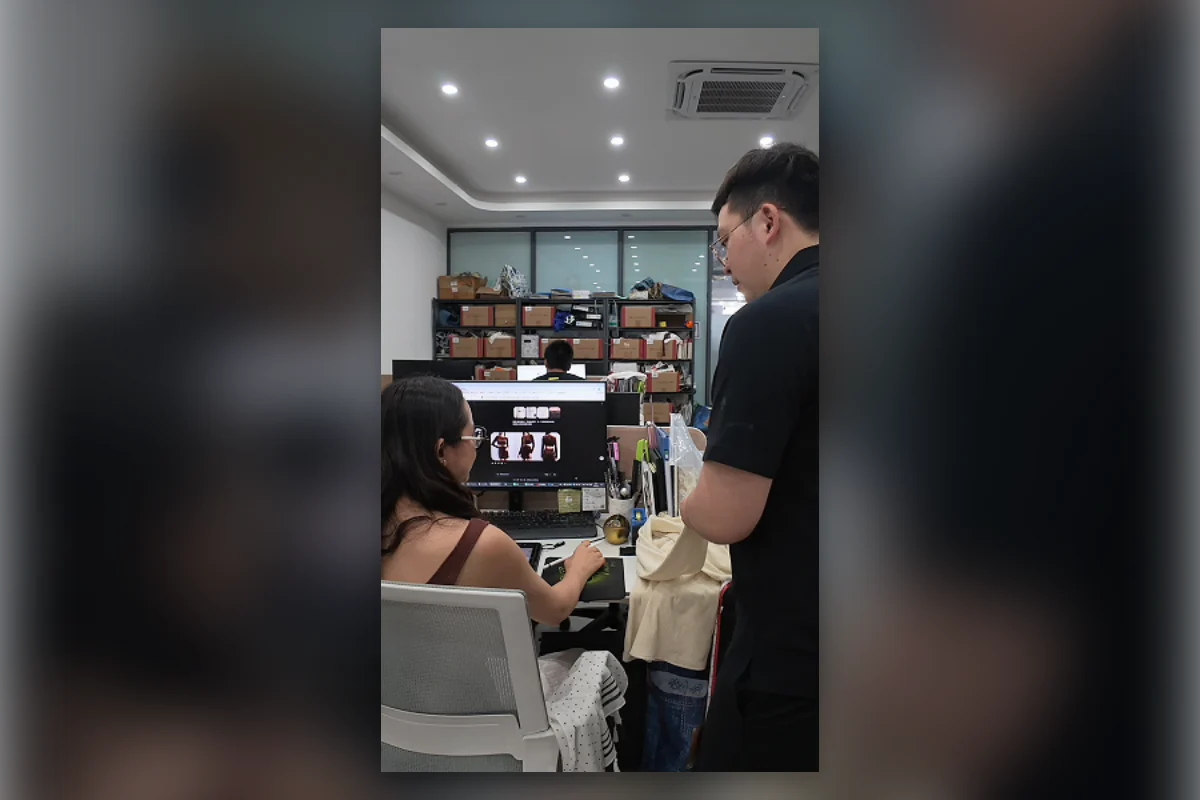
Send a reference or drawing, intended fabric, size range, estimated units by colour, target cost and required arrival date. Include the destination and distinguish fixed requirements from preferences. If you are researching how to find a garment manufacturer, first define the product category and work you need the supplier to perform.
Some clothing manufacturers offer development and fabric sourcing; others expect a production-ready package. A clothing sample maker may help develop a prototype without being the eventual bulk supplier. Clarify responsibilities instead of assuming every service is included.
1. Can You Quote This Now?
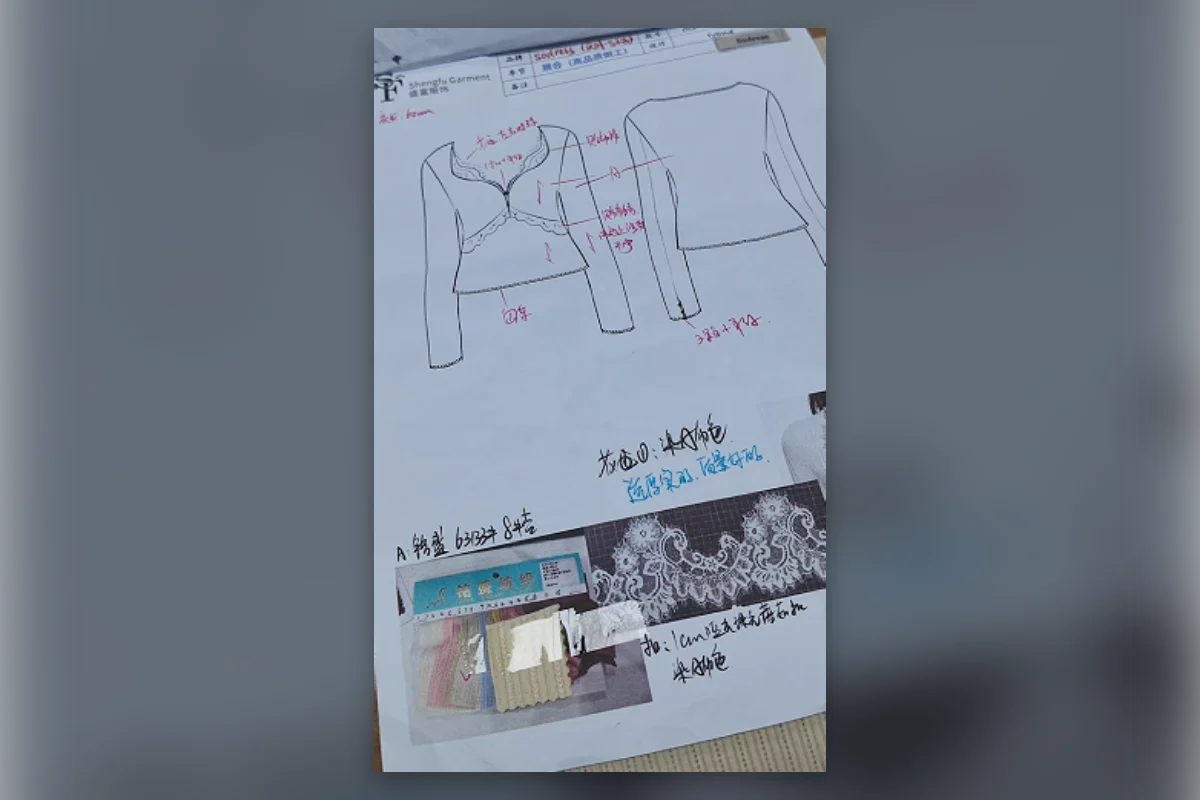
The answer should identify whether the price is an estimate or a confirmed quotation. Ask which fabric, construction, quantity and packing assumptions it uses; whether sample fees and testing are separate; and how long it remains valid. A reference photo alone leaves too many variables for a final price.
A professional response could be: “We can estimate using the proposed material and quantity. We need to confirm the lining, closure and finished measurements before finalising the quote.” That example shows the level of clarity to request; it is not a quotation or a guaranteed Shengfu policy.
2. Can You Make This From a Photo?
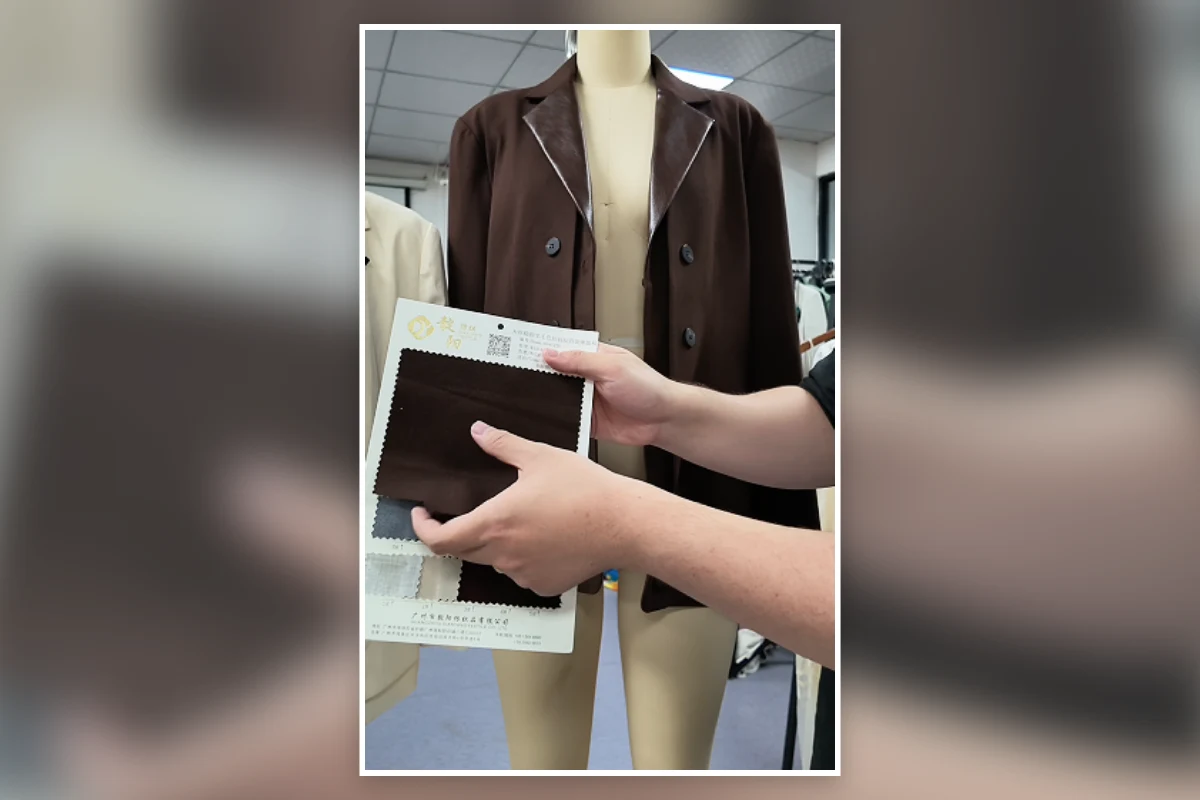
A photograph can explain proportion, colour direction and visible detail. It cannot reliably specify the reverse side, internal support, stretch recovery or measurements. Ask what additional information the factory needs and which development decisions the first sample will test.
Use a tech pack or a labelled brief to record the intended garment, not instructions to duplicate another brand’s identity. For a fitted dress, decide whether measurements describe the body or the finished garment. For a ruffle, specify depth, placement and whether fullness comes from gathering or a shaped flounce.
3. Can You Lower the MOQ?
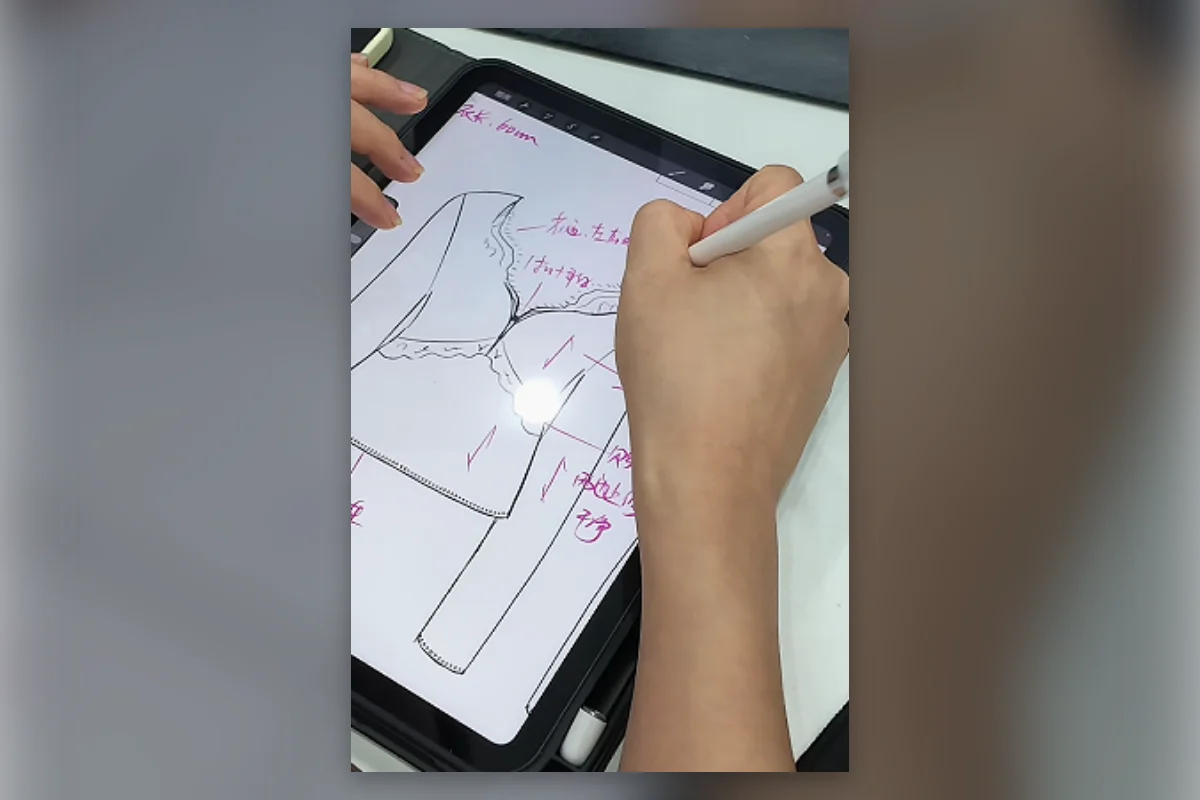
Ask where the minimum order quantity comes from: fabric, dyeing, printed yardage, trims, style setup or production capacity. A low MOQ clothing manufacturer may be able to use available material, combine compatible sourcing or simplify custom details. Confirm the effect on price and the choices available.
Small batch clothing manufacturers still need an accurate size and colour breakdown. Splitting a small order into many colours can create a different sourcing problem from making the same total quantity in one colour. Techpacker’s quantity breakdown guidance provides a structure for recording that mix.
| Ask | Look for |
|---|---|
| Minimum per style or per colour? | A clearly defined unit of minimum |
| Stock or custom material? | The sourcing route behind the offer |
| What changes if units decrease? | Revised unit price, options and schedule |
| Can repeat orders use the same material? | Availability and reordering conditions |
4. Will Bulk Production Match the Sample?
The answer should refer to a retained approval sample, written specifications and tolerances, material references and an inspection plan. Clothing samples establish the target; they do not prove every future unit will be identical. Ask how deviations are recorded and who approves corrective action.
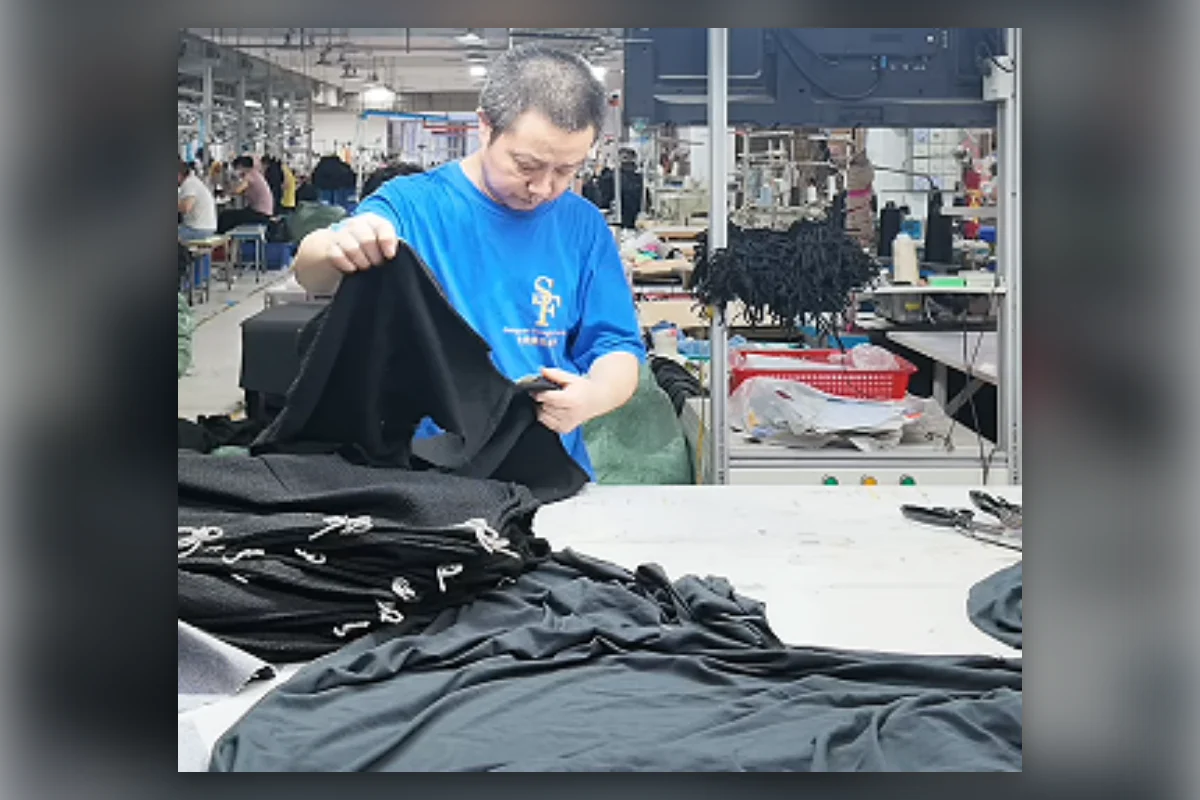
For garment manufacturing, plan checks before and during production as well as a pre shipment inspection. Intertek outlines these inspection stages. Ask what happens if inspection fails, including rework, reinspection and the effect on dispatch.
5. How Quickly Can You Ship?
Request a schedule with separate dates for sample approval, material readiness, production completion, inspection and dispatch. Ready-to-ship is not the same as delivery to your warehouse. Include the transport method and responsibility for arranging it.
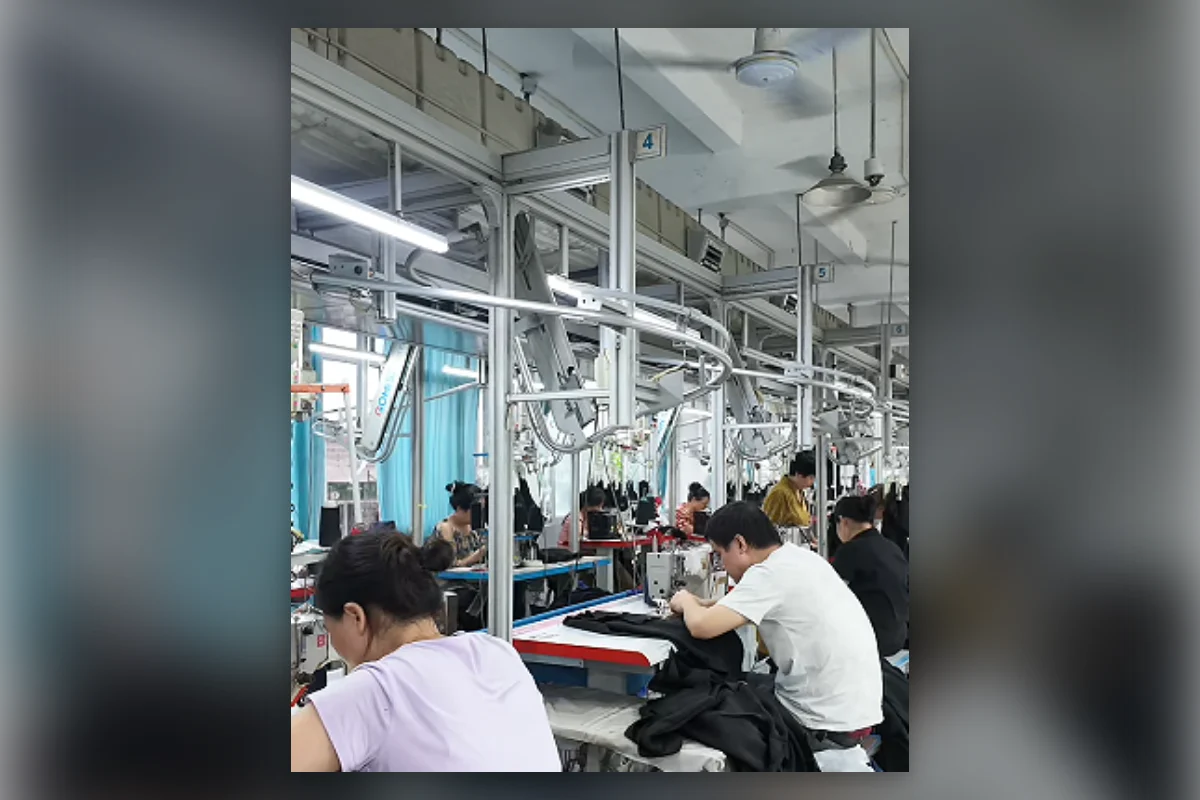
Clothing production schedules should state their dependencies. If your approval is late or a fabric changes, ask for an updated plan rather than relying on the original date. Be wary of a fixed arrival promise that does not identify the material and approval conditions behind it.
Compare Answers and Define the Next Step
| Area | Useful evidence | Follow-up if missing |
|---|---|---|
| Price | Written scope and assumptions | Request a like-for-like revision |
| Development | Sample purpose and included work | Clarify revisions and fees |
| MOQ | Minimum by style, colour or material | Ask for feasible alternatives |
| Quality | Approved reference and inspection plan | Define acceptance and remedy |
| Timing | Milestones and dependencies | Confirm dispatch versus arrival |
For anyone comparing clothing manufacturers for startups, communication quality is part of the assessment. Look for explicit limits, a documented development route and a clear next decision. Send Shengfu your enquiry pack and request a project-specific proposal against these five questions.
FAQ
How to choose a clothing manufacturer when several suppliers say yes?
Compare documented scope, relevant samples, material options, approval responsibilities and realistic schedules. A useful response explains what must happen before its promise becomes firm.
How to get clothing manufactured without a complete tech pack?
Start with a clear brief and ask for development support. Confirm who creates the pattern and specifications, what the sample fee covers and how final approvals are recorded.
Should I accept a photo of the approval sample?
Use photos for communication, but review a physical sample when fit, handle, internal construction or performance matters. Record any decision that remains provisional.
References and Further Reading
Technical references
These sources support the technical discussion; they do not certify or endorse Shengfu. Confirm project-specific specifications and process availability during development.





