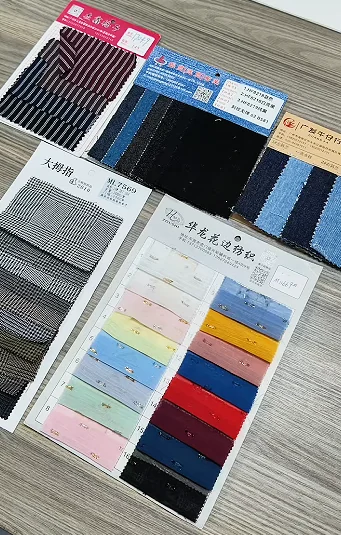
Article summary: Choose the result before naming the process. A denim wash should deliver the right character, comfort and fit for the wearer. Approve a physical sample and define acceptable shade variation, finished measurements and performance before committing to production.
Jump to:
- Describe the Result Your Customer Wants
- Compare Types of Denim Washes
- Approve the Physical Garment
- Define Variation and Protect Fit
- Ask for Evidence Behind Environmental Claims
- Send a Focused Wash Development Brief
- FAQ
- References and Further Reading
A denim wash gives a garment more than a colour. It can change softness, contrast, surface character and fit. The right choice starts with the customer’s use: a comfortable everyday jean, a structured jacket and a sharply distressed fashion piece do not need the same finish.
Describe the Result Your Customer Wants
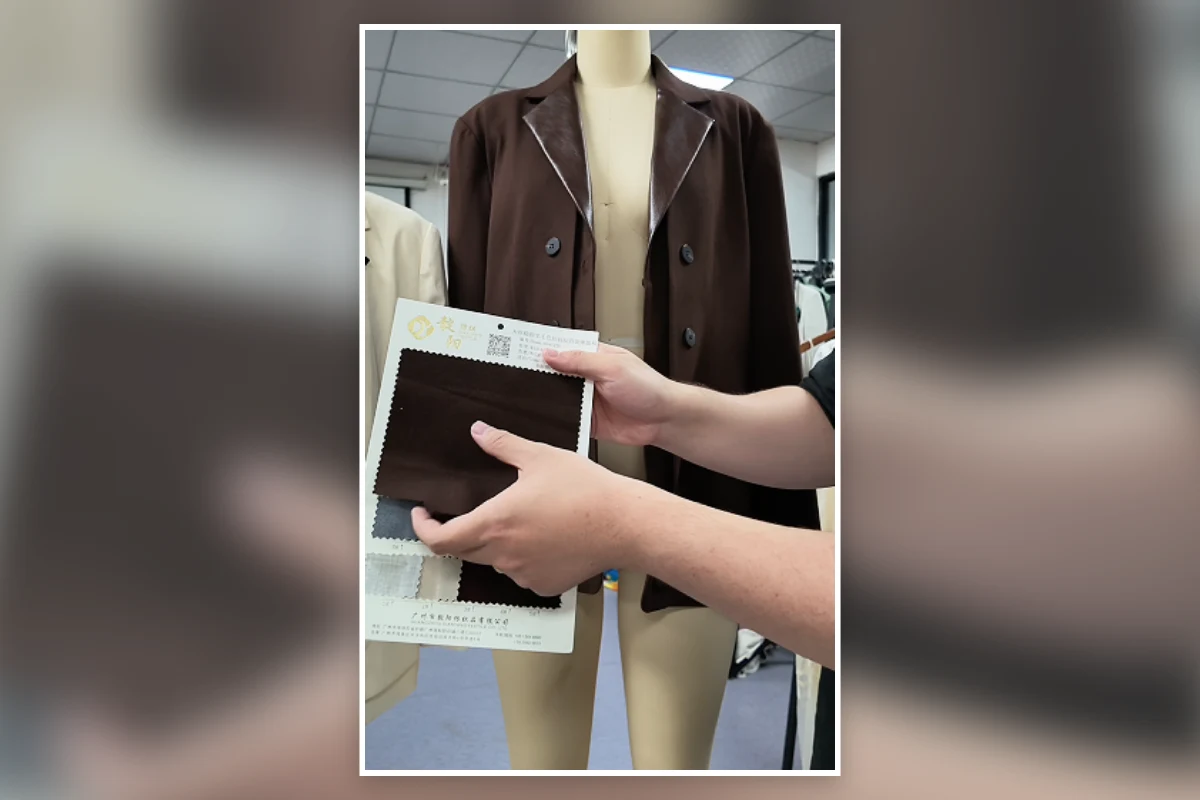
Define the target shade, contrast at seams, whisker placement, distressed areas and handle. Decide which features are essential and which can vary. A reference image is useful for direction, but lighting and editing make it a poor final colour standard.
Use raw denim as a comparison point when discussing the starting material and desired transformation. Fabric weight, construction and fibre content matter to how a garment responds. Do not assume the same recipe creates the same effect on every fabric, or that a more aggressive finish deserves a higher selling price.
Compare Types of Denim Washes
| Route | Result to discuss | What the sample must answer |
|---|---|---|
| Enzyme wash | Softer surface and controlled fading | Desired handle, shade and retained performance |
| Stone wash | Abraded, worn character | Intensity, variation and vulnerable areas |
| Acid wash direction | Strong, irregular light-dark contrast | Physical shade standard and controlled contrast |
| Laser effects | Designed whiskers or local patterns | Placement, fabric response and afterwash result |
These are development routes, not a complete production recipe. CottonWorks describes enzyme treatment, stonewashing and laser finishing as distinct options that can also interact within a finishing sequence. Read the CottonWorks technical overview. Confirm the actual sequence and process availability with the factory.
When comparing stone washed jeans with a subtler washed denim reference, identify the surface character you want rather than asking for “more vintage.” For acid wash denim, agree where contrast should appear and what level of variation is acceptable. Keep the approved reference available during bulk review.
Approve the Physical Garment
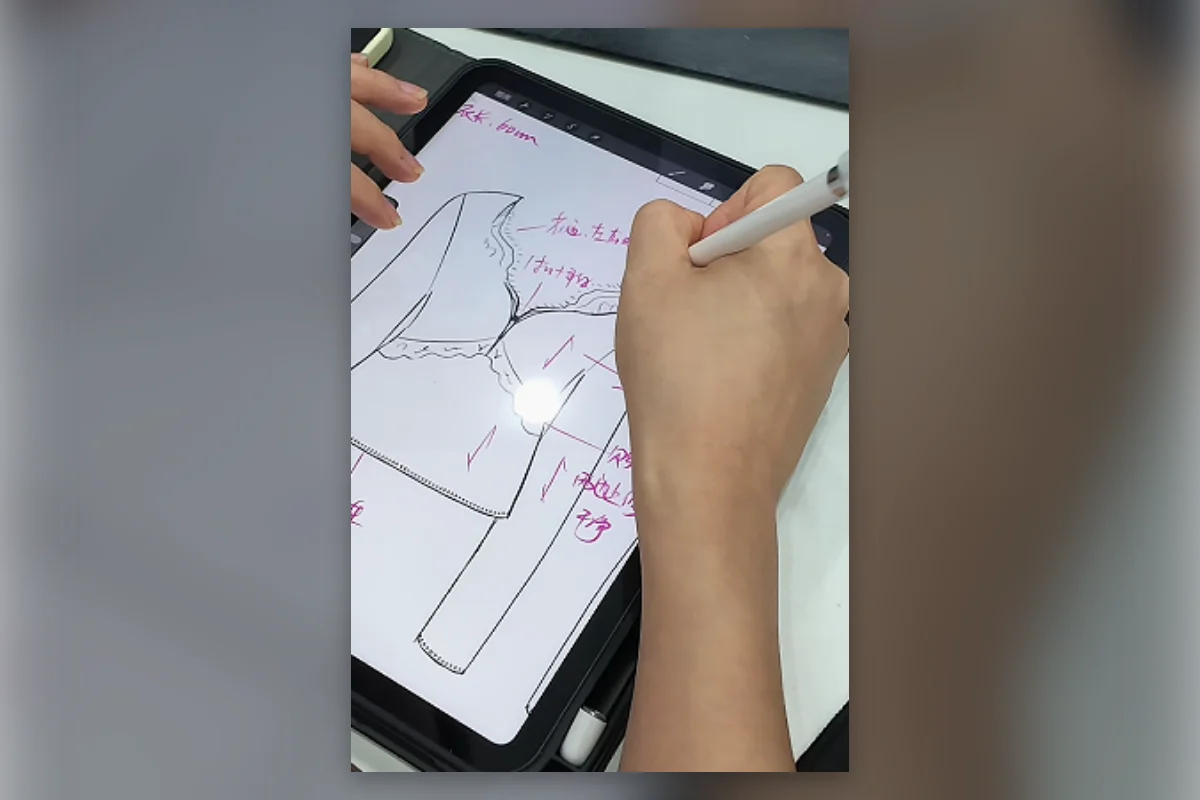
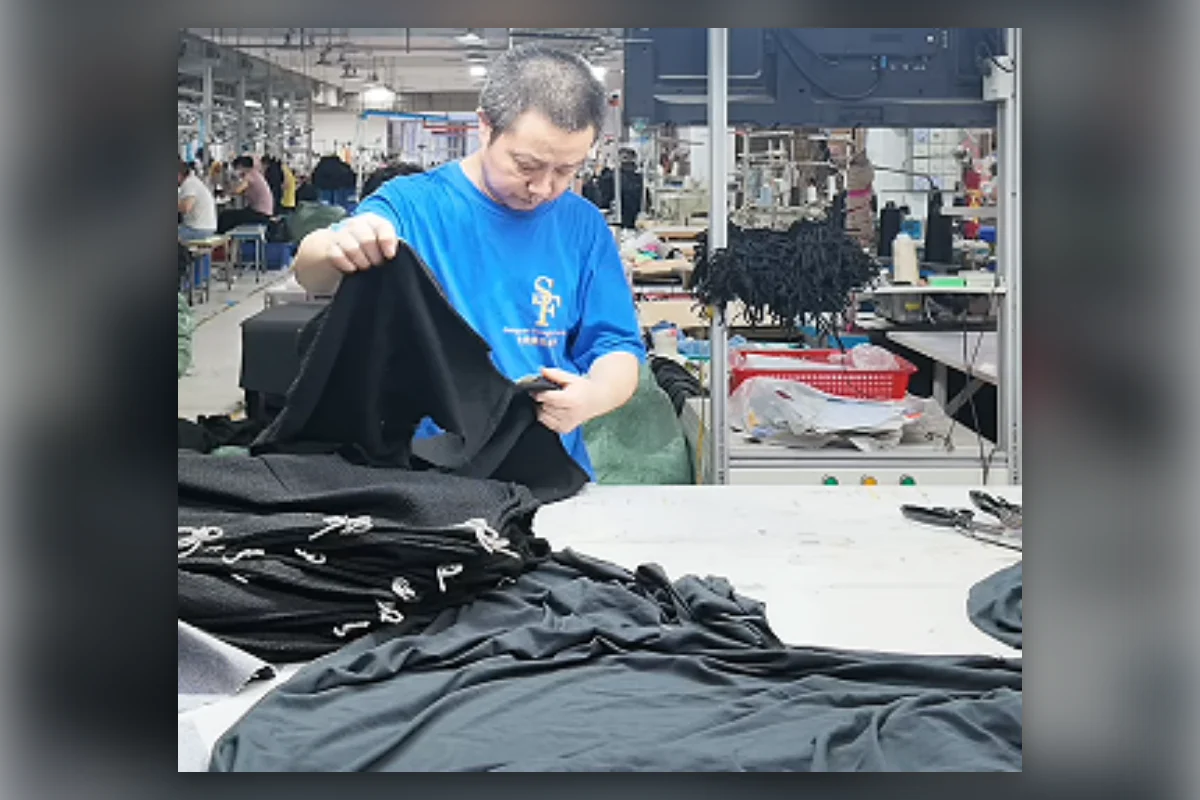
Review the whole garment after finishing, not only a fabric swatch. Check the inside and outside, handle, seam appearance, closures and finished dimensions. Garment construction and trims must remain suitable after the process; an attractive front view can conceal a distorted waistband or uncomfortable interior.
| Review area | Record before approval |
|---|---|
| Shade and contrast | Retained physical reference and acceptable variation |
| Placement | Named reference points for whiskers or distressing |
| Fit | Measurement method and dimensions after finishing |
| Wear performance | Agreed checks for colour transfer, strength and shrinkage |
| Construction | Seams, trims, closures and distressed-edge condition |
| Production | Approval date, revision, price and schedule |
Do not set a universal pass value from a blog article. Agree relevant fabric testing methods and acceptance criteria for the garment, customer and intended care. Retest when a material or process change could affect an already approved property.
Define Variation and Protect Fit
A washed effect is not necessarily identical from unit to unit. Decide which variation expresses the design and which becomes a defect: shade bands, asymmetry, displaced fading or an over-distressed area. Use clear comparison references where one sample cannot communicate the permitted range.
For an illustrative everyday jean, the brand might prefer mild seam definition over large tears because customers need regular wear. That is a product decision, not a universal rule that light washing is better. Choose the least aggressive route that achieves the brief, then verify it on the intended garment.
Ask for Evidence Behind Environmental Claims
A process name alone does not establish lower environmental impact. Ask which facility performs finishing and what records support claims about chemicals, wastewater, water use or energy. Compare like-for-like production scope and avoid claiming a saving without a documented baseline.
Likewise, a denim-look printed fabric is not evidence of a denim wash process. If your goal is denim appearance with a different feel, explore the alternative openly. Our faux denim guide explains that separate development route.
Send a Focused Wash Development Brief
- Style and intended wearer, with expected use and care.
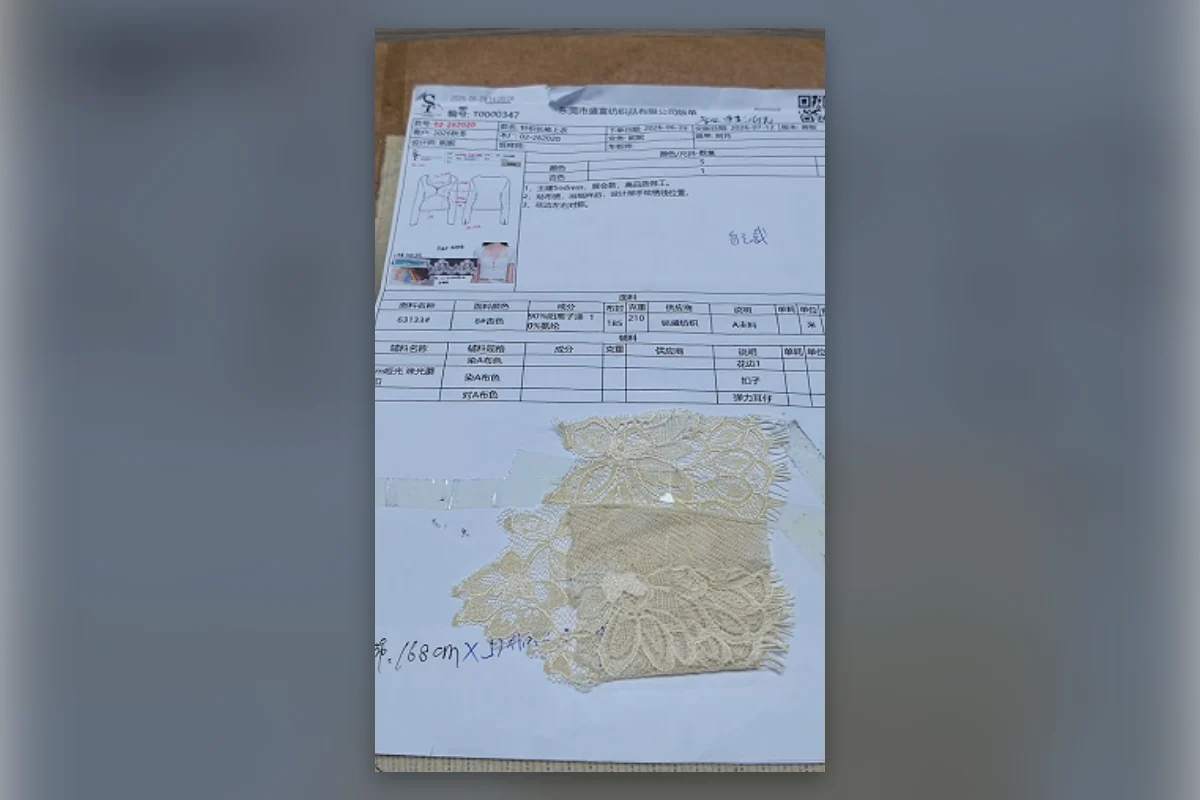
- Base fabric specification and a physical reference where available.
- Target shade, effect placement and acceptable variation.
- Size range, units by colour and target price.
- Required arrival date, sample approvals and performance checks.
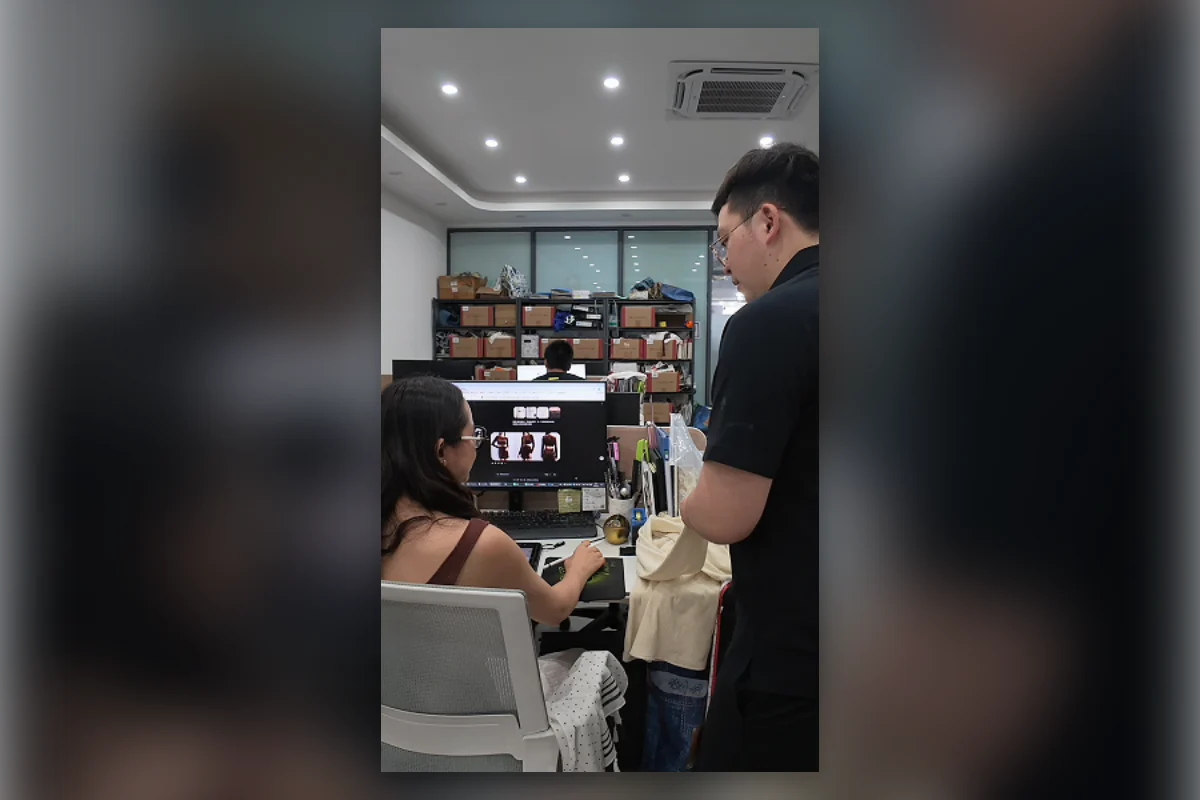
Ask Shengfu to confirm feasible processes for the project, sampling charges, material minimums and the proposed development sequence. Keep any production commitment conditional on the agreed physical sample and specifications.
FAQ
What is raw denim?
In this context, it is denim that has not received the garment washing used to create a pre-worn effect. Confirm the supplier’s exact finishing description, because terms alone do not specify shrinkage or care behaviour.
What is enzyme wash?
It is a finishing route using enzymes for a particular effect, such as surface modification and softness. Ask which effect is intended and verify the resulting shade, handle and performance on a sample.
What is stone washed denim?
It describes denim treated to develop an abraded, worn appearance through stonewashing. Intensity and the overall process vary, so approve the physical result rather than the name alone.
What is acid wash?
In denim styling, the term commonly refers to a pronounced, irregular contrast effect. It does not define a complete recipe or an acceptance standard; use a physical reference and a confirmed factory process.
Can I approve a denim wash from a photo?
A photo can guide discussion but cannot communicate handle, fit or strength. Review a finished physical sample before production approval.
References and Further Reading
Technical references
These sources support the technical discussion; they do not certify or endorse Shengfu. Confirm project-specific specifications and process availability during development.