
Article summary: A popular image proves visual appeal, not production readiness. Before placing an order, check how the design works across sizes, whether its details can be repeated, how it feels in motion and what its construction costs. Fix the weak point while sampling is still flexible.
Jump to:
- 1. Check the Design Across Sizes
- 2. Check Whether the Detail Can Be Repeated
- 3. Test Comfort in Actual Movement
- 4. Cost the Approved Construction
- Use a Production-Readiness Review
- FAQ
- References and Further Reading
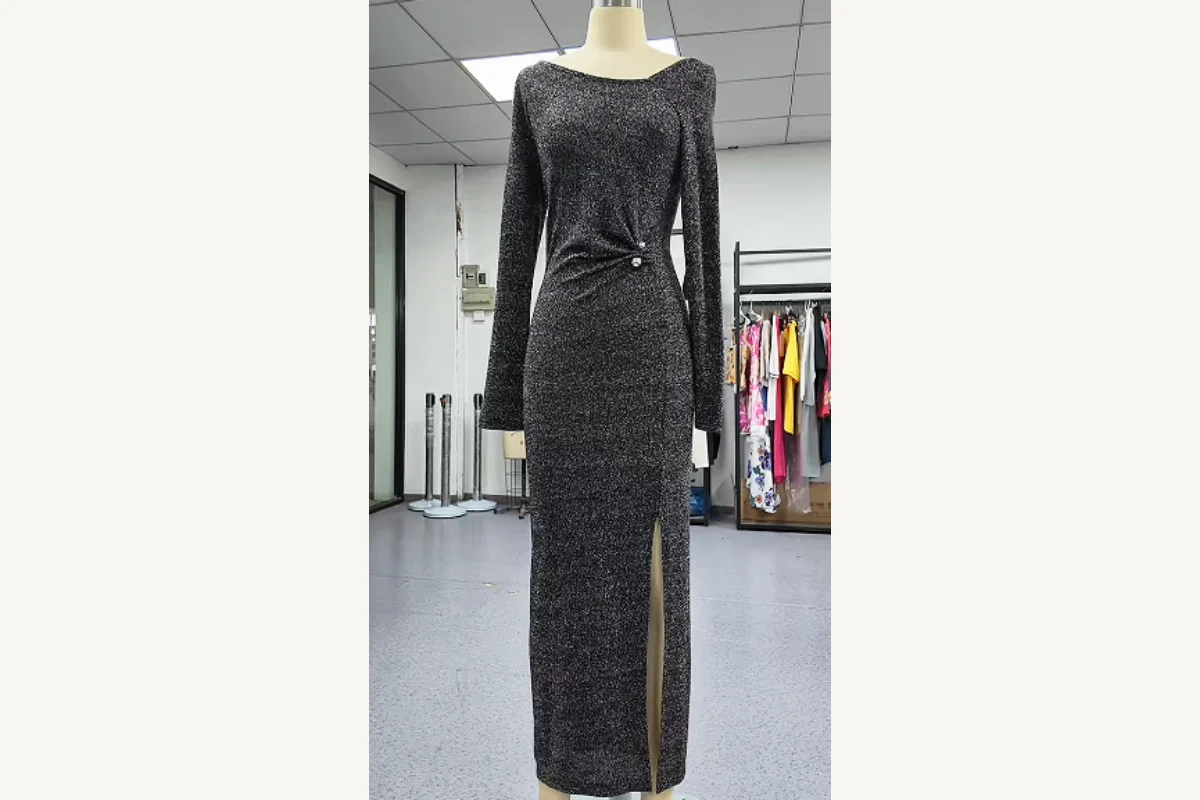
Pattern grading is one of the places where an attractive dress can become a difficult production project. A cutout that works in one sample size may shift to an uncomfortable position in another. The same image also tells you little about repeatable sewing, wear comfort or the true cost of the detail.
1. Check the Design Across Sizes
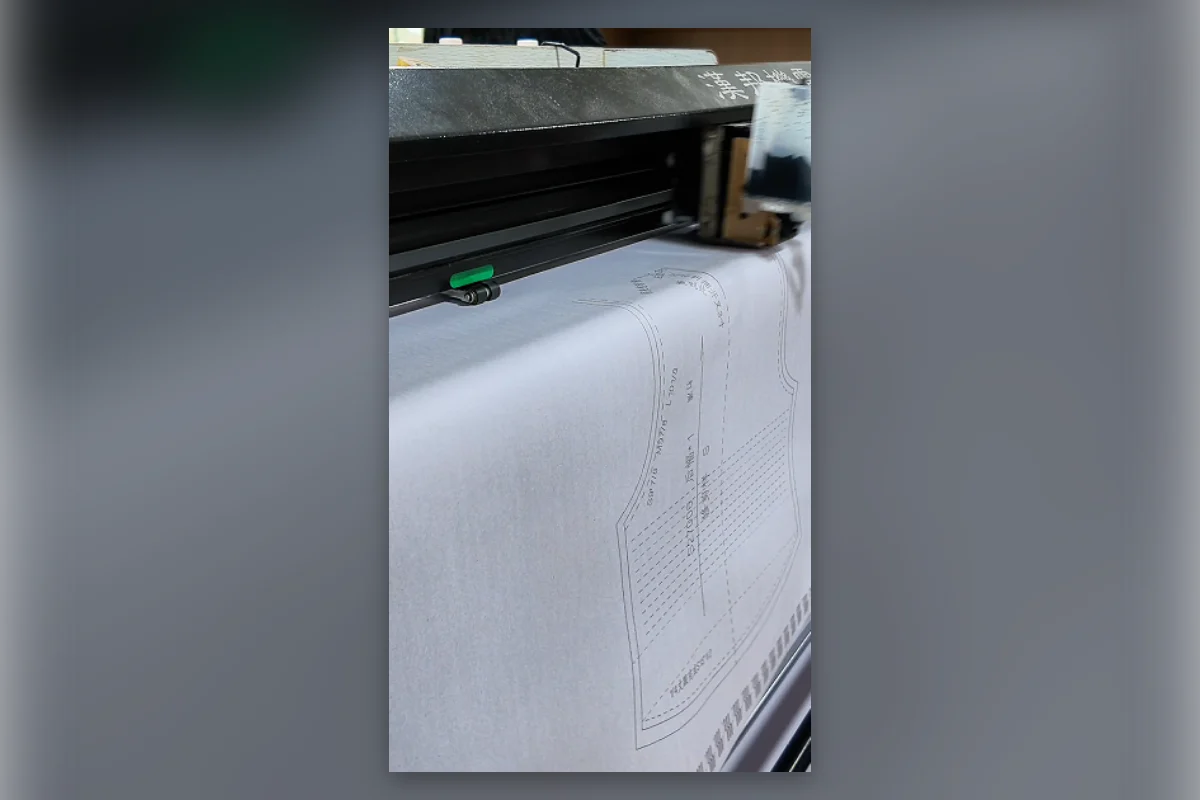
Pattern grading changes a sewing pattern to create a size range, but successful grading is not simply enlarging every part by the same amount. Review the finished silhouette, coverage, strap position and openings in the intended sizes. Define pattern grading rules with the pattern team rather than asking for a generic small-to-large expansion.
For a cutout dress, record the opening’s position from named reference points and review coverage on representative wearers or fit models. For a fitted bodice, review balance and support as well as circumference. Include size-range extremes where they carry the greatest risk.
| Design detail | Size-range question | Evidence |
|---|---|---|
| Cutout | Does placement preserve intended coverage? | Measured position and fit review |
| Fitted bodice | Is support and balance maintained? | Relevant size samples and movement checks |
| Sleeve or strap | Does placement remain comfortable? | Reach and arm-movement review |
| Hem and ruffle | Does proportion remain intentional? | Length and fullness comparison |
Keep pattern making corrections separate from grading adjustments, then verify that both appear in the current production files.
2. Check Whether the Detail Can Be Repeated
A sample maker can spend extra time perfecting one piece. Bulk garment construction needs a documented way to repeat the same result. Ask how lace motifs will align, how a three-dimensional flower will be attached, or how a gathered panel will maintain its fullness.
A smocked dress needs defined relaxed and extended dimensions, not just a close-up of elastic stitching. A ruffle dress needs the method, depth and distribution of fullness. Approve an operation sample in the intended material and define acceptable variation before the detail enters bulk work.
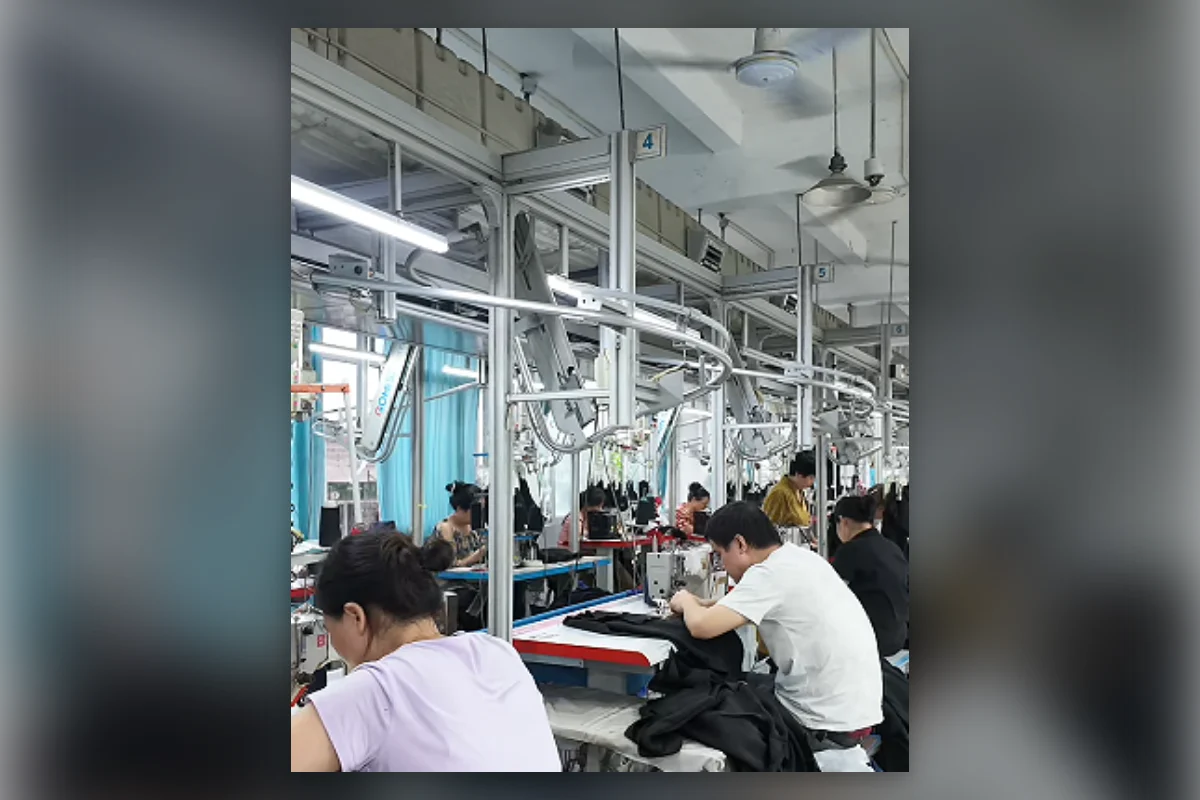
If puckering appears, investigate the operation rather than relying on pressing to conceal it. Coats identifies several causes of seam puckering. A first-piece review can help expose the problem before it repeats across the batch.
3. Test Comfort in Actual Movement
Fashion design should answer how the garment is worn. For a corset dress, review pressure, support, lining, closure access and ease of putting it on. Ask the wearer to sit, walk, reach and bend as appropriate to the intended use. Record discomfort by location and action instead of writing only “too tight.”
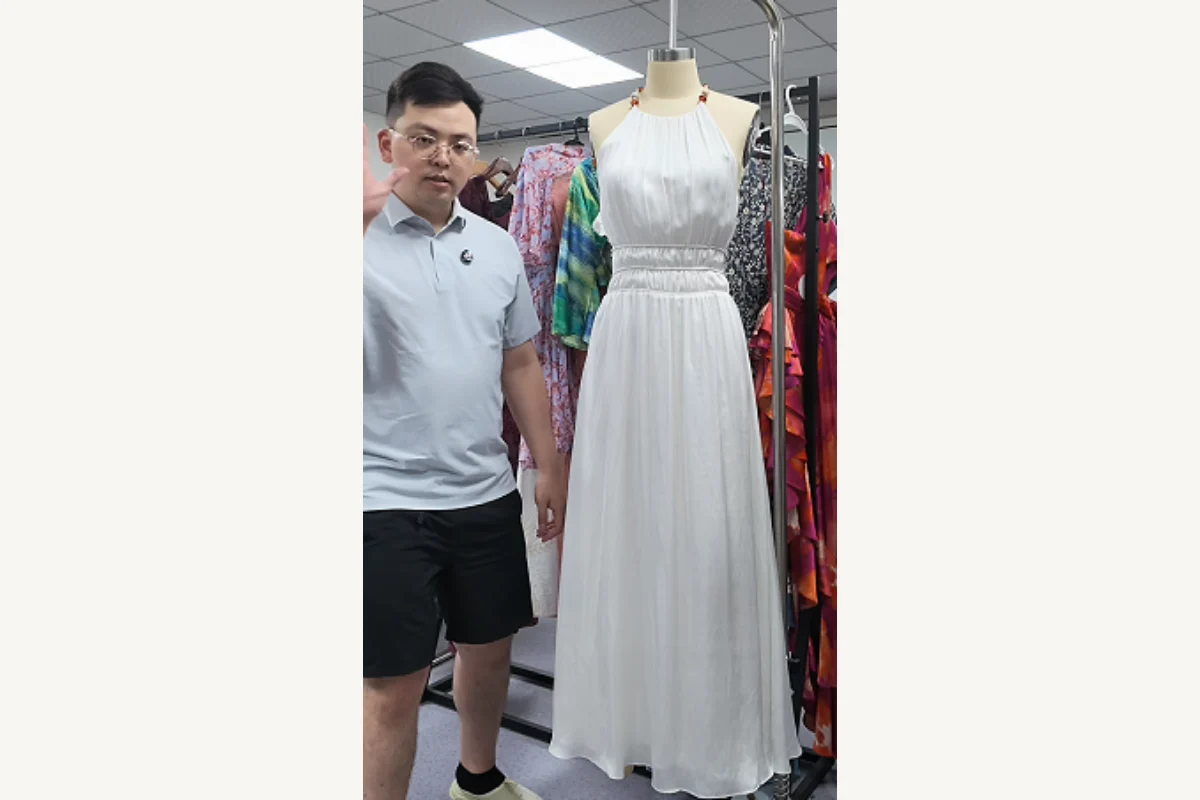
Check the inside: rough edges, bulky allowances, exposed attachment points and areas that rub. A garment that looks refined on a mannequin can still restrict movement. Use clothing samples to test the difficult interaction between material, construction and body shape before freezing the design.
4. Cost the Approved Construction
Clothing design details change material consumption and operation time. A shaped ruffle can use fabric differently from a gathered strip; matched lace can create additional cutting requirements; handwork needs a realistic production allowance. Price the chosen construction, not the easiest interpretation of the photograph.
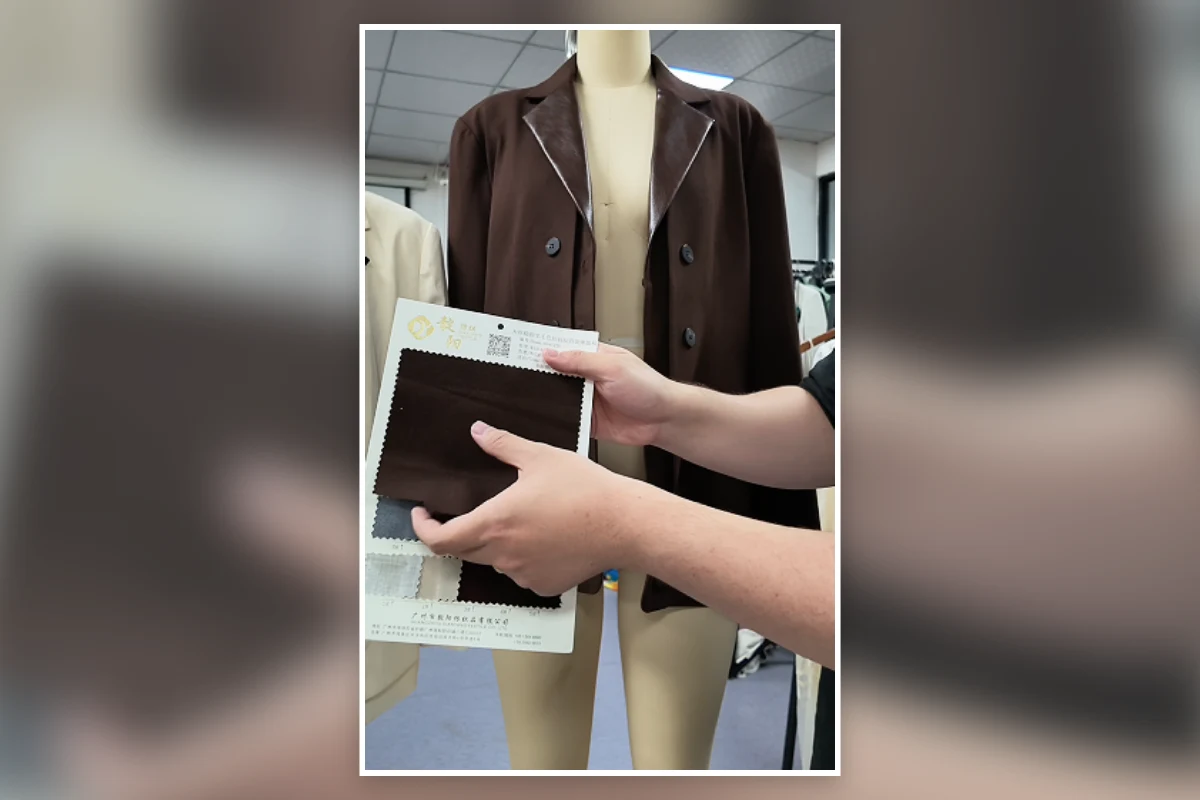
Ask for alternatives that retain the customer-valued effect. For example, changing an attachment method may simplify assembly, but the new sample must still meet appearance and durability requirements. Do not assume a more elaborate option guarantees quality or a cheaper option preserves margin.
Use a Production-Readiness Review
| Check | Ready when | Hold when |
|---|---|---|
| Sizes | Pattern and fit decisions are documented | Important sizes or placements remain untested |
| Repeatability | Critical operation and variation are agreed | Only one hand-adjusted sample proves the detail |
| Comfort | Movement and interior issues are resolved | Pain, restriction or closure problems remain |
| Cost | Quote reflects approved construction and quantity | Price assumes a different material or method |
Fashion product development is strongest when the team can explain a decision with evidence. Keep dated sample comments, approved references and changed pattern files together. For custom garment manufacturing, release only the work supported by those approvals.
FAQ
How to design clothes that work beyond a social-media image?
Start with the wearer and use, then test proportion across sizes, construction repeatability, comfort and cost. Use references to explain your direction and develop an original product brief.
How to make a tech pack for clothing with complicated details?
Include labelled drawings, material references, measurements, placement rules, construction notes and physical detail approvals. Explain the intended result and flag decisions still under development.
How to manufacture clothing when only one size sample is approved?
Review the size plan and agree which additional samples or checks are needed before bulk cutting. One approved size does not by itself verify the full range.
What should I ask Shengfu to review first?
Identify the riskiest feature: cutout placement, fitted support, complex trim, stretch detail or handwork. Send the brief and ask for a focused sampling proposal before committing to the full order.
References and Further Reading
Technical references
- Coats: causes of seam puckering
- Coats: seam types and seam quality
- Intertek: textile and apparel inspection
These sources support the technical discussion; they do not certify or endorse Shengfu. Confirm project-specific specifications and process availability during development.
Related Shengfu guides
- Understand why customers buy before designing
- Dress length, fit and measurement
- What a usable clothing tech pack contains
- First prototypes and colour approval
- How to prepare a clothing manufacturing quote
- Why a lower MOQ changes unit price
- Planning embroidered garment development
- How a dress moves through factory production





