
Article summary: A reference photo shows a direction, but it leaves fit, material behaviour and hidden construction open to interpretation. Give the sample team a labelled brief, measurable priorities and one consolidated revision record so the first sample answers the right questions.
Jump to:
- State the Product and the Sample’s Purpose
- Describe Material Behaviour, Not Just Colour
- Show the Details a Photo Cannot Reveal
- Build a Clear Fashion Tech Pack
- Make Sample Comments Measurable
- Prepare the First-Sample Handoff
- FAQ
- References and Further Reading
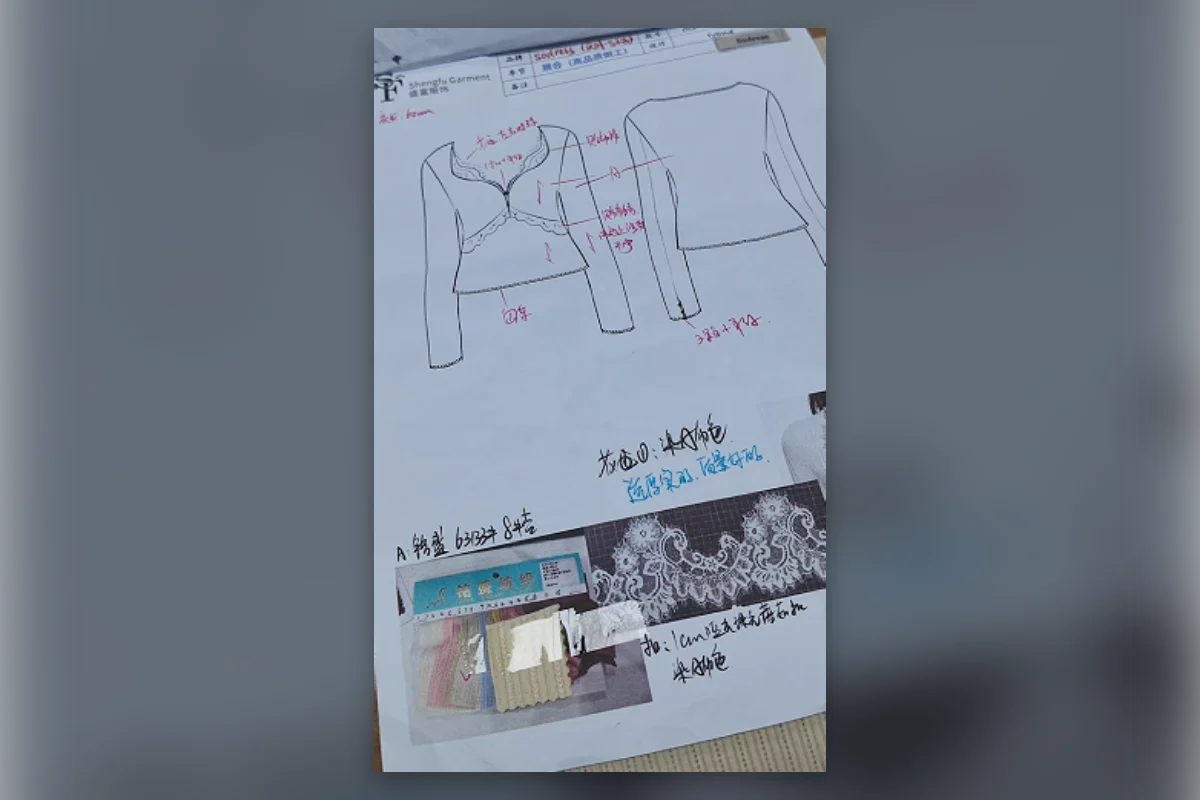
A clothing sample maker can use a reference image to start a conversation, but cannot reliably read fabric stretch, internal support or finished measurements from it. The fastest useful starting point is a clear brief that identifies what the garment must do and which decisions still need development.
State the Product and the Sample’s Purpose
Explain the wearer, occasion, silhouette and intended fit. State whether the first sample is for proportion, fitting, technique review or a production-ready approval. A prototype made to explore shape should not be treated as an automatic material or bulk approval.
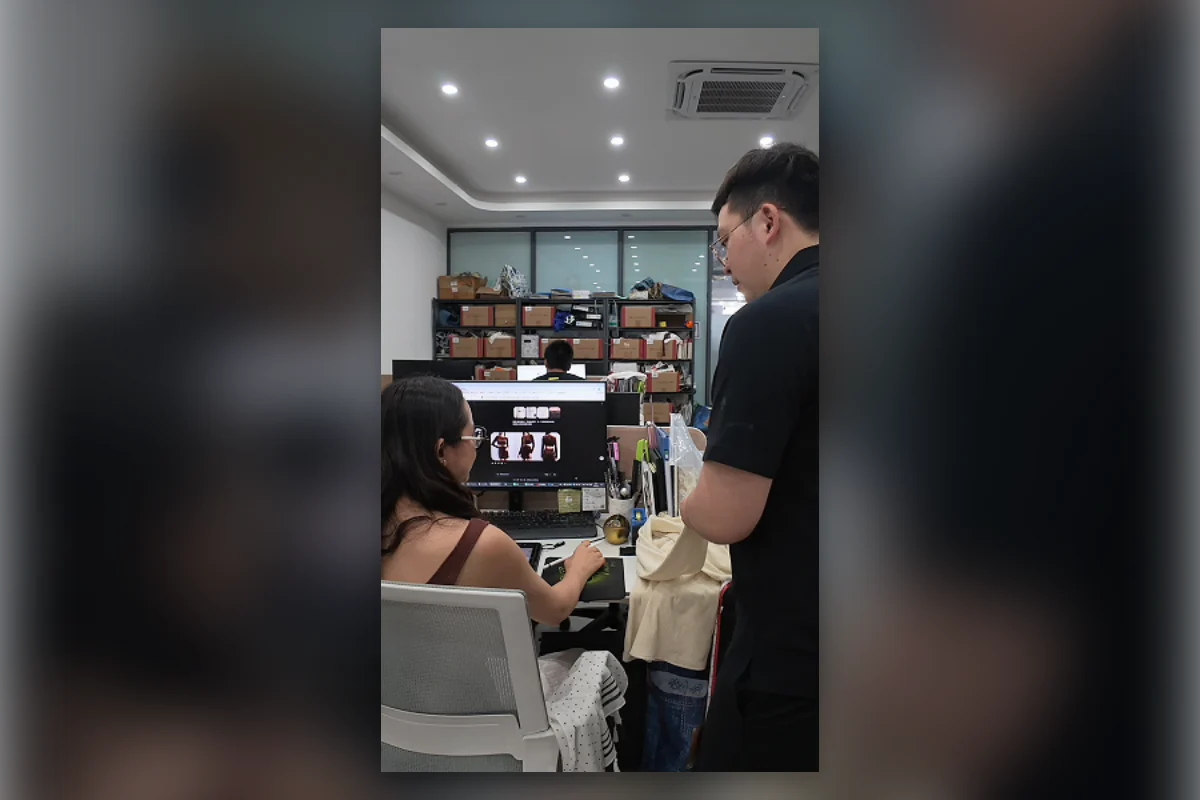
Add your size range, quantity by colour, target cost, destination and required arrival date. Identify the person who consolidates comments. If you are learning how to get clothing manufactured, this first responsibility split is as important as choosing the reference image.
Identify the distinctive clothing design features that must survive revisions, and explain where the factory may propose alternatives.
Describe Material Behaviour, Not Just Colour
For a bodycon style, specify the intended stretch direction, recovery and fit. Explain whether the sample measurements are body dimensions or finished-garment dimensions. A fabric that stretches easily but recovers poorly can behave differently during wear even when its initial appearance looks suitable.
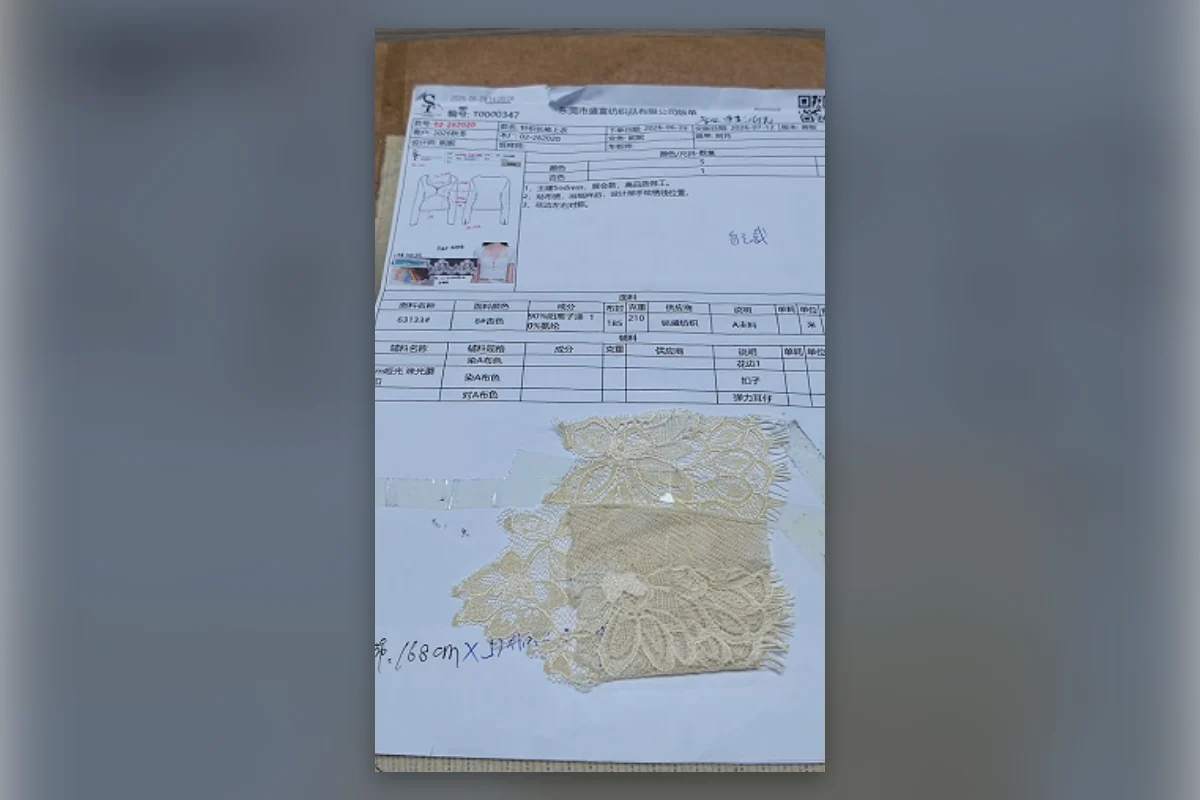
Fabric sourcing should consider composition, construction, fabric weight, opacity and handle. Include a swatch when available. If a temporary material is used, record which sample conclusions remain provisional and revisit them in the intended production fabric.
Show the Details a Photo Cannot Reveal
| Style detail | Information to add | Question for the sample review |
|---|---|---|
| Bodycon panel | Material behaviour, fit intent and seam detail | Does it move and recover as intended? |
| Corset bodice | Support, lining, cup or boning requirements and closure | Is support comfortable in movement? |
| Ruffle | Depth, placement, layers and fullness method | Does the volume match the brief? |
| Closure | Type, position and opening length | Can the wearer put it on comfortably? |
| Interior | Lining, seam finish and attachment details | Are bulk and skin contact acceptable? |
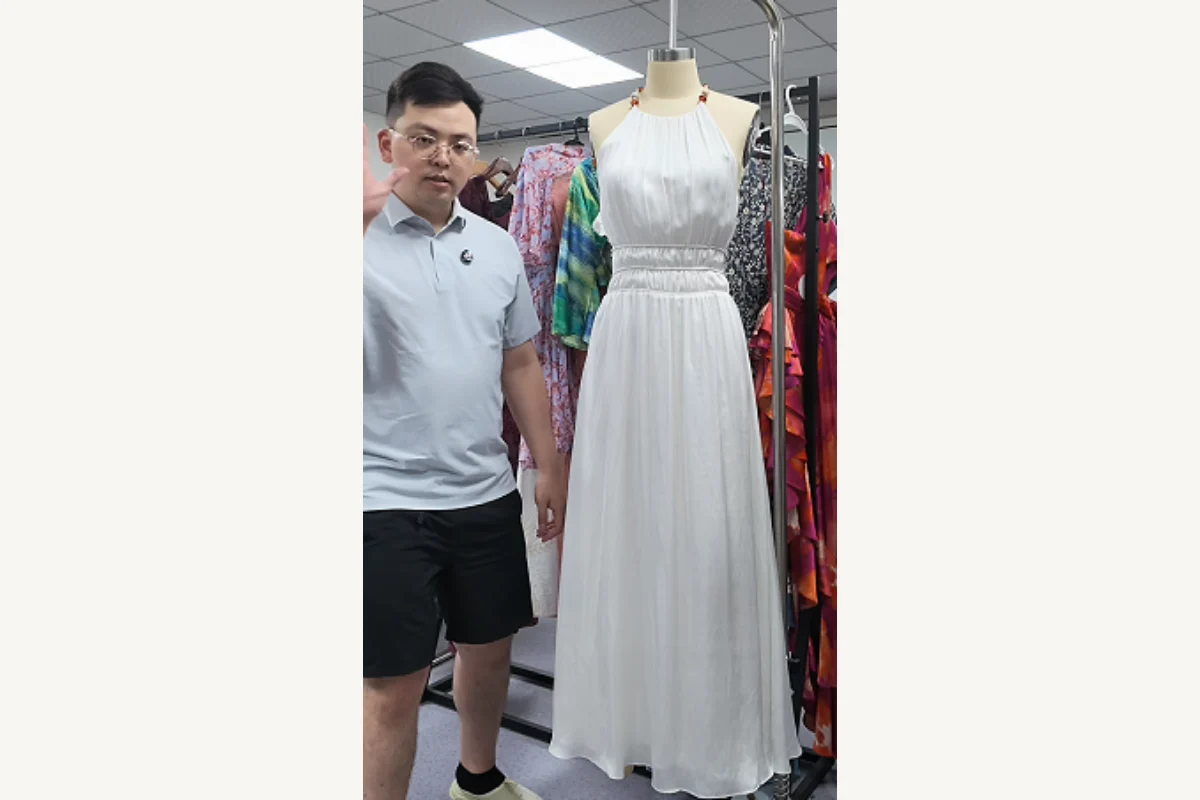
For a corset dress, do not leave the internal structure to inference. Discuss the needed support, how it will be achieved and what can be confirmed in the first sample. For a ruffle dress, distinguish gathered strips from shaped flounces; the pattern and material use may differ.
Build a Clear Fashion Tech Pack
What is a tech pack? It is the working specification that brings the design, materials, measurements, construction and revision history together. A fashion tech pack should let the team identify the current instruction without reconstructing decisions from scattered messages.
If you are deciding how to create a tech pack, start with labelled drawings, a bill of materials, a measurement chart with methods, construction notes and a revision date. Add known tolerances and mark provisional items. Garment construction notes should identify the join and edge finish at critical locations.
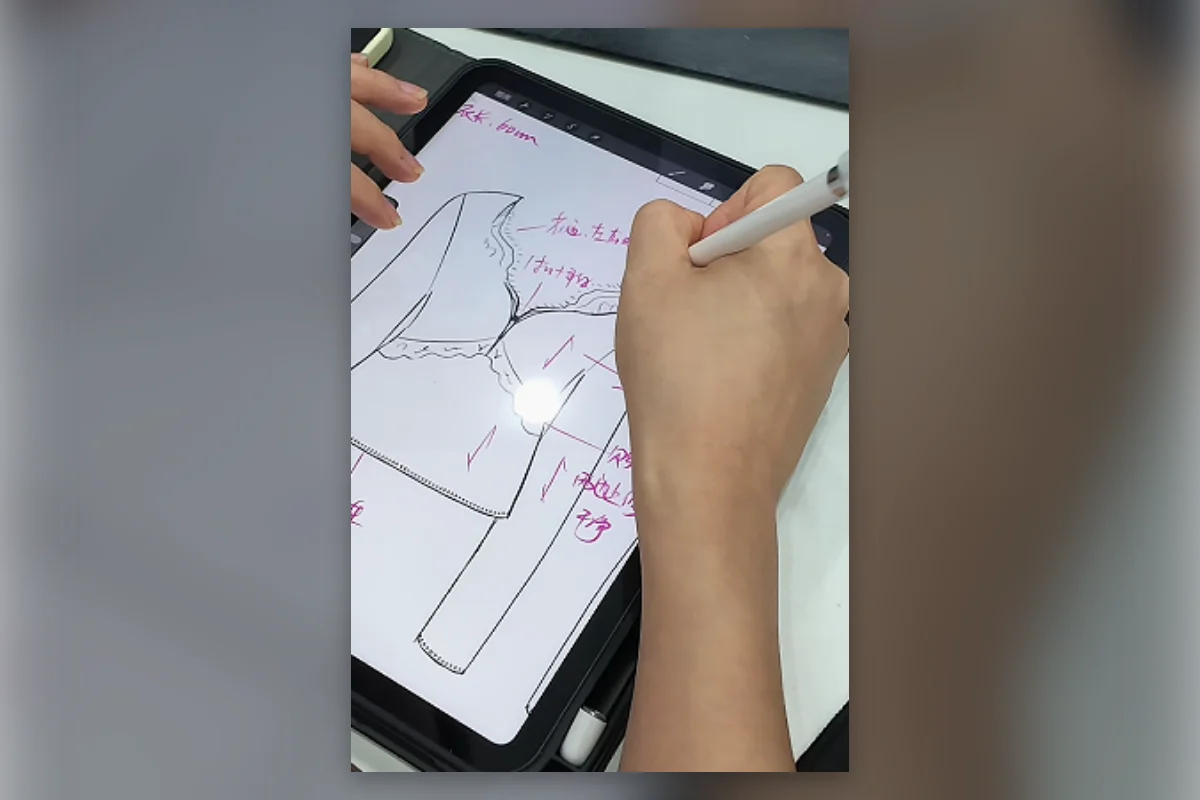
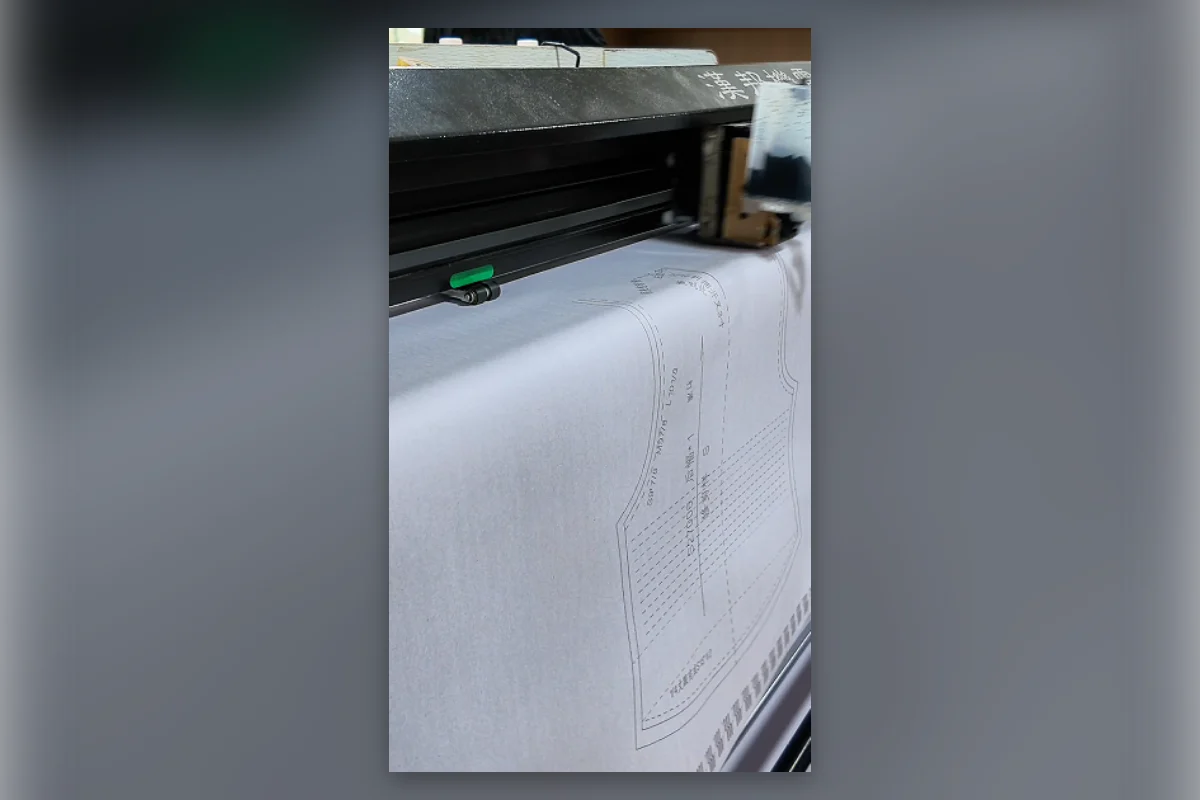
Pattern making then has a defined target. When a measurement changes after fitting, update the chart and relevant drawing together. Keep the old revision for comparison, but make the released version unmistakable.
Make Sample Comments Measurable
| Unclear comment | More useful direction |
|---|---|
| Make it nicer | Identify the exact detail and intended result |
| The waist is wrong | Name the measurement point, observed issue and revised target |
| Too much ruffle | Mark placement and request a reviewed fullness alternative |
| Use better fabric | Describe the missing property: opacity, recovery, handle or performance |
| Same as the photo | State which features are essential and which are only references |
Review clothing samples against the sample’s stated purpose. Photograph the issue with a reference point, consolidate feedback into one dated list and distinguish required corrections from new design ideas. Ask the factory to confirm which changes affect cost or timing before proceeding.
Prepare the First-Sample Handoff
- One current brief with drawings and labelled references.
- Material specifications and any authorised temporary substitutes.
- Measurements, size range and intended fit.
- Construction priorities and the sample questions to answer.
- Estimated quantities, target cost and required arrival date.
- Named feedback owner and a dated revision record.
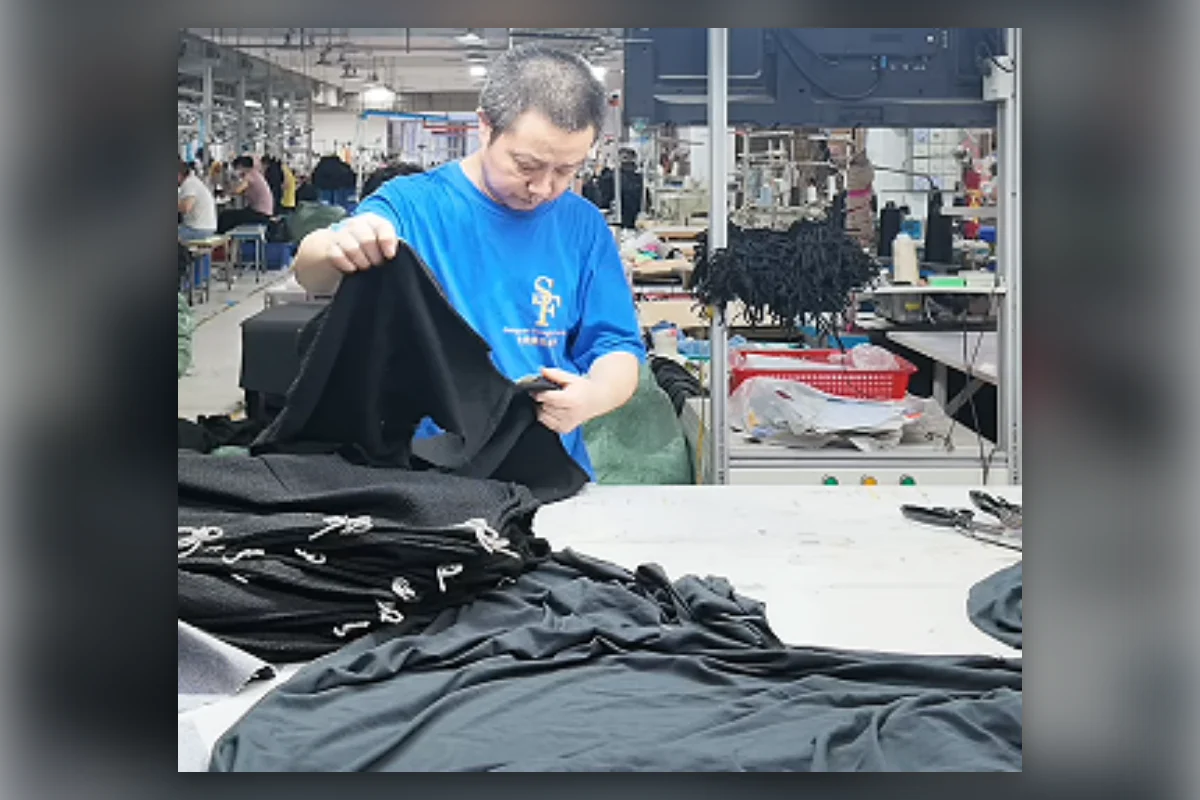
For custom garment manufacturing, ask Shengfu to confirm missing information, the sampling scope, revision arrangements and the next approval. A clear brief reduces guesswork; it does not remove the need to test the garment physically.
FAQ
How to make a tech pack for clothing without technical drawing experience?
Begin with labelled references, front and back sketches, material requirements and measurements you understand. Ask the development team which technical details they can prepare and which decisions require your approval.
Can I send only a photo?
You can use it to open the discussion, but expect questions about material, fit, construction and quantities. Confirm the information and development work needed before a meaningful sample can be made.
Should the first sample use the final colour?
It depends on the question being tested. A substitute colour may be acceptable for a shape review, while material behaviour and final colour approval need separate confirmation.
What if I change the design after sampling?
Create a new revision, explain the change and ask for its cost and timing impact. Do not mix a new design request with a correction to an already agreed specification.
References and Further Reading
Technical references
- Coats: seam types and seam quality
- Techpacker: quantity breakdown template
- Intertek: textile and apparel inspection
These sources support the technical discussion; they do not certify or endorse Shengfu. Confirm project-specific specifications and process availability during development.
Related Shengfu guides
- What a usable clothing tech pack contains
- First prototypes and colour approval
- Dress length, fit and measurement
- How a dress moves through factory production
- How to prepare a clothing manufacturing quote
- Why a lower MOQ changes unit price
- Understand why customers buy before designing
- Choosing a custom dress manufacturer





