Article summary: Choose seam finishes by fabric, location, comfort and performance. French seams, binding and overlock each solve different problems. Compare feasible constructions on the intended fabric and spend on the details that improve the wearer’s experience.
Jump to:
- Compare the Three Options
- French Seams: Enclosed Edges With a Purpose
- Binding: Make the Interior a Design Decision
- Overlock: Judge Execution and Function
- Spend Where the Finish Adds Value
- Approve a Construction Map and Physical Sample
- FAQ
- References and Further Reading
Seam finishes affect how a garment looks inside, how it feels against the body and how its raw edges hold up. Specifying French seams everywhere is not automatically a premium decision. The right construction depends on fabric weight, seam shape, visibility and the product’s intended use.
Compare the Three Options
| Finish | Where to consider it | Trade-off to review |
|---|---|---|
| French seam | Lightweight woven fabrics and visible sheer interiors | Enclosed edges, extra sewing and pressing, possible bulk |
| Bound seam finish | Visible interiors of suitable unlined garments | Binding material, handling time and added layers |
| Overlock finish | Efficient edge coverage where suitable | Visible thread loops and the need to specify the joining construction |
When comparing types of seams, separate the way fabric layers are joined from the way a raw edge is finished. Coats distinguishes assembly seams from edge-finishing operations. Read the Coats seam overview. The word “overlock” alone does not fully specify the required join or performance.
French Seams: Enclosed Edges With a Purpose
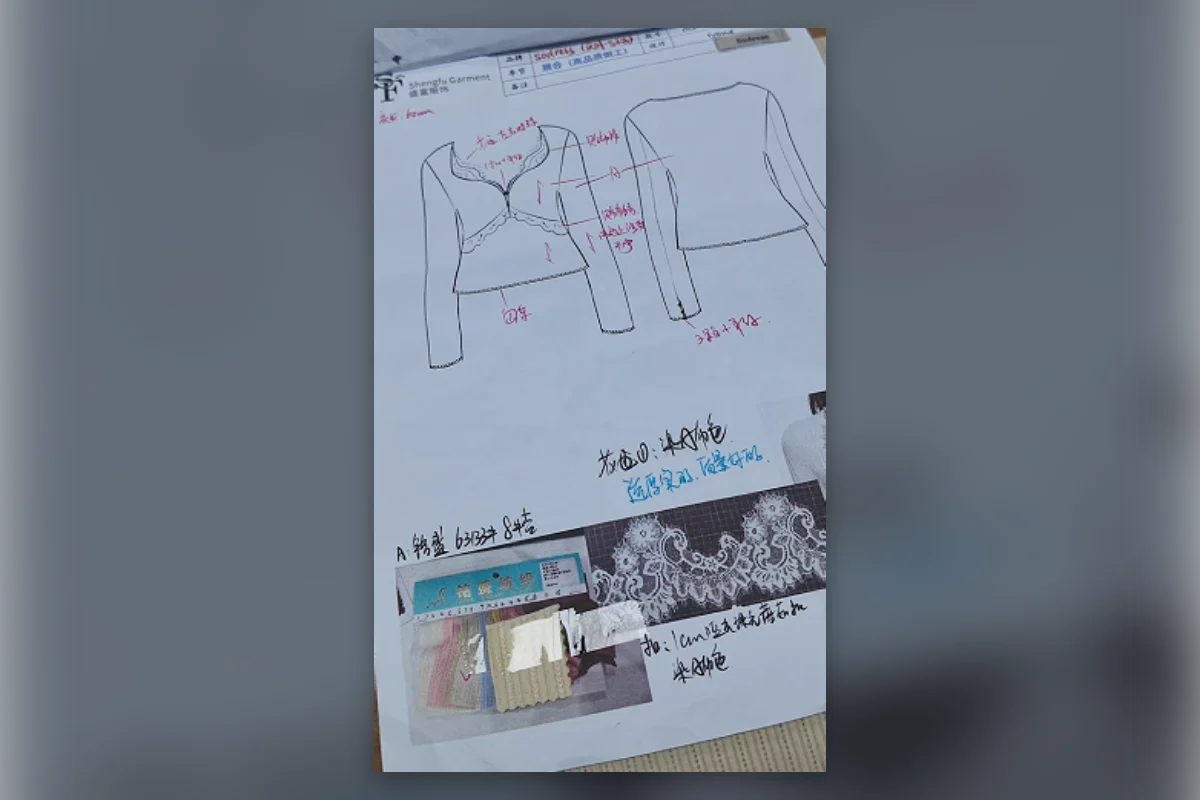
What is a French seam? It encloses the raw edges within a second stitched seam. Consider it for suitable lightweight woven and sheer garments where the interior is visible. Extra layers may be less attractive on heavier fabric or difficult curves, so review the intended seam in the real material.
If you are asking how to sew a French seam, the basic sequence is an initial seam with wrong sides together, careful trimming and pressing, then folding right sides together and sewing a second line that fully encloses the trimmed edge. The allowances must be planned for the pattern and fabric; avoid applying a universal width to every garment. SEW-lutions illustrates the construction.
A French seam is not the same as a flat felled seam. Ask for a labelled construction sample if the terminology is unclear, rather than approving a finish by name alone.
Binding: Make the Interior a Design Decision
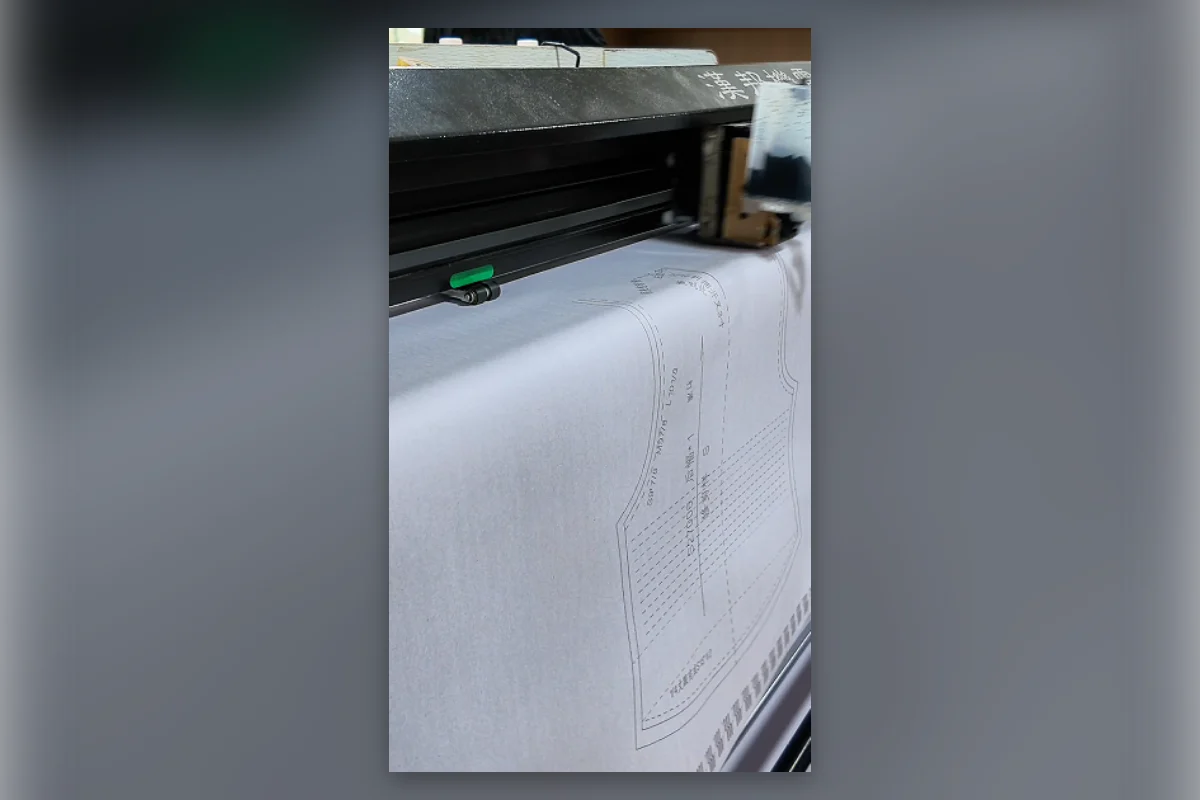
A bound seam finish covers an allowance’s raw edge with a separate strip. It can add a considered interior to an unlined jacket, but binding weight and handling matter. Review the bulk at intersections, the edge against skin and how the fabric hangs after the extra material is attached.
Fit for Art’s seam-finish guide explains binding and other options. Treat a contrast binding as part of the product specification: identify material, colour, finished width and which edges receive it. A vague “clean inside finish” is not enough to quote or inspect.
Overlock: Judge Execution and Function
An overlock stitch can cover the edge efficiently. That does not make the garment inherently low quality. Inspect thread coverage, trimming, tension, edge comfort and the suitability of the assembly. Specify whether an operation is edge finishing only or also forms the intended joining seam.
For sewing seams in stretch materials, test extension and recovery with the actual material and thread combination. A neat-looking seam that breaks or restricts movement does not meet the brief. Do not assume that any stitch called overlock suits every stretch garment.
Spend Where the Finish Adds Value
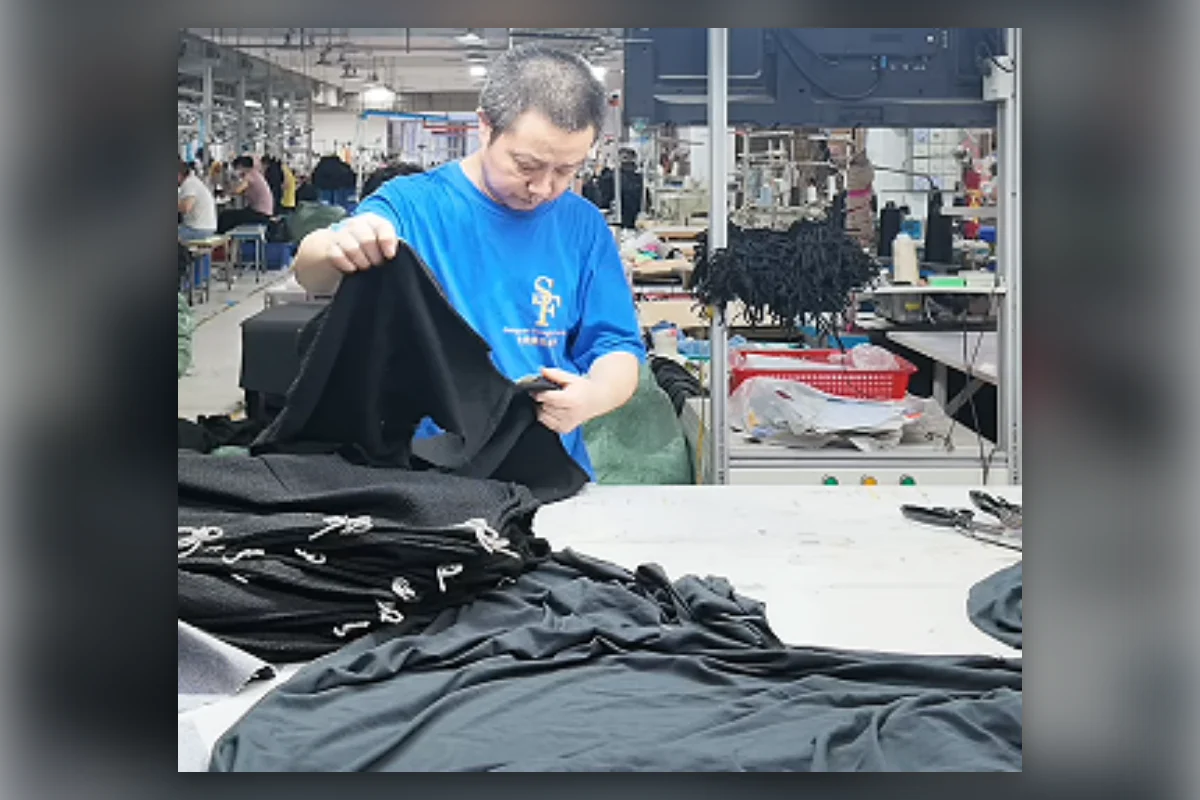
Keep strength, comfort and durability requirements fixed when comparing sewing techniques. You might use an enclosed finish at a visible sheer side seam and another suitable construction at a lined area. Combining methods can be sensible if the transitions remain comfortable and clear to produce.
Ask the factory to compare two feasible constructions using the same material, quantity and quality requirements. Include binding consumption, operation time, pressing and inspection. There is no reliable universal percentage saving from changing a finish; review samples alongside the quotation.
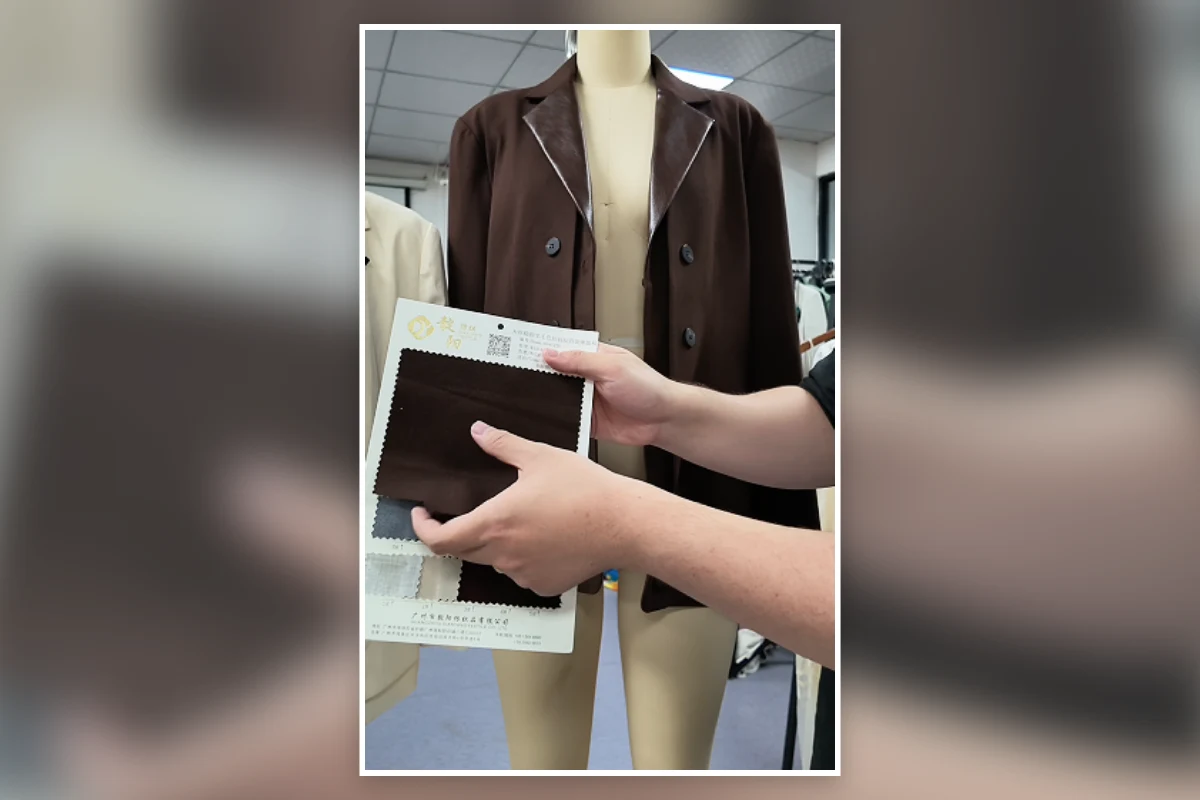
Approve a Construction Map and Physical Sample
| Check | What to review |
|---|---|
| Appearance | Even edge treatment, clean stitching and no unintended puckering |
| Comfort | Scratchiness, bulky intersections and movement |
| Performance | Appropriate strength, slippage and extension checks |
| Care | Appearance and behaviour after the intended care cycle |
| Repeatability | Clear seam location, construction reference and acceptance criteria |
Seam puckering can come from several interacting causes. Coats explains factors including tension and feeding. Diagnose the cause on a trial instead of adding extra pressing as the default solution.
Send Shengfu the material specification, target price and construction priorities. Ask for a seam review and sample quotation, then record the selected garment construction in the current tech pack before bulk approval.
FAQ
How to finish seams without a serger?
Depending on the fabric and seam, options include suitable enclosed seams, binding or an appropriate zigzag edge finish. Test the option for fraying, bulk, comfort and intended care. A different machine is not the only route to a clean interior.
How to finish raw edges of fabric for a garment order?
Choose a method by material, location and performance, then specify it at each relevant seam. Approve a sample in the intended fabric rather than issuing one generic finish instruction for the whole garment.
How to sew stretch fabric without restrictive seams?
Select a suitable assembly and stitch system, then test the sewn sample at the required extension and after recovery. Confirm thread, needle, tension and material handling with the sewing team.
Are French seams always better?
No. They can suit lightweight woven fabrics and sheers, but bulk, curvature, stretch and cost may favour another construction.
Can one garment use several finishes?
Yes. Identify each location in the construction notes and review the transitions, overall appearance and comfort on a physical sample.
References and Further Reading
Technical references
- Coats: seam types and seam quality
- SEW-lutions: seam finishes
- Fit for Art Patterns: selecting seam finishes
- Coats: causes of seam puckering
These sources support the technical discussion; they do not certify or endorse Shengfu. Confirm project-specific specifications and process availability during development.
Related Shengfu guides
- What a usable clothing tech pack contains
- How to prepare a clothing manufacturing quote
- Why a lower MOQ changes unit price
- AQL and garment quality inspection
- Dress length, fit and measurement
- How a dress moves through factory production
- First prototypes and colour approval
- Planning embroidered garment development