Summary
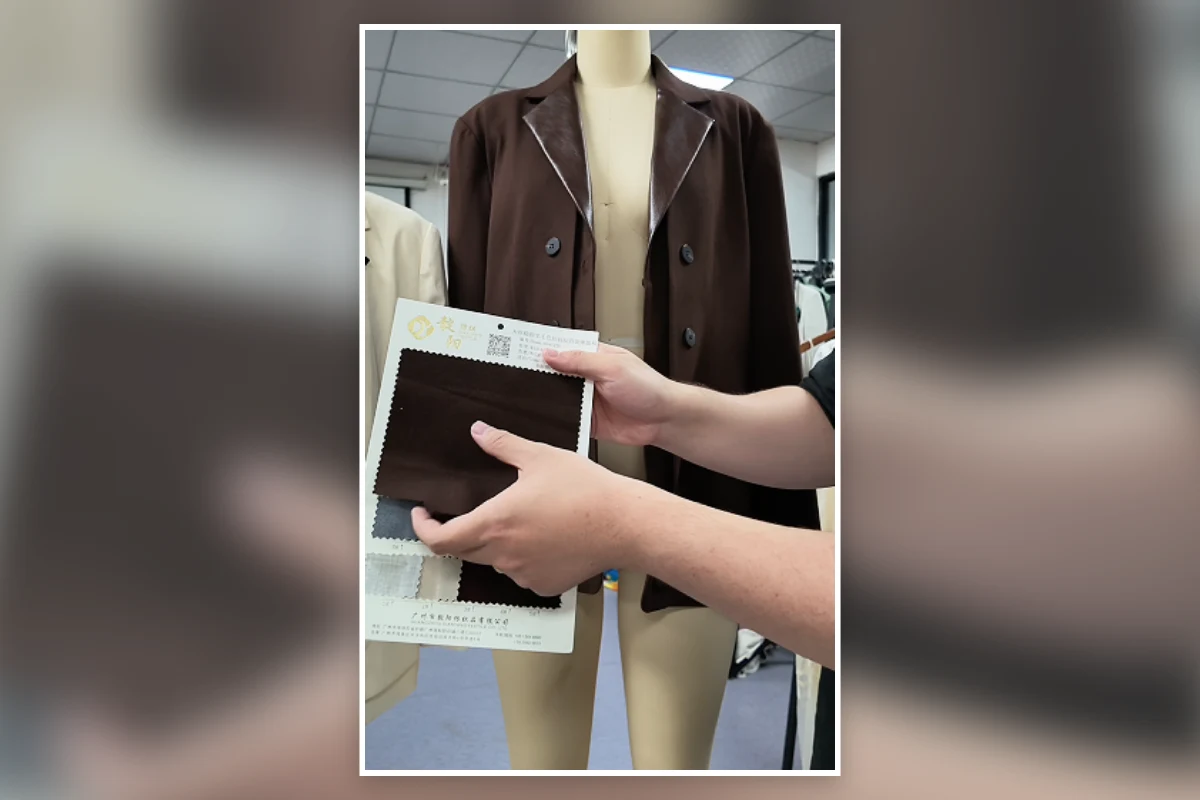
A colour change can alter availability, dye development, material minimums, trim matching or testing. Compare the actual sourcing route and colour split. There is no universal rule that every dark, light or custom colour must cost more.
Jump to:
- Start with Availability, Not Just the Colour Card
- Custom Colour Adds Development and Approval Steps
- Check Minimums by Colour and Component
- Review Shell, Lining and Trims Together
- Check Opacity, Performance and the Complete Quote
- Ask Shengfu for a Colour-Specific Feasibility Review
- FAQ
Start with Availability, Not Just the Colour Card
A colour card shows options; it does not reserve the fabric. Confirm the exact article, composition, weight, usable width, finish, dye lot and available quantity. The same design in a stock colour and a custom colour can involve different fabric sourcing routes.
Ask whether the quotation assumes an existing shade or new fabric dyeing. An available substitute may look close while changing drape, stretch or opacity. If the material changes, compare a sample and update the specification before judging price alone.
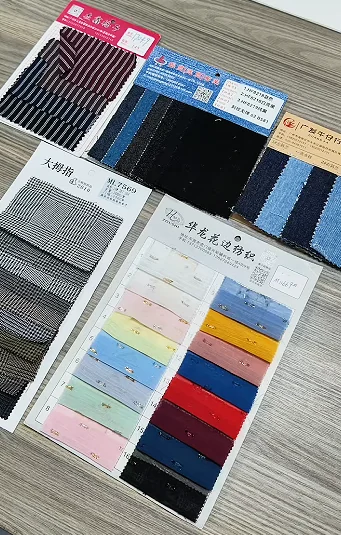
Fabric swatches are useful for initial selection. Keep the approved physical reference and supplier article together, because a screen image cannot define fabric color accurately.
Custom Colour Adds Development and Approval Steps
A lab dip is a small dyed trial used to develop and assess a shade on the selected material. CottonWorks’ process demonstration illustrates laboratory dyeing on cotton fabric and the route toward a production formula.
Textile dyeing depends on the fibre and construction. Dyeing polyester uses a different material-process combination from the illustrated cotton route. The fabric dye, preparation and finishing must suit the actual substrate; a colour reference alone does not define the recipe.
Agree the physical colour standard, assessment conditions and who approves each trial. A rejected lab dip may require another iteration. Include that development time before fixing the final delivery schedule.
Check Minimums by Colour and Component
| Sourcing scenario | Potential cost or timing difference | Question to ask |
|---|---|---|
| One available colour | Less colour development, subject to actual stock. | Is sufficient quantity reserved in the required lot? |
| One custom colour | Lab trials, setup and dyeing minimum. | Which development and setup charges are included? |
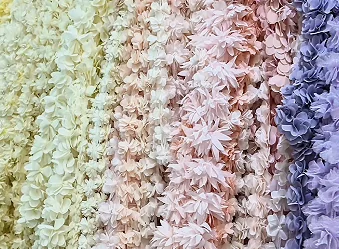
| Several small custom colour runs | More separate setup and approval work. | Do fabric or trim minimums apply to each colour? |
| Stock shell with custom trims | Additional matching, sourcing or trim MOQ. | Which components are stock and which require development? |
Illustrative arithmetic: a $120 setup spread over 600 units is $0.20 per unit. Three separate $120 setups spread over the same 600 units total $0.60 per unit. These are invented numbers to explain allocation, not a Shengfu quotation or an industry-standard fee. Do not add a setup charge again if the quoted unit price already includes it.
Review Shell, Lining and Trims Together
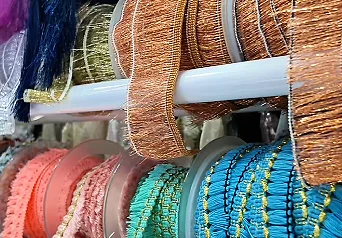
Color matching is a relationship among components, not just a fabric swatch. Thread, lining, zipper tape and the shell may use different fibres or surfaces. Decide whether an exact visual match, a tonal match or an intentional contrast is required.
X-Rite explains metamerism: colours can appear matched in one light and different in another. For fabric color matching, agree the lighting conditions and review the assembled combination rather than approving each part independently on a phone screen.
Colour matching also involves communication. Identify each approved reference clearly and record substitutions. A generic colour name does not tell the supplier which physical standard the buyer accepted.
Check Opacity, Performance and the Complete Quote
A light version of the same dress may reveal different coverage needs. If a lining or another construction change is proposed, ask for the reason and compare the sample. A higher price should be traceable to an agreed change rather than an unexplained colour surcharge.
Color fastness requirements should reflect the material, use and intended care. Relevant assessments may concern washing, rubbing or other exposure; do not prescribe every test for every style. Agree the test plan and acceptance requirements with the supplier or testing provider.
- Keep style, construction and quantity assumptions comparable.
- List quantities by colour and size, not only total units.
- Separate fabric, trim, development, testing and setup assumptions.
- Record approval milestones and material-purchase commitments.
- Check which changes require a new quotation or delivery review.
A unit-price comparison is useful only when both quotes describe the same approved product and sourcing route.

Ask Shengfu for a Colour-Specific Feasibility Review
Send your style references, fabric preference, physical colour references, quantity by colour and size, budget and delivery target. Ask Shengfu to compare a suitable stock-material route with any proposed custom-colour route.
Confirm availability, development costs, matching expectations and approvals before committing to production. If the exact colour is unresolved at the first fit sample, record what the temporary material can and cannot prove.
Frequently Asked Questions
What is a lab dip and why can it affect cost?
It is a small dyed trial for assessing the target shade on a selected material. Development and approval can add work and time; confirm whether the quoted price includes the trial and any agreed revision rounds.
What makes fabric color matching difficult?
Different fibres, finishes and surfaces can change the appearance of shell and trims. Review physical references under agreed lighting, including the assembled combination, and record the approval.
How much does clothing manufacturing cost when I add another colour?
There is no universal surcharge. Ask whether another colour changes material availability, per-colour minimums, setup, trims, testing or construction. Compare an itemised quote for the actual colour split.
How to dye polyester for an approved clothing colour?
Ask the supplier to develop the shade using a process suitable for the exact polyester material and finish. Approve a trial and relevant performance requirements before scaling up. A cotton dyeing example is not a transferable polyester recipe.
How to dye fabric without changing the approved garment specification?
Use the agreed fabric article and process route, then assess the shade and relevant physical properties. If dyeing or finishing changes hand, dimensions or performance, review the sample and update the specification before production.
Sources and Further Reading
Related Shengfu guides: