
Article summary: Prepare a short, organised product brief before contacting an OEM clothing factory. Separate confirmed requirements from unresolved decisions, show quantities per style and colour, and ask the factory to define its development and quotation scope.
Jump to:
- Six Things to Prepare for the First Enquiry
- Make the References Usable
- Ask What the Proposal Actually Includes
- Compare Factories Using the Same Brief
- Close Open Questions Before Production
- Copy This Enquiry Template for Shengfu
- FAQ
- References and Further Reading
Six Things to Prepare for the First Enquiry
“Can you make this, and how much will it cost?” is a useful starting question, but a photograph leaves the manufacturer to guess the fabric, construction and order conditions. An OEM clothing manufacturer can review an incomplete concept if you identify the development help you need. A clear brief makes that discussion more useful.
| Prepare | Include | Mark as unresolved when necessary |
|---|---|---|
| Product and customer | Garment type, wearer, wearing occasions and selling market. | Customer fit profile or performance requirements. |
| Design references | Front and back views, detail close-ups and notes on what to retain or change. | Details needing pattern or construction advice. |
| Fabric and trims | Known composition, weight, colour reference, handle and closure details. | Fabric sourcing, shade selection or trim alternatives. |
| Quantity and sizes | Units per style and colour, size range and estimated size split. | Initial forecast versus a confirmed purchase quantity. |
| Budget | Target unit price, currency and expected quotation scope. | Costs that must be confirmed after sample development. |
| Timing and destination | Required arrival date, location and deadline flexibility. | Transport plan and approval dates. |
Illustrative order breakdown: 300 units of one style in one colour differs from 300 units split across three styles and several colours. Show the breakdown so clothing manufacturers can assess material minimums and production feasibility. Do not present a total quantity as proof that every style meets a minimum order quantity.
Make the References Usable
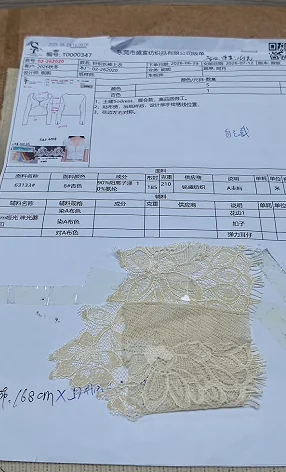
A mood board explains visual direction. A tech pack connects the drawings to materials, measurements, construction and revision history. Techpacker’s guide describes those components. Attach the current file if you have one; otherwise explain which specifications you want the team to develop.
Give each style a reference number. Label attachments clearly and distinguish inspiration from a requirement. If the reference image shows a neckline you like but a fabric you do not want, say so. Include permission to use any artwork supplied for your project.
When private label clothing is part of the enquiry, clarify labels, artwork, packaging and any existing base design. The commercial label “OEM” does not settle who supplies the design, owns development files or provides pattern making.
Ask What the Proposal Actually Includes
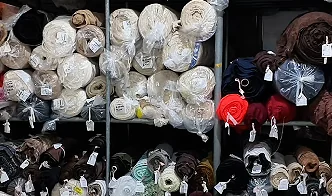
Ask the clothing manufacturer to identify who handles fabric sourcing, patterns, sampling, grading, decoration, labels, testing and packing. Confirm sampling fees and the revision scope. A preliminary estimate can guide development; the final garment manufacturing price should refer to agreed specifications and commercial conditions.
| Question | A useful answer should identify |
|---|---|
| What is included in the sample fee? | Sample scope, materials, revisions, shipping and any separate development charges. |
| What is the production minimum? | Whether the minimum applies per style, colour, fabric or order. |
| What is the delivery target? | Sample approvals, material readiness, factory completion and transport milestones. |
| How will quality be assessed? | Approved reference, measurable requirements, inspections and deviation handling. |
For an international quotation, identify the delivery rule, named place or port and version. ICC’s resources explain the allocation of delivery responsibilities, costs and risks. Factory completion and arrival at your destination are separate dates.
Compare Factories Using the Same Brief
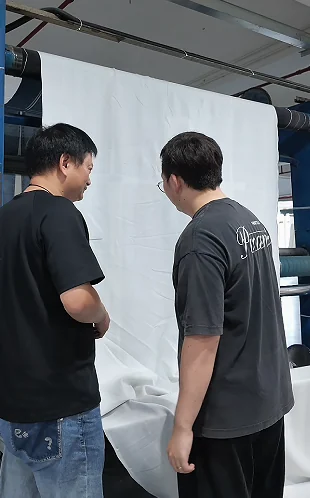
Send the same current brief to custom clothing manufacturers so differences in their responses are easier to interpret. Keep separate columns for confirmed requirements, alternatives and exclusions. A low price for a substitute fabric or omitted lining does not quote the same garment.
Small batch clothing manufacturers may still face fabric and trim minimums. Ask about each constraint and the available alternatives instead of assuming a small order removes setup work. Clothing production feasibility depends on the actual style and material route.
For clothing manufacturers for startups, assess the clarity of the development proposal and the physical sample. A promise to “handle everything” needs a defined scope, costs and approval steps before you commit.
Close Open Questions Before Production
- Identify the approved sample and final specification version.
- Confirm materials, colour, measurements, construction and tolerances.
- Approve decoration, labels, packing and the order breakdown.
- Agree relevant tests, inspections and handling of deviations.
- Confirm the final quotation, payment terms and delivery responsibilities.
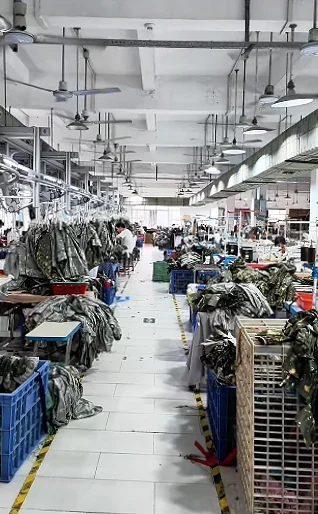
The first enquiry may contain estimates. Production instructions need confirmed decisions. Record any substitution or revised delivery plan in the current brief, rather than leaving it in a disconnected message.
Copy This Enquiry Template for Shengfu
“We are developing [garment type] for [customer and market]. Attached are references and our current specifications. We plan [units per style and colour] across [sizes], with a target unit price of [amount and currency]. We need arrival in [location] by [date]. Please review feasibility and advise on material options, MOQ, sampling scope, fees and timing. We need support with [unresolved items]. Please identify quotation exclusions and the approvals required before production.”
Share this brief with Shengfu and request a project-specific proposal. Confirm the available technical support and manufacturing capabilities through the enquiry and sample process.
FAQ
How to find a clothing manufacturer for an OEM project?
Prepare a comparable product brief, identify factories with relevant garment experience and ask for a defined development proposal. Review communication, samples, minimums, quotation exclusions and approval responsibilities before ordering.
How to start a clothing brand without a finished technical file?
Define the customer, product, budget and quantity assumptions first. Share labelled references and explain which technical decisions remain open. Request development support and its cost; resolve production specifications before bulk approval.
What should clothing manufacturers for startups receive?
Send design views, desired materials or performance, intended fit, order breakdown, target price, destination and arrival date. State the help you need and distinguish estimates from confirmed requirements.
What should I ask small batch clothing manufacturers?
Ask about minimums per style, colour and material, setup charges, sampling fees, revision scope and sourcing alternatives. Small quantities do not remove the need for clear specifications and approvals.
How to contact clothing manufacturers with useful information?
Use one organised enquiry with named attachments and style references. Explain what is confirmed, list open questions and ask for a proposal covering feasibility, costs, timing and next approvals.
References and Further Reading
Technical sources support the guidance above; they do not certify or endorse Shengfu or verify project-specific capabilities.
Related Shengfu guides:
- A 100-Piece First Order: How Detailed Should Your Tech Pack Be?
- From Sketch to First Sample: A Reference Photo Is Only the Start
- Five Questions to Ask a Custom Clothing Manufacturer Before Ordering
- What Is a Quote? How to Get a Clothing Manufacturing Quote
- Why Does a Lower MOQ Mean a Higher Unit Price?
- Why Good Clothing Manufacturers Say No to Your Order
- From Design Idea to Bulk Production: What Your Brand Should Confirm
- Payment Security: How to Pay Clothing Manufacturers Safely





