
Article summary: Move a design into production through clear approval gates: define the product, test the pattern and technique, confirm materials and sizes, then release a complete production pack. Each gate should close specific decisions before the next stage spends more time and material.
Jump to:
- Turn the Idea Into a Development Brief
- Build a Usable Tech Pack
- Use Each Sample to Answer a Question
- Trial Special Techniques Before Scaling
- Release Bulk Production With a Complete Record
- Build the Schedule Around Dependencies
- FAQ
- References and Further Reading
The clothing manufacturing process is easier to manage when the brand knows what it is approving at each stage. A sketch communicates an idea; a sample tests selected decisions; a production pack tells the factory how to repeat the result. Treating these as interchangeable often creates avoidable revisions.
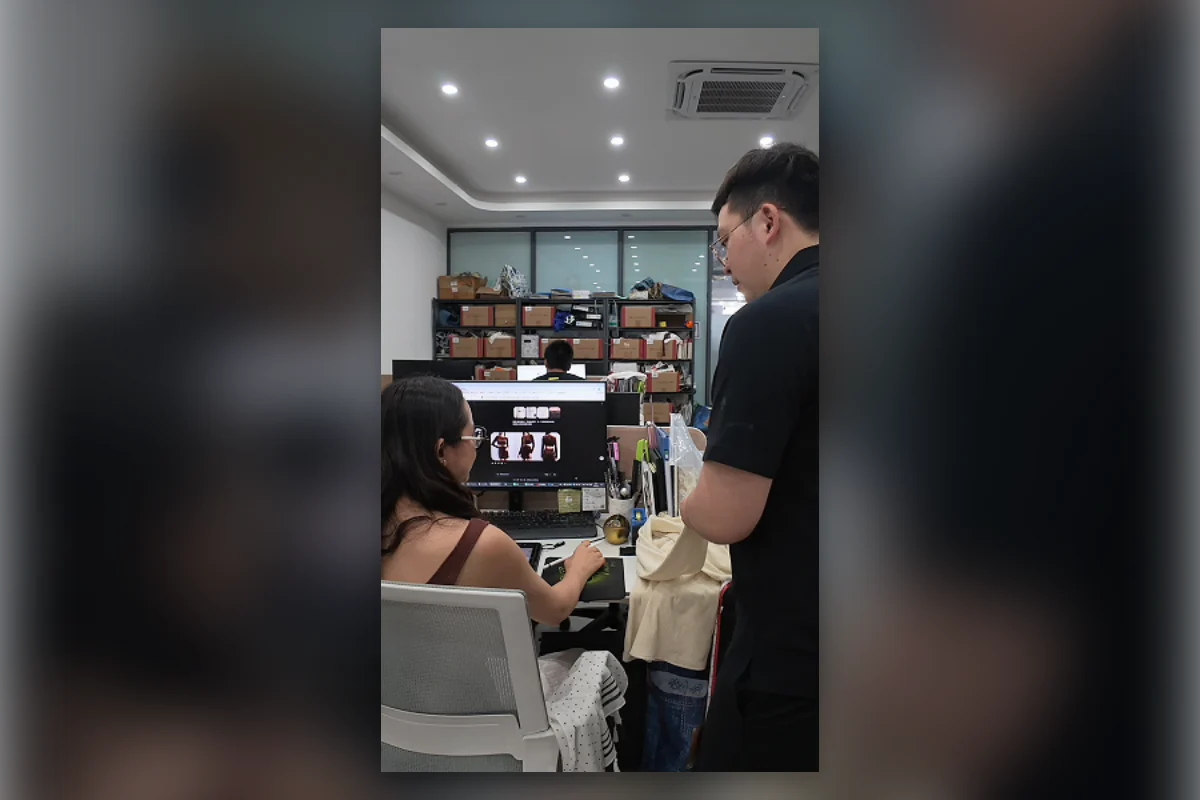
Turn the Idea Into a Development Brief
Begin fashion product development with the wearer, occasion and required performance. Define the silhouette, fit, fabric feel, care expectations and target cost. Include units by style, colour and size, because a total order quantity alone does not describe the sourcing challenge.
For founders asking how to get clothing manufactured, the first useful deliverable is a brief that separates fixed requirements from open choices. If a ruffle shape is essential but the fabric is undecided, say so. If your launch date is flexible but the arrival deadline is not, identify that dependency.
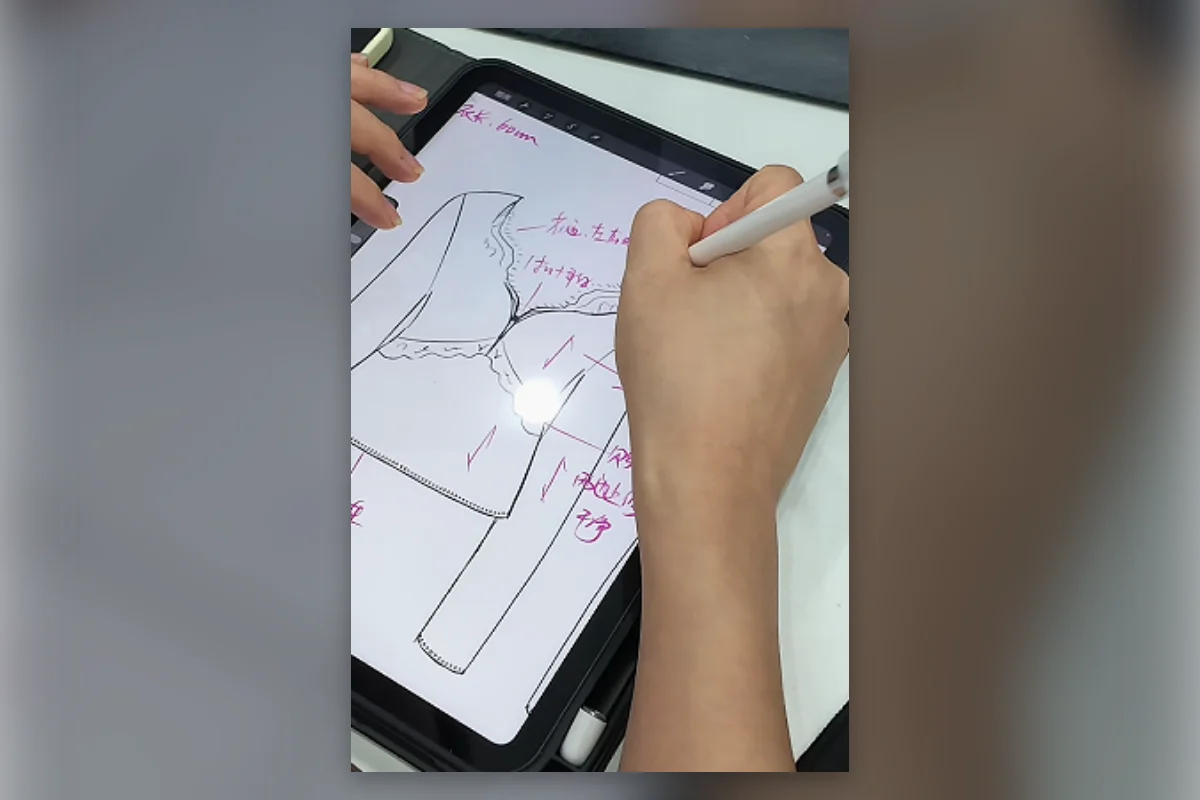
Build a Usable Tech Pack
If you are learning how to create a tech pack, organise it around drawings, materials, measurements, construction and revisions. Include front and back views, closure placement, lining requirements and labelled detail references. A fashion design image cannot tell the sewing team what is hidden inside a garment.
Good clothing design documentation makes uncertainty visible. Mark a measurement as provisional if it has not been fitted; do not present a guessed figure as an approved specification. Assign one owner to consolidate feedback so contradictory messages do not become competing instructions.
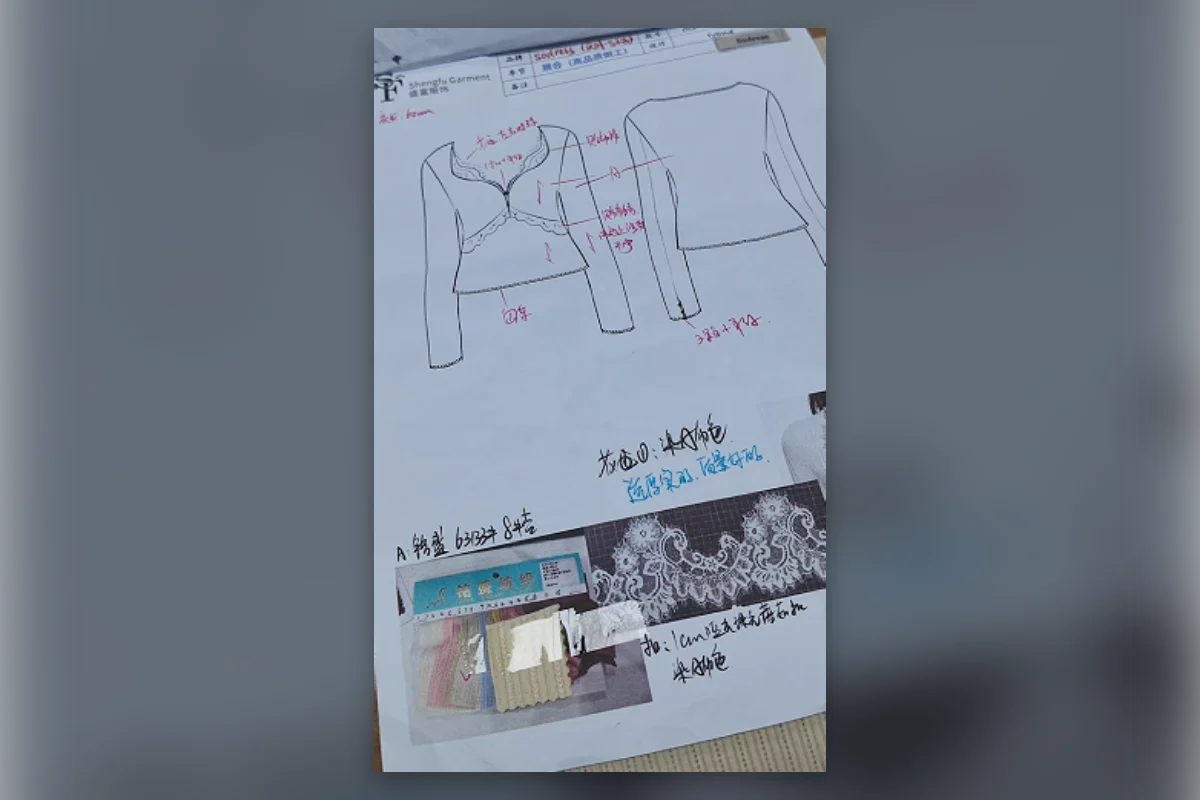
Specify garment construction at each critical area, including the seam, lining attachment and closure, instead of asking the factory to infer hidden details.
Use Each Sample to Answer a Question
| Development stage | Question to answer | Decision before moving on |
|---|---|---|
| First prototype | Does the silhouette and construction work? | Changes to shape and assembly |
| Fit review | Does it fit the intended wearer and movement? | Measurements and pattern corrections |
| Technique trial | Can the selected finish be reproduced? | Approved physical technique reference |
| Pre-production review | Are production materials and details agreed? | Release or documented hold |
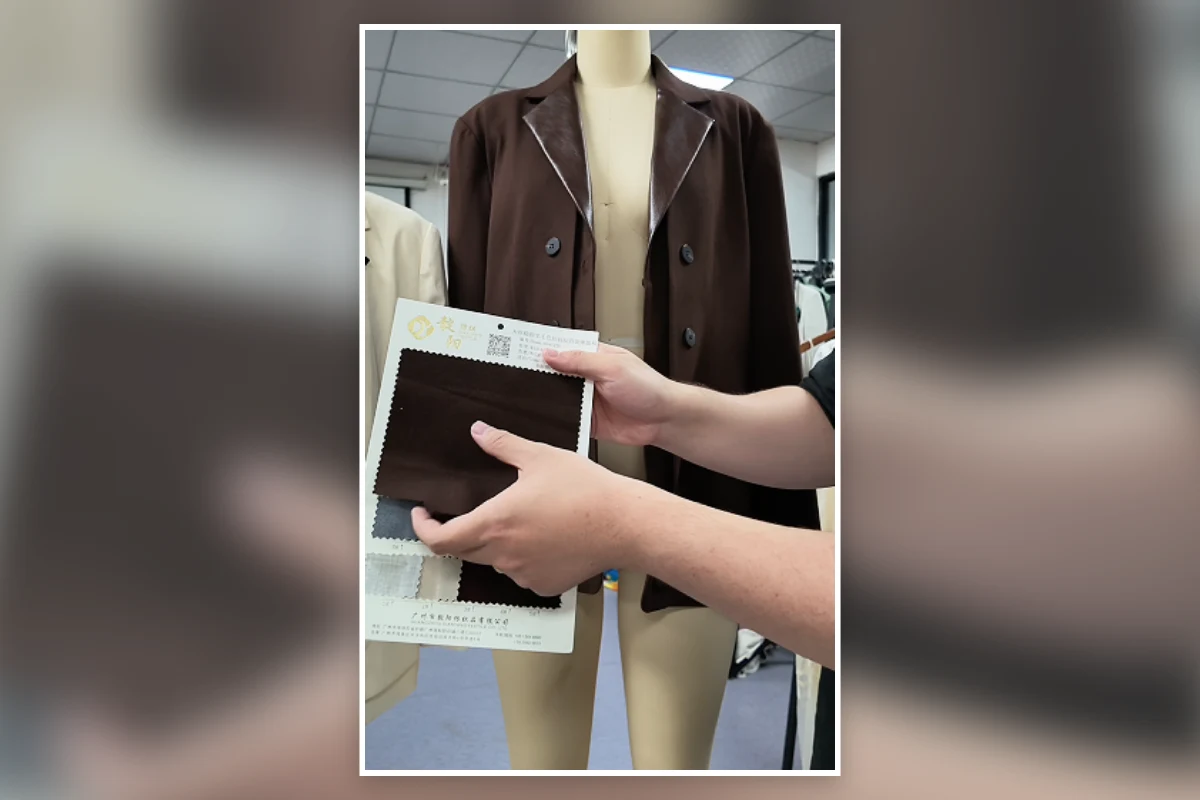
Clothing samples should be labelled with the revision and their purpose. A substitute fabric may help explore a silhouette, but different stretch or drape can invalidate a final fit decision. Review the intended fabric before committing to bulk.
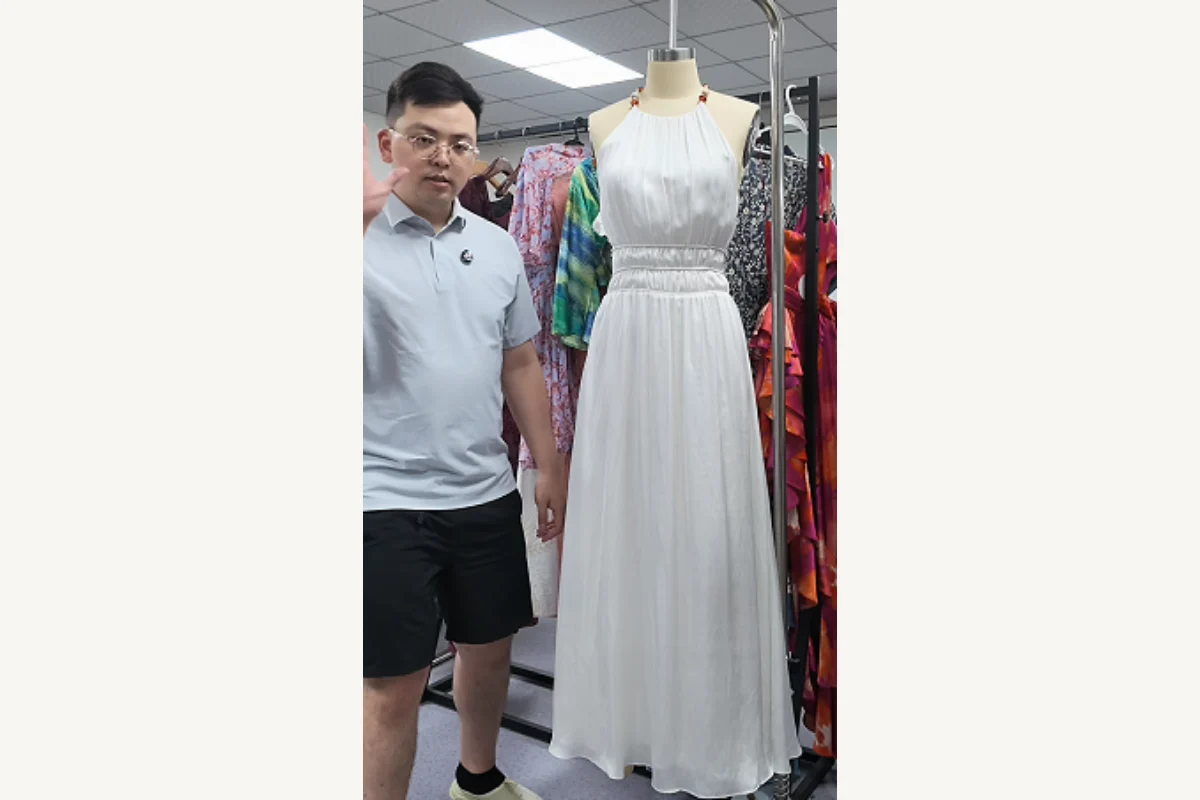
Trial Special Techniques Before Scaling
Washing, denim-look printing, smocking, pleating and perforation can change the development route. Ask for a trial on the intended base material and explain which result matters: stretch recovery, pleat retention, print placement, handle or opening stability. Approve the result with a retained physical reference.
Printed faux denim and washed denim use different routes to a worn appearance. Do not send one image and assume the factory knows which construction you intend. Likewise, a close-up of smocking does not define the relaxed width or the required stretch. Confirm the technique and performance separately.
Release Bulk Production With a Complete Record
Before custom garment manufacturing begins, freeze the approved pattern making files, pattern grading, bill of materials and measurement methods. Plan a review of representative sizes, especially where fitted construction or placement makes scaling sensitive. Include the extremes when the risk warrants it.
| Release question | Required answer |
|---|---|
| Are materials final? | Approved fabric, trims, shade and any exceptions |
| Are sizes confirmed? | Size chart, grading rules and review decisions |
| Is construction repeatable? | Workmanship reference and critical operations |
| Is the schedule realistic? | Material readiness, approvals, production, inspection and dispatch |
| Who approves shipment? | Named owner and agreed inspection evidence |
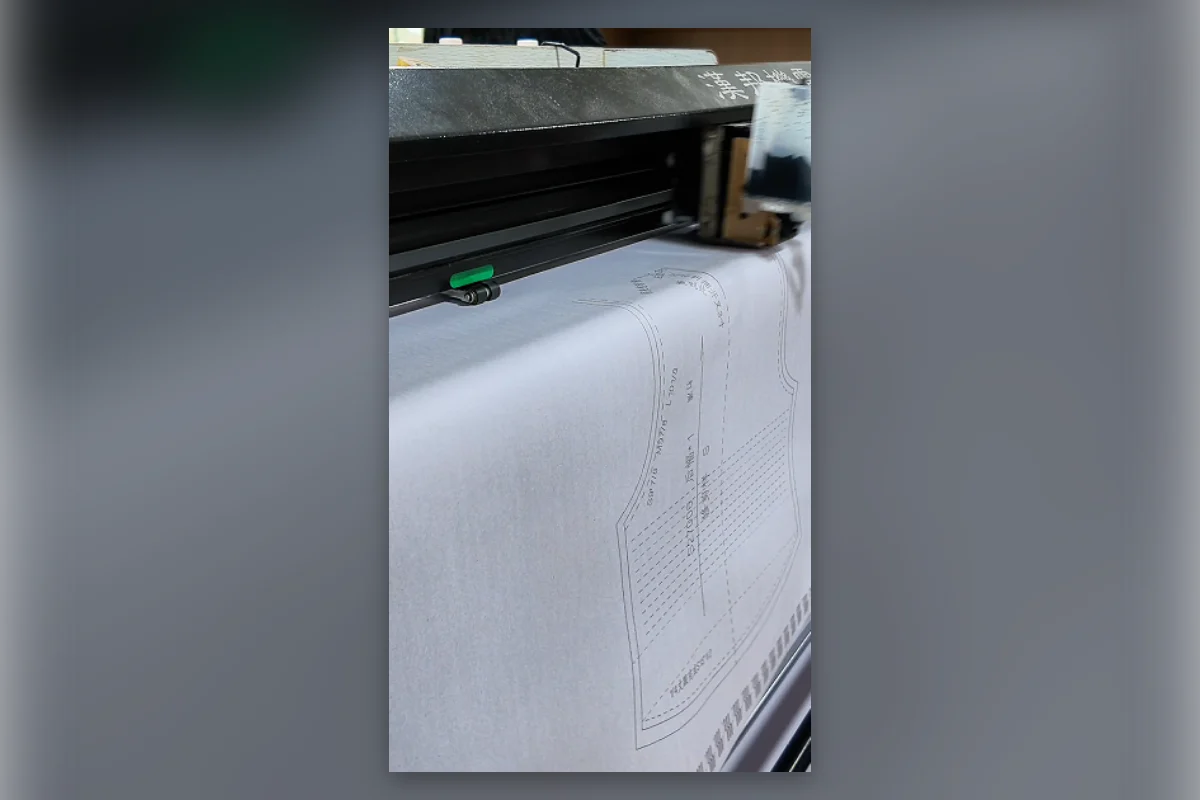
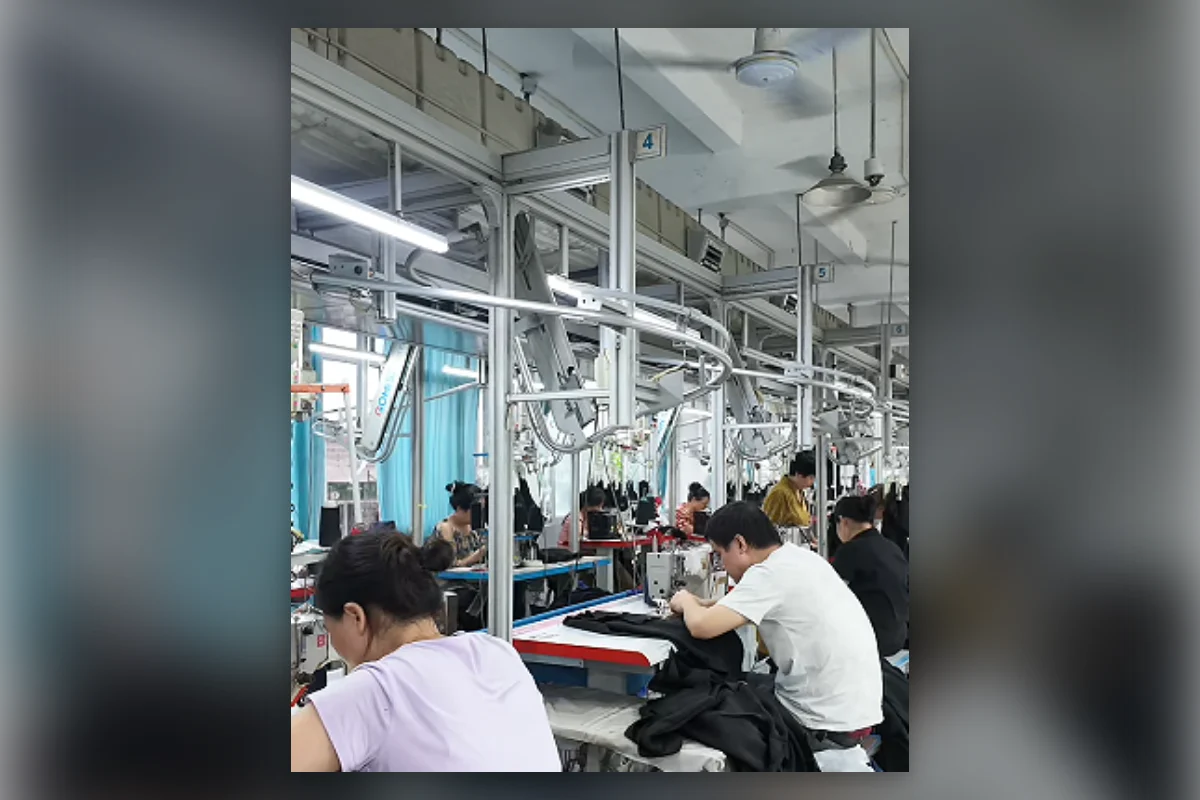
Garment manufacturing needs clear handoffs. Record who owns fabric sourcing, who closes fit comments and who authorises changes that affect price or timing. Intertek’s inspection overview distinguishes checks before, during and after production; use that staged approach when planning your project.
Build the Schedule Around Dependencies
A production start date depends on approvals and material readiness. Keep sample revision time, testing, bulk sewing, finishing, inspection and transport visible. For example, adding a new wash after fit approval can require another measurement review; it is not simply an extra line on the sewing schedule.
Send Shengfu your latest brief and ask for a project-specific development sequence with the next decision, its owner and the evidence needed to close it. This gives product development a practical structure without promising a universal sample cost or lead time.
FAQ
How to manufacture clothing when the design is still changing?
Start with a development brief and a sample plan. Separate exploratory work from bulk approval, and record which requirements are fixed before commissioning each revision.
What is a pre production sample intended to confirm?
It confirms the agreed production target, ideally using the intended materials, trims and construction. Any exception must be identified and resolved before the affected bulk step is released.
Can the factory develop a pattern from a reference image?
An image can start the discussion, but the team still needs size, material, fit and construction decisions. Ask what development information is missing and what the sample fee includes.
When should the brand approve the size range?
Before bulk cutting. Review the grading plan and appropriate size samples while pattern changes are still manageable.
References and Further Reading
Technical references
- Intertek: textile and apparel inspection
- Techpacker: quantity breakdown template
- Coats: seam types and seam quality
These sources support the technical discussion; they do not certify or endorse Shengfu. Confirm project-specific specifications and process availability during development.





