
Article summary: Define the product before comparing suppliers, calculate costs through warehouse receipt, and connect approvals with production, inspection and transport. Confirm destination-specific requirements and importer responsibilities before committing to a shipment.
Jump to:
- Build the Product and Import Brief Together
- Calculate the Cost Through Warehouse Receipt
- Connect Sample Approval with Production Controls
- Resolve Destination Responsibilities Before Shipment
- Plan Backwards from the Warehouse Date
- FAQ
- References and Further Reading
Build the Product and Import Brief Together
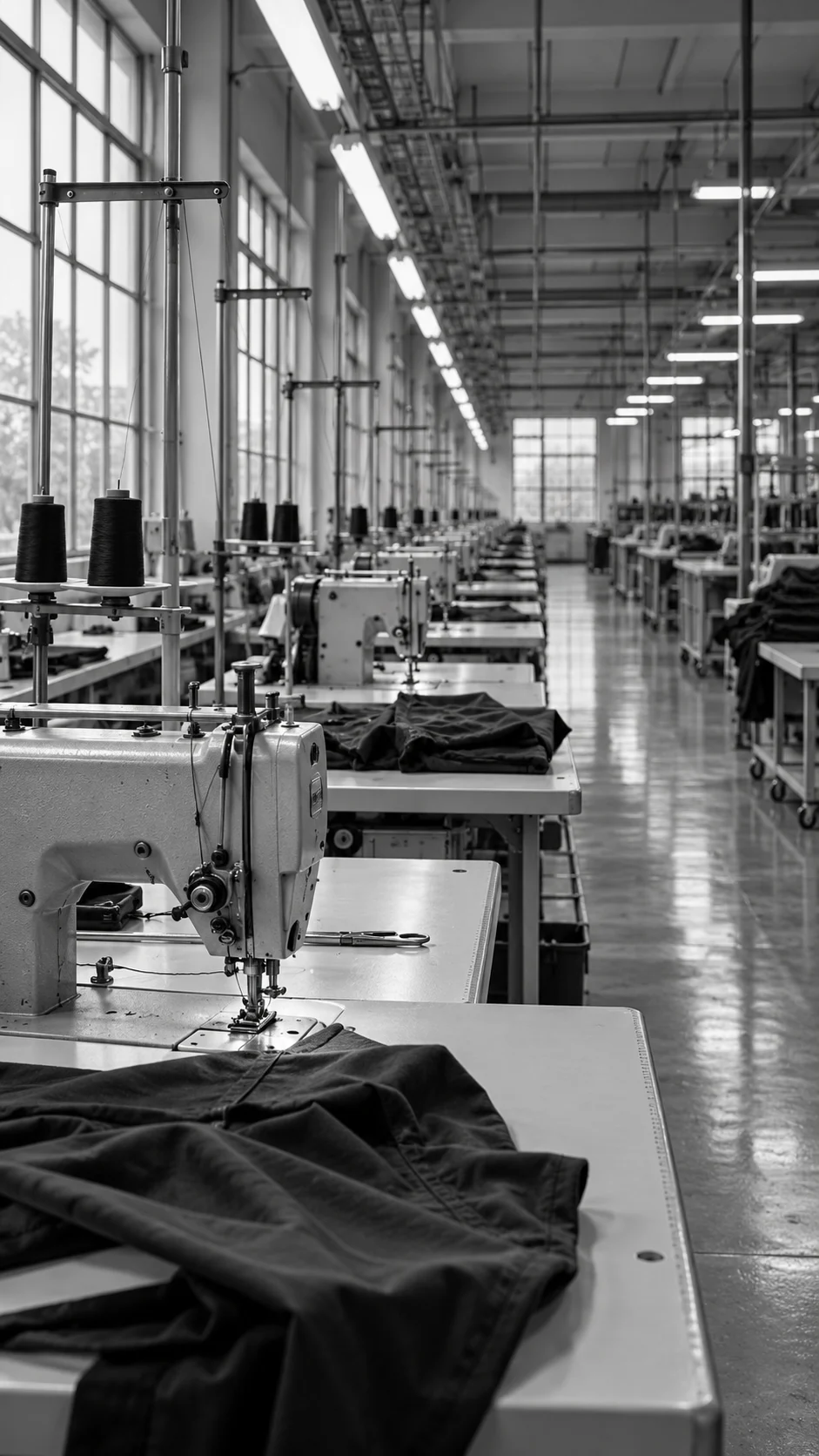
Comparing China clothing manufacturers is only one part of importing apparel from China. Define what will be supplied, who will buy it, where it must arrive and which decisions remain open. A lower factory price is not useful if it describes the wrong garment or an incomplete delivery scope.
Clothing importers and apparel importers should first separate ready-stock purchasing from custom development. For original styles, give the garment manufacturer references, material preferences, measurements, construction requirements and quantities by colour and size. Identify the destination and required warehouse arrival date.
Keep this information in the clothing tech pack or buying specification. Ask who contracts for the order, where it is produced and what is subcontracted. Apparel sourcing should connect business identity, product evidence and commercial terms before a deposit is paid.
Calculate the Cost Through Warehouse Receipt
Build a cost sheet that identifies both quoted charges and assumptions. Use the same specification and quantity when comparing clothing manufacturing offers. Avoid counting the same freight or clearance charge twice when several providers contribute quotations.
| Category | Confirm with the relevant provider |
|---|---|
| Development and goods | Samples, revisions, materials, assembly, labels and packaging |
| Quality controls | Applicable testing, inspections, rechecks and responsibility for costs |
| Transport | Origin charges, freight, insurance and destination delivery scope |
| Import and receiving | Classification-based charges, clearance services and receiving costs |
ICC explains that Incoterms rules allocate delivery obligations, costs and risks. Specify the agreed rule, named place and version. Ask the supplier and freight adviser to identify the charges each quotation includes and the assumptions that could change.
There is no useful universal import-duty estimate for every garment. Ask a qualified destination specialist to assess the product composition, construction, origin, classification and current applicable rules before finalising your budget. This article does not provide a tariff calculation.
Connect Sample Approval with Production Controls
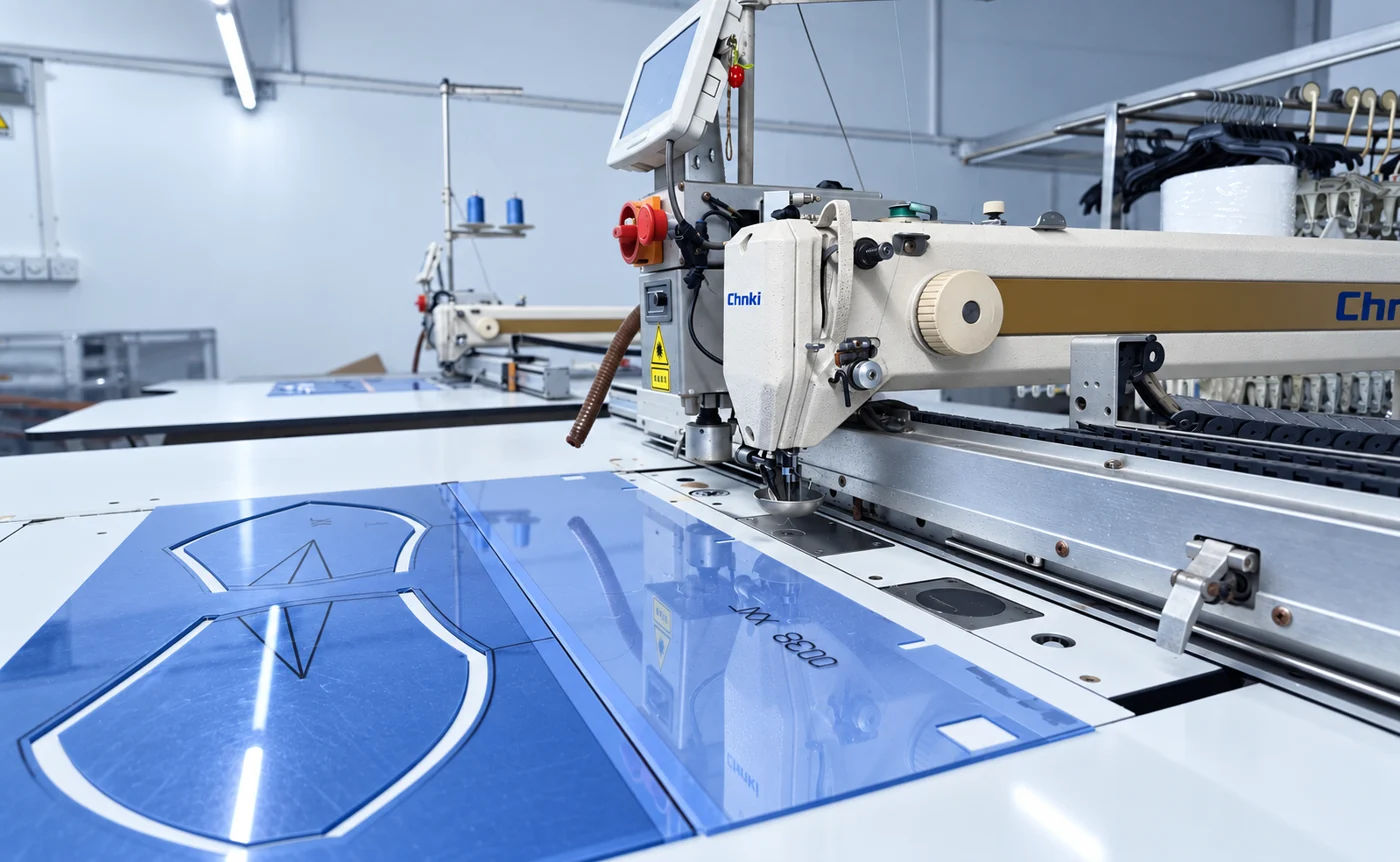
Fabric sourcing and sample development need to settle the decisions that affect the order. Review clothing samples for fit, movement, material and internal construction. Identify the approved version and record tolerances, substitutions and unresolved items rather than sending a general “all good” message.
Agree what each approval releases. Approving fit in one material or size does not automatically approve every colour, size or packaging component. A clothing production company needs a current instruction set and a response to late changes.
Intertek describes apparel checks at material, production and pre-shipment stages. Agree relevant inspection responsibilities and the response to departures from the approved product. Apparel manufacturing still needs checks after a sample has been accepted.
Resolve Destination Responsibilities Before Shipment
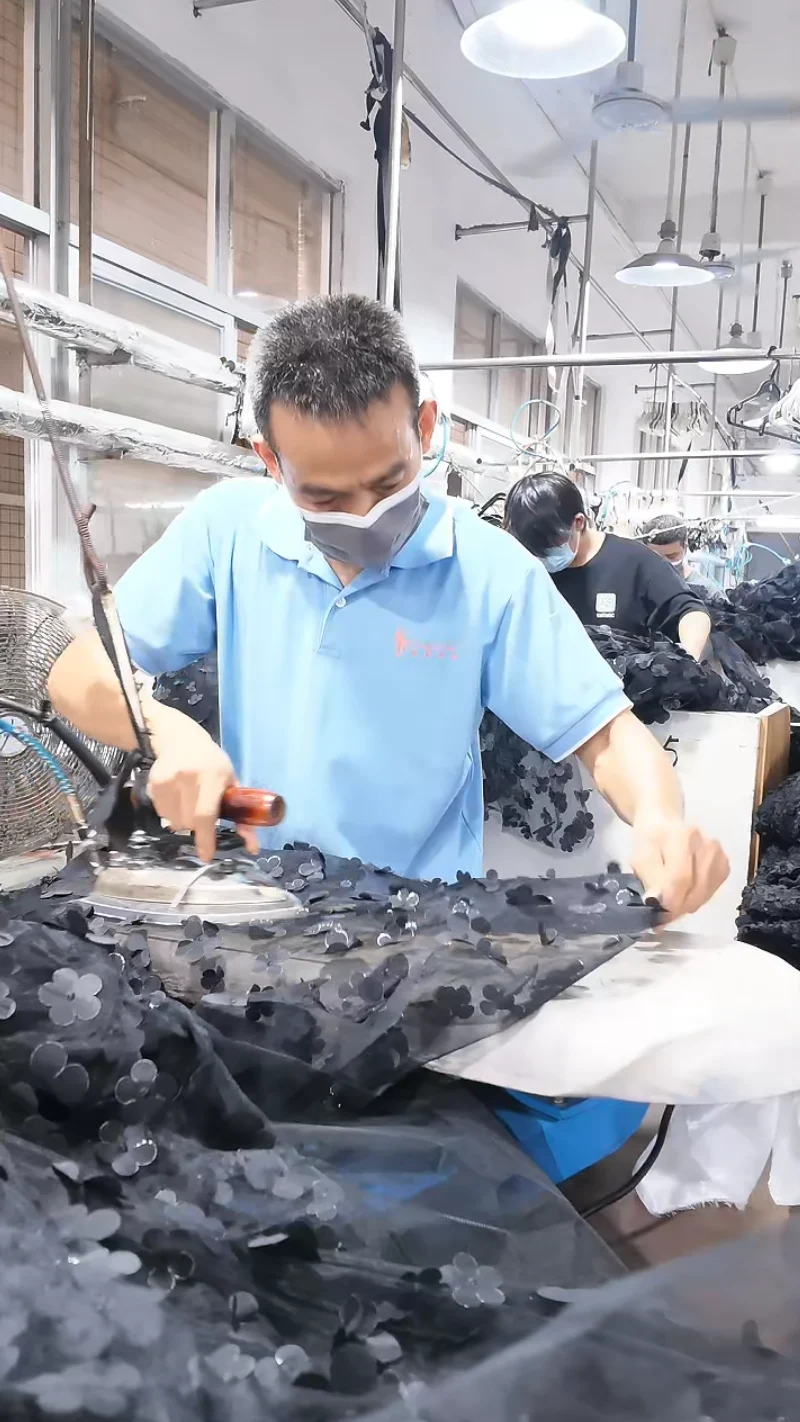
Confirm who acts as importer, which documents are required and who supplies each item. Review invoice, packing list and transport-document information with the supplier, broker and freight provider as appropriate. Product descriptions, quantities, values and shipping-party details need to agree across the shipment record.
For the United States, FTC guidance covers textile information such as fibre content, origin, responsible-business identification and applicable care instructions. Resolve the requirements relevant to your product before approving label artwork. Other destinations have their own rules and need separate review.
CBP notes that using a broker does not remove the importer of record’s responsibility for entry accuracy and applicable duties, taxes and fees. Establish the responsible party even when a seller offers a bundled delivery service. Obtain current, shipment-specific advice rather than assuming a delivery label settles compliance.
Plan Backwards from the Warehouse Date
Separate production completion, carrier handover, clearance and warehouse arrival. Work backwards through sampling, revisions, material purchasing, production, inspection and transport. Record dependencies and who must decide at each stage; do not invent a universal lead time.
Enquiry template: “We plan to import into [destination]. Quantity is [size/colour breakdown], budget is [basis], and required warehouse arrival is [date]. Please assess sampling, materials, minimum commitments, production approvals and delivery scope. Identify assumptions needing confirmation.”
Send Shengfu this brief for a project-specific proposal and confirm the services and order conditions available. Choose a first order that is manageable and representative of your intended reorder. On receipt, compare quantities and product condition with the written order and keep the findings for the next sourcing decision.
FAQ
What should I confirm with clothing manufacturers in China before my first import order?
Confirm business identity, the product specification, sample objectives, quantity breakdown, full quote and delivery scope. Establish destination requirements and importer responsibilities before shipment.
How should a custom clothing manufacturer quote import delivery?
Ask which delivery milestone and charges the offer covers. Record the agreed rule, named place, version and excluded costs with the supplier and freight adviser.
What should private label clothing suppliers receive before label approval?
Provide the branding artwork and the information required for your destination and product. Verify applicable fibre, origin, responsible-business and care requirements before approving production.
Do cut and sew clothing manufacturers handle every import requirement?
Do not assume so. Agree the supplier’s scope and identify the importer, broker, freight provider and other responsible parties. A manufacturing service does not automatically include destination compliance.
Should I choose a bulk clothing manufacturer only on unit price?
Compare the same garment and quantity, then include development, quality controls, transport and applicable import costs. Consider the approved product, delivery dependencies and evidence of repeatability.
References and Further Reading
Technical and development sources:
- ICC — Incoterms 2020
- Intertek — Textile and Apparel Inspection
- FTC — Clothing and Textiles
- CBP — Tips for New Importers and Exporters
Related Shengfu guides:
- What Should You Prepare Before Contacting an OEM Clothing Factory?
- Beyond the Unit Price: A Clothing Buyer’s Quotation Comparison Sheet
- A Photo and a Fast Price: What Is Your Clothing Quote Assuming?
- “Please Confirm”: Define What Each Clothing Approval Releases
- From One Sample to 1,000 Garments: Consistency Is the Real Test
- What Is AQL? A Practical Guide to Garment Quality Inspection
- Payment Security: How to Pay Clothing Manufacturers Safely
- Beyond Sewing: Define What Your Clothing Manufacturing Partner Owns





