
Article summary: A fit approval does not automatically approve fabric, every size or bulk cutting. Keep a shared tracker that identifies the item, version, reviewer and production step released. Group decisions where possible and explain why a previously approved item needs another review.
Jump to:
- Replace “Looks Good” with an Approval Scope
- Use One Tracker for the Important Decisions
- Assess a Late Change Before Releasing It
- Reduce Repeated Messages without Removing Controls
- Set a Project-Specific Approval Plan with Shengfu
- FAQ
- References and Further Reading
Replace “Looks Good” with an Approval Scope
A clothing production company needs to know what your approval covers. “Looks good” may refer to silhouette while the bulk fabric remains unreviewed. Identify the item, version, size and decision, then state any exclusions. Enthusiasm is helpful; it is not a complete release instruction.
Agree the approval sequence with the garment manufacturer at the start of development. Not every project uses identical stages. Map the decisions to the work that depends on them, such as material purchase, cutting or packing. Ask clothing suppliers to explain the requested decision rather than send an unexplained “please confirm.”
The clothing sample maker should identify provisional components and differences from the intended production version. Clothing samples can support a limited approval while other decisions remain pending, provided the limitation is recorded and the affected work does not proceed without authorisation.
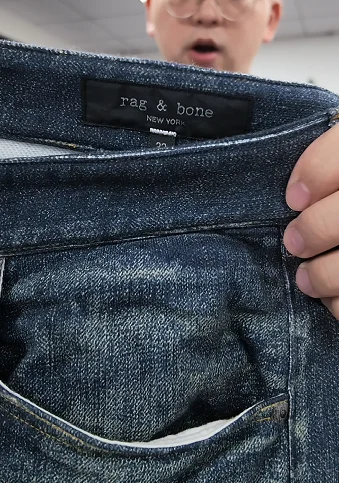
Use One Tracker for the Important Decisions
Keep the approval tracker beside the current clothing tech pack. Techpacker describes how a tech pack brings product specifications together. The tracker should identify the reference and decision; the technical documents define the requirement in detail.
| Item | Reference to identify | Scope to record | What may remain open |
|---|---|---|---|
| Fit | Sample and measurement-sheet versions. | Reviewed fit and measurements for named size. | Pattern grading and other sizes. |
| Fabric | Supplier code, colour reference and swatch. | Selected material and agreed requirements. | Unreviewed colourways or performance checks. |
| Trims and construction | Trim code, position and method. | Approved components and garment construction. | Alternative components not included in the review. |
| Pre-production sample | Sample version and material list. | The intended bulk version, with exceptions explicit. | Any substitute or method still requiring resolution. |
| Packaging | Artwork and packing specification. | Label, folding, bag and carton requirements. | Unapproved artwork or destination-specific instructions. |
Add status, decision owner, due date and the production step released. Use “pending” and “approved with stated limitations” carefully; the latter must say exactly which work can continue. A status label without a reference or release scope can create the same ambiguity as an email thumbs-up.
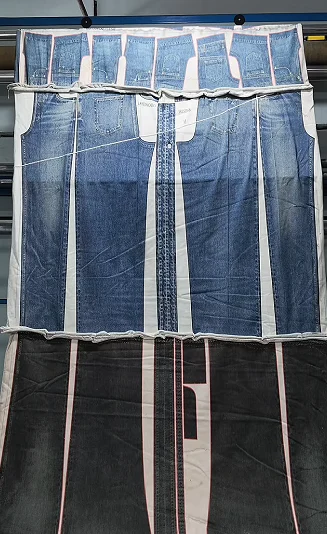
Assess a Late Change Before Releasing It
A small component can create a wider change. A zipper substitution may affect opening length, material purchasing and sewing. Before agreeing, ask what has already been ordered or made, what work would need to pause, and how cost and timing would change. Do not assume the component’s size predicts the impact.
In apparel manufacturing, a clear revision record states the requested change, affected versions, commercial effect and authorisation. The supplier should confirm it has received the current instruction. Retain the previous reference as superseded instead of leaving conflicting versions active.
Cut and sew manufacturers should identify changes that invalidate an earlier approval. A fabric sourcing substitution might require renewed review of drape or fit; a revised size range may require additional grading checks. Agree the review needed for the actual change rather than restarting every unchanged decision.
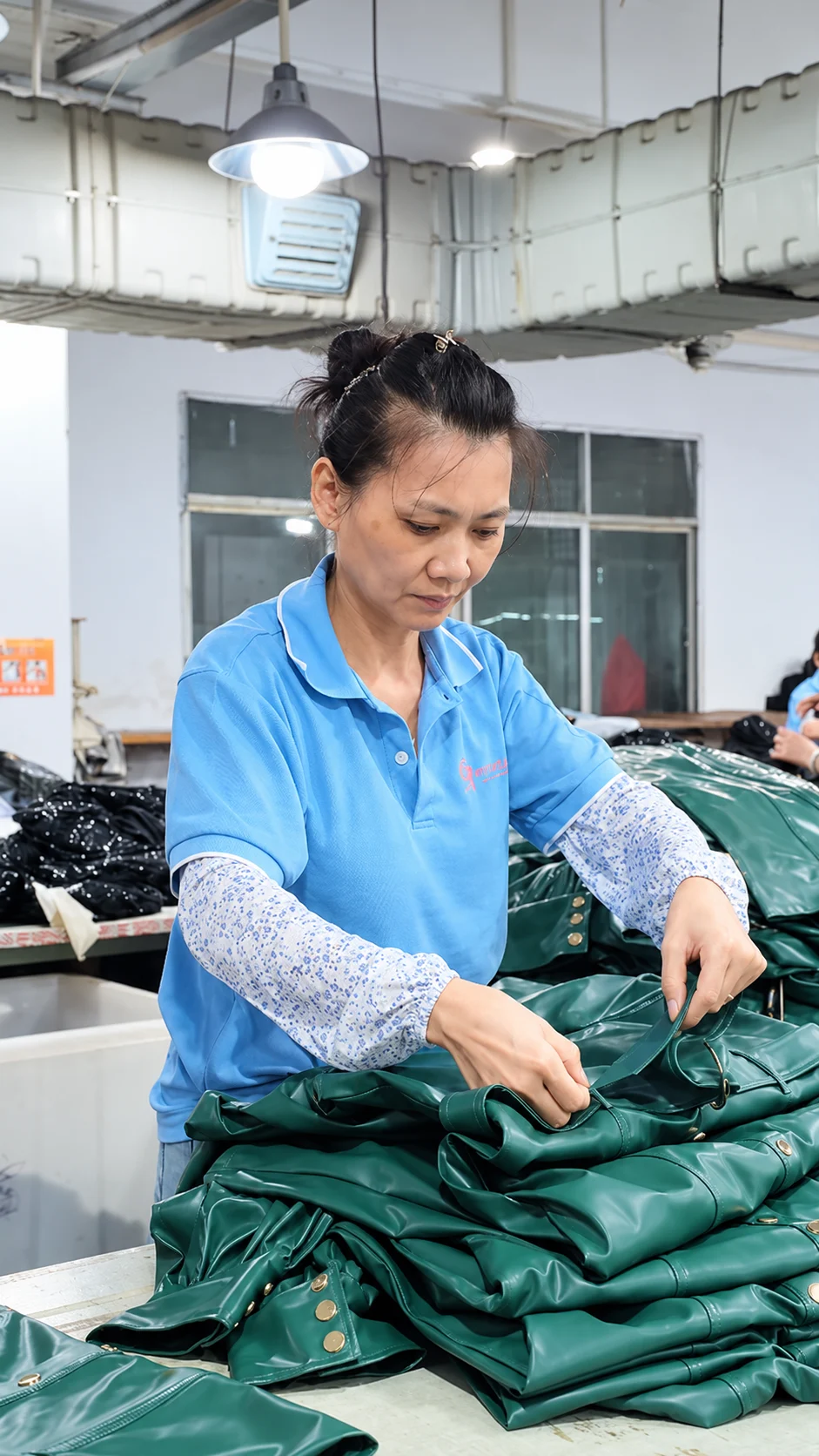
Reduce Repeated Messages without Removing Controls
Group related decisions for review and identify which ones are urgent because work depends on them. One tracker can link the sample, swatches and artwork so the buyer reviews the same versions the factory uses. Assign a named owner on each side and agree the expected response window for the project.
If an unchanged detail is already approved, check the record before asking again. When a new approval is needed, explain what changed. A repeated request caused by lost instructions is different from a justified review of a new fabric or sample version.
Approval defines the target; it does not replace production checking. Intertek describes inspection at different production stages. Agree checks, deviation handling and release responsibilities after sign-off as well as before it.

Set a Project-Specific Approval Plan with Shengfu
Send Shengfu your design brief, quantity breakdown and timeline. Ask the team to map the key decisions, identify provisional items and explain which production steps depend on approval. Confirm available services and the responsibilities of both parties before starting.
Illustrative approval wording: “Approve sample S03 for fit in size M against measurement sheet v4. Fabric colour remains pending. This decision does not release bulk cutting.” This is an example of scope wording, not a record of a Shengfu order.
Use approval records to make the next action clear. The best tracker helps the buyer decide, the supplier execute and both sides recognise when the agreed product has changed.
FAQ
What does a bulk clothing manufacturer need after fit approval?
Confirm the bulk materials, size specifications, construction and other release conditions in the agreed workflow. Fit approval alone does not settle every component or size.
Can a custom clothing manufacturer accept fabric approval from a photo?
A photo can support communication but cannot establish touch or every colour and performance requirement. Agree the physical references and checks needed for the actual decision.
Does a low MOQ clothing manufacturer need fewer approvals?
Order size does not remove the need to define the garment. Use a proportionate workflow, with clear versions and release conditions for the work involved.
What should private label clothing suppliers record for packaging approval?
Record artwork versions, label references and placement, folding, individual packing and carton instructions. Identify which requirements remain pending.
How can I avoid conflicting approvals with clothing manufacturers in China?
Use one current specification and tracker, named decision owners and a clear revision log. Record receipt of revised instructions and supersede the previous version.
References and Further Reading
Technical and development sources:
Related Shengfu guides:
- Three Clothing Samples: Which One Should You Approve for Production?
- A 100-Piece First Order: How Detailed Should Your Tech Pack Be?
- “Make It Better” Is Not a Clothing Sample Revision Brief
- From One Sample to 1,000 Garments: Consistency Is the Real Test
- Beyond Sewing: Define What Your Clothing Manufacturing Partner Owns
- A Million Views Does Not Make a Dress Ready for Production
- Why Wash Brand-New Clothes? Approving Feel, Fit and a Worn Finish
- Payment Security: How to Pay Clothing Manufacturers Safely





