
Article summary: A change request does not prove either expertise or inability. Identify the actual concern, protect the feature the customer values and test an alternative under comparable conditions. Approve a documented garment version, not a vague instruction to make it easier.
Jump to:
- Ask What the Recommendation Is Trying to Solve
- Write Down What Must Stay
- Choose a Focused and Comparable Trial
- Approve the Chosen Version and Its Remaining Conditions
- Bring Shengfu a Feature to Protect and a Question to Test
- FAQ
- References and Further Reading
Ask What the Recommendation Is Trying to Solve
A clothing sample maker may propose a new neckline, lining or seam method. Before accepting or rejecting it, ask what happens in the current version and under what conditions. Separate fit, material behaviour, repeatability, cost and timing; these concerns may require different solutions.
Ask the garment manufacturer to distinguish a limitation in its equipment or process from a product problem. “We cannot repeat this method at this quantity” is different from “the neckline gaps when the wearer reaches.” Either may matter to your order, but the evidence and alternatives differ.
In apparel sourcing, a useful response identifies the concern, affected version and a way to observe it. Request measurements, detail photographs or a movement recording where appropriate. An unsupported “this is better” is not a sufficient basis for changing the feature that makes the garment distinctive.
Write Down What Must Stay
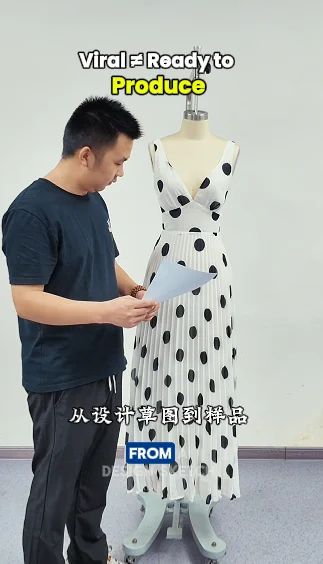
Describe the customer-facing feature precisely: the neckline shape, sleeve volume, drape, coverage or another design priority. Identify what can change behind the surface. Pattern making, internal support or a different assembly method may offer alternatives, but each needs a reason and a trial.
Coats discusses several causes of seam puckering, including tension, feeding and material behaviour. A visible problem may need a process correction rather than a visible design change. Diagnose the cause before treating heavier fabric or fewer details as universal remedies.
Fabric sourcing alternatives can change hand feel, stretch and drape. Ask the clothing production company to identify the actual replacement, not simply describe it as “similar.” Keep your design priorities and technical constraints together so the team can judge a proposed saving against the product you intend to sell.
Choose a Focused and Comparable Trial
Agree what the trial should prove before paying for it. Where practical, keep material, size and unrelated construction consistent between the original and alternative. If the material must also change, record that difference so the result is not attributed to the pattern alone.
You do not always need two complete garments. A component trial may address a seam or fastening question; a fit or movement concern may require a complete sample. Agree trial scope, cost, timing and the decision it supports with the supplier.
| Review area | Compare | Record |
|---|---|---|
| Appearance | Silhouette, drape and defining feature. | What changed and whether the brief is preserved. |
| Wear | Movement, coverage, comfort and closures. | Wearer, size and assessment conditions. |
| Production | Defined method and repeated execution. | Unresolved operations or need for a further trial. |
| Commercial scope | Material, operations and approval sequence. | Quote changes and any schedule effect. |
Pattern grading needs separate attention when a revised feature affects proportions or ease across sizes. Success in one reviewed size does not establish the result throughout the size range.
Approve the Chosen Version and Its Remaining Conditions
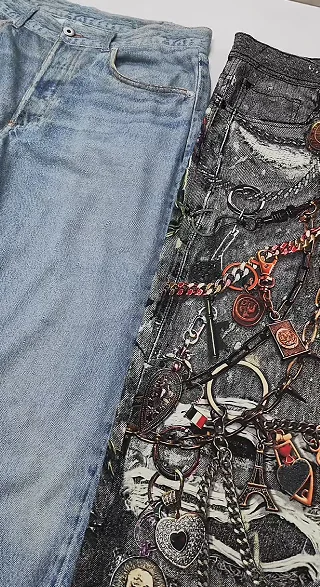
Use the clothing tech pack to record the chosen materials, measurements and garment construction. Techpacker describes versioned product instructions in a tech pack. Replace conflicting references and identify the person authorised to approve changes.
If the original performs better and its method is workable, it can remain the chosen option. If neither version meets the brief, discuss another route or a supplier with different capability. Clothing suppliers should explain what they can deliver rather than ask the buyer to approve an unresolved problem.
Apparel manufacturing still needs checks against the approved version. Intertek outlines material, in-process and finished-garment inspections. Agree checkpoints and the response to deviations. A successful development trial supports a decision; it is not a guarantee of a defect-free order.
Bring Shengfu a Feature to Protect and a Question to Test
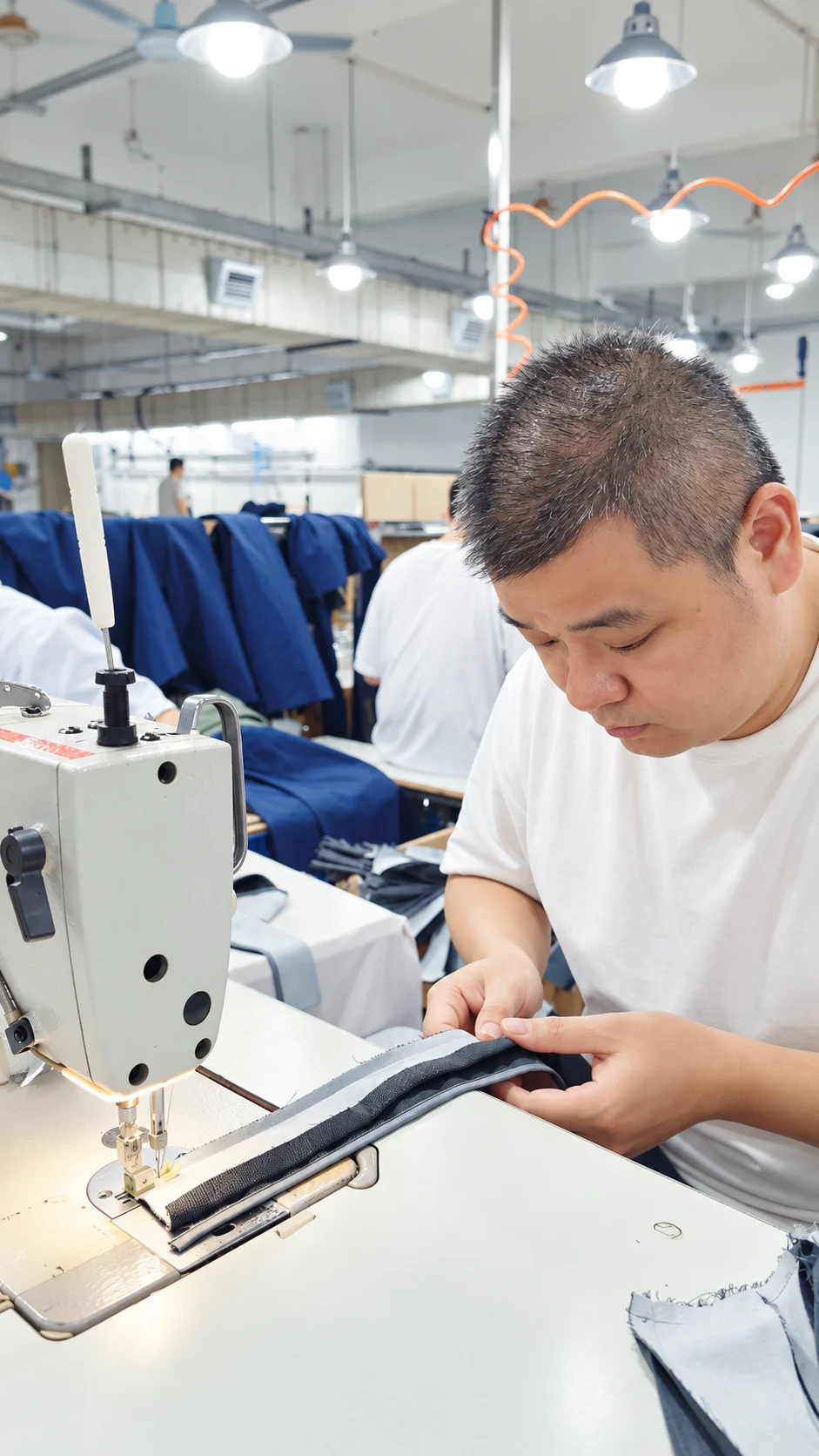
Send Shengfu the original reference, current sample version, material preference, quantity and budget. State the feature you want to preserve and the concern to investigate. Ask the team for a project-specific feasibility discussion and priced trial options before deciding on a change.
Enquiry template: “Please assess [detail] in version [reference]. We need to retain [design priority]. Can you show the concern, explain alternatives, and propose a trial comparing appearance, wear, cost and production method? Please identify unresolved assumptions.”
Choose the next development step when its purpose is clear. Keep decisions in a shared record so an exploratory suggestion does not silently become the production instruction.
FAQ
Should a garment sample maker produce two full versions for every change?
No. Match the trial to the uncertainty. A seam trial may be sufficient for a local construction question; fit, balance or movement may require a complete garment.
Must I accept a custom clothing manufacturer’s design change?
Ask for the reason and alternatives, then decide whether the proposal meets the brief and commercial conditions. Both parties need to agree the deliverable before production.
How can womens clothing manufacturers protect a distinctive neckline?
Start with the feature to preserve and evidence of the concern. Compare relevant pattern, support, material or construction options in a controlled trial rather than assuming one solution always works.
What should cut and sew clothing manufacturers record after the trial?
Record the approved version, method, material references, measurements, unresolved conditions and who authorised the decision. Carry these into the production specification.
Can private label clothing suppliers substitute materials without approval?
Agree the change-authorisation rules before the order. Where your specification requires approval, substitutions must be reviewed and recorded; a general design approval should not conceal a material change.
References and Further Reading
Technical and development sources:
- Coats — Eliminating Seam Puckering
- Techpacker — What Is a Tech Pack?
- Intertek — Textile and Apparel Inspection
Related Shengfu guides:
- From “We Can’t Make It” to a Workable Garment: A Development Plan
- A Good Clothing Design Is Only the Start of a Good Product
- “Make It Better” Is Not a Clothing Sample Revision Brief
- Why a More Detailed Garment Can Receive a Lower Quote
- A Million Views Does Not Make a Dress Ready for Production
- Taking a Dress into a New Market: Which Fit Change Comes First?
- French Seams, Bound Seams or Overlock? Spend Where It Matters
- Three Clothing Samples: Which One Should You Approve for Production?





