
Article summary: Check whether the supplier suits your garment and order before paying for development. Then use sampling to test execution and communication. A beautiful one-off piece is a reference to evaluate, not proof that every production garment will match it.
Jump to:
- Screen for Product and Order Fit Before Sample Payment
- Match the Capability Check to the Risk
- Make the Sample a Defined Test
- Check the Route from Approved Sample to Bulk
- Request a Capability Discussion with Shengfu
- FAQ
- References and Further Reading
Screen for Product and Order Fit Before Sample Payment
When choosing cut and sew manufacturers, begin with the product rather than factory size. A supplier’s strongest category, available capacity and order conditions matter more than an impressive machine count. A large basics operation may not suit a small run of structured dresses; a specialist may be suitable if its process matches the brief.
Send the garment manufacturer the category, fabric, construction challenge, quantity breakdown and required timing. Ask what it regularly produces, which operations it performs and what would be subcontracted. Identify the company that takes responsibility for the order. Clothing suppliers may manufacture, trade or combine both; clarity about ownership is more useful than an unexplained label.
Before a sample payment, ask for shareable work relevant to your construction and material. A showroom garment can begin the discussion, but it may have different production conditions from your proposed order. Keep the shortlist focused on evidence you can assess.
Match the Capability Check to the Risk
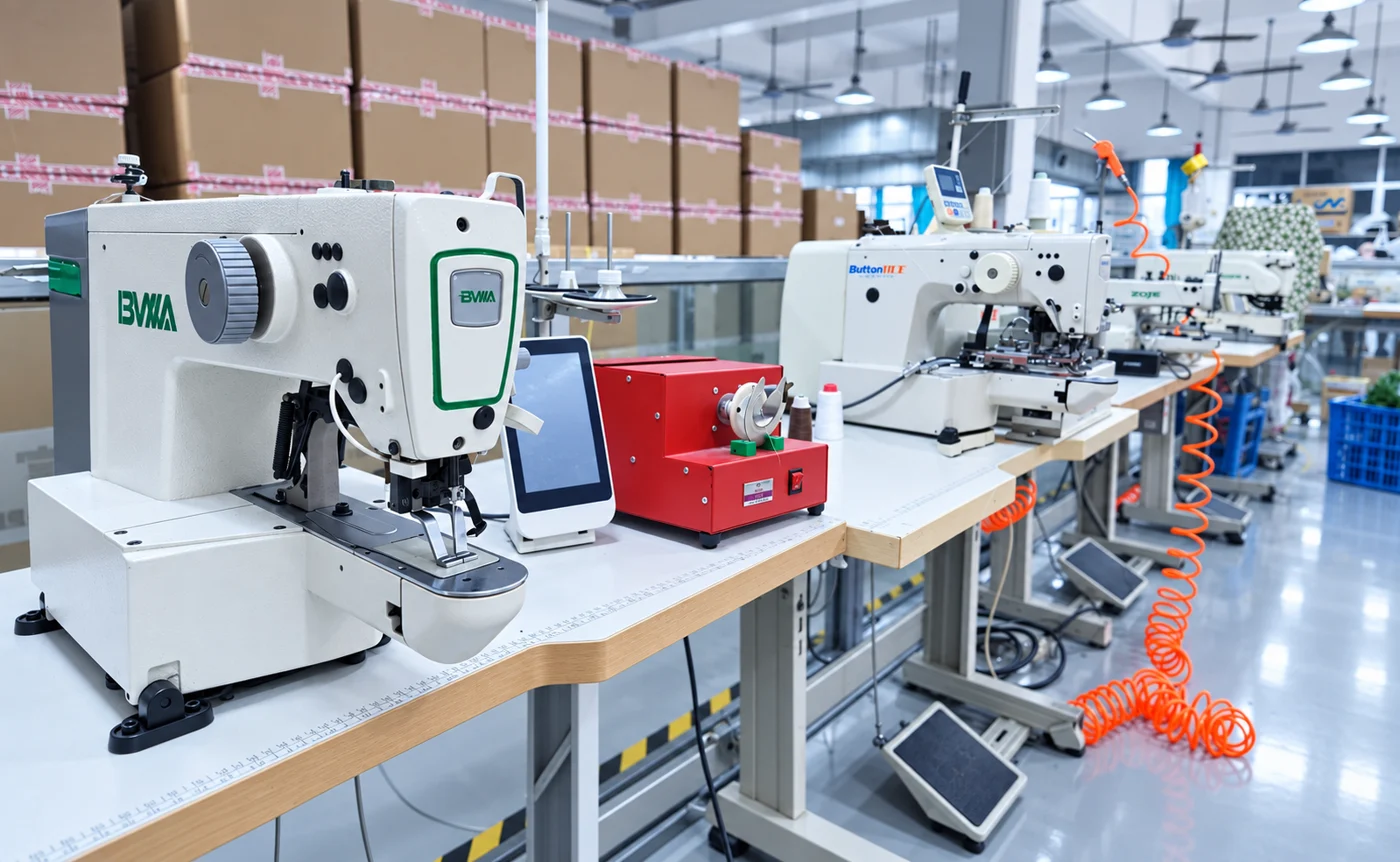
A factory audit and a product sample answer different questions. A manufacturing audit can examine the production setting and systems; a sample tests a particular garment version. QIMA describes assessments of equipment, capacity, workflows and quality systems. Choose a review scope that addresses your order rather than treating any audit as universal approval.
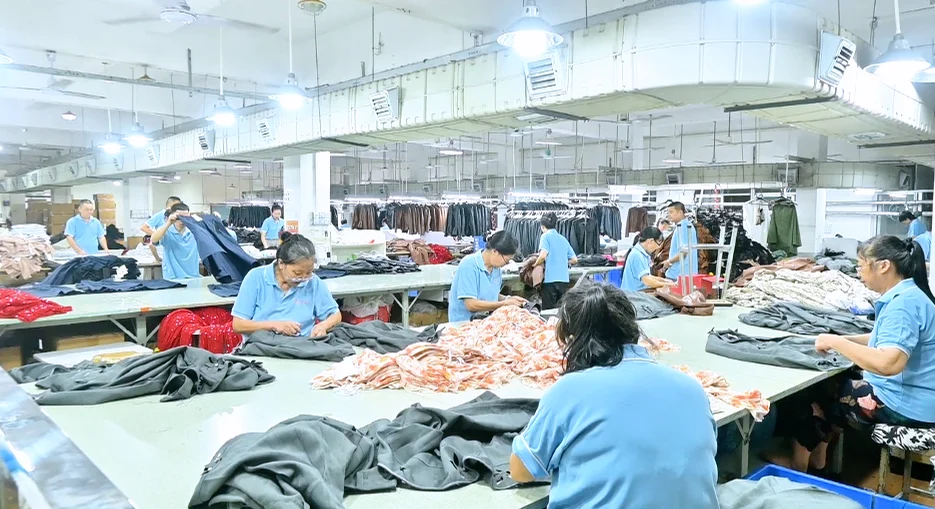
For remote screening, request a live walkthrough that follows your questions. Ask how the difficult operation is handled, where materials are controlled and who records quality findings. Confirm which location and process the evidence represents. Photos and videos do not establish every capability or guarantee your next delivery.
| Concern | Evidence to request | What it does not prove |
|---|---|---|
| Difficult construction | Relevant garment and explanation of the operation. | That every operator can repeat an improvised sample correction. |
| Capacity | Project-specific production plan and available slot. | A permanent guarantee based on the number of machines. |
| Outsourced work | Location, responsibility and control of specialist operations. | That the main supplier performs every task in-house. |
| Quality system | Checking records and response to a documented deviation. | That no defects will occur in your order. |
Make the Sample a Defined Test
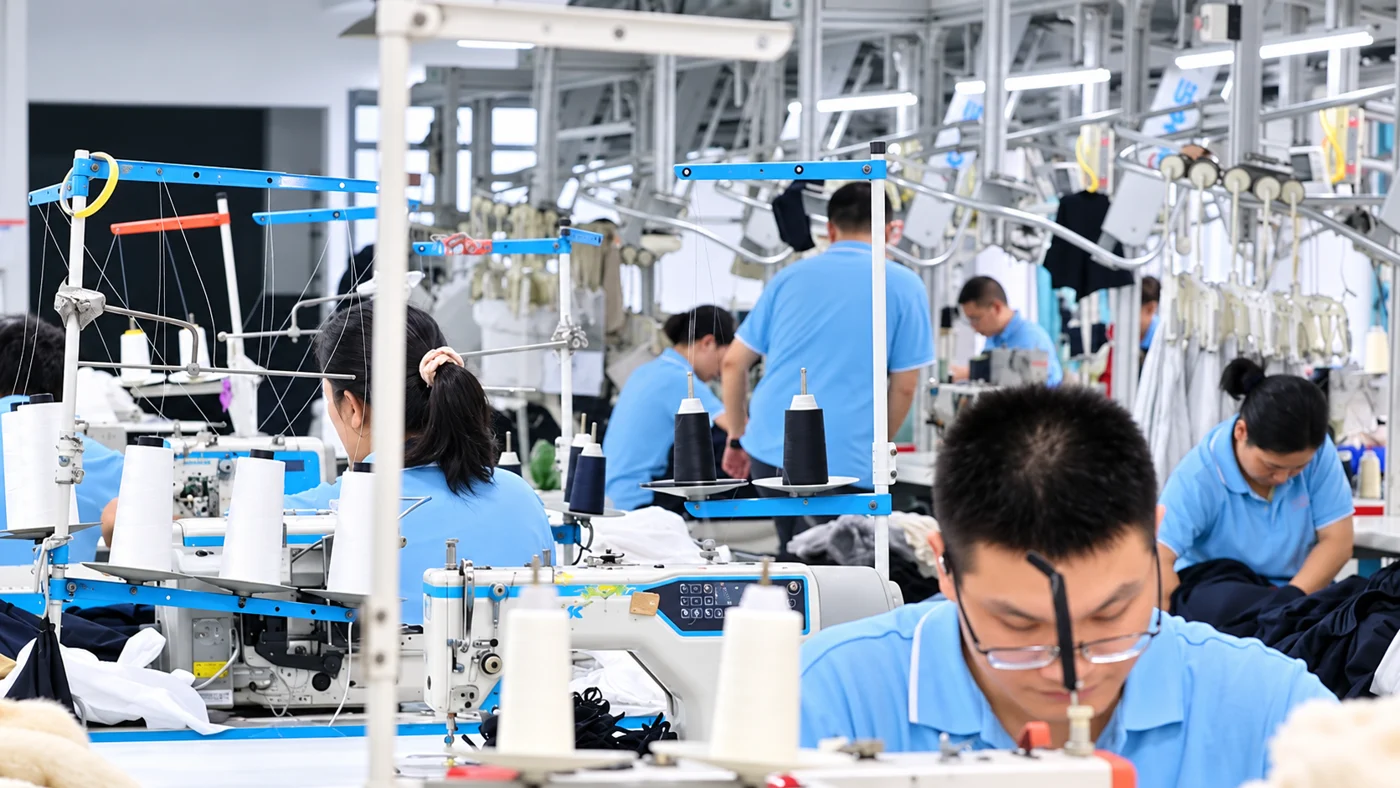
Give the clothing sample maker a versioned brief with material references, measurements and garment construction notes. Techpacker explains how a tech pack connects product specifications. Agree what the first sample should resolve and disclose any provisional fabric or trim.
Review clothing samples on a suitable wearer and against the measurement sheet. Assess movement, fastening access, coverage and internal construction as relevant to the product. Inspect more than the front view. Record the result, required correction and next decision instead of sending “make it better.”
A first sample needing revisions does not automatically disqualify the supplier. Evaluate whether it understood the brief, explained the cause and produced a controlled correction. Repeated unexplained changes or refusal to define the production method are reasons to pause further commitment.
Check the Route from Approved Sample to Bulk
Before clothing production, identify the approved sample, material specification, measurement tolerances, size requirements and construction instructions. Confirm that any provisional sample components will be replaced by agreed bulk components. Ask which changes require renewed buyer approval.
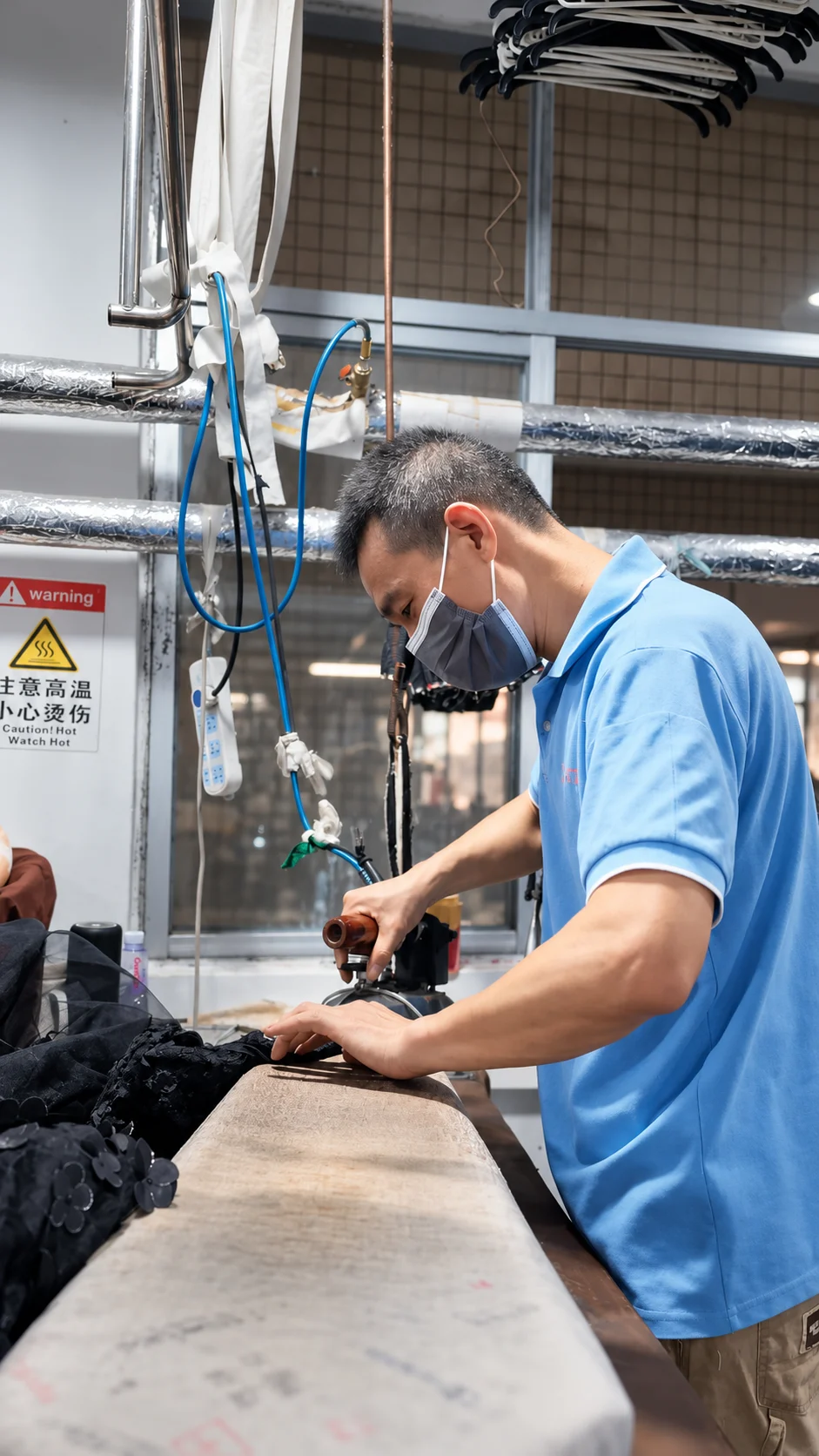
Apparel manufacturing can involve different people and material batches from the sample room. Ask how the production team receives the approved standard and who handles deviations. Intertek describes inspections across production stages; agree the appropriate checks and corrective-action responsibilities for your order.
Private label clothing suppliers should also confirm label and packaging references. A correct sample does not approve unreviewed artwork or carton requirements. For a technically uncertain feature, discuss a targeted repeat trial or pilot where practical; one finished garment cannot establish repeatability on its own.
Request a Capability Discussion with Shengfu
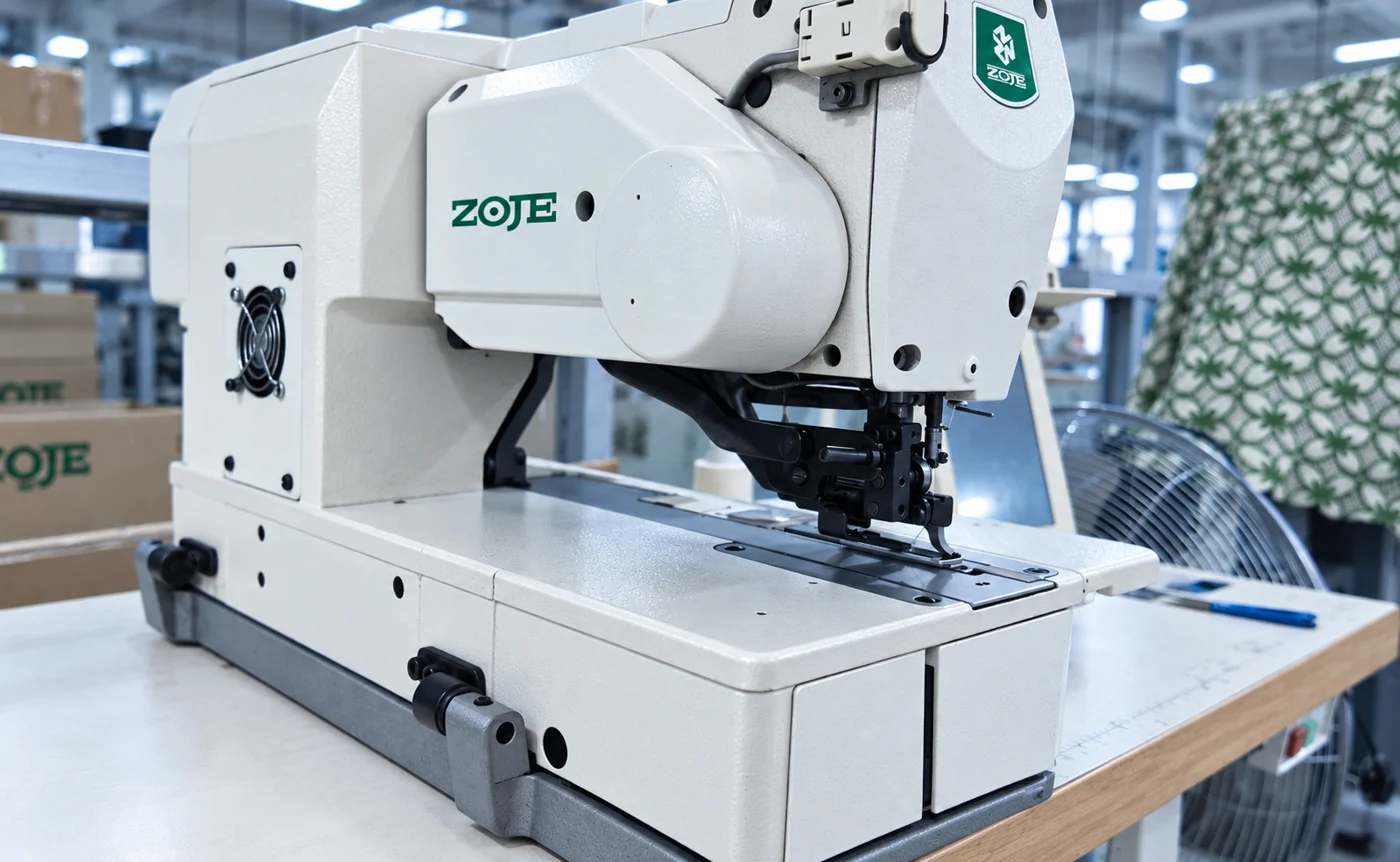
Send Shengfu the design, material preferences, order breakdown and launch plan. Identify the detail that needs evidence and ask for a capability discussion before moving into a paid sampling stage. Confirm current capacity, development scope and commercial conditions for your particular project.
Enquiry template: “We are developing [category] in [material], with [quantity] across [sizes/colours]. Please explain your proposed route for [difficult detail], relevant sample work you can share, sampling terms and controls for repeating the approved version.”
Choose a supplier when the capability evidence, sample plan and production responsibilities support the same garment. Keep outstanding conditions visible and do not let enthusiasm for a single sample replace the buying decision.
FAQ
What should a custom clothing manufacturer show before I pay for a sample?
Request relevant product evidence, a proposed method, a written sample scope and clear commercial terms. Confirm what remains provisional and which questions the sample will answer.
Can I evaluate clothing manufacturers in China without visiting?
Start with business and location details, relevant samples and a focused live walkthrough. For concerns that require independent on-site evidence, consider an appropriately scoped audit.
Is a low MOQ clothing manufacturer automatically suitable for a small brand?
No. Confirm the product category, material commitments, development support and repeat-order conditions. A low quantity alone does not establish garment capability.
What should a clothing production company do after sample approval?
Transfer the controlled specification to production, apply agreed checks, document deviations and obtain required approval for changes. Confirm those responsibilities before releasing the order.
How should I shortlist womens clothing manufacturers for dresses?
Look for evidence relevant to your fabric and dress construction, including fit, internal support and finishes. A broad womenswear description is only a starting point.
References and Further Reading
Technical and development sources:
- QIMA — Manufacturing Audits
- Techpacker — What Is a Tech Pack?
- Intertek — Textile and Apparel Inspection
Related Shengfu guides:
- How to Choose a Custom Dress Manufacturer for Your Brand
- Why Good Clothing Manufacturers Say No to Your Order
- Startup and Established Brands: Ask Better Clothing Factory Questions
- From “We Can’t Make It” to a Workable Garment: A Development Plan
- From One Sample to 1,000 Garments: Consistency Is the Real Test
- Three Clothing Samples: Which One Should You Approve for Production?
- Beyond Sewing: Define What Your Clothing Manufacturing Partner Owns
- What Should You Prepare Before Contacting an OEM Clothing Factory?





