
Article summary: First collections often need feasibility and development clarity; repeat orders add continuity, version control and capacity questions. Both need explicit quality and commercial requirements. Assess the evidence behind answers instead of assuming brand size determines professionalism.
Jump to:
- Ask for the Decision Behind the Answer
- Clarify the First-Order Commitment
- Define What Remains Available for a Reorder
- Request Evidence for the Quality Process
- Separate a Forecast from a Confirmed Booking
- Use a Stronger Factory Enquiry
- FAQ
- References and Further Reading
Ask for the Decision Behind the Answer
Clothing manufacturers for startups should explain how a first collection can become a workable order. An established brand may need the same help when entering a new category. Experience and order size do not eliminate uncertainty.
A useful first question is “Can this specification be developed within our budget and timing?” A repeat-order question is “What must stay available and controlled to reproduce the approved result?” Both deserve documented answers.
| Topic | First-order question | Ongoing-supply question |
|---|---|---|
| MOQ | Does it apply per style, colour or material? | What changes with replenishment or a new colour? |
| Sampling | Which development work and revisions are included? | How do you preserve the approved version? |
| Price | What does this quote cover? | What may change on a reorder? |
| Schedule | What approvals support this delivery target? | What commitment reserves material and capacity? |
| Quality | How will production follow the sample? | Which records identify affected batches? |
Clarify the First-Order Commitment
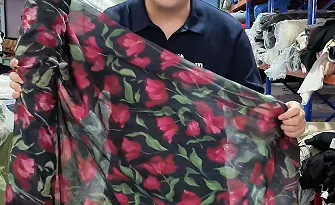
Show units per style and colour, sizes, target material, budget and destination. One hundred units in one style and colour is a different fabric sourcing question from the same total across several designs. Confirm the minimum order quantity at each constraint.
Small batch clothing manufacturers may offer a workable route but still face material and trim minimums. Ask about stock materials, alternatives and what each option changes. Do not assume a smaller total quantity removes setup and development work.
Separate sampling charges, production price and delivery costs. For private label clothing, clarify the base design, branding, file ownership and services. A clothing brand business plan should include those commitments and the approvals needed before production.
Define What Remains Available for a Reorder
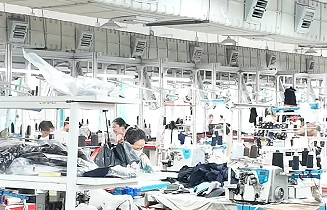
A successful first delivery does not reserve future fabric or guarantee unchanged pricing. Ask clothing suppliers what they retain: approved samples, specifications, material codes, supplier references and revision history. Confirm storage responsibilities and the approval process for substitutions.
Apparel sourcing for continuity needs a clear review of colours, trims and material lots. Define whether an available alternative requires another shade, fit or care approval. “Same style” is insufficient if the fabric or construction changes.
Connect the reorder plan to inventory management. Share an estimated replenishment window while distinguishing a forecast from a firm order. Ask when availability and price become confirmed, and who will communicate any change.
Request Evidence for the Quality Process
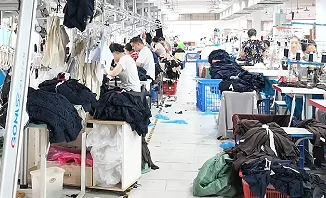
Custom clothing manufacturers should explain the standard they will assess: approved sample, material references, measurements, tolerances and critical construction. Ask which inspections are included, which are independent and how deviations will be handled.
Intertek describes inspection at different production stages. The useful checkpoint depends on the garment and risks. A generic claim of “strict quality control” is less informative than a relevant inspection plan and a redacted example of the record.
For repeat orders, ask how batch and material references are recorded so a problem can be investigated. Do not ask for confidential customer details as proof. A first-time buyer deserves clear acceptance criteria just as an experienced brand does.
Separate a Forecast from a Confirmed Booking
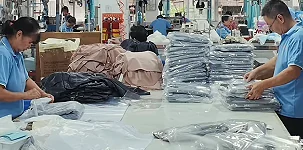
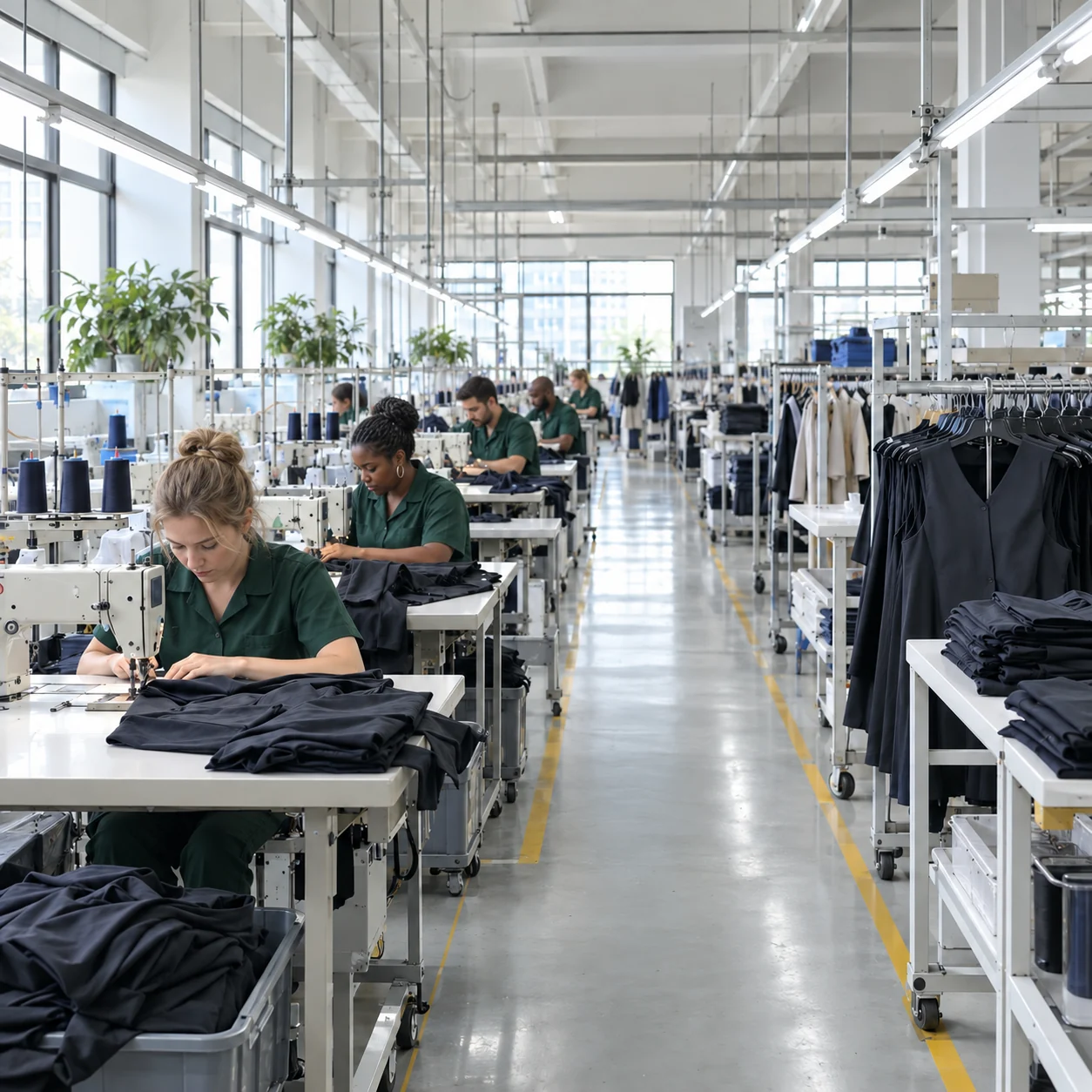
Production planning links sampling, approvals, material readiness, sewing capacity, inspection and dispatch. Ask which milestone starts the quoted lead time and whether it means factory completion or arrival at your destination.
Record your required arrival date and destination, then discuss realistic approval and transport milestones. When an Incoterms rule is used, identify the rule, named place or port and version. ICC’s resources explain the allocation of delivery responsibilities, costs and risks.
Ask what happens if a material, approval or capacity milestone slips. A useful answer identifies communication, decision options and responsibilities rather than promising the same date regardless of circumstances.
Use a Stronger Factory Enquiry
Send one current brief and three priority uncertainties. For a first launch, focus on feasibility, development scope and the price basis. For replenishment, focus on approved-version control, material continuity and confirmed scheduling.
Enquiry template: “We are developing for [customer], with [quantity per style/colour], [size range] and [target cost]. We need arrival in [destination] by [date]. Please explain sampling scope and charges, material minimums, production approvals and delivery responsibilities. For reorders, please identify what stays available and what needs reconfirmation.”
Request Shengfu’s proposal against those details and assess confirmed capabilities, samples and relevant records. Compare factories using the same brief; evaluate the content of the answers rather than assuming a startup or established brand will always receive particular terms.
FAQ
How to find a clothing manufacturer for a first collection?
Identify suppliers with relevant garment and development experience, send a clear brief and compare sampling proposals. Verify commercial identity, project scope and physical samples before committing; a search result or directory badge alone is insufficient.
How to contact clothing manufacturers with useful information?
Include product references, intended wearer, quantity by style and colour, size range, material status, target budget and destination. Label unknowns and ask the three decisions you most need resolved. Use the same current attachments for every comparison.
How to choose a clothing manufacturer for repeat orders?
Assess the first order and ask how approved versions, material references, substitutions, capacity and deviations are controlled. Request relevant records without customer confidential information, then reconfirm availability and commercial terms for each reorder.
Which questions to ask clothing manufacturers before ordering?
Ask what the quote includes, what minimums apply, which sampling and revision tasks are charged, what you must approve, how quality is assessed and what supports the delivery target. Follow broad assurances with requests for a defined scope and evidence.
Are small batch clothing manufacturers always better for startups?
They can be suitable when their development scope and order minimums match the project. Review material constraints, sample charges, unit price and reorder route. Small quantity alone does not prove the best quality, lowest total cost or strongest support.
References and Further Reading
Technical sources supporting the general guidance:
- Techpacker — What Is a Tech Pack?
- Intertek — Textiles and apparel testing and inspection
- ICC — Incoterms resources
- Techpacker — Pre-production processes
Related Shengfu guides:
- What Should You Prepare Before Contacting an OEM Clothing Factory?
- Five Questions to Ask a Custom Clothing Manufacturer Before Ordering
- Why Good Clothing Manufacturers Say No to Your Order
- From Sketch to First Sample: A Reference Photo Is Only the Start
- From One Sample to 1,000 Garments: Consistency Is the Real Test
- Payment Security: How to Pay Clothing Manufacturers Safely
- Same Design, Different Prices: What Are the Factories Actually Quoting?
- A 100-Piece First Order: How Detailed Should Your Tech Pack Be?





