
Article summary: A quick estimate can help screen a concept, but it is only useful when its assumptions are visible. Ask what garment, quantity and delivery scope the number covers, and what still needs confirmation before treating it as an order price.
Jump to:
- Decide Whether the Number Is an Estimate or an Offer
- Send a Brief That Makes the Uncertainty Visible
- Compare the Same Product and Commercial Scope
- Use Sampling to Resolve the Cost Drivers
- Ask Shengfu for an Assumption-Based Proposal
- FAQ
- References and Further Reading
Decide Whether the Number Is an Estimate or an Offer
A custom clothing manufacturer can sometimes price a familiar style quickly. Speed alone does not make a quote unreliable. The problem is a price that looks final while the fabric, lining and production method remain undecided. In apparel sourcing, label an early number as an estimate and keep its assumptions attached.
A photograph can communicate silhouette and styling. It may hide internal support, usable fabric width, fastening quality and seam finish. Two clothing suppliers looking at the same image can therefore imagine different garments. Ask the garment manufacturer to explain its assumed specification instead of judging the response time.
For a first conversation, ask: “Is this a budget estimate or a quotation against confirmed specifications? Which decisions could change it?” Keep the response with the reference image and date. An estimate is useful for screening whether to explore the design; it does not release purchasing or clothing production.
Send a Brief That Makes the Uncertainty Visible
Send the intended customer, use, target factory budget, quantity by colour and size, material preferences and required arrival date. Add front, back and detail references where available. Mark unknown items as pending and ask for separately identified options rather than letting assumptions become invisible defaults.
Techpacker describes the measurements, materials and construction information in a tech pack. A clothing tech pack gives the clothing sample maker and quotation team a shared version. You can start before it is complete, provided both sides know which decisions are open.
| Brief item | What the supplier needs | Useful clarification |
|---|---|---|
| Material | Identified fabric, lining and trims. | Which fabric sourcing assumptions need a swatch or supplier reference? |
| Construction | Key internal and external finishes. | Quote lined and unlined options separately if both are under review. |
| Quantity | Pieces per style, colour and size. | Identify any purchasing minimum that differs from the garment quantity. |
| Timing | Required warehouse date and review availability. | Separate production completion from dispatch and arrival. |
| Scope | Labels, packaging, checks and delivery responsibilities. | List exclusions and charges outside the unit price. |
Compare the Same Product and Commercial Scope
Apparel manufacturing offers should state the material references, quantities, currency, validity and exclusions. Ask whether sampling, revisions, testing, labels and packaging are included or separately charged. Describe the delivery location and agree what each party arranges; obtain a freight proposal where needed.
Garment construction is part of the product, not a cosmetic note. A lined bodice and a simple unlined shell can resemble each other in a front photograph. Compare the written finish specification before treating a lower price as a saving. If the quoted scope differs, first request a like-for-like alternative.
Ask the clothing production company what changes trigger a revised quotation: a new material, different size mix, revised construction or a changed order quantity. Keep development fees separate from recurring production charges. Do not promise your retail launch around an unconfirmed production date.
Use Sampling to Resolve the Cost Drivers
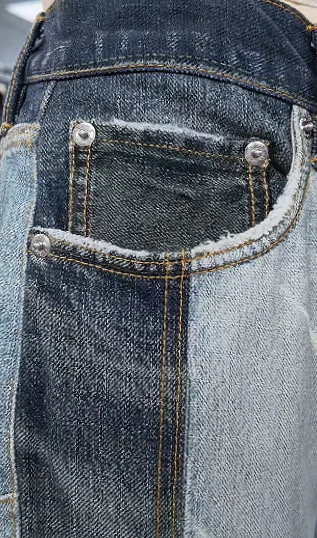
Choose trials that address the uncertain cost drivers. Review the proposed material in the garment, assess fit and movement, and inspect internal construction. Clothing samples can reveal decisions that were not visible in the original image. Record what changed and ask for the commercial effect before approving the next stage.
An approved sample still needs production controls. Intertek outlines checks at material, in-process and finished-garment stages. Agree relevant checkpoints and the response to deviations. A sample fee and a unit price do not, by themselves, define those responsibilities.
A revised price after sampling is not automatically a bad sign. It needs an explanation tied to a changed assumption or requirement. If nothing in the agreed specification changed, request a clear justification rather than accepting an unexplained increase.
Ask Shengfu for an Assumption-Based Proposal
Send Shengfu your reference images, target customer, material preferences, quantity breakdown, budget and required arrival date. Ask for a project-specific proposal that distinguishes confirmed items, assumed items and options needing a physical trial. Confirm the team’s available services and order conditions before committing.
Enquiry template: “Please assess this style for [market/use]. We need [quantity] across [colours/sizes]. Our target factory budget is [budget]. Please identify the materials and finishes behind your estimate, list exclusions, and explain what you need to confirm before a detailed quote and sampling proposal.”
The next decision is whether the proposed product and development scope justify sampling. Choose on the clarity of the answer and its fit with your project, rather than the speed or headline price alone.
FAQ
What should I ask a low MOQ clothing manufacturer before comparing its price?
Confirm whether the minimum applies per style, colour or order, and whether fabric or trim purchases create separate commitments. Compare the complete spend and garment specification.
How should custom clothing manufacturers for startups quote undecided materials?
Ask for identified material options, a price basis for each and a list of decisions still pending. A startup brief can be incomplete without being ambiguous about what remains unapproved.
How do I compare clothing manufacturers in China using the same photo?
Send the same quantity, material assumptions, construction notes and delivery scope. Ask each supplier to confirm its interpretation before comparing prices.
Do private label clothing suppliers include labels and packaging in the unit price?
Do not assume so. Confirm artwork, component type, placement, packaging and separate setup or purchasing charges in the written quotation.
What should cut and sew clothing manufacturers confirm before sampling?
Agree what materials they will use, which details the sample tests, the revision scope, cost and approval process. Record any substitutes before paying for the trial.
References and Further Reading
Technical and development sources:
Related Shengfu guides:
- What Is a Quote? How to Get a Clothing Manufacturing Quote
- Beyond the Unit Price: A Clothing Buyer’s Quotation Comparison Sheet
- Why a More Detailed Garment Can Receive a Lower Quote
- Who Actually Decides Your Clothing MOQ? Map the Constraints First
- A 100-Piece First Order: How Detailed Should Your Tech Pack Be?
- French Seams, Bound Seams or Overlock? Spend Where It Matters
- Payment Security: How to Pay Clothing Manufacturers Safely
- Three Clothing Samples: Which One Should You Approve for Production?





