
Article summary: Start with the customer and the intended use. Correct the mismatch that prevents the dress from working, then review connected changes in the complete sample. A country name alone does not tell you to shorten the hem or change the size chart.
Jump to:
- Describe the Customer Before Requesting Alterations
- Find the Mismatch That Prevents Wear
- Correct Proportion Before Isolated Length
- Validate the Connected Changes in the Real Material
- Release the New Version with Clear Records
- FAQ
- References and Further Reading
Describe the Customer Before Requesting Alterations
Dress fitting for a new market begins with a wearer and a use case. “Sell this in another country” leaves the pattern maker guessing. Define the target customer, occasion, fit preference, season, care expectations and price position. Separate evidence from assumptions about a whole population.
The Design Council’s framework begins by understanding people and defining the problem. Apply that sequence to the dress: collect specific customer feedback, relevant body measurements and physical wear observations before choosing alterations. A different sales destination may need different product information, a revised garment or both.
Record what should stay recognisable: the silhouette, neckline, material character or another defining feature. Clothing design decisions become clearer when the team knows which customer benefit matters and which production details can change.
Find the Mismatch That Prevents Wear
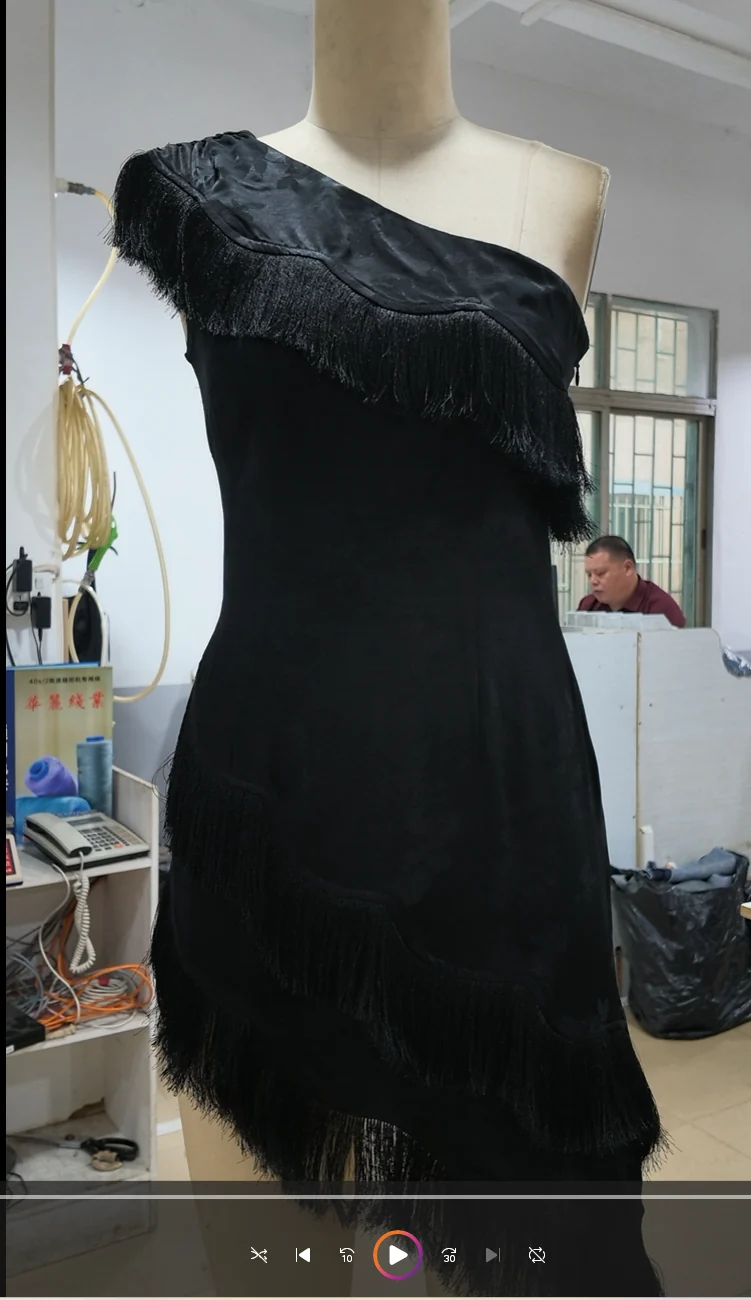
Review the complete sample before measuring one visible dimension in isolation. A hem that appears too long may accompany a waist seam that sits too low. Restricted reaching may involve the armhole, sleeve, ease or fabric rather than overall garment size. Garment construction and material behaviour need to be considered together.
| Observed issue | First investigation | What to avoid |
|---|---|---|
| Waist sits below the intended position | Bodice length, balance and wearer proportions. | Shortening the skirt without checking the bodice. |
| Sitting or reaching feels restrictive | Ease, shaping, openings and material response. | Increasing every measurement equally. |
| Coverage misses the brief | Neckline, slit, hem and lining in movement. | Judging coverage from a still photograph. |
| Dress works but shoppers select the wrong size | Clothing size chart and product guidance. | Changing a successful pattern before checking information. |
| Material is unsuitable for use | Fabric composition, lining and complete-sample review. | Approving a replacement by appearance alone. |
The table identifies where to investigate; it does not prescribe a guaranteed fix. Ask a qualified pattern maker to connect the symptom with the garment and wearer. Hohenstein’s fit testing uses test persons from the target group—a useful reminder that an abstract size label cannot replace a physical review.
Correct Proportion Before Isolated Length
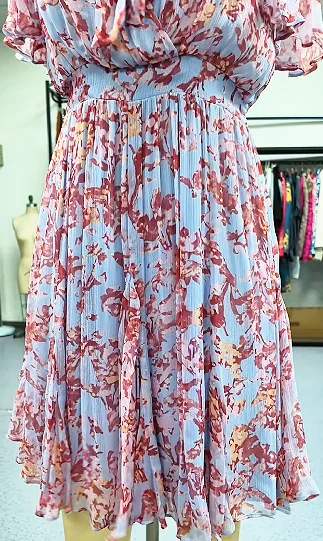
Illustrative example: a brand wants a petite version of an existing midi dress. The sample’s waist seam is too low and the hem looks too long. Removing length only at the hem would not correct the torso proportion. Review bodice length and balance first, then establish the intended skirt length on the revised sample.
If the bodice already meets the brief and the only change is the intended hem position, a skirt-length revision may be sufficient. Those two situations need different pattern making decisions. Do not apply one rule to every customer or every dress.
Keep body measurements and dress measurements separate. Identify the points of measure, measuring conditions, garment stage and intended ease. A clothing size chart explains the customer-facing offer; the garment specification controls the physical product. An international size chart can support communication, but it does not establish identical fit across brands.
Validate the Connected Changes in the Real Material
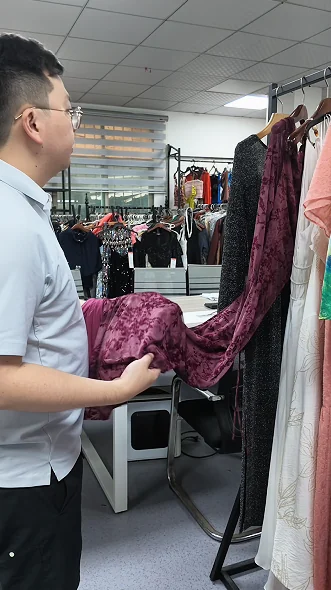
Changing fabric drape, stretch or lining can alter the result of a pattern revision. Review the complete dress in the proposed production material. If the material is still provisional, mark the approval as provisional too. Clothing samples made in a substitute fabric cannot settle every question about the final version.
Plan movement around actual use: sitting, walking, reaching, fastening and relevant coverage. Check representative wearers and the intended size range. Pattern grading needs review beyond the base size, especially when proportions or construction have changed. Ask the clothing sample maker to identify what the next sample should prove.
Record each observation by location, condition and consequence. Replace “make it more flattering” with a measurable or observable request, while allowing the pattern maker to propose the method. Compare revisions against the same brief and retain the previous reference so the team can see what improved and what remains unresolved.
Release the New Version with Clear Records
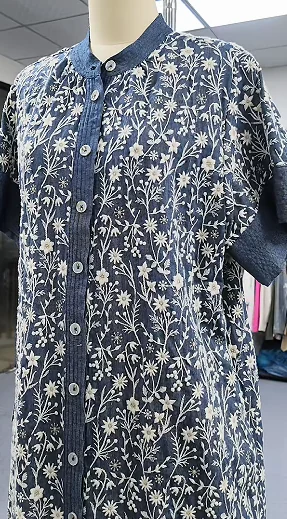
Techpacker explains the information a tech pack brings together. Use a controlled version to connect approved measurements, materials, construction, sample reference and artwork. If the original dress remains in the range, give the adapted version a distinct code so the two cannot be confused.
Before production, confirm the effect of the revision on consumption, cost, minimum quantities and schedule. A changed neckline may need a new fastening or lining instruction; a fabric change may need revised care information. Keep provisional decisions out of the final release.
Send Shengfu the existing sample, customer brief, current measurement sheet and specific fit observations. Request a prioritised fit-and-fabric review, with an explanation of the first trial and its acceptance criteria. Confirm the development support available for your project. Approve the sample and record together, then keep customer-facing size guidance aligned with the released garment.
FAQ
How to measure a dress before adapting it for another market?
Agree on points of measure and sample conditions, record finished-garment dimensions separately from body measurements, and relate the numbers to intended ease. Measure the relevant production stage and retain the sample reference.
How to choose fabric for clothing when the target wearer changes?
Start with movement, coverage, wearing conditions and care. Compare identified fabrics and review a complete sample because a material change can affect the fit you are trying to approve.
What is a tech pack’s role in a market adaptation?
It links the revised product to its measurements, materials, construction and approval record. Keep the adapted version distinct from the original.
Can international clothing sizes decide which pattern change comes first?
No. Size conversions help explain labels. Actual customer proportions, garment dimensions, material and wear observations determine whether a change is needed.
How to make clothing samples that resolve a fit question?
Give the sample maker a specific issue, proposed material and intended wearer or measurement reference. State what the sample must demonstrate and document the result before requesting another revision.
References and Further Reading
Technical and development sources:
Related Shengfu guides:
- Does the Same Dress Need a Different Fit in Another Country?
- One Clothing Design, Several Markets: Build the Product Brief First
- Dress Length vs Dress Fit: How to Measure a Dress Correctly
- “Make It Better” Is Not a Clothing Sample Revision Brief
- Fewer Details, More Focus on Fit: Developing Minimal Garments
- A Good Clothing Design Is Only the Start of a Good Product
- Three Clothing Samples: Which One Should You Approve for Production?
- A Million Views Does Not Make a Dress Ready for Production





