
Article summary: Entering another country does not automatically require a new pattern. Define the customer and compare body measurements, wearing preferences and fit trials. A converted size label cannot establish equivalent fit; validate targeted changes before creating another production version.
Jump to:
- Fit the Target Customer, Not a National Stereotype
- Changing the Label Does Not Change the Garment
- Investigate Specific Areas Before Revising
- Validate the Existing Pattern Before Creating Another Version
- Control Measurements and Versions
- Bring the Target Fit Brief to Shengfu
- FAQ
- References and Further Reading
Fit the Target Customer, Not a National Stereotype
International clothing sizes can help communicate a range, but they do not define one body shape for a country. Every market includes different heights, proportions and wearing preferences. Start with the customer segment you intend to serve and investigate fit feedback before changing the pattern.
Hohenstein’s fit services connect sizing and pattern development to target-group measurements. ISO 8559-1 provides body-measurement definitions used to develop size and shape profiles. It does not prescribe one universal dress pattern.
For example, a move from a regular-height range into petite sizing may require a review of torso length, waist position and skirt proportions. Shortening only the hem of petite dresses may leave the bodice problem unresolved. Likewise, developing plus size dresses requires a defined fit profile and size-range review rather than assuming one uniform enlargement works.
Changing the Label Does Not Change the Garment
A size conversion translates a label; it does not alter the garment. Check what body measurements each size represents in your brand’s clothing size chart. Publish a clear dress size chart for the actual range, with units and measuring instructions.
Body measurements describe the wearer. Garment measurements describe the finished product and reflect intended ease, fabric behaviour and construction. A stretch bodycon dress and a woven shift dress should not share an assumed allowance.
| Document | Purpose | Keep separate |
|---|---|---|
| Customer body size chart | Helps customers choose a size. | Body reference values and measurement definitions. |
| Garment specification | Controls finished dimensions and production. | Points of measure, garment values and tolerances. |
| Conversion guidance | Explains other regional labels where relevant. | Indicative label mapping, verified against this brand’s chart. |
Do not publish a universal US-to-UK conversion as proof of fit across brands. Label conventions vary; the current product’s chart and garment information should resolve the customer’s decision.
Investigate Specific Areas Before Revising
| Area | Review | Preserve where possible |
|---|---|---|
| Bodice | Bust shaping, shoulder width, torso length and waist position. | The approved design identity and intended support. |
| Skirt | Hip room, length, slit position and seated coverage. | The intended silhouette and movement. |
| Openings | Neckline, armholes and fastening access. | Coverage, comfort and functional access. |
| Whole garment | Desired ease, stretch and layering needs. | The material-and-fit relationship. |
Adding width everywhere to solve bust tightness can create a loose waist or gaping armholes. Ask the pattern maker to diagnose the issue and propose a targeted revision. Use dress measurements and movement observations together.
Coverage or layering preferences can matter, but do not infer them from nationality. Collect specific feedback from the intended customer and record the wearing conditions in the brief.
Validate the Existing Pattern Before Creating Another Version
- Define the customer using relevant measurements, preferences and feedback.
- Review the current sample on a suitable fit model or representative wearers in the intended fabric.
- Record repeated issues and distinguish size selection from a pattern problem.
- Compare a targeted revision where needed.
- Review pattern grading and relevant sizes, not only the base sample.
- Identify each approved pattern, chart, sample and production version.
If the existing pattern works, clearer sizing information may be sufficient. If a problem repeats within a defined customer group, compare a revised sample before committing to a second fit version. Each additional version adds development and production decisions.
Control Measurements and Versions
Use the same body-measurement definitions between reviews and record units. Keep finished-garment targets, observed sample values and tolerances in the specification. Techpacker’s fit-template guidance illustrates the comparison of sample values and specification limits.
Give separate fit versions clear identifiers, colour-and-size allocations and approved references. Avoid combining one market’s chart with another version’s pattern. Check customer-facing labels and online size guidance against the production record.
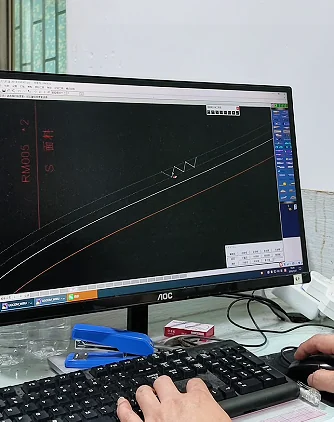
A digital pattern view can help the technical team manage changes, but it does not replace a physical fit trial or prove that a design serves a particular population.
Bring the Target Fit Brief to Shengfu
Send the dress design, current body size chart, garment specifications, fabric information and specific fit feedback. Include the proposed customer segment, size range, order quantities and delivery target.
Ask Shengfu to propose a sample review and explain any suggested pattern or grading changes. Confirm the technical support and capabilities available for your project. A country name alone is not a production specification.
FAQ
How to measure waist for a dress size chart?
Use the brand’s stated body-measurement definition, keep the tape level and record the units without compressing the body. Distinguish the body waist reference from a finished waistband measurement. Use consistent methods in fit development and customer instructions.
How to measure hips for a new target fit?
Follow the agreed body-measurement method and identify the relevant fullest hip area. Record the measuring position and units consistently. Compare the customer profile with garment hip measurements and intended ease before revising the pattern.
How to measure bust for a garment fit review?
Use the agreed body-bust definition under relevant wearing conditions and keep it separate from flat garment chest measurements. Record the fit-model reference and assess shaping, ease and movement in the actual sample.
How to measure shoulder width consistently?
Define the body landmarks or garment seam reference used in your specification and record the method. Body shoulder width and a garment’s shoulder-seam measurement serve different purposes. Compare like with like during each review.
US to UK dress size: can I convert the label and keep the pattern?
Use any conversion only as guidance and verify it against your brand’s current body size chart. A changed label does not change finished dimensions or establish equivalent fit. Keep the pattern if a relevant fit trial supports it; otherwise investigate targeted revisions.
References and Further Reading
Technical sources support the guidance above; they do not certify or endorse Shengfu or verify project-specific capabilities.
- Hohenstein — Fit, sizing and pattern development
- ISO 8559-1 — Body-measurement definitions
- Techpacker — Fit-template measurements and comments
Related Shengfu guides:
- Dress Length vs Dress Fit: How to Measure a Dress Correctly
- How to Measure Shoulder Width: A Garment Factory Guide
- A Million Views Does Not Make a Dress Ready for Production
- How Many Pieces of Fabric Make Up a Dress?
- A 100-Piece First Order: How Detailed Should Your Tech Pack Be?
- From Sketch to First Sample: A Reference Photo Is Only the Start
- From One Sample to 1,000 Garments: Consistency Is the Real Test
- Don’t Copy a Bestseller: Fashion Market Research That Starts With Customers





