
Article summary: Lasting wardrobe value combines appeal, comfortable fit and reliable performance. Develop garments for a defined customer’s repeated use, test the relevant construction and care requirements, and avoid treating a simple silhouette or high price as proof of durability.
Jump to:
- Design for the Customer’s Life
- Comfort Makes a Garment Easier to Choose Again
- Durability Needs Evidence
- Make Care and Maintenance Practical
- Use This Repeat-Wear Sample Checklist
- Develop Repeat-Wear Clothing with Shengfu
- FAQ
- References and Further Reading
Design for the Customer’s Life
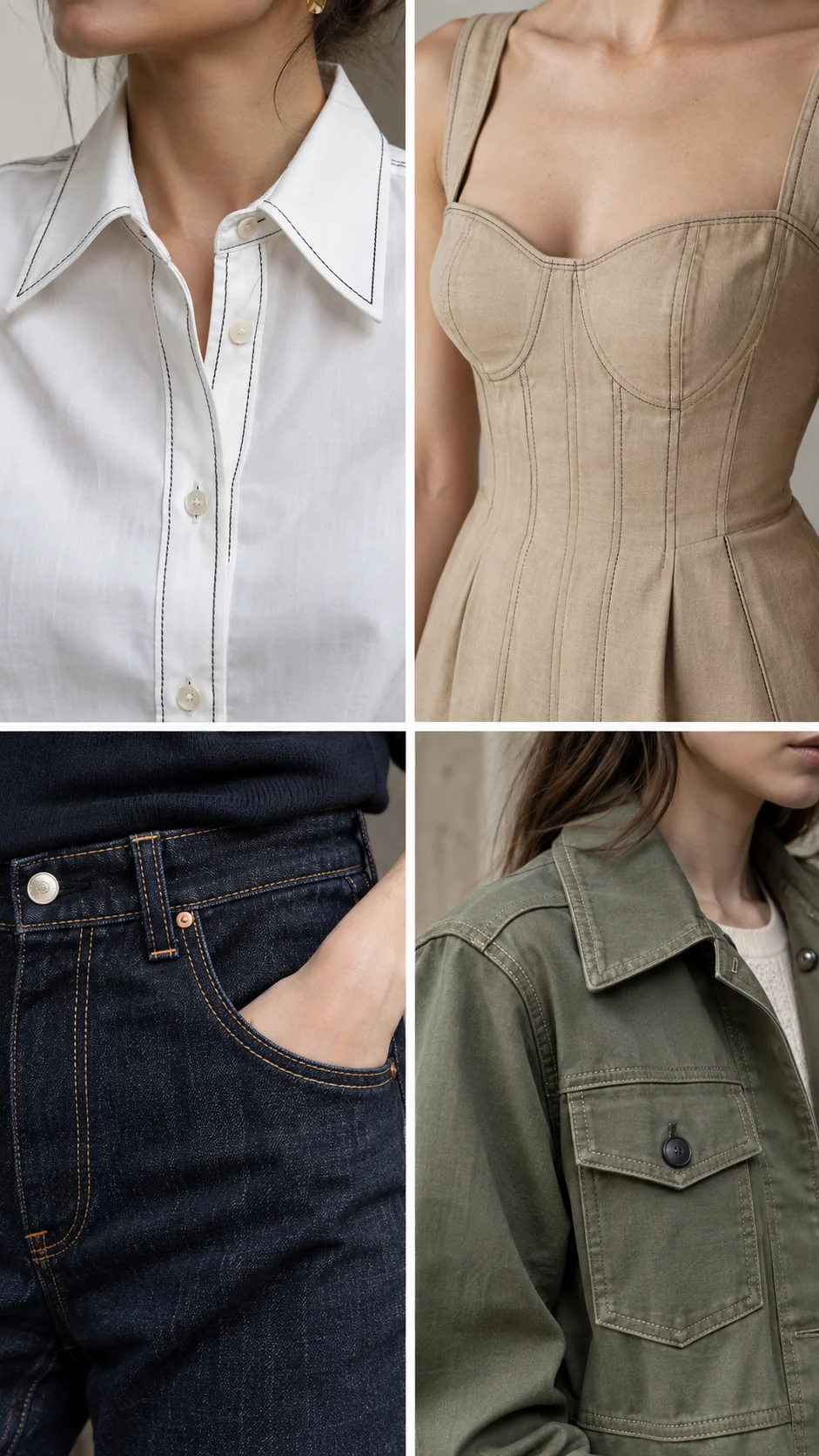
Timeless fashion is personal. One customer repeatedly wears a neutral dress; another chooses a bold print. Avoiding trends or choosing classic style does not guarantee lasting appeal. Define the wearer, occasions, styling preferences and practical needs before deciding which details belong in the product.
For a capsule wardrobe, the useful question is how each garment works with what the customer already owns. Test combinations, layering, coverage and dress codes that reflect their life. Wardrobe essentials should earn their place through usefulness rather than a generic list of must-have items.
A distinctive neckline or print can support repeat wear if the customer enjoys it. Retain meaningful character while reviewing details that create unnecessary restrictions or difficult care.
Comfort Makes a Garment Easier to Choose Again
A beautiful dress may remain unworn if the wearer constantly adjusts the neckline or avoids sitting. Check walking, sitting, reaching and putting it on. Ask where pressure, rubbing, restriction or loss of coverage occurs.
Comfort does not mean every design must be loose. Match the intended fit to the pattern, fabric behaviour and support. Review relevant sizes, closures, seam joins and dress lining. Fabric drape should support the silhouette while allowing the required movement.
Record specific feedback: “the waistband presses when seated” gives the team a problem to investigate. Ask for targeted revisions and recheck the result under comparable conditions.
Durability Needs Evidence
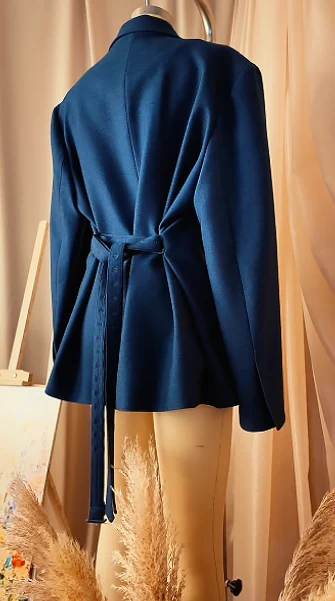
Materials and garment construction support lasting appeal. Fibre name, weight or price cannot by themselves establish performance. WRAP’s durability research cautions against predicting durability from price, brand or fabric composition alone.
Choose checks around the product: dimensional stability, seam integrity, fabric pilling, abrasion where relevant, closure function and appearance after intended care. Agree methods and acceptance criteria with the supplier or testing specialist before interpreting results.
Intertek’s colorfastness guidance covers resistance to fading and transfer under conditions such as washing, rubbing and light. Color fastness requirements should match the product. Select the conditions relevant to the garment. A single attractive photograph is not a test report.
Slow fashion and sustainable fashion descriptions should explain supported product decisions. Do not promise a fixed lifespan, reduced environmental impact or a wash count without evidence for the actual garment.
Make Care and Maintenance Practical
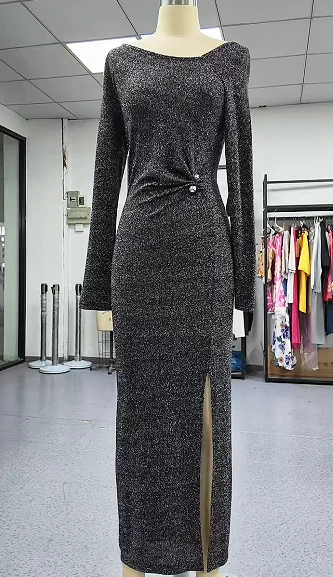
Clothing care should fit the intended customer’s routine. A material that demands care the customer will not perform may be a poor choice even if the initial sample looks excellent. Evaluate whether trims, lining and decoration can follow a compatible care route.
Consider accessible repairs and replaceable components where appropriate. Confirm spare buttons, closure specifications and repair instructions for the actual product. Avoid adding decorative parts that cannot survive the chosen care process without a clear reason.
When comparing samples, document the approved care conditions and before-and-after observations. A household trial can reveal useful development issues, but do not present it as a certified laboratory result.
Use This Repeat-Wear Sample Checklist
| Question | Evidence to collect | Action if it fails |
|---|---|---|
| Does the customer want to wear it repeatedly? | Relevant styling combinations and wearer feedback. | Review proportions, coverage or unnecessary restrictions. |
| Can the wearer move comfortably? | Movement observations across relevant sizes. | Request a targeted pattern or construction revision. |
| Will the fabric and finish suit its use? | Agreed performance and post-care results. | Compare a material or construction alternative. |
| Can the customer maintain it? | Care instructions and compatible components. | Review care route or simplify the maintenance burden. |
| Can the factory reproduce the approved result? | Controlled sample, specification and inspection plan. | Resolve production controls before approving bulk. |
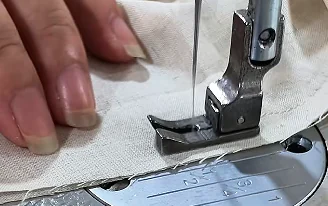
Balance these decisions together. A softer material may improve drape but change coverage; a cleaner seam may add bulk. Ask for trials that show the trade-offs and keep the final approval record consistent.
Develop Repeat-Wear Clothing with Shengfu
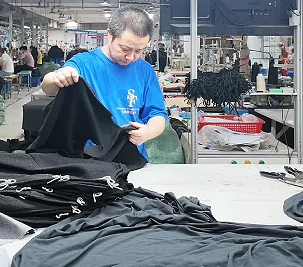
Share the intended customer, wearing occasions, style priorities, quantities and budget. Ask Shengfu to propose fabric and sampling options, then agree the fit and performance requirements for the particular project.
Assess the proposal through physical samples and clear technical decisions. Confirm testing arrangements and available manufacturing capabilities before placing the order. The objective is a garment customers continue to enjoy wearing, supported by an approved specification.
FAQ
How to build a capsule wardrobe into a brand collection?
Start with the target customer’s existing wardrobe and occasions. Develop pieces that combine naturally, check proportions and layering, and validate comfort and care. The number and colours of pieces should follow the customer rather than a fixed formula.
How to make clothes last longer through product development?
Choose materials and construction for the intended use, review relevant performance and care tests, and make maintenance practical. Confirm the approved fit and finish can be reproduced. Do not infer longevity from price or a fibre label alone.
How to care for linen when developing a garment?
Follow the care requirements established for the actual fabric and finished garment. Check dimensional change, surface appearance and compatibility with lining and trims under the proposed routine. Do not apply one temperature or drying instruction to every linen blend.
How to stop clothes pilling from becoming a product complaint?
Assess the actual fabric for the anticipated rubbing and care conditions, agree an appropriate pilling test where relevant and compare materials before approval. Follow the finished garment’s care instructions; no universal treatment guarantees every fabric remains pill-free.
How to wash silk when approving a production sample?
Use the care route supported by the particular silk fabric, dyes, construction and trims. Review an appropriate care trial and establish instructions for the finished garment. Do not assume all silk is washable or prescribe a universal wash method.
References and Further Reading
Technical sources support the guidance above; they do not certify or endorse Shengfu or verify project-specific capabilities.
- WRAP — Durability research
- Intertek — Colorfastness testing
- Hohenstein — Fit, sizing and pattern development
Related Shengfu guides:
- Don’t Copy a Bestseller: Fashion Market Research That Starts With Customers
- Dress Length vs Dress Fit: How to Measure a Dress Correctly
- French Seams, Bound Seams or Overlock? Spend Where It Matters
- From One Sample to 1,000 Garments: Consistency Is the Real Test
- Same Garment, Different Colour: Why Can the Cost Change?
- How Many Pieces of Fabric Make Up a Dress?
- A Million Views Does Not Make a Dress Ready for Production
- From Design Idea to Bulk Production: What Your Brand Should Confirm





