Summary
There is no correct universal panel count for a dress. Count actual cut components separately from pattern templates, explain what each piece does, and review fit and internal finishing before using the number to compare cost or quality.
Jump to:
- Pattern Templates and Cut Pieces Are Different
- What the Panels Do for Fit and Silhouette
- Look Inside the Dress as Well as Outside
- More Pieces Do Not Automatically Mean Higher Quality
- A Buyer’s Construction Review Checklist
- Review the Panel Structure with Shengfu
- FAQ
Pattern Templates and Cut Pieces Are Different
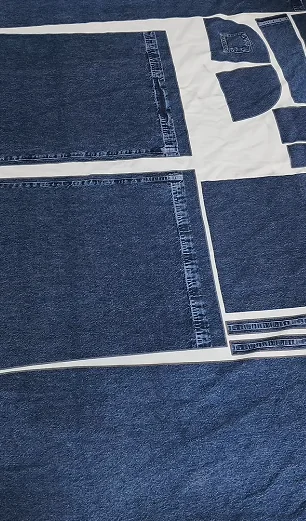
A dress pattern describes the parts and cutting instructions. A dress can look like a front and a back while containing separate bodice panels, straps, facings, lining and pocket bags. There is no standard total for a slip dress or fitted dress: the count describes a particular construction, not its category or quality.
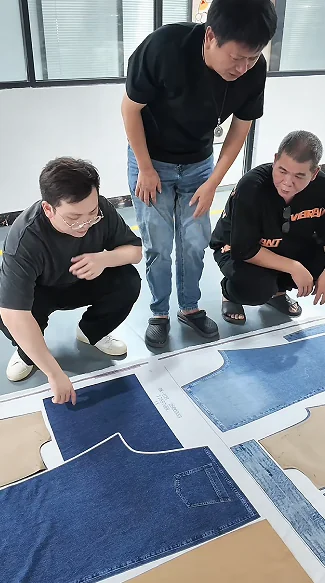
One template can produce a mirrored pair. A template marked “cut on fold” can produce one opened-out component. Pattern making also distinguishes shell pieces from lining or interfacing pieces. Before comparing quotations, ask whether the count includes every layer.
| Count separately | Typical components | Why it matters |
|---|---|---|
| Outer shell | Front and back bodice, skirt sections, sleeves | Creates the visible silhouette and most of the shaping. |
| Internal layers | Dress lining, facings, pocket bags, interfacing | Supports coverage, comfort, edges and function. |
| Small fabric details | Straps, ties, tabs, belt pieces | Can require substantial handling even when the area is small. |
Illustrative count: a front cut on the fold plus two back halves equals three shell cut pieces, even if only two paper templates were used. Adding a facing and lining changes the complete garment count. This example is not a specification for all dresses.
What the Panels Do for Fit and Silhouette
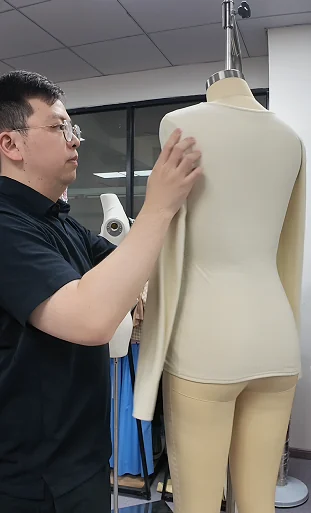
A flat sheet must gain shaping or deliberate volume to become a garment. Darts, princess seams, curved panels, pleats and gathers are different tools. A bodice pattern with more seams may let the designer place shaping where needed, but it must still be balanced and comfortable.
Seamwork’s pattern tutorial demonstrates a conversion from darts to princess seams. The principle is useful for understanding why deleting a seam can require new pattern work rather than simply stitching two neighbouring pieces together.
Skirt panels can distribute flare, enable contrast materials or create the intended grain direction. Pockets and openings add function. Review why each component exists and whether a proposed simplification preserves that function.
Look Inside the Dress as Well as Outside
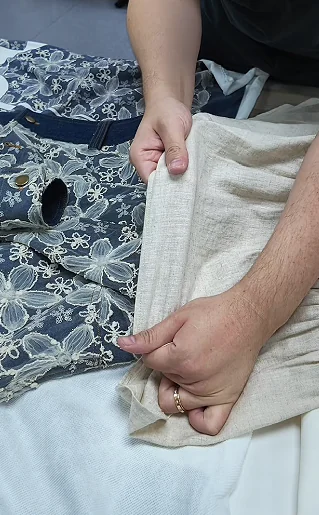
Dressmaking quality includes what the wearer feels. Check seam bulk, edges against the skin, lining movement and the finish around zippers or armholes. A smooth exterior does not reveal every internal issue.
The lining may use a different pattern from the shell. It should have enough movement for the garment and must not drag the outer layer out of shape. Facings can finish an opening without lining the complete garment; their purpose and attachment should be clear in the specification.
Coats’ seam-type reference distinguishes constructions by how materials are arranged. Agree the actual finish rather than using “premium seams” as an undefined instruction.
More Pieces Do Not Automatically Mean Higher Quality
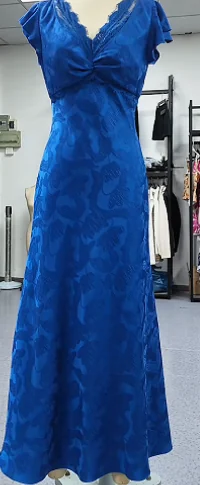
Piece count can affect fabric cutting, bundling, sewing and checking, but it is only one part of cost. A short curved join in a difficult fabric can need more work than a long straight seam. Print matching, directional surfaces, usable width and cutting layout also change material consumption.
Fabric sourcing and garment construction should therefore be reviewed together. A narrow material may lead to a different layout; a revised seam allowance or internal finish can affect handling. Ask the factory to identify the actual cost driver and demonstrate the proposed alternative.
A design with few panels can fit well; a complex design can fit poorly. Compare the finished samples for balance, movement, secure joins and consistent workmanship rather than rewarding the largest number.
A Buyer’s Construction Review Checklist
- Separate template count, shell cut count and total cut count.
- Mark the pieces responsible for critical fit and design lines.
- Confirm the lining, facing, pocket and support components included in the quote.
- Review grain direction, print matching and important seam intersections.
- Try the sample in movement and examine internal finishes.
- Request a revised sample for any simplification affecting shaping.
Keep a component list beside the approved sewing pattern. This makes a later substitution visible and helps the cutting and sewing teams work from the same construction plan.
Review the Panel Structure with Shengfu
Send Shengfu your dress references, intended fabric, target fit, quantity and budget. Ask the team to explain the proposed panel structure and the internal finish included in the sample quotation. Confirm the development support available for your project.
If reducing cost is the priority, identify a customer benefit that must remain: coverage, movement, pocket function or silhouette. Compare alternatives against that requirement before approving a simpler construction.
Frequently Asked Questions
How to read sewing patterns when counting dress components?
Check the cutting instructions for each template: quantity, fabric layer, mirrored pair or cut-on-fold instruction. Count the physical pieces produced, then list lining, facings and other internal layers separately.
How to cut fabric for a dress with many panels?
Use the approved layout, grain direction and cutting instructions. Identify each component and size before bundling. For directional prints or surfaces, confirm matching requirements before estimating consumption.
How to line a dress without changing the fit?
Develop a lining construction that suits the openings, stretch and movement of the outer dress. Check attachment points and length on a sample; copying every outer piece does not automatically create the right lining.
How to sew princess seams smoothly?
Match the intended seam line and reference points, control the curves during sewing and check the pressed result. Fabric, allowances and internal finish affect the method, so approve the sample rather than relying on the seam name alone.
How much fabric for a dress with many pattern pieces?
Estimate from the size range, usable fabric width and approved cutting layout, including directional or matching requirements and agreed allowances. Panel count alone cannot determine metres or yards.
Sources and Further Reading
Related Shengfu guides: