
Article summary: A strong visual idea still needs a defined wearer, comfortable fit, suitable materials, care evidence and a feasible production standard. Develop and test those requirements together before treating a polished photograph as an order-ready product.
Jump to:
- Turn the Visual Idea into a Customer Brief
- Review the Wearing Experience
- Choose Materials for the Product’s Job
- Test the Proposed Care Route
- Make the Approved Result Repeatable
- Use This Product-Readiness Checklist
- FAQ
- References and Further Reading
Turn the Visual Idea into a Customer Brief
Clothing product development starts by defining what the garment needs to do. Fashion design communicates an idea, while product decisions determine the wearer’s daily experience. An evening dress and a work blouse need different movement, coverage, care and fastening decisions.
Use fashion market research to identify your target market, wearing occasions and frustrations. Ask what people currently wear, what they struggle with and why they would choose your garment. A mood board cannot answer those questions by itself.
Design Council’s framework emphasises understanding people and testing ideas. Translate customer needs into observable requirements: sitting without waistband pressure, opening a closure without help or layering without restricted movement. Define the requirement before choosing a solution.
Review the Wearing Experience
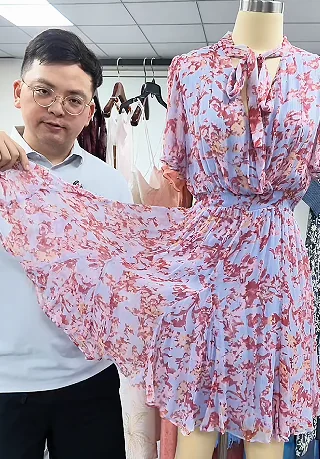
Photograph the sample standing naturally, then review the movements relevant to its use. Ask the wearer to sit, walk, reach and put it on and take it off. Observe where it shifts, rubs, restricts or requires adjustment. Record the garment version and fit-model measurements.
Body measurements define the reference wearer. The garment specification defines finished dimensions and intended ease. A sample can meet those dimensions and still need a review of balance, proportions or fastening access. Ask the pattern maker to explain the proposed revision and its connected effects.
Keep a numbered list of comments with photographs and priorities. Resolve essential comfort and coverage issues before debating small styling preferences. Review relevant sizes through a pattern grading and size-sample plan rather than treating one fitted size as proof for every customer.
Choose Materials for the Product’s Job
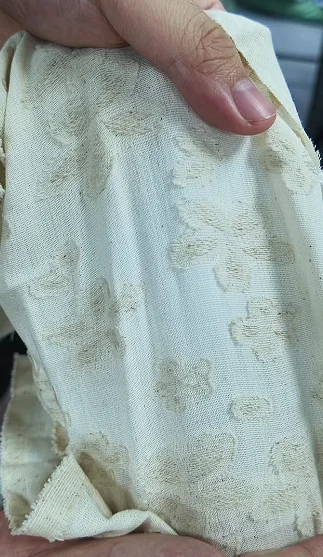
Fabric sourcing should connect the design to the intended drape, coverage, stretch, recovery and surface feel. Compare fabric swatches and a relevant construction trial. A higher-priced fibre or heavier cloth does not establish that it meets those requirements.
Check lining, interfacing, thread and trims as a system. A soft outer fabric paired with a stiff internal layer can change the wearing experience. Identify substitute materials in development and state which decisions remain open for the production material.
Fabric testing should address the actual risks. Intertek’s colorfastness guidance covers resistance to fading and transfer under relevant conditions. Choose the checks and acceptance criteria around the garment; visual approval alone does not establish colour performance after use or care.
Test the Proposed Care Route
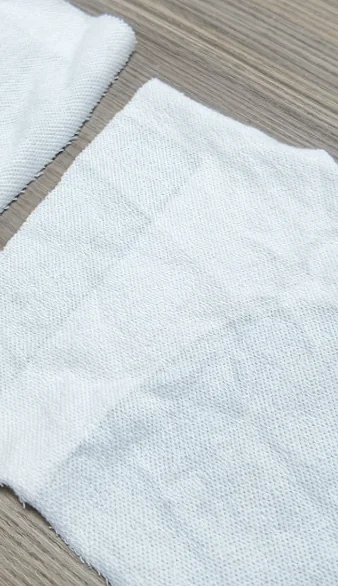
Review the finished garment under the proposed care process, using an agreed method and comparison conditions. Assess dimensions, surface appearance, seam condition, lining, decoration and fastening function. A fabric-only trial may not reveal how all those elements interact in the finished garment.
Record the initial sample, method, results and decision. Do not write a durability promise or a wash-count claim without evidence for that actual product. If a check exposes a problem, investigate the material or construction route and assess the revision.
Fashion product development includes deciding whether the garment’s care needs suit the customer. A delicate finish may be appropriate for a specific occasion product but unsuitable for the frequent-care routine expected of an everyday garment.
Make the Approved Result Repeatable
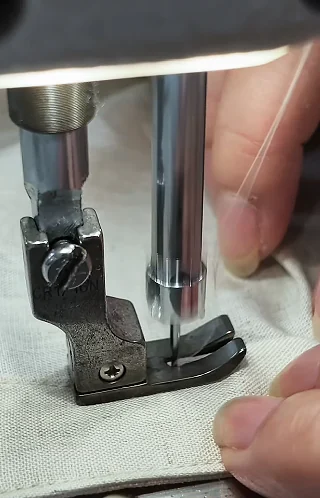
Garment construction needs instructions that production can use: seam types, support, placement references and critical details. Put the current drawings, bill of materials, measurements and revisions in a tech pack. Techpacker explains these components. A sample with invisible individual adjustments is an incomplete manufacturing standard.
Ask how difficult features will be produced and assessed across the order. Agree inspection checkpoints and handling of deviations. Confirm the final quotation reflects the approved materials, construction, quantity and delivery scope.
If a cost reduction is needed, request a defined alternative and compare the effect on fit, appearance and care. Do not accept “equivalent fabric” without identifying what changes and which parts of the approval need repeating.
Use This Product-Readiness Checklist
| Gate | Evidence | Pause when |
|---|---|---|
| Customer | Clear wearer, occasion and product benefit. | The main selling claim is unsupported or the wearer is undefined. |
| Wearability | Recorded fit, movement and size reviews. | An essential comfort or coverage issue remains. |
| Materials and care | Identified materials and relevant results. | The approved trial uses an unreviewed substitute. |
| Production | Current specification, sample and inspection plan. | Critical construction depends on undocumented adjustments. |
| Commercial | Confirmed quotation and delivery responsibilities. | The quote and approved sample describe different products. |
Bring Shengfu your design references, customer brief, sample comments, order breakdown and target cost. Request a development proposal explaining the tests, sampling scope, fees and approval sequence. Evaluate confirmed capabilities and physical evidence for your particular product.
FAQ
How to choose fabric for clothing during product development?
Start with the required silhouette, comfort, coverage, movement and care. Compare actual materials and construction trials, then review the finished garment. Fibre names and fabric price alone cannot settle those decisions.
How to make clothing samples that test a product idea?
Specify the questions each round should answer, such as neckline coverage, fabric drape or fastening access. Identify the version and material, record observations and agree the next revision. A trial with clear unresolved items is more useful than a polished but undocumented piece.
How to start a clothing brand with a workable first product?
Define the customer and occasion, validate the need, build a budget and develop a sample with a clear approval process. Plan material minimums, stock, delivery and care requirements together; do not assume a successful photograph establishes commercial readiness.
How to take body measurements for clothing product development?
Use consistent landmarks and methods for the intended fit reference, record units and identify the model or size profile. Keep these separate from finished-garment measurements and ask the technical team to define the intended ease.
How to find a clothing manufacturer for an unresolved design?
Look for a supplier able to explain the development tasks your product needs. Request a defined sampling proposal, comparable quotation and evidence of relevant work. Verify project-specific services rather than relying on a broad promise to make anything.
References and Further Reading
Technical sources supporting the general guidance:
- Design Council — Framework for Innovation
- Intertek — Colorfastness testing
- Techpacker — What Is a Tech Pack?
- Intertek — Textiles and apparel testing and inspection
Related Shengfu guides:
- Don’t Copy a Bestseller: Fashion Market Research That Starts With Customers
- A Million Views Does Not Make a Dress Ready for Production
- From Design Idea to Bulk Production: What Your Brand Should Confirm
- From One Sample to 1,000 Garments: Consistency Is the Real Test
- Why Some Clothes Stay in Your Wardrobe Beyond the Trends
- “Make It Better” Is Not a Clothing Sample Revision Brief
- French Seams, Bound Seams or Overlock? Spend Where It Matters
- Same Garment, Different Colour: Why Can the Cost Change?





