Article summary: Garment washing can help establish the intended feel and appearance, but an aged look is not a quality standard. Approve the complete finished sample, dimensional changes, visual limits and relevant care evidence before bulk production.
Jump to:
- Choose the Customer Experience Before the Wash Name
- Separate the Effect from the Process
- Measure the Finished Garment and Future Care Separately
- Define Character and Rejectable Variation
- Compare the Full Finishing Proposal
- FAQ
- References and Further Reading
Choose the Customer Experience Before the Wash Name
Garment washing can give brand-new clothes a softer, more relaxed or deliberately worn character. A freshly sewn garment may not represent the feel, shade or dimensions the customer should receive. However, a wash should serve the product brief rather than conceal a construction problem.
Define touch, appearance, fit and intended use separately. A washed cotton overshirt may need softness with limited fading. A denim piece may need visible contrast. “Vintage wash” alone does not tell the manufacturer which result to reproduce or how much variation is acceptable.
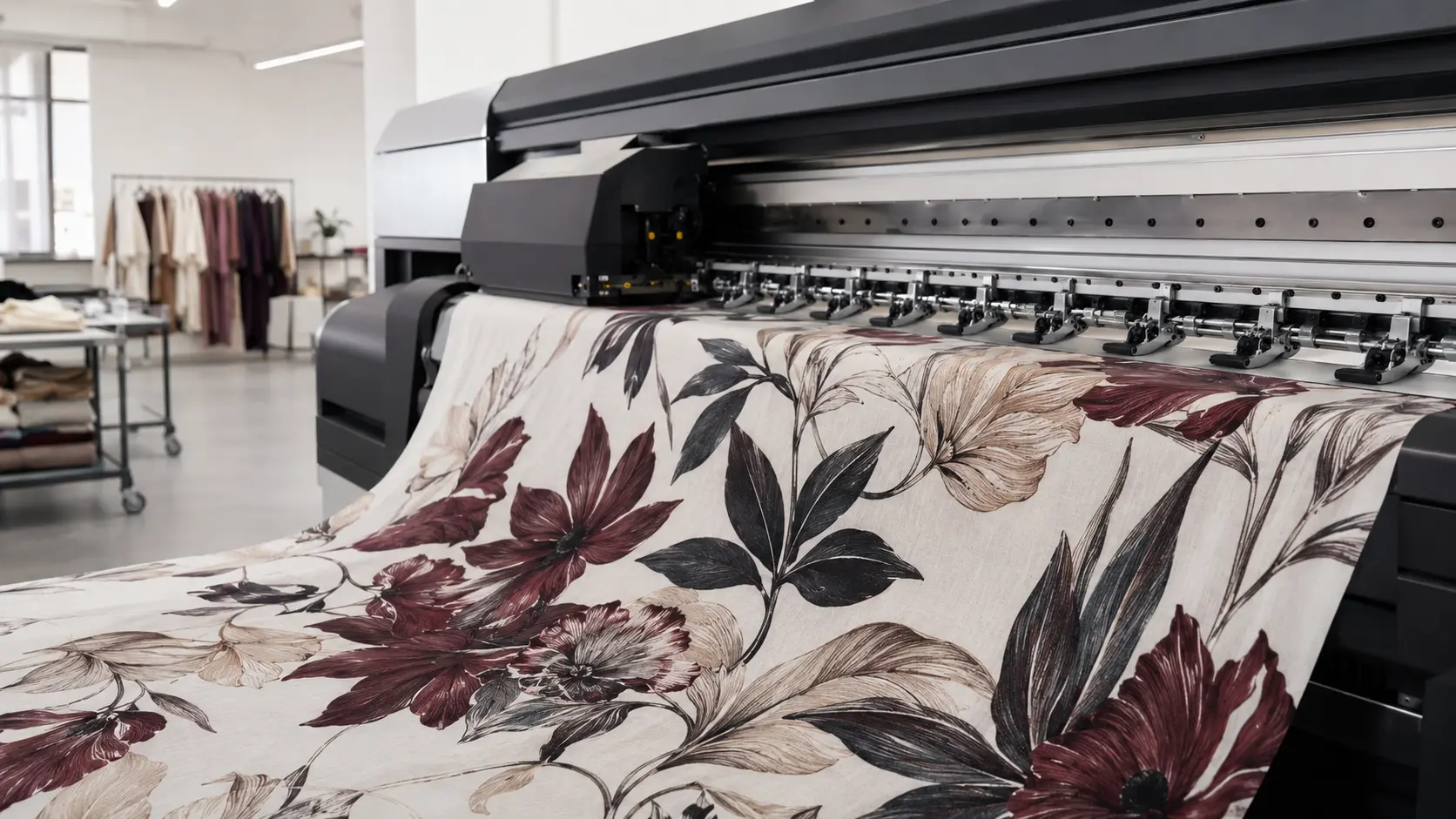
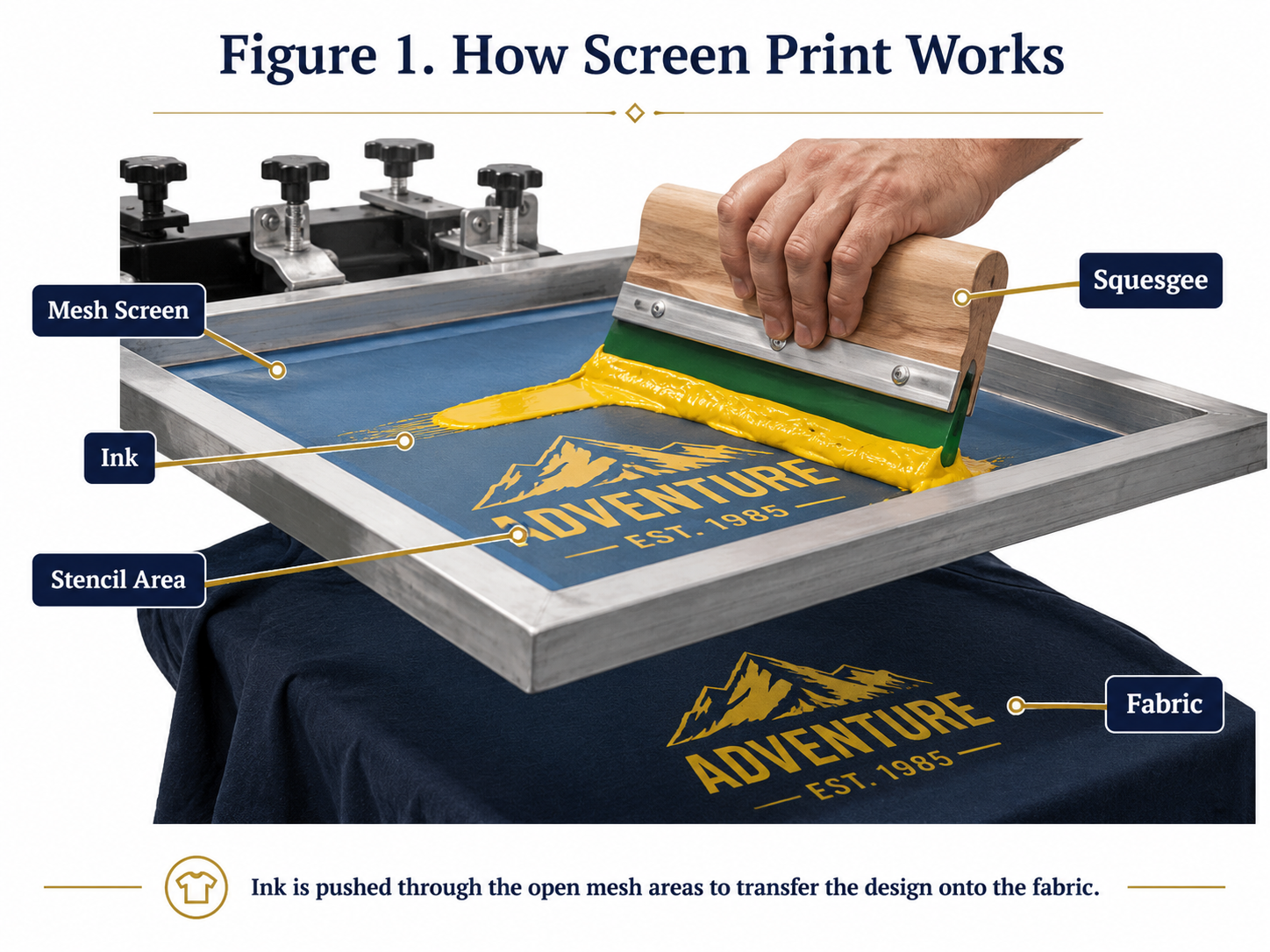
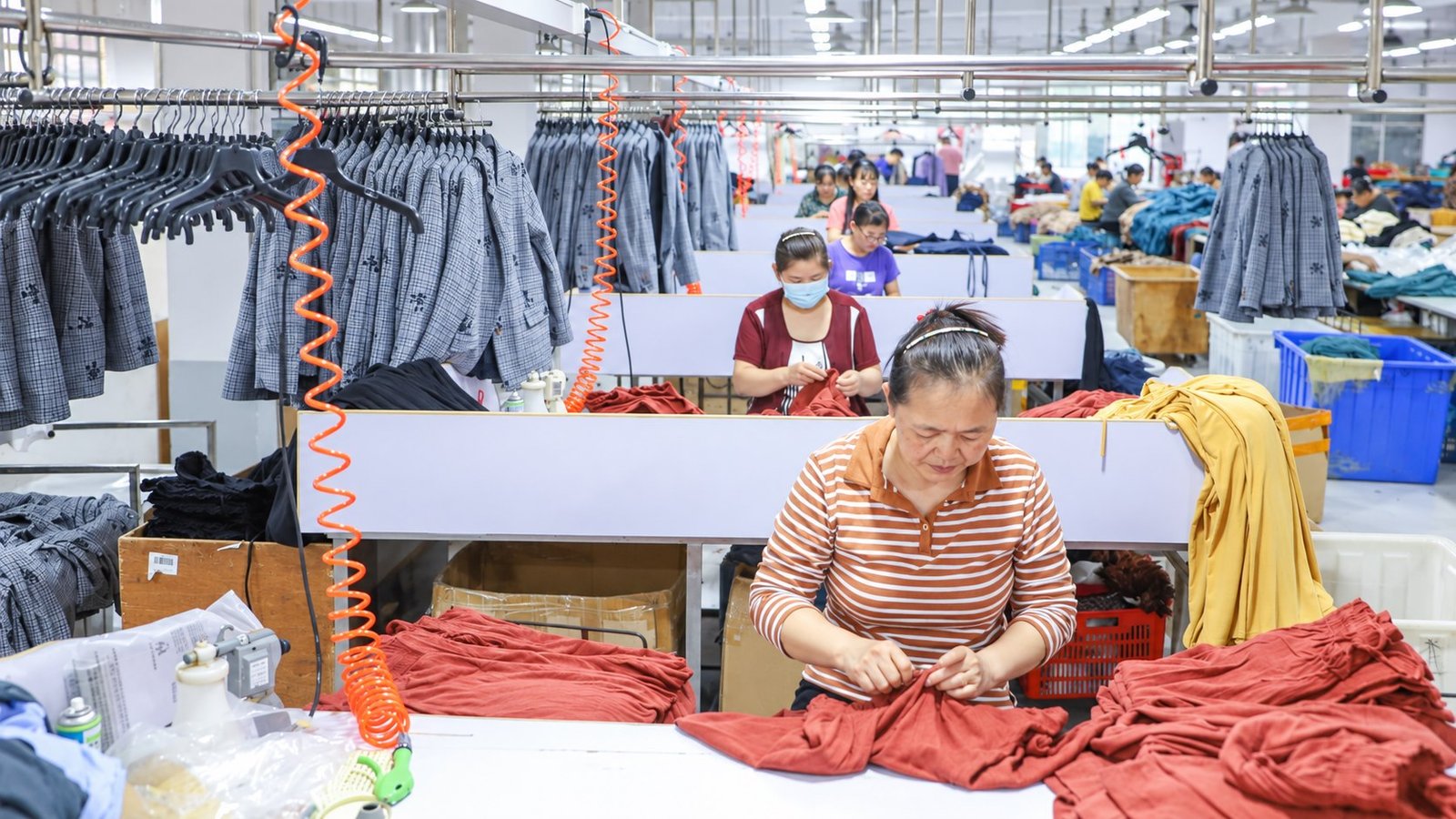
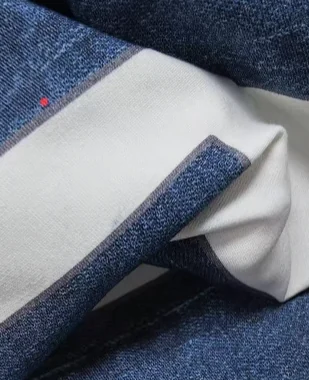
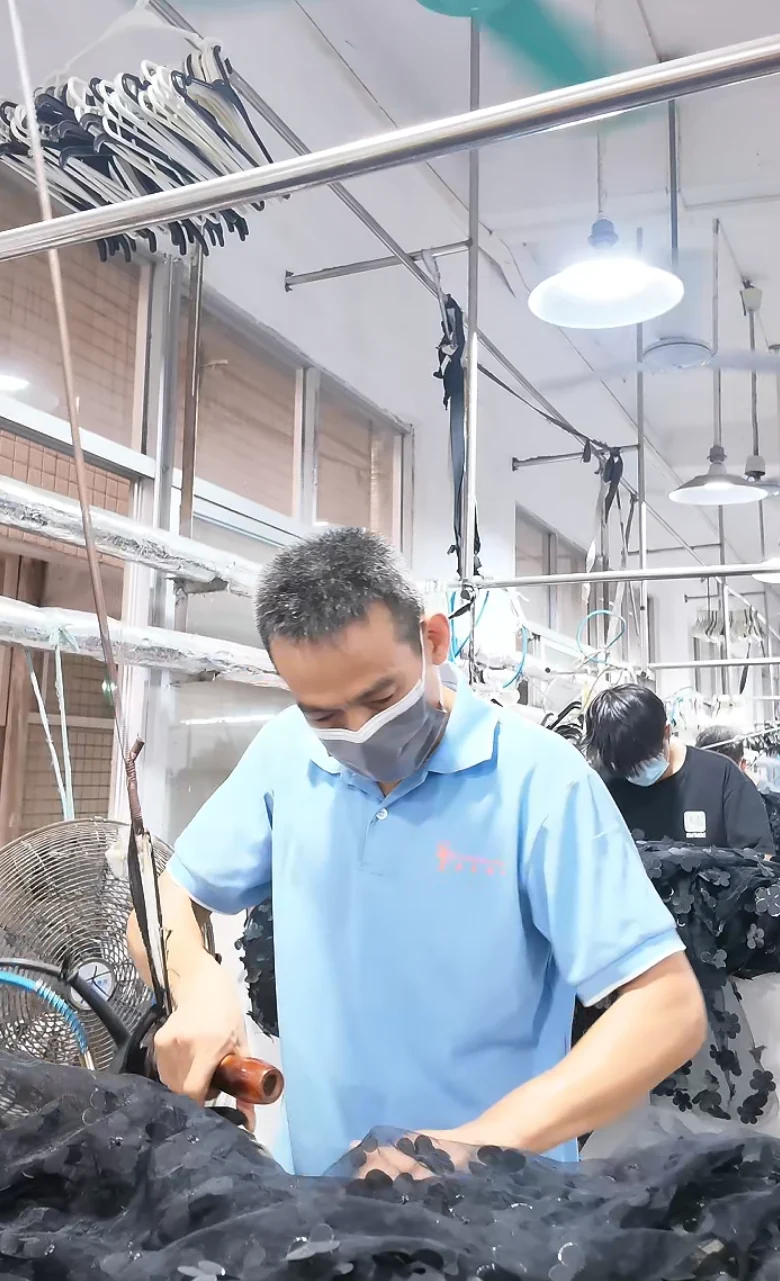
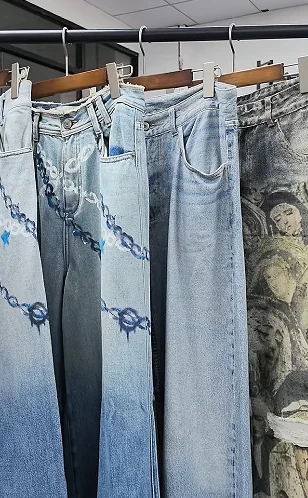
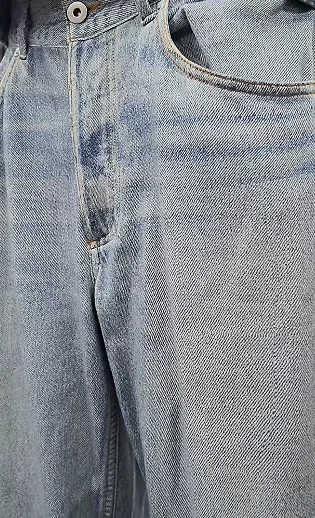
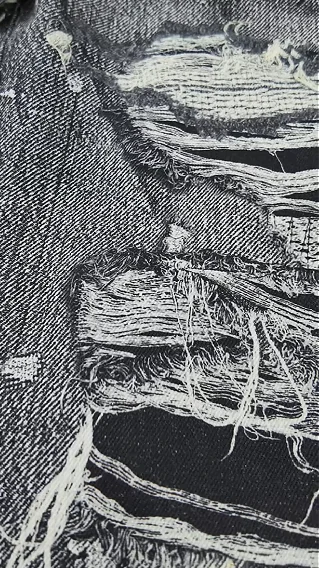
The photographs in this guide illustrate materials, garment handling and worn-looking surfaces. They are not controlled before-and-after comparisons and do not establish the process used. Keep physical references alongside photographs when approving your own finish.
Separate the Effect from the Process
A process name is a development starting point. Enzyme wash, stone wash and other denim wash routes can produce different results depending on fabric and conditions. A garment-dyed product is coloured after assembly; garment washing describes a finishing operation and need not involve garment dyeing.
CottonWorks’ denim-finishing material explains abrasion and enzyme treatments used for denim effects. Confirm the route suitable for your actual fabric composition and construction. A finish developed on one material cannot be assumed to transfer unchanged to another.
Ask the team which parts of the garment enter the process: shell, thread, pocketing, labels and trims may need different treatment or attachment timing. Approve the sewn garment because seams, thickness changes and edges are absent from a flat fabric swatch. A visual effect must still leave essential attachments secure and preserve the required garment construction.
Measure the Finished Garment and Future Care Separately
Specify which measurements apply before processing and which are customer-facing finished targets. Review the actual washing, drying and finishing sequence before measuring. Use the same agreed points and conditions when comparing sample versions.
CottonWorks explains that shrinkage is affected by construction, processing and care. Factory washing and pre shrunk cotton do not establish zero future dimensional change. Ask for relevant care trials on the finished product and agree results appropriate to its intended use.
If a pattern allowance is needed, establish it from the material and process evidence. Do not prescribe one universal enlargement percentage. A change in length, width or seam balance can have different effects on fit. Compare fabric weight, drape and hand feel on the resulting garment too; an approved surface does not settle those questions.
Define Character and Rejectable Variation
| Aspect | Define before production | Evidence to review |
|---|---|---|
| Shade | Reference and permitted visual range. | Physical samples under agreed lighting. |
| Worn effect | Approved placement and intensity. | Front, back and detail views. |
| Dimensions | Finished targets and tolerances. | Identified measurement record. |
| Function | Areas that must remain intact and secure. | Fastening, attachment and relevant performance checks. |
| Care | Intended care route and acceptance criteria. | Finished-product test results. |
Distressing is an appearance choice, not proof of durability. Separate intentional abrasion from damaged stress points, insecure attachments or unwanted holes. Establish colorfastness checks relevant to the actual use, such as transfer to other garments or appearance after care, with a suitable laboratory or technical team.
Review fabric testing against the claimed result rather than accepting “washed” as a quality certificate. Keep material, process and finishing-batch identities linked to the reference. Decide who reviews early production and how out-of-range results are held for a decision.
Compare the Full Finishing Proposal
Ask whether the quotation covers development trials, production processing, handling, final finishing, inspection and agreed tests. Confirm how a change to the approved effect affects cost and timing. More fading or more process steps do not automatically create better customer value.
Environmental claims need supporting evidence for the actual route. A technology name or general equipment claim is insufficient to establish the impact of your product. Ask what is measured, the process boundary and what comparison supports the claim before using it in marketing.
Send Shengfu the garment type, intended feel and appearance, fabric reference, quantity breakdown, target cost and schedule. Request a finishing and sampling proposal with clear approval criteria and confirmed responsibilities. Review clothing care labels against the evidence from the finished garment before releasing artwork.
FAQ
What is enzyme wash in garment development?
It refers to an enzyme-based finishing route; cellulase treatments are used for some cotton effects. Ask which treatment, fabric and controlled result the proposal covers, and assess appearance together with material condition.
What is stone washing meant to achieve?
It uses an abrasive route for a worn effect, commonly associated with denim. The actual material and conditions influence the result, so a process label cannot replace sample approval.
Does preshrunk cotton shrink after the factory finishes it?
Residual shrinkage can remain. Confirm the actual material, finishing route and relevant finished-garment care results rather than assuming the term means no future change.
Why do clothes shrink, and does washing at the factory prevent it?
Construction, processing and later care can affect dimensions. Factory treatment can help manage change, but it does not establish a universal guarantee for every subsequent care condition.
How to wash cotton clothes after buying a washed garment?
Follow the product’s substantiated care instructions. Cotton content or a worn appearance alone does not determine a safe temperature or drying route for a garment containing trims, decoration or other materials.
References and Further Reading
Technical and development sources:
- CottonWorks — Denim Finishing
- CottonWorks — Shrinkage and Skewing
- Intertek — Textile and Apparel Inspection
Related Shengfu guides:
- Denim With Character: How to Choose the Right Garment Wash
- Faux Denim Without the Stiffness: A Garment Factory Guide for Fashion Brands
- What Is Faux Denim? What Rag & Bone’s “Fake Jeans” Teach Fashion Brands
- Same Garment, Different Colour: Why Can the Cost Change?
- From One Sample to 1,000 Garments: Consistency Is the Real Test
- Three Clothing Samples: Which One Should You Approve for Production?
- A Good Clothing Design Is Only the Start of a Good Product
- French Seams, Bound Seams or Overlock? Spend Where It Matters