
Article summary: A difficult design becomes workable when the team identifies the constraint, protects the essential idea and tests alternatives. Approve the complete garment and a repeatable production method before committing to the order.
Jump to:
- Replace “Impossible” with a Specific Constraint
- Protect the Design Features That Matter
- Test the Difficult Detail First
- Make Each Sample Revision Answer a Question
- Prove the Result Can Be Repeated
- FAQ
- References and Further Reading
Replace “Impossible” with a Specific Constraint
Clothing development often stalls when a sketch reaches the sample room. “We can’t make this” might refer to the proposed fabric, a construction method, available equipment, the budget or the timetable. Those are different problems. Ask which requirement cannot be met and what evidence supports that conclusion.
A clothing sample maker should be able to describe the uncertain feature and propose a next step within the team’s capability. More sampling is useful only when it answers a question. The Design Council’s framework supports defining the problem before testing solutions.
| Constraint | Question to ask | Useful next evidence |
|---|---|---|
| Material | Does the fabric lack the required drape, structure or recovery? | Compare identified materials in the difficult detail. |
| Construction | Which seam, fastening or attachment is unreliable? | Review a component trial and an alternative method. |
| Capability | Does this operation need a different specialist? | Confirm who can do it and who controls quality. |
| Cost or time | Which operation or approval exceeds the brief? | Request a revised scope with stated consequences. |
A higher budget cannot automatically solve unsuitable fabric, and a fabric change cannot create missing expertise. Keep the reason and proposed response together in the development record.
Protect the Design Features That Matter
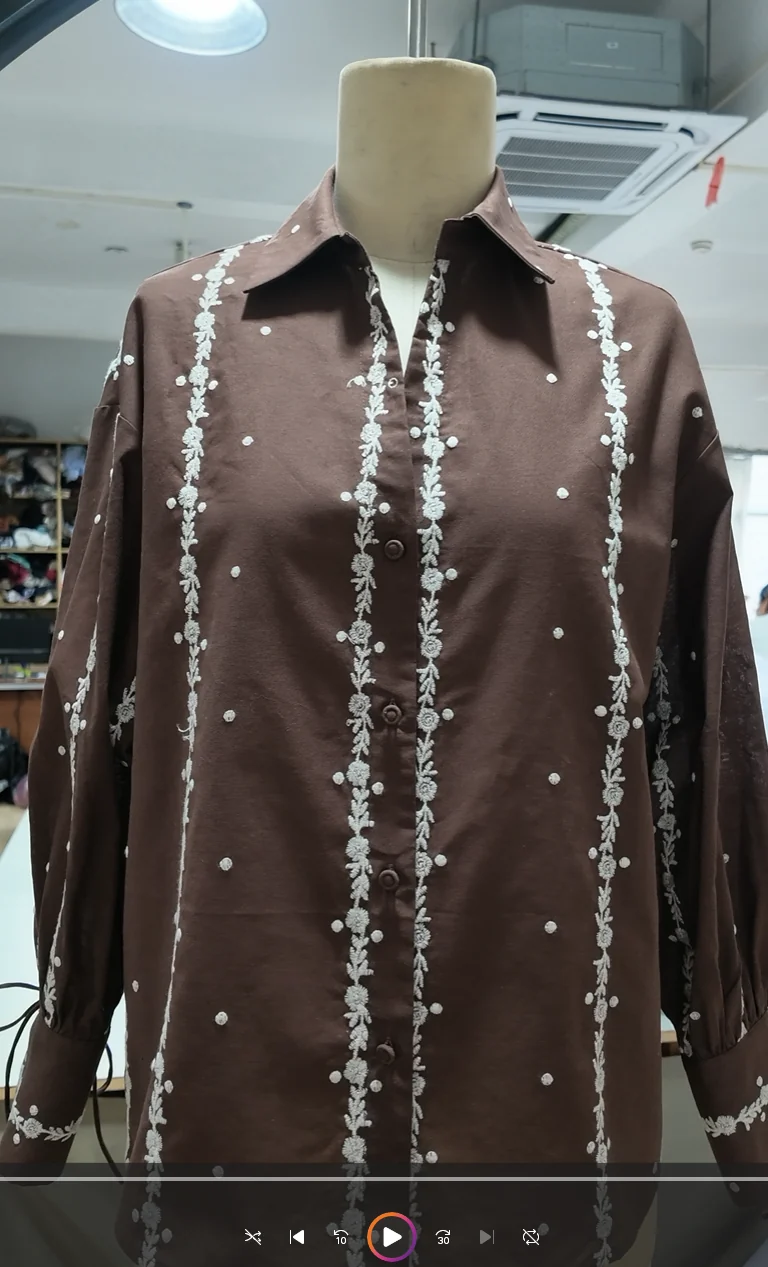
Separate the essential idea from the method used to achieve it. A sculptural sleeve may need a recognisable outline and movement, while its hidden support can change. A close-fitting dress may need a particular neckline but allow another fastening arrangement.
Write three lists: design essentials, wearer requirements and commercial boundaries. Include movement, coverage, care, target cost, quantity and delivery needs. Then mark what can change and who can approve that change. Do not let production quietly remove a defining feature simply because it is easier to sew.
Fabric sourcing should compare touch and fabric drape alongside the silhouette. A stable material can hold a shape while changing the product’s character. Pattern making can redistribute volume while altering proportion. Review those effects against the customer brief before deciding which route deserves a complete sample.
Test the Difficult Detail First
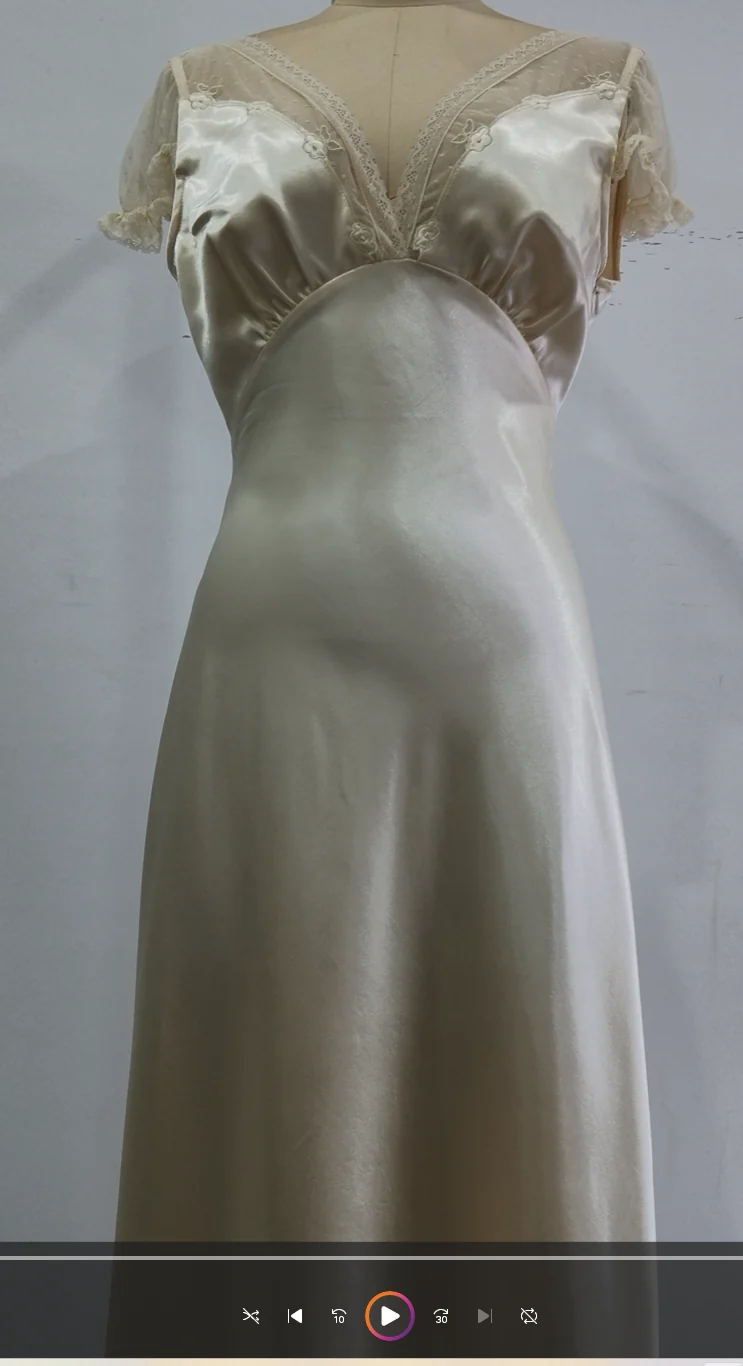
Use a seam strip, partial bodice, fastening trial or decoration sample when it can answer the uncertainty. Identify the material, method and success criterion for each option. Change one main variable where practical, so the result helps explain what worked.
For example, compare two support arrangements for an exaggerated sleeve, then assess shape, visible edges, flexibility and pressure against the body. This is an illustrative development exercise, not a documented Shengfu customer case. A successful small trial supports the next stage; it does not prove the complete garment will work.
Seam finishes also need the intended material and handling conditions. Coats identifies several causes of seam puckering, including tension, feeding and fabric-related effects. Diagnose the actual symptom before prescribing a universal fix. Confirm specialist capability instead of assuming the equipment in a general factory photograph can perform your operation.
Make Each Sample Revision Answer a Question
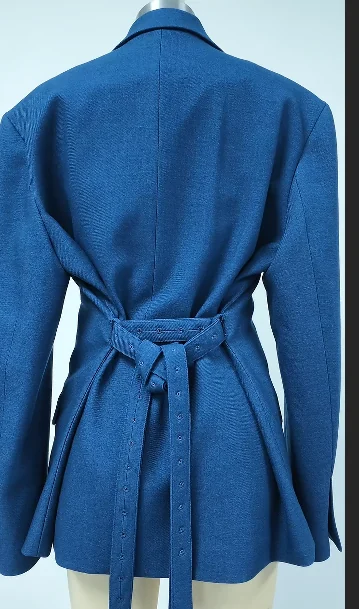
Clothing samples need version labels and a consolidated comment list. State what happened, where it happened and under which review conditions. “The neckline lifts when reaching” gives the team a useful observation; “make it more premium” leaves the problem undefined.
Record the proposed change, the success criterion and the decision after review. Use photographs with location marks, an identified fit model and agreed dress fitting movements. Resolve conflicting feedback before the next sample starts. A person should own each approval rather than letting an email chain become the specification.
Stop and reconsider when another trial has no clear hypothesis, when changes remove the customer benefit, or when the workable version exceeds the agreed boundaries. There is no universal number of sample rounds that establishes progress.
Prove the Result Can Be Repeated
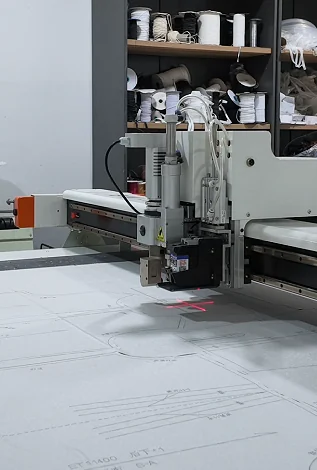
Fashion product development continues after a promising sample. An individual maker may achieve a detail through adjustments that are difficult to repeat. Ask how the intended method will guide clothing production, which measurements are critical and what material consistency the method needs.
Update the tech pack with the approved materials, construction and revisions; Techpacker explains its specification role. Review relevant sizes through a pattern grading and size-sample plan. Specify checks for the difficult feature at an appropriate production stage, rather than expecting a final inspection to discover every problem in time.
Bring Shengfu your original design, previous trials, the stated constraint and a list of essential features. Ask for a feasibility proposal covering options, fees, responsibilities, sample scope and approval gates. Confirm the services available for your actual project.
| Release gate | Required decision |
|---|---|
| Design and wear | Identified complete sample meets essential fit and movement needs. |
| Materials | Actual production materials and permitted substitutions are defined. |
| Method | Critical garment construction has a documented, repeatable route. |
| Commercial | Quotation and timetable reflect the approved version. |
FAQ
How to make clothing samples when one detail keeps failing?
Start with a focused trial for that detail, then review a complete garment. Record the material and method for each version, the observed problem and what the next trial must demonstrate.
How to choose fabric for clothing with a sculptural shape?
Compare structure, drape, weight, recovery and comfort in the actual construction. Review internal support and pattern options too; a swatch alone cannot approve the complete silhouette.
What is a tech pack used for during difficult development?
It keeps current drawings, materials, measurements, construction notes and revisions together. Update it after each approved change so sampling and production use the same version.
What is a pre production sample in this process?
It is the identified reference reviewed before bulk production under the agreed project process. Confirm whether it represents the intended materials, construction and finishing, and list any exceptions before approval.
How to choose a clothing manufacturer for a difficult design?
Compare relevant samples, the explanation of constraints, the proposed tests and who takes responsibility. A quick promise is weaker evidence than a clear, feasible development plan.
References and Further Reading
Technical and development sources:
- Design Council — Framework for Innovation
- Coats — Eliminating Seam Puckering
- Techpacker — What Is a Tech Pack?
- Intertek — Textile and Apparel Inspection
Related Shengfu guides:
- From Sketch to First Sample: A Reference Photo Is Only the Start
- “Make It Better” Is Not a Clothing Sample Revision Brief
- What Happens to a Rejected Clothing Sample?
- Fewer Details, More Focus on Fit: Developing Minimal Garments
- Three Clothing Samples: Which One Should You Approve for Production?
- A 100-Piece First Order: How Detailed Should Your Tech Pack Be?
- How Many Pieces of Fabric Make Up a Dress?
- From One Sample to 1,000 Garments: Consistency Is the Real Test





