
Article summary: Start with the shared product brief, name the specific concern and compare options against the same criteria. The brand defines what the customer must receive; the supplier explains the method and conditions it can deliver. Record the agreed version before production.
Jump to:
- Use One Product Brief for Both Sides of the Discussion
- Turn a General Objection into a Question You Can Test
- Compare Alternatives on the Same Criteria
- Agree Who Decides and What Happens Next
- Ask Shengfu to Assess a Defined Disagreement
- FAQ
- References and Further Reading
Use One Product Brief for Both Sides of the Discussion
Apparel sourcing becomes difficult when the brand argues for visual identity while the factory argues for a production method, without either defining the same decision. Write the intended customer, use, design priorities, quantity and commercial constraints first. Then identify the specific disagreement.
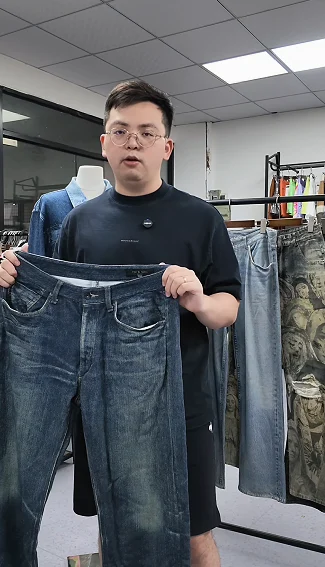
The brand should explain the feature the customer values. The garment manufacturer should explain the concern and the conditions of its proposed method. Neither “the customer will love it” nor “this is easier” proves that the complete product meets the brief. A practical discussion keeps appearance, wear and delivery requirements together.
An illustrative response is: “The neckline shape is a priority. Please investigate support underneath it before proposing a visible change.” This is example wording, not a customer testimonial or a report of a Shengfu production trial.
Turn a General Objection into a Question You Can Test
Ask clothing suppliers to separate product behaviour from limitations in their own process. A concern about movement needs different evidence from a concern about operation time. Define where the problem appears, which sample version shows it and how it would affect the order.
Coats explains that seam puckering can have different material and sewing causes. The same visible symptom can therefore support different investigations. Request evidence before choosing a material change or removing a design detail.
| Concern | Question for the supplier | Buyer decision |
|---|---|---|
| Fit or movement | When and where does the problem appear? | Does the garment serve the intended wearer and occasion? |
| Repeatability | Which operation needs improvised corrections? | What trial would establish a workable method? |
| Cost | Which material or operation changes the quote? | Is the design feature worth the identified cost? |
| Timing | Which approval or process affects the plan? | Can the launch requirement and development scope still align? |
Higher cost is a trade-off to assess, not an automatic reason to simplify. A capability limitation is also worth stating honestly; it does not establish that no other supplier can make the garment.
Compare Alternatives on the Same Criteria
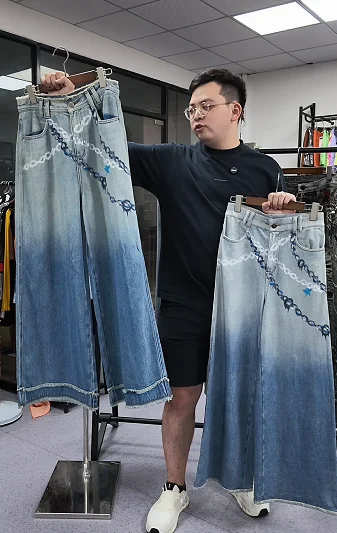
Ask the clothing sample maker for focused alternatives that protect the brief. Pattern making, internal support, fabric sourcing or a different garment construction may offer routes, depending on the cause. Identify the changed variable and agree the trial scope, cost and timing before proceeding.
Use comparable clothing samples where a complete garment is needed. Keep fabric, size and unrelated details consistent where possible. Review appearance, movement, comfort, operations and commercial scope together. If more than one variable changes, record the limitation when interpreting the result.
A useful comparison says what each option achieves and what remains unresolved. Avoid declaring a winner because one photograph looks better. A local sewing trial cannot settle whole-garment fit, and one complete sample cannot prove the consistency of an entire order.
Agree Who Decides and What Happens Next
The brand authorises its product priorities and buying decision; the supplier must agree the deliverable and explain the conditions it can execute. Confirm the actual project responsibilities rather than assuming a job title settles every approval. If neither option meets the brief, request another approach or reconsider the supplier match.
Record the chosen version in the clothing tech pack. Techpacker describes the product information carried in a tech pack. Include the material references, measurements, method, decision date and outstanding conditions. A discussion message should not leave a different production instruction active.
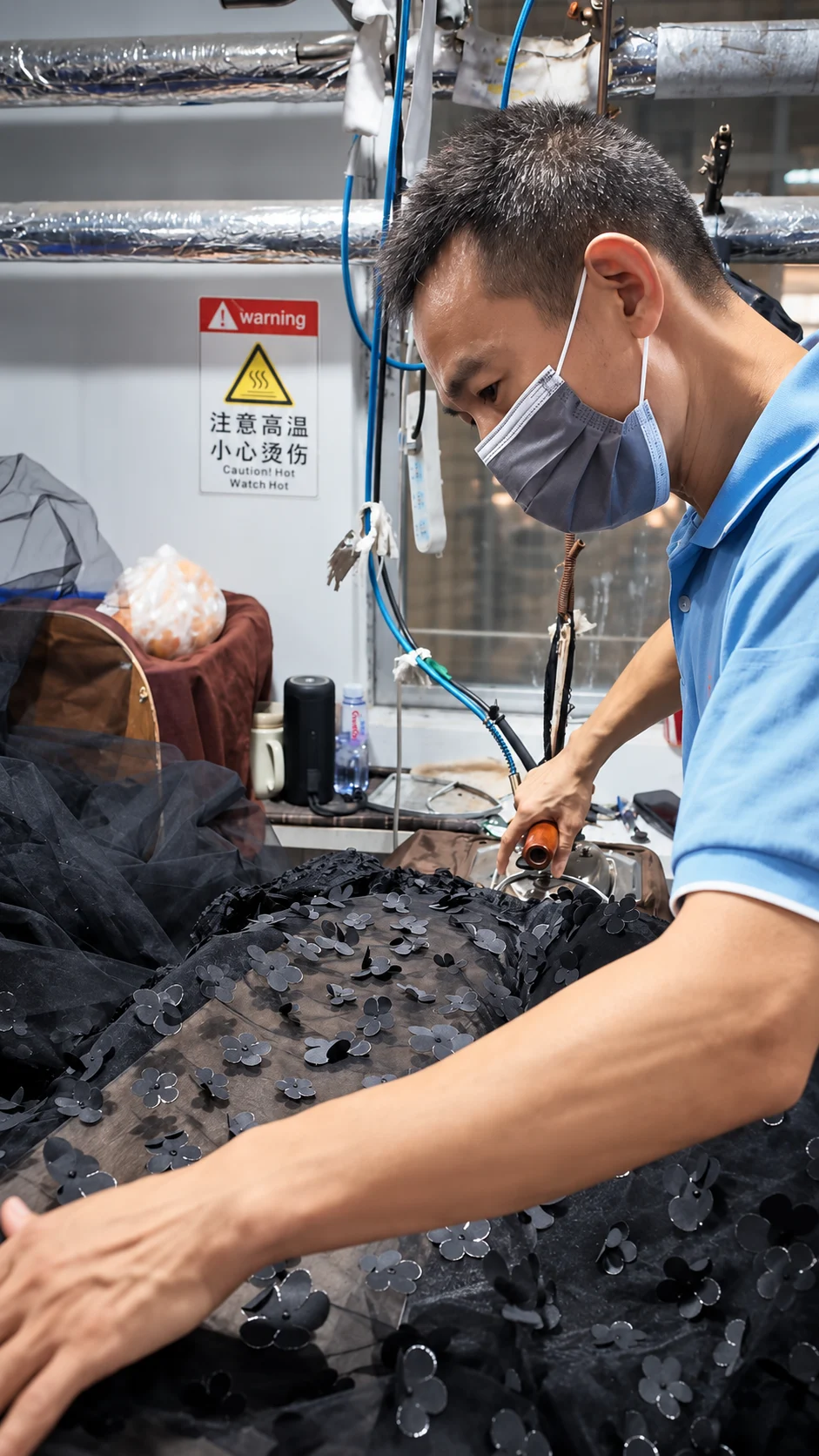
Apparel manufacturing needs checkpoints against that decision. Intertek describes checks before and during production and before shipment. Agree relevant responsibilities and the response to departures from the approved version. Private label clothing suppliers should include affected labels and packaging when a change reaches those items.
Ask Shengfu to Assess a Defined Disagreement
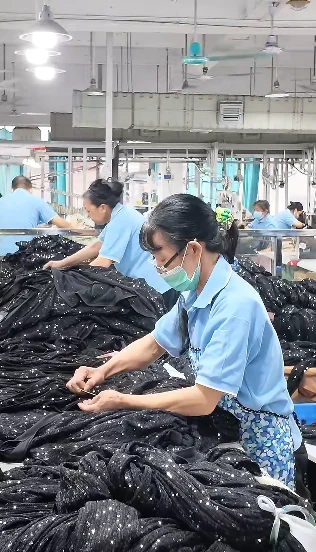
Send Shengfu the brief, current sample reference, material preferences, quantities and budget. State what must stay and what evidence you need. Ask for feasible options and a sampling proposal, and confirm the development support available for your project.
Enquiry template: “We want to preserve [feature]. The current concern is [observed problem] in [version/conditions]. Please explain the cause you propose investigating, options that retain the brief, trial scope and any effect on price or timing. We will review the evidence before approving a version.”
Choose the next step by whether it resolves the actual uncertainty. Clear disagreement can be useful when it produces a testable question and an agreed instruction; unrecorded compromise leaves both parties guessing.
FAQ
Should I always follow a custom clothing manufacturer’s advice?
Assess its evidence, alternatives and commercial conditions against your brief. A suggestion deserves evaluation; it does not automatically become approval to change the garment.
What should a clothing production company do when the brand rejects a change?
Clarify the concern, explain feasible alternatives and record unresolved conditions. Both parties need an agreed deliverable before the affected production work is released.
How should cut and sew clothing manufacturers explain extra handwork?
Identify the method, required result and commercial effect. Handwork may be appropriate, but an undefined correction repeated differently by each operator needs further development.
Can a garment sample maker settle a disagreement with one small trial?
Sometimes, if the uncertainty is local and the trial represents the proposed method. Fit, movement or connected material changes may need a complete sample or additional review.
What should I send womens clothing manufacturers when a dress detail is disputed?
Share the current version, material, wearer or movement observations, design priority, quantities and budget. Ask what evidence would support the next decision.
References and Further Reading
Technical and development sources:
- Coats — Eliminating Seam Puckering
- Techpacker — What Is a Tech Pack?
- Intertek — Textile and Apparel Inspection
Related Shengfu guides:
- “Make It Better” Is Not a Clothing Sample Revision Brief
- From “We Can’t Make It” to a Workable Garment: A Development Plan
- A Good Clothing Design Is Only the Start of a Good Product
- Beyond Sewing: Define What Your Clothing Manufacturing Partner Owns
- Three Clothing Samples: Which One Should You Approve for Production?
- From One Sample to 1,000 Garments: Consistency Is the Real Test
- Client or Designer? Choose an Autumn Style with Customer Evidence
- Don’t Copy a Bestseller: Fashion Market Research That Starts With Customers





