
Article summary: For your own dress collection, shortlist suppliers by product and order fit. Shengfu and H&Fourwing are enquiry candidates based on their published services, not independently audited recommendations. Confirm capability, samples and commercial terms for your actual garment.
Jump to:
- Define the Dress and Buying Model Before the Shortlist
- Treat Published Services as Enquiry Evidence
- Test the Difficult Details in Representative Samples
- Compare Full Quotation and Delivery Scope
- Send a Defined Dress Enquiry to Shengfu
- FAQ
- References and Further Reading
Define the Dress and Buying Model Before the Shortlist
A dress manufacturer should be assessed against the garment you want to buy. Define the dress category, customer, destination, materials, size range, quantities and required arrival date. A soft jersey style and a lined, structured occasion dress can require different development and production methods.
If you need wholesale dresses that already exist, ask wholesale dress suppliers about current stock, size packs and reorder availability. If you are developing a collection, shortlist suppliers offering the necessary custom work. Do not assume an original-development factory holds ready-made inventory.
Reference photographs are useful, but add priorities such as movement, lining, closure, fabric behaviour and finishing. Tell clothing suppliers what must stay and what is open to investigation. Send the same brief so different proposals can be compared.
Treat Published Services as Enquiry Evidence
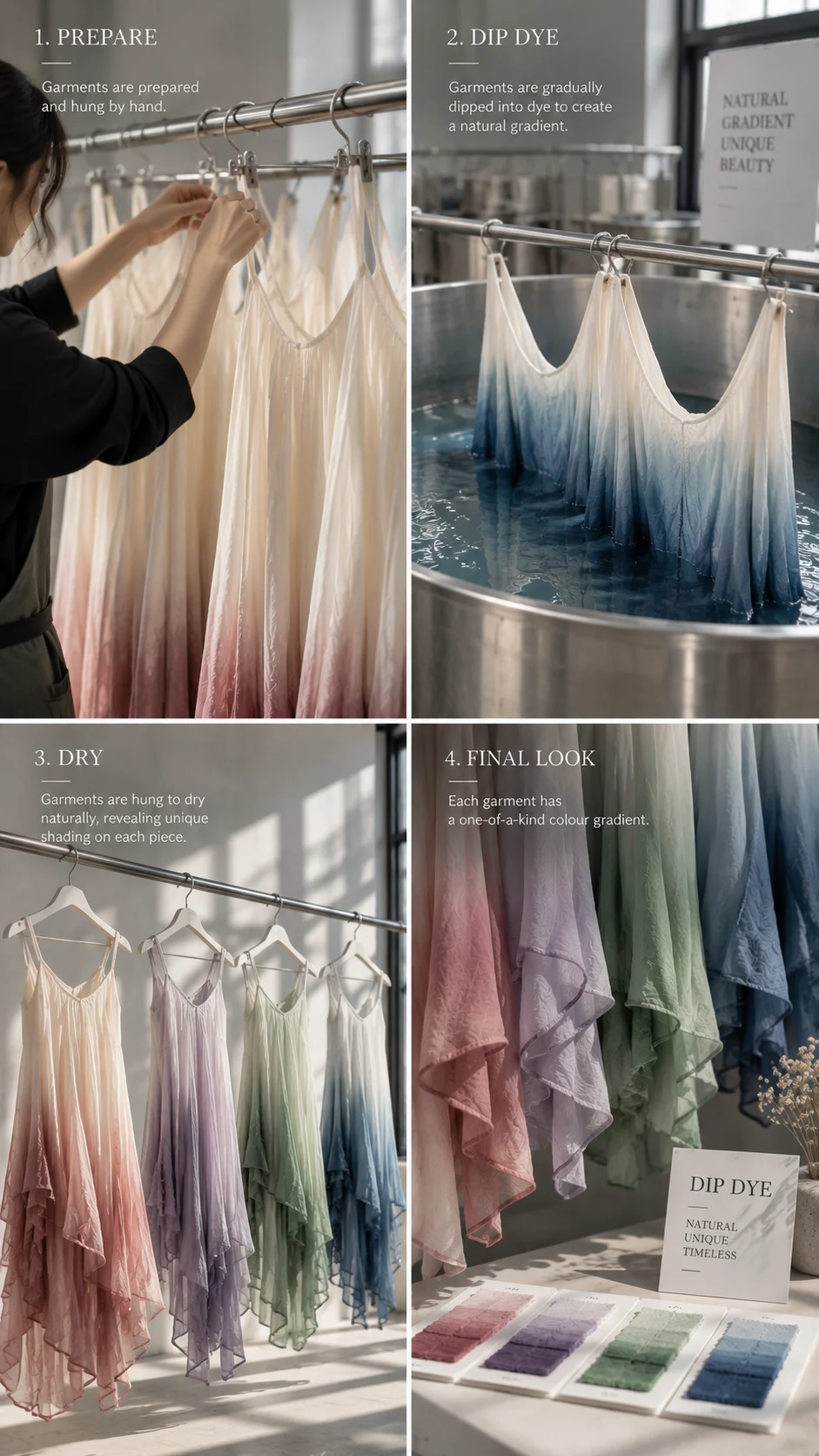
The following two dress manufacturers are relevant candidates to contact for custom development. Their official pages were checked on 13 October 2026. This comparison is not an independent manufacturing audit, customer testimonial or report of firsthand orders.
| Candidate | What its official site presents | What to verify for your project |
|---|---|---|
| Shengfu Textile | Custom clothing and womenswear production with development and sampling services | Relevant dress work, proposed materials, minimums, sample scope and available capacity |
| H&Fourwing | Dress development including bias-cut, structured, embellished and placement-print styles | Comparable sample evidence, construction method, project minimums and quote scope |
Published services explain why a conversation may be worthwhile. They do not show how either company will perform on your order. Ask who contracts, where production occurs and which operations are subcontracted. Keep the same evidence standard for every candidate, including Shengfu.
Test the Difficult Details in Representative Samples
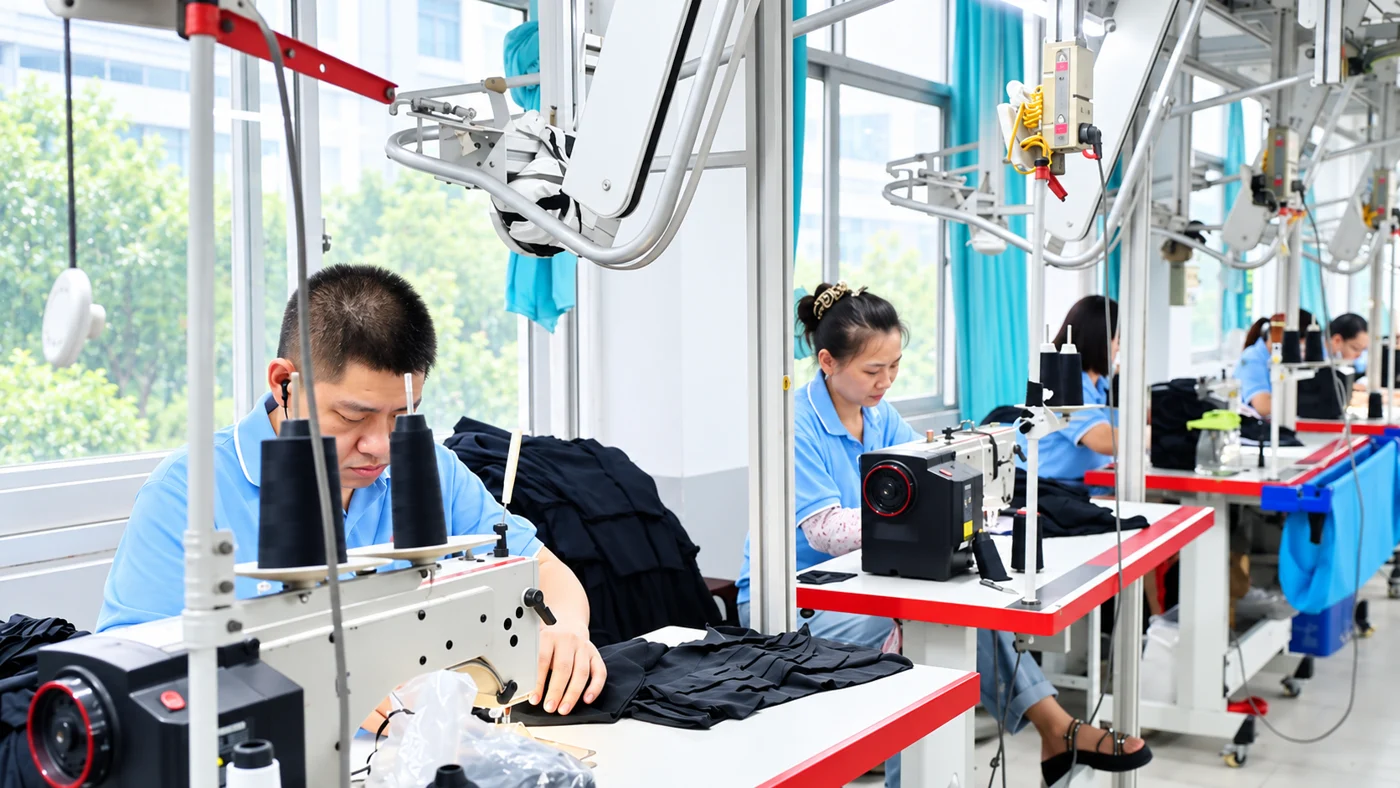
Ask the garment manufacturer to explain the most difficult construction or material issue in your brief. Fabric sourcing, lining, support, seam finishes and closures can change both appearance and production scope. Request relevant work that the supplier is authorised to share, then agree your own sample objectives.
Review clothing samples against measurements, movement and internal construction. Identify the material and version, especially when a substitute is used. A polished display piece is not automatically evidence that the same method will work at your quantity or across your size range.
QIMA describes manufacturing assessments of facilities, capacity and quality systems. For a substantial or technically demanding project, an appropriately scoped assessment can complement product sampling. It does not replace garment-specific trials or ongoing production checks.
Compare Full Quotation and Delivery Scope
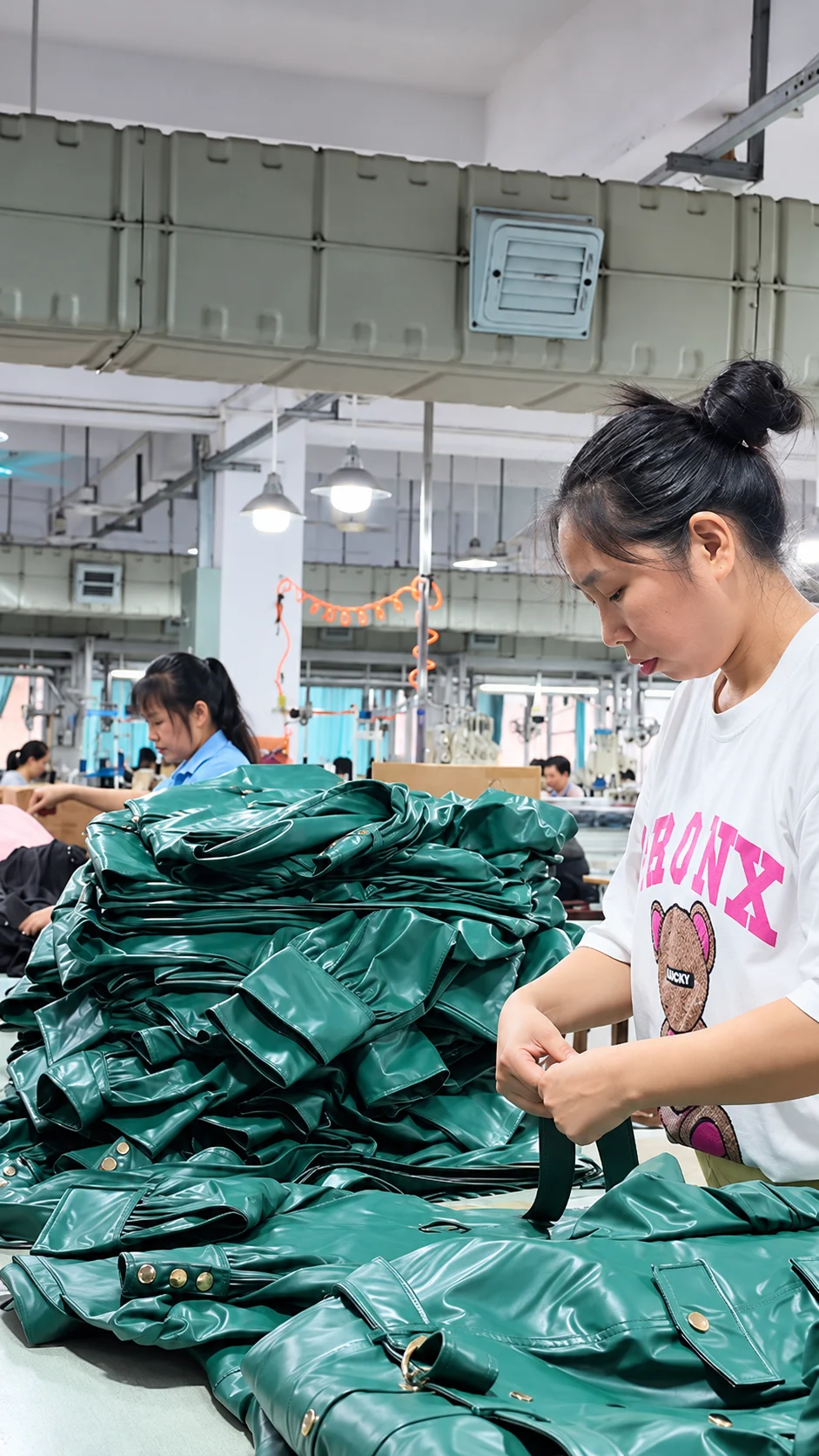
Ask what the proposed price includes: materials, development, revisions, labels, packaging, inspection and delivery scope. Private label clothing suppliers should identify the branding components and approvals in their offer. Apparel manufacturing costs need the same specification and quantity basis before comparison.
ICC describes Incoterms rules as allocating costs, risks and obligations between buyer and seller. Agree the rule, named place and version with the supplier and freight adviser. A delivery rule does not establish garment quality or settle the sample specification.
Separate sample approval, production completion, carrier handover and warehouse arrival. Review destination requirements with the relevant import specialist before approving labels and shipment. Do not use a supplier’s general lead-time statement as a confirmed launch date.
Send a Defined Dress Enquiry to Shengfu
Send your dress references, customer and market, material preferences, quantities by size and colour, budget basis and required warehouse date. Ask Shengfu for a project-specific capability discussion and sampling proposal before committing to development.
Enquiry template: “We are developing [dress type] for [market]. Our priority is [fit/material/detail]. Please assess [quantity breakdown] and advise on suitable materials, sample objectives, minimum commitments, production controls and quotation scope. Required warehouse arrival is [date].”
Choose the next step by the evidence received. A manageable first order can be useful if it represents the materials, construction and size range you intend to reorder. Define what the trial should establish and record the conditions still unresolved.
FAQ
How do I compare clothing manufacturers in China for a dress collection?
Give each candidate the same category, material, size range, quantity and destination brief. Compare relevant sample work, construction explanations, business responsibility and complete quotation scope.
Are these custom clothing manufacturer recommendations independently verified?
No. They are enquiry candidates based on official service descriptions, not independent audits or firsthand order results. Assess the supplier and product for your project before buying.
What should I ask a low MOQ clothing manufacturer about dresses?
Ask how the minimum applies across styles, colours and sizes, and whether fabric, trim or decoration purchases create separate commitments. Confirm the complete project spend.
What should womens clothing manufacturers show before I approve a dress sample?
Request the actual material and sample version, measurements, internal construction and relevant movement or fit observations. Record any substitutions and remaining decisions.
How should cut and sew clothing manufacturers plan a first dress order?
Agree a representative sample and size scope, materials, acceptance criteria, approval responsibilities and production checks. Connect the plan with a realistic delivery scope rather than an unconfirmed launch promise.
References and Further Reading
Technical and development sources:
- Shengfu Textile — Custom Clothing
- H&Fourwing — Dress Manufacturing
- QIMA — Manufacturing Audits
- ICC — Incoterms 2020
Related Shengfu guides:
- How to Choose a Custom Dress Manufacturer for Your Brand
- Five Questions to Ask a Custom Clothing Manufacturer Before Ordering
- Love the Sample? Check Whether the Factory Can Repeat It
- From Sketch to First Sample: A Reference Photo Is Only the Start
- The Biggest Garment Cost May Not Be the Fabric
- A Million Views Does Not Make a Dress Ready for Production
- Payment Security: How to Pay Clothing Manufacturers Safely
- Three Clothing Samples: Which One Should You Approve for Production?





