
Article summary: Useful sample feedback identifies the problem, its location and the result you want. Attach evidence, state constraints and ask for a technical proposal where the cause is unclear. Consolidate decisions into one versioned revision record.
Jump to:
- Give the Team a Clear Direction
- Turn Vague Comments into Actionable Feedback
- Measure and Photograph the Issue Consistently
- Use This Sample Revision Template
- Keep One Clear Decision Record
- Send Shengfu a Prioritised Revision Brief
- FAQ
- References and Further Reading
Give the Team a Clear Direction
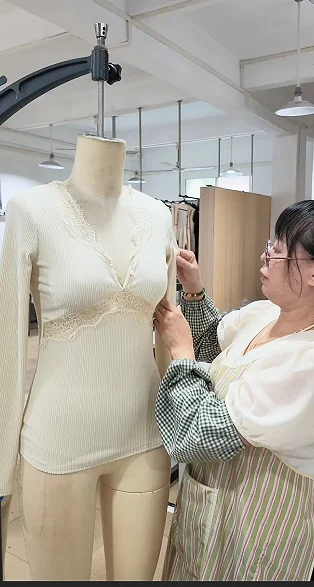
Fit comments such as “make it better” leave the clothing sample maker guessing. Better could mean a closer waist, softer fabric drape, more structure or a cleaner seam. Start with what you notice and the result you need; you do not have to diagnose the pattern yourself.
Clothing samples support a decision when they are connected to the current brief. Identify the style, sample version, size, material and review date. A dress fitting on a different model or with different undergarments may produce a different observation, so record relevant review conditions.
The Design Council framework supports visual communication, collaboration and iteration. In garment development, marked photographs and an agreed revision list make those principles practical.
Turn Vague Comments into Actionable Feedback
| Vague comment | More useful feedback | Confirm before changing |
|---|---|---|
| Improve the fit. | The waist feels loose on our fit model in photo 1; please suggest a revision that keeps sitting comfortable. | Model, current measurements and desired ease. |
| Use a better fabric. | The skirt feels stiff; propose softer drape with similar coverage and target cost. | Fabric article, sample alternatives and price implications. |
| Lower the neckline. | Lower the centre-front point 2 cm from this sample, keeping shoulder points unchanged; review the curve and coverage. | Reference points, measuring direction and physical trial. |
| Make it more premium. | The visible seam finish is untidy; propose a cleaner finish and explain changes in bulk and cost. | Agreed seam appearance and construction options. |
These are illustrative comments, not universal alteration instructions. “2 cm smaller at the waist” could refer to a full circumference or a flat measurement. Explain which one you mean. Do not invent a number when you only know where the garment feels uncomfortable.
Measure and Photograph the Issue Consistently
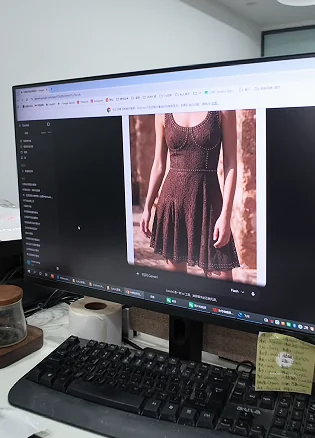
Use the agreed dress measurements and measuring method. Record the target, observed sample value and applicable tolerance separately. A photograph shows location; a measurement establishes a dimension. Neither alone proves the cause of a fit problem.
Techpacker’s fit template compares sample measurements against specification values and tolerances. The same principle works in a clear spreadsheet: identify the point of measure and keep observations beside the requested action.
A seam allowance is a construction dimension, not a wearer’s ease allowance. Avoid telling the factory to remove seam allowance to make a garment tighter. Ask the pattern maker to assess shaping, fabric behaviour and movement together.
Take front, back, side and detail photographs under comparable conditions. If the garment rides up while walking, describe that movement or provide a short clip. Show both the intended wearing position and the point where the issue appears.
Use This Sample Revision Template
| Field | What to record |
|---|---|
| Reference | Style, version, size, material and review date. |
| Observation | Where and when the problem occurs. |
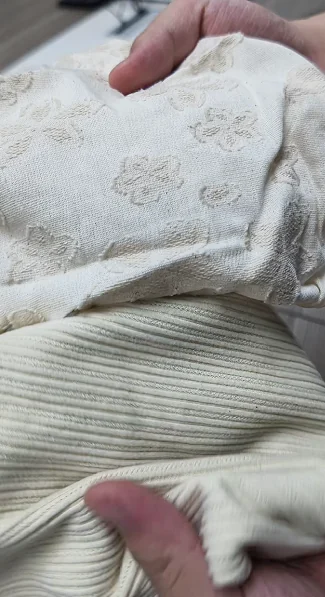
| Evidence | Numbered photo, measured value or physical swatch. |
| Target | Desired appearance, comfort or function. |
| Constraints | Details to retain, cost target and priority. |
| Next step | Technical proposal, swatch review or revised sample. |
Copy-ready example: “Style [number], version [number], size [size]: the skirt feels stiff in photo [number]. We need softer drape while retaining coverage and the approved silhouette. Please propose fabric or finishing options and confirm the price and timing implications before making the next sample.”
Keep fit, material and garment construction comments separate when they require different decisions. A changed fabric can affect fit, so identify any comments that depend on approving the new material first.
Keep One Clear Decision Record
Resolve conflicting feedback before sending it. “Narrow the lettering” and “increase its spacing” may conflict within a fixed logo width; “tighten the waist” and “increase seated comfort” require a joint discussion. Specify the priority and let the specialist propose a workable solution.
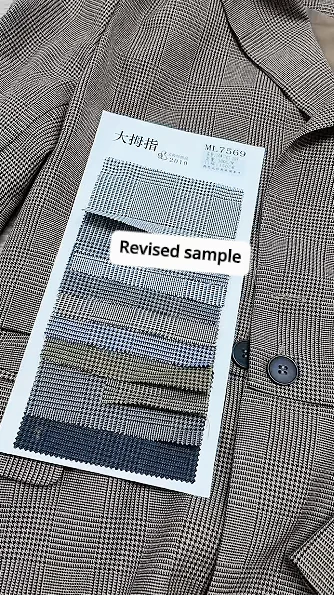
Separate a correction to the agreed specification from a new preference. Confirm scope, costs and timing for both. Update the tech pack and revision log after a decision. Pattern making changes and pattern grading implications belong in that controlled record.
Review the next version against the agreed comments, including nearby areas affected by the change. Mark each issue resolved, still open or superseded. An attractive revised sample is not automatically approved for bulk production.
Send Shengfu a Prioritised Revision Brief
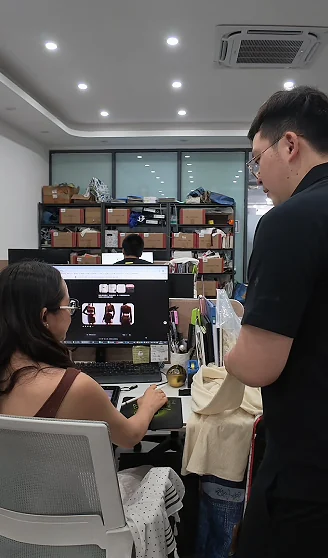
Share sample photographs, the current specification and one consolidated feedback list. Ask Shengfu to review the likely causes and propose the next sample scope. Confirm the material references, charges, timing and approval criteria for your project.
The useful outcome is a shared understanding of the problem, the proposed change and how the next review will judge it. A precise brief supports that conversation without pretending that a buyer must solve every technical issue.
FAQ
How to fix a gaping neckline during sample development?
Show where it gapes and during which movement. Confirm the intended position, fabric and wearer reference, then ask the pattern maker to review the neckline, shoulders, bust shaping and support. Compare a revised physical sample; one alteration cannot solve every cause.
How to measure a dress for fit comments?
Use the agreed specification points and methods, lay or position the garment as instructed, record units and state whether a width is flat or a circumference. Compare actual measurements with targets and tolerances rather than measuring an unlabelled photo.
How to alter a dress without changing the design identity?
Identify the problem and the details that must remain. Ask for targeted pattern or construction options, review their effects on nearby areas and approve a physical trial before updating production instructions.
How to take body measurements for a fit review?
Follow consistent measurement definitions and record the relevant fit-model measurements separately from finished-garment dimensions. Use the same reference conditions between rounds. The garment also needs its intended ease and material behaviour considered.
How to make clothing samples more useful for revisions?
Label the version, collect consistent photographs and measurements, consolidate comments and define the next approval criteria. Keep the revised specification and sample together so the team reviews the same decision record.
References and Further Reading
Technical sources support the guidance above; they do not certify or endorse Shengfu or verify project-specific capabilities.
- Techpacker — Fit-template measurements and comments
- Design Council — Framework for Innovation
- ISO 8559-1 — Body-measurement definitions
Related Shengfu guides:
- What Happens to a Rejected Clothing Sample?
- A 100-Piece First Order: How Detailed Should Your Tech Pack Be?
- From Sketch to First Sample: A Reference Photo Is Only the Start
- A Million Views Does Not Make a Dress Ready for Production
- Dress Length vs Dress Fit: How to Measure a Dress Correctly
- How to Measure Shoulder Width: A Garment Factory Guide
- French Seams, Bound Seams or Overlock? Spend Where It Matters
- From One Sample to 1,000 Garments: Consistency Is the Real Test





