
Article summary: Compare a defined garment and order scope before comparing prices. Record assumptions, separate charges, delivery responsibilities, quality evidence and approval dependencies so the cheaper quote describes a product you actually want.
Jump to:
- Make Both Quotes Describe the Same Garment
- Normalise Inclusions and Separate Charges
- Compare Delivery Responsibilities and Dependencies
- Score Evidence Rather Than Promises
- Send One Clarification Round Before Negotiating
- FAQ
- References and Further Reading
Make Both Quotes Describe the Same Garment
Apparel sourcing becomes expensive when buyers compare numbers that describe different deliverables. One supplier may include lining, branded trims and individual packing; another may assume a simpler garment. A photograph rarely defines those differences.
Send one current brief to the shortlisted clothing suppliers and ask them to list assumptions and substitutions. Match fabric, composition, weight, colour, size breakdown, construction, decoration and finishing. Identify which samples or material references accompany the quotation. Techpacker’s specification guide explains how a tech pack organises production information.
Keep alternate proposals on separate lines. A cheaper fabric can be a useful option, but it should not silently replace the approved fabric in the base comparison. Fabric sourcing is a product decision because changes can affect drape, coverage, care and fit.
Normalise Inclusions and Separate Charges
| Comparison row | What to record |
|---|---|
| Product and quantity | Style, material, colours, sizes and minimum order quantity. |
| Development | Sampling, revisions, patterns and separate fees. |
| Production | Construction, finishing, trims, labels and packing. |
| Verification | Agreed testing, inspection and who pays. |
| Delivery | Rule, named place, currency, quotation validity and excluded costs. |
| Payment | Milestones, due dates and approval conditions. |
For an illustrative arithmetic example, one quote is $18 per garment plus $1 packing and $2 freight, while another is $20 including the same items. Under that simplified scope, the comparison is $21 versus $20. These are invented figures, not Shengfu prices or a market benchmark. Duties, taxes or other charges are outside that example.
Build landed cost using the expenses that apply to your actual route, without adding an item twice. Keep estimated expenses separate from supplier-confirmed charges and identify who will validate the remaining figures.
Compare Delivery Responsibilities and Dependencies
A lead time needs a start point. Ask whether it runs from deposit, material confirmation, approved sample or another release condition. Request separate development, material, production and transit milestones instead of one unexplained delivery promise.
Where the quotation uses Incoterms, record the rule, named place or port and version. ICC’s wallchart outlines how its rules allocate costs, obligations and risk. The trade term alone does not establish product quality, sample acceptance or your payment conditions; those need separate agreement.
Ask what happens if fabric arrives late or a sample is not approved. Production planning should identify the decisions that can change the delivery date and who updates the plan. Avoid interpreting a fast sewing estimate as a complete door-to-door schedule.
Score Evidence Rather Than Promises
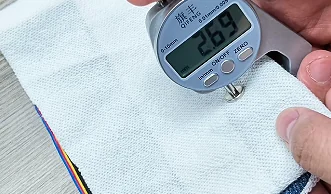
Supplier evaluation should compare relevant physical samples and the plan for maintaining their standard. Ask which approved sample, specification version and material references will guide garment manufacturing. Quality control needs critical details and agreed responses to deviations.
Intertek describes inspections at different production stages. Select checkpoints around your project risks: an early check may allow a correction that a shipment-stage review cannot. Agree who reviews a failed result, who proposes a correction and who approves any concession.
Use a supplier scorecard with your project priorities and evidence notes. Do not let a high total cancel a failed essential requirement, such as an unsuitable material or an unworkable delivery plan. A higher price does not prove better execution, and a lower price does not prove poor quality.
Send One Clarification Round Before Negotiating
Mark each quotation row as confirmed, assumed, excluded or awaiting evidence. Send unresolved questions to each supplier together, with a reference to the same brief version. Ask for a dated revision rather than relying on scattered messages to define the offer.
Then negotiate specific alternatives: a stock trim, another finish or a different quantity breakdown. Record what changes in the garment and which approval needs repeating. Compare total commitment as well as unit price; extra unwanted inventory can outweigh a lower price per piece.
Share your comparison sheet with Shengfu alongside the design, material requirements, order breakdown and target schedule. Ask for a project-specific proposal explaining scope, assumptions and approval milestones. Assess the explanation and samples together before selecting a supplier.
| Decision | Practical rule |
|---|---|
| Proceed | Essential product, quality and delivery requirements have supporting evidence. |
| Clarify | An assumption or excluded cost can materially change the comparison. |
| Request an alternative | A defined change may meet the brief at a workable cost. |
| Pause | A required capability or approval remains unresolved. |
FAQ
What is apparel sourcing beyond finding a low price?
It includes defining the required garment, selecting and assessing suppliers, confirming materials and commercial scope, and coordinating approvals so the order can meet the agreed brief.
How to choose a clothing manufacturer when quotes differ?
First equalise product and service assumptions. Then compare relevant samples, verification plans, delivery dependencies and the response to deviations. Evaluate essential requirements before scoring preferences.
How to find clothing manufacturers for a useful price comparison?
Shortlist suppliers with relevant product experience, send the same brief and ask for stated assumptions. A supplier directory or attractive photograph alone does not establish suitability.
What is a tech pack’s role in a quotation?
It communicates the production specification. Identify its version and ask the supplier to flag missing information or substitutions instead of silently filling gaps with different assumptions.
What is a pre production sample’s role in the purchase decision?
It provides an identified reference before bulk production under the agreed process. Confirm what it represents and close exceptions before treating it as the order standard.
References and Further Reading
Technical and development sources:
- Techpacker — What Is a Tech Pack?
- ICC — Incoterms 2020 Practical Wallchart
- Intertek — Textile and Apparel Inspection
Related Shengfu guides:
- Same Design, Different Prices: What Are the Factories Actually Quoting?
- The Biggest Garment Cost May Not Be the Fabric
- Five Questions to Ask a Custom Clothing Manufacturer Before Ordering
- Payment Security: How to Pay Clothing Manufacturers Safely
- What Should You Prepare Before Contacting an OEM Clothing Factory?
- Why Does a Lower MOQ Mean a Higher Unit Price?
- Startup and Established Brands: Ask Better Clothing Factory Questions
- From One Sample to 1,000 Garments: Consistency Is the Real Test





