
Summary
Keep the file concise, but make the product requirements clear. A 100-piece order still needs agreed materials, measurements, construction and approval references. Garment complexity determines technical detail; a small quantity does not make missing specifications harmless.
Jump to:
- What the First Tech Pack Must Explain
- Make Every Important Measurement Reproducible
- Sampling Brief and Production Approval Are Different
- What You Can Simplify for a First Order
- Check the Colour-and-Size Split Before Committing
- Send a Practical First-Order Brief to Shengfu
- FAQ
What the First Tech Pack Must Explain
A first order of 100 pieces still needs a clear definition of the garment. A simple top and a structured dress need different levels of explanation. Quantity affects the commercial discussion; construction complexity determines the information required to make and assess the product.
A clothing tech pack brings the technical drawing, materials, dimensions and manufacturing instructions together. A size chart or measurement sheet covers only part of this information. Techpacker’s tech-pack guide explains that broader purpose.
| Section | Minimum useful instruction |
|---|---|
| Style identity | Style code, revision date and version; one current file. |
| Views and details | Front and back technical drawing plus labelled detail views. |
| Bill of materials | Fabric and trim references, colour, relevant properties and approved substitutions if any. |
| Measurements | Units, sample size, point-of-measure method, ordered sizes and tolerances. |
| Garment construction | Seams, hems, lining, closures, artwork and special processes. |
| Branding and packing | Label details, placement and agreed packaging. |
| Order and approval | Quantity by colour and size, sample ID and outstanding decisions. |
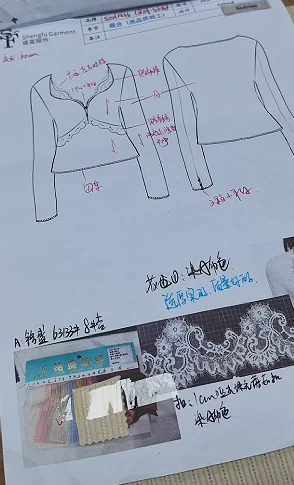
Make Every Important Measurement Reproducible
“Chest: 50 cm” is incomplete if one person means flat half-chest and another means circumference. State the measurement method, reference points, size, units and whether the garment is relaxed or extended. Use a labelled diagram wherever the position could be interpreted differently.
Agree tolerances appropriate to each critical measurement. One blanket tolerance may be unsuitable for both a narrow strap and a garment length. Record all ordered sizes before production; a 100-piece order spread over several sizes still needs an agreed size specification.
A reference garment helps communicate feel and fit, but list the requested differences. The factory should not have to infer which features you want to copy and which you want to change.
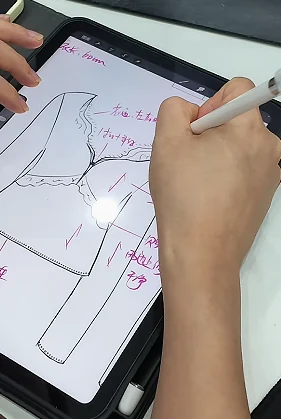
Sampling Brief and Production Approval Are Different
Before sampling, send the design, target fit, sample size, intended materials, estimated quantity and budget. Mark unresolved details as pending and ask who will propose and approve them. It is better to identify an open item than to invent a technical value you cannot assess.
Before bulk production, close critical decisions: final fabrics and trims, construction, measurements for ordered sizes, artwork, labels, packing and quantity breakdown. Reconcile the latest techpack with the approved physical sample.
Agree where production checks will occur. Intertek’s inspection overview distinguishes stages of garment inspection. Inspection can assess defined requirements; it cannot create missing product requirements on the buyer’s behalf.
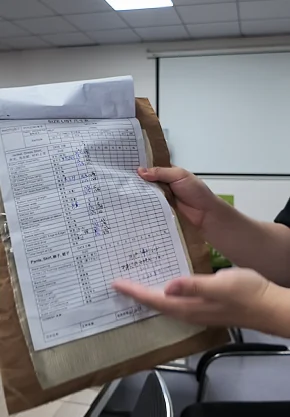
What You Can Simplify for a First Order
A spreadsheet and PDF with clear drawings can work. Remove unused colourways, sizes that will not be made and lengthy inspiration pages. A tech pack template is a starting structure, not a reason to fill irrelevant fields.
Keep the bill of materials specific enough to identify the chosen components. If you use a shared construction standard, name its version and confirm that both parties interpret it the same way. Link the sample approval and change log to the current file.
Clothing manufacturers for startups may offer development assistance, but confirm the service, price and responsibilities. A clothing manufacturer should identify assumptions in its quotation, including who supplies patterns and which revisions are included.
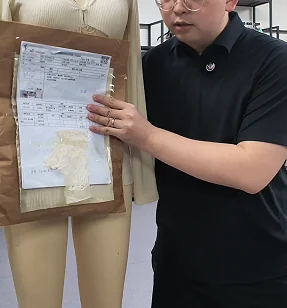
Check the Colour-and-Size Split Before Committing
The minimum order quantity may apply by style, colour, fabric or trim rather than simply to the total order. Ask small batch clothing manufacturers to review the actual split. A total of 100 units across several custom colours can create a different sourcing problem from 100 units in one available fabric.
Provide a table with ordered sizes across the top and colours down the side. Check totals and confirm whether spare materials, samples or replacement units are included. Agree the delivery target after the development and material-approval steps have been reviewed.
This article uses 100 pieces as a planning example. It does not establish Shengfu’s MOQ or promise that every style and colour split is feasible.
Send a Practical First-Order Brief to Shengfu
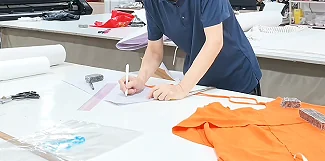
Share your current drawings, reference garment, target fit, size-and-colour split, budget and delivery target. Ask Shengfu for a feasibility review, material suggestions and a sampling quotation.
Request a list of missing decisions and the information needed before production. A useful brief lets the team explain options clearly while keeping final approvals with the agreed decision maker.
Frequently Asked Questions
What is a tech pack for a small first order?
It is the shared technical description of the garment, including design, materials, dimensions, construction and approval references. The content should match the product complexity rather than a fixed number of pages.
How to make a tech pack when some materials are undecided?
Include the known requirements and mark material choices as pending. State the desired feel and performance, ask for options and record who will approve the final references before production.
Does a tech pack for clothing need every size?
Before production it needs specifications for every size you will order. During an initial sample round, a defined sample size may be enough to start development, provided the remaining size work is explicitly pending.
Can a clothing tech pack template replace a technical designer?
A template organises information but cannot decide fit, material suitability or construction. Use it to communicate established decisions and get help for technical questions you cannot resolve.
What should I ask small batch clothing manufacturers before sending the brief?
Confirm style and per-colour feasibility, development support, sampling charges, revision scope and the information needed for a comparable quote. Send the actual quantity split rather than only the total.
Sources and Further Reading
Related Shengfu guides:





