
Article summary: Start with customer groups, wearing conditions and destination requirements. Keep common components where evidence supports them, and separately approve each necessary fit, material, label or packing variant.
Jump to:
- Define Customers and Wearing Situations
- Plan Fabric, Fit and Care Together
- Review Destination Requirements Before Label Artwork
- Share the Base; Approve Necessary Differences
- Use a Market-Version Release Checklist
- FAQ
- References and Further Reading
Define Customers and Wearing Situations
Clothing design for multiple countries begins with product requirements, rather than a flag beside a sketch. “For Europe” or “for the US” does not define a wearer, season, occasion or intended retail position. Customer groups within one country can need different products; groups in different countries may share important needs.
Create a brief for each intended group: wearer profile, occasion, expected conditions, desired coverage, movement, care routine and price position. Review retailer feedback and conversations with relevant customers. The Design Council framework puts understanding people before selecting solutions. Treat preferences as questions to investigate rather than assumptions about nationality.
For example, an outdoor travel dress and an indoor work dress may require different layering or opacity decisions even when sold in the same market. Record the evidence supporting a separate version before adding inventory complexity.
Plan Fabric, Fit and Care Together
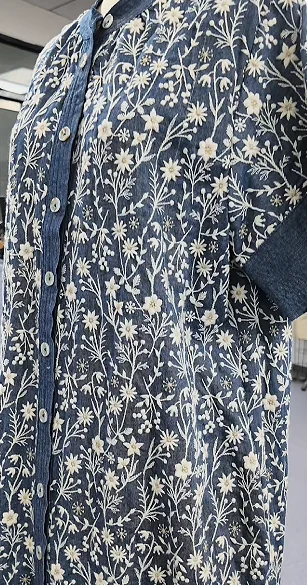
Fabric sourcing should translate the use brief into material requirements. Compare fabric composition, fabric weight, fabric drape, opacity, stretch and recovery on actual samples. Include lining, support and decoration. A lighter fabric may change coverage, while a softer one can alter how the garment hangs.
Use a clothing size chart to communicate the chosen size system, with a distinction between body measurements and finished-garment dimensions. An international size chart helps explain labels; it cannot prove one pattern fits every customer. Agree the fit profile and representative wearers, then review relevant sizes through pattern grading and wear checks.
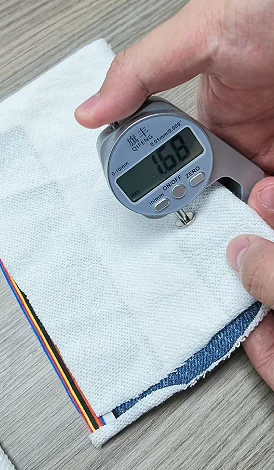
Define fabric testing around the product risks and intended care. A thickness reading, a touch assessment and a fabric-weight result answer different questions. The measurement photograph here shows thickness, not a GSM test. Select evidence that matches the requirement rather than treating any instrument reading as proof of suitability.
Review Destination Requirements Before Label Artwork
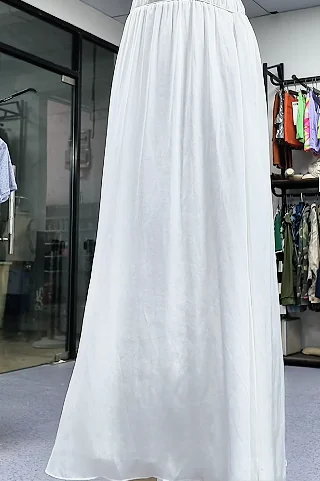
Make a destination and product-category list before finalising materials, care labels and packaging. Assign an importer, buyer or qualified adviser to confirm applicable safety, chemical, labelling and customer-information requirements. The review depends on the actual product and destination.
As a US example, FTC guidance describes fibre content, origin and business-identification information for most textile products, alongside care-labelling guidance. This is a starting point for the destination review, not a complete approval for every garment or every country.
Keep garment labels and online descriptions aligned with the approved materials and care evidence. Check translations for meaning, composition terms, units and the version the customer will receive. Reserve space and a suitable attachment method for clothing care labels before the final sewing plan. Send artwork for review with the intended product version attached.
Share the Base; Approve Necessary Differences
| Potential shared element | Reason to review a variant | Record needed |
|---|---|---|
| Design identity | A different use or coverage requirement. | Approved drawing and customer brief. |
| Base construction | A verified fit or length need. | Pattern code, finished measurements and sample. |
| Material purchase | Climate, care or buyer requirements. | Material reference and relevant results. |
| Packaging plan | Destination or retailer information. | Label artwork, SKU and packing instruction. |
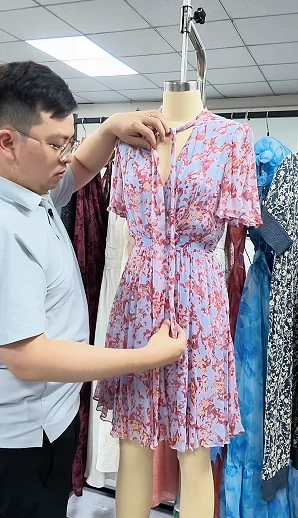
Do not create a version simply because a new country is added to the sales plan. Ask whether clearer size guidance, styling information or one length option addresses the need. Equally, do not force a common pattern where representative fit reviews show a material difference.
Give each approved variant a unique code. Keep the relationship between common components and separate instructions explicit. Production planning needs quantities by version, size and colour, plus material minimums and approval deadlines. A shared fabric purchase does not mean the packing team can interchange labels.
Use a Market-Version Release Checklist
Before release, verify that each SKU points to the correct sample, material, size specification, label artwork and packing instruction. Have a second reviewer compare the buyer-facing size guide and product description with the physical sample and approval record.
Use a tech pack for the shared base and controlled version-specific pages where practical. Techpacker describes the information held in a tech pack. Name who approves design, fit, material, destination information and packing. Mark unresolved items so a provisional label or sample cannot be mistaken for the released version.
Send Shengfu your customer briefs, destinations, quantities, materials, size range and proposed variants. Request a sampling and version-control proposal, including which decisions need importer or buyer approval. Confirm capabilities and responsibilities before committing to production.
| Check | Evidence to retain |
|---|---|
| Customer | A stated need supports each separate version. |
| Wear | Fit, movement, coverage and material reviews match the target group. |
| Information | Approved labels and descriptions match the actual garment. |
| Execution | SKU, quantity and packing references distinguish the versions. |
FAQ
Which clothing label requirements should a multi-market brief contain?
List the destinations, product category, fibre composition, origin information, responsible business details and proposed care instructions for qualified destination review. Keep approved artwork by version; one generic label is not proof of universal compliance.
Can international clothing sizes replace a fit review?
No. A conversion explains a size label, while fit depends on body proportions, garment dimensions, intended ease and the material. Review representative wearers and relevant sizes.
How to choose fabric for clothing sold in different conditions?
Start with use, coverage, movement and care. Compare materials and complete samples against those requirements, then decide whether a common fabric meets both briefs.
How to measure a dress for a market-specific version?
Use agreed points of measure and measuring conditions. Record finished-garment measurements separately from body measurements and identify the sample, material and finishing stage.
What is a tech pack’s role in multi-market production?
It links the shared design to controlled specifications. Give separate versions clear codes and attach approved materials, measurements, labels and packing instructions to the correct code.
References and Further Reading
Technical and development sources:
- Design Council — Framework for Innovation
- FTC — Clothing and Textiles
- Techpacker — What Is a Tech Pack?
- Intertek — Textile and Apparel Inspection
Related Shengfu guides:
- Does the Same Dress Need a Different Fit in Another Country?
- A Good Clothing Design Is Only the Start of a Good Product
- Dress Length vs Dress Fit: How to Measure a Dress Correctly
- Don’t Copy a Bestseller: Fashion Market Research That Starts With Customers
- A Million Views Does Not Make a Dress Ready for Production
- A 100-Piece First Order: How Detailed Should Your Tech Pack Be?
- Same Garment, Different Colour: Why Can the Cost Change?
- From One Sample to 1,000 Garments: Consistency Is the Real Test





