
Article summary: An easy-to-wear style and a stronger silhouette can serve different collection roles. Compare why the customer would buy, how the sample wears and what production requires. Attention and familiarity are hypotheses, not proof of a future bestseller.
Jump to:
- Turn the Client–Designer Debate into a Product Brief
- Protect the Feature That Gives the Style Its Identity
- Ask Customers About the Real Offer
- Review the Physical Samples Before the Order
- Choose a Collection Role and Release a Controlled Version
- FAQ
- References and Further Reading
Turn the Client–Designer Debate into a Product Brief
Fashion product development needs both a reason to buy and a reason to remember the garment. Imagine two autumn samples: a client prefers the versatile style at a sensible proposed price, while a designer prefers the stronger silhouette. This is an imagined discussion, not a customer case or sales result.
Neither side has proved demand. A familiar silhouette may still have poor fit or weak differentiation. A striking garment may attract attention but fail the intended wearer or budget. Start by writing the target customer, occasion, wearing conditions, price position and role in the range.
The Design Council’s framework supports understanding users and testing alternatives. Use that approach to define the decision before choosing a favourite. Fashion design, clothing design and commercial buying should respond to the same customer brief rather than competing on different criteria.
Protect the Feature That Gives the Style Its Identity
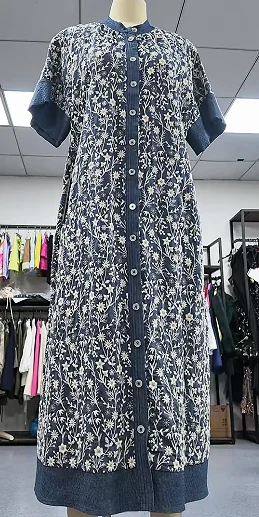
Identify the strongest customer-facing feature in each sample. It might be a distinctive sleeve, a useful layering shape, a comfortable fit or a material that feels right for the intended occasion. Keep the explanation specific: “easy to wear” needs a movement and styling context, while “memorable” needs a recognisable feature.
If a sleeve restricts reaching or creates an unaffordable operation, ask whether a pattern making or material adjustment can preserve its impression. Compromise does not automatically mean removing character. Fabric drape and garment construction can offer different ways to express the same idea.
| Decision | Evidence to compare |
|---|---|
| Customer relevance | Who would wear it, for what occasion and with what existing wardrobe? |
| Reason to choose | Which practical benefit or design feature matters to that customer? |
| Physical wear | Fit, movement, coverage, touch and fastening access. |
| Commercial offer | Confirmed cost, intended selling price and launch commitment. |
| Production readiness | Material references, repeatable construction and approval needs. |
Do not expect every style to do the same job. A versatile option and a statement piece may both belong in a range, but the balance should follow customer evidence, budget and supplier conditions rather than a fixed formula.
Ask Customers About the Real Offer
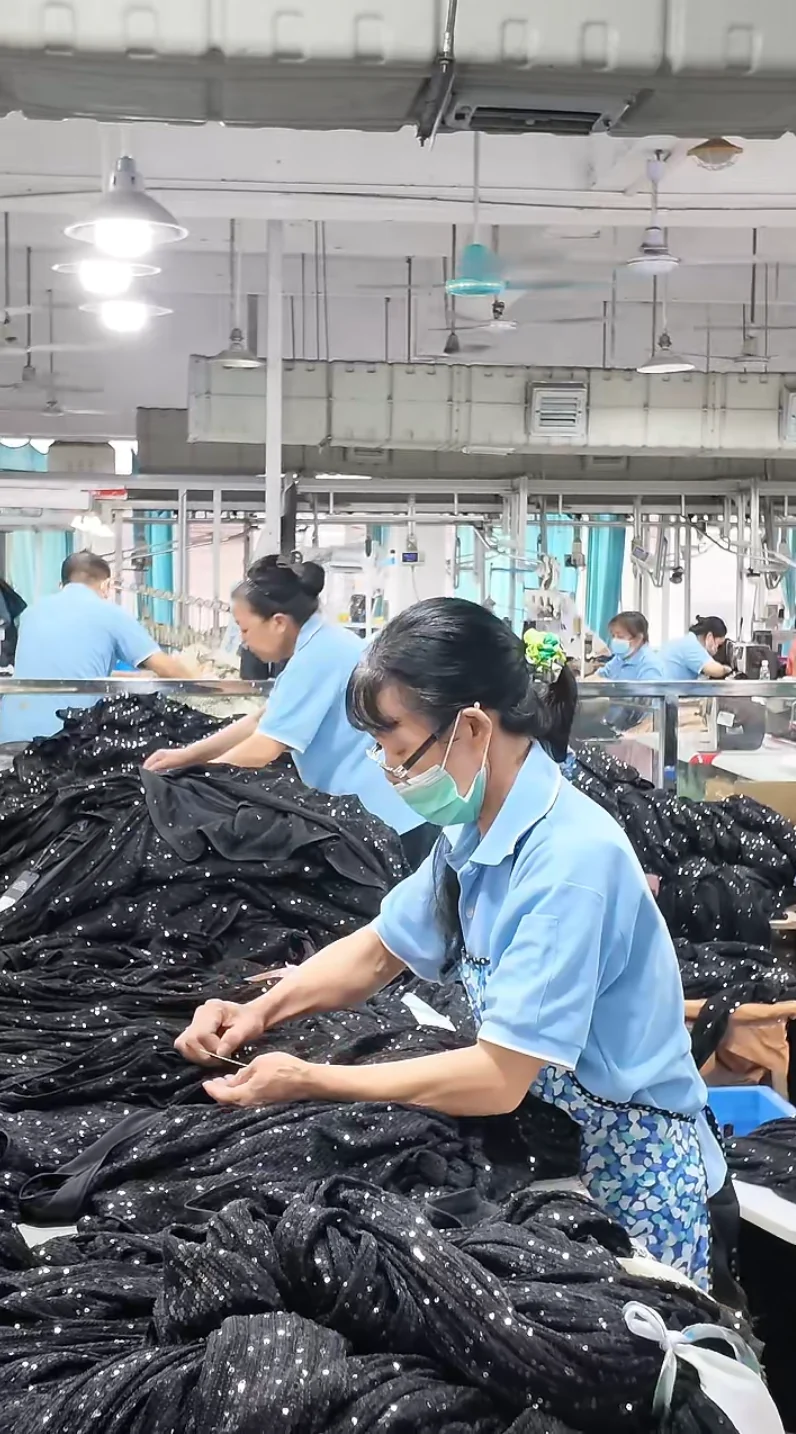
“This will get reordered” and “this will stop the scroll” are hypotheses. Present the options at realistic proposed prices, with comparable photography and clear material and fit information. Ask relevant customers what they would wear, what concerns them and why they prefer one option.
Avoid treating likes as orders or a small informal survey as a sales forecast. Record the respondent group, sample version and information shown. Separate reactions to styling, colour, price and the garment itself. A customer may like an image while having no occasion to buy the product.
If both styles remain promising, consider an affordable test launch where minimum quantities and available capacity allow it. Define the questions the launch should answer and the spending limit before buying. Actual sales, returns and fit feedback can guide the next decision, but one small test does not guarantee a future bestseller.
Review the Physical Samples Before the Order
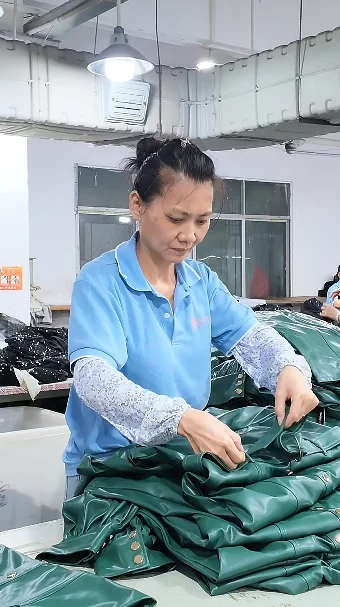
Clothing samples turn the shortlist into something that can be worn and inspected. Review sitting, walking, reaching, layering and closures according to the brief. Autumn is a sales season, not one universal climate; fabric sourcing should respond to the actual wearing conditions.
Hohenstein’s fit testing considers people from the target group. Use representative wearers and relevant sizes for dress fitting and other garments. A convincing photograph cannot establish comfort, ease or performance. Ask the clothing sample maker what remains provisional and what the next trial must resolve.
Compare material options in the same garment context. A change in weight, stretch, opacity or lining may affect the silhouette and wear assessment. Record the material reference and construction for each trial so the team can explain the result rather than attributing every change to the pattern.
Choose a Collection Role and Release a Controlled Version
Make the decision against the brief. Retain the key evidence, chosen role, approved sample and unresolved conditions. If a style is postponed, record why rather than treating it as universally unsuccessful. The same design may serve another customer or occasion, but that would require its own review.
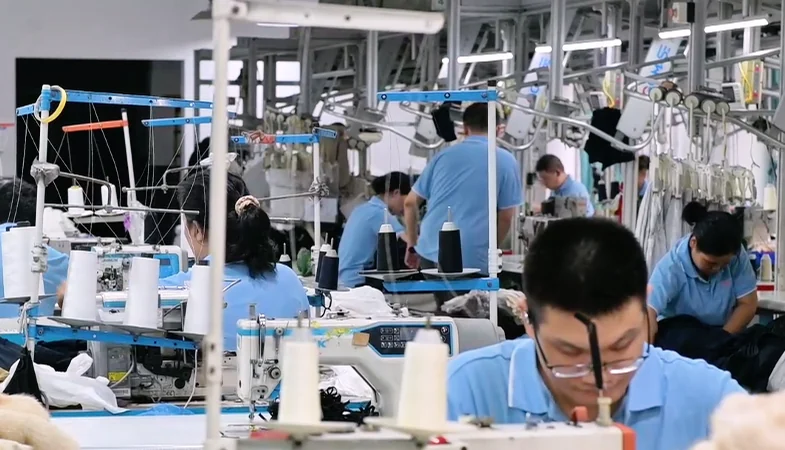
Techpacker describes how a tech pack organises product requirements. Connect the chosen version with measurements, fabric, trims, construction and approval references. Production planning should use quantities by style, colour and size, confirmed lead times and an agreed release sequence.
Send both references to Shengfu with the target customer, intended use, budget and quantities. Request a comparison of sampling options, material choices and difficult operations. Confirm the support available before committing. Release clothing production only when the approved garment and commercial scope describe the same offer; keep customer feedback connected to that version for the next development cycle.
FAQ
How to start a clothing brand when the client and designer favour different styles?
Agree on the target customer and collection role, then compare both options against the same fit, price and production brief. Use an affordable evidence-gathering plan rather than voting by taste alone.
How to choose fabric for clothing in an autumn collection?
Define where and how the customer will wear it, including layering and care. Compare identified materials and complete samples; the season name alone does not establish a suitable fabric.
How to make clothing samples that help select a style?
State the decision each sample should resolve, use the proposed material where possible and review representative wearers. Record fit, movement and construction concerns alongside visual preference.
What is a pre production sample’s role after selecting the style?
It supports approval of the proposed production garment at the agreed stage. Selection of a concept is not release of an unconfirmed pattern, material or construction.
What is a tech pack’s role in keeping a memorable design wearable?
It records the defining features and practical requirements together. Use controlled revisions so material or construction changes do not silently remove the reason the style was chosen.
References and Further Reading
Technical and development sources:
Related Shengfu guides:
- Don’t Copy a Bestseller: Fashion Market Research That Starts With Customers
- A Good Clothing Design Is Only the Start of a Good Product
- Why Some Clothes Stay in Your Wardrobe Beyond the Trends
- Three Clothing Samples: Which One Should You Approve for Production?
- A Million Views Does Not Make a Dress Ready for Production
- From “We Can’t Make It” to a Workable Garment: A Development Plan
- The Biggest Garment Cost May Not Be the Fabric
- Beyond Sewing: Define What Your Clothing Manufacturing Partner Owns





